A Documentary Just Became a Box-Office Event
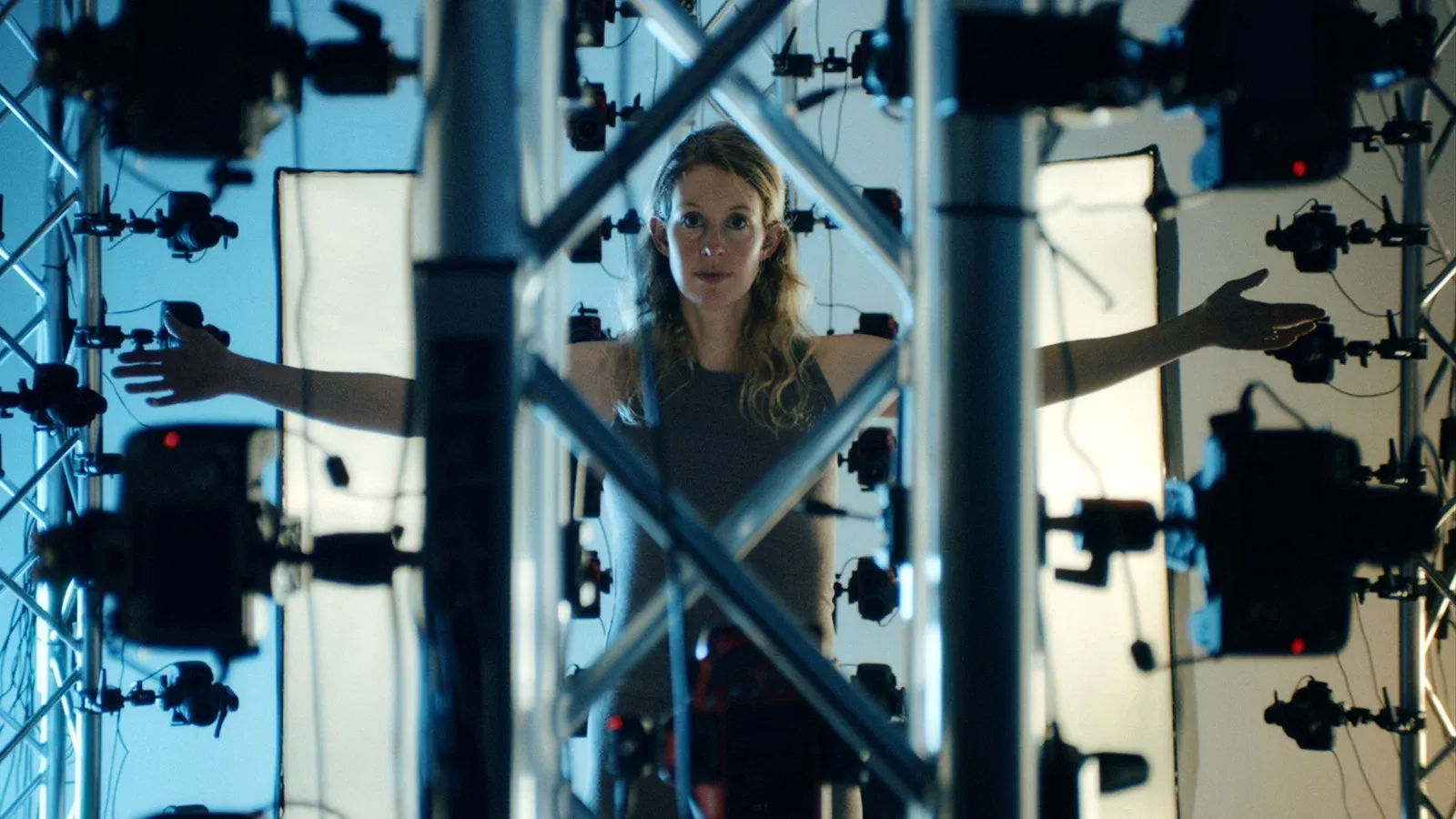
For years, Hollywood has been telling us the same thing. Audiences will only leave the house for spectacle. Superheroes. Horror. Giant franchises. Familiar IP. Ideally something with a cape, a monster or at least one building exploding. Then along comes a nearly three-hour documentary about Elizabeth Holmes. And people turn up in droves.
A24’s You Can See Everything, directed by Nathan Fielder and Lance Oppenheim, has become one of the most extraordinary box-office stories of 2026. The film follows the disgraced Theranos founder in the weeks before she went to prison, after she invited a film crew into her life. What started as an intimate portrait became a three-year project, and audiences have responded as though Holmes has somehow joined the Marvel Cinematic Universe.
The numbers are remarkable. The film opened in North America on 16 October and has now passed $89 million domestically, making it the second-highest-grossing non-music documentary ever there, behind only Fahrenheit 9/11. It has also done something even more unusual: grown. Its second weekend was bigger than its first, jumping from $15.6 million to $18.7 million as word of mouth spread.
That is not supposed to happen to documentaries.
It is especially not supposed to happen to documentaries that run for two hours and 54 minutes.
But perhaps that is exactly why this one has broken through. Holmes is no longer just the subject of a business scandal. She has become one of the strangest public figures of the modern era: part Silicon Valley cautionary tale, part celebrity fascination, part true-crime obsession. Audiences already know the broad story. What they want is access.
And You Can See Everything appears to offer exactly that.
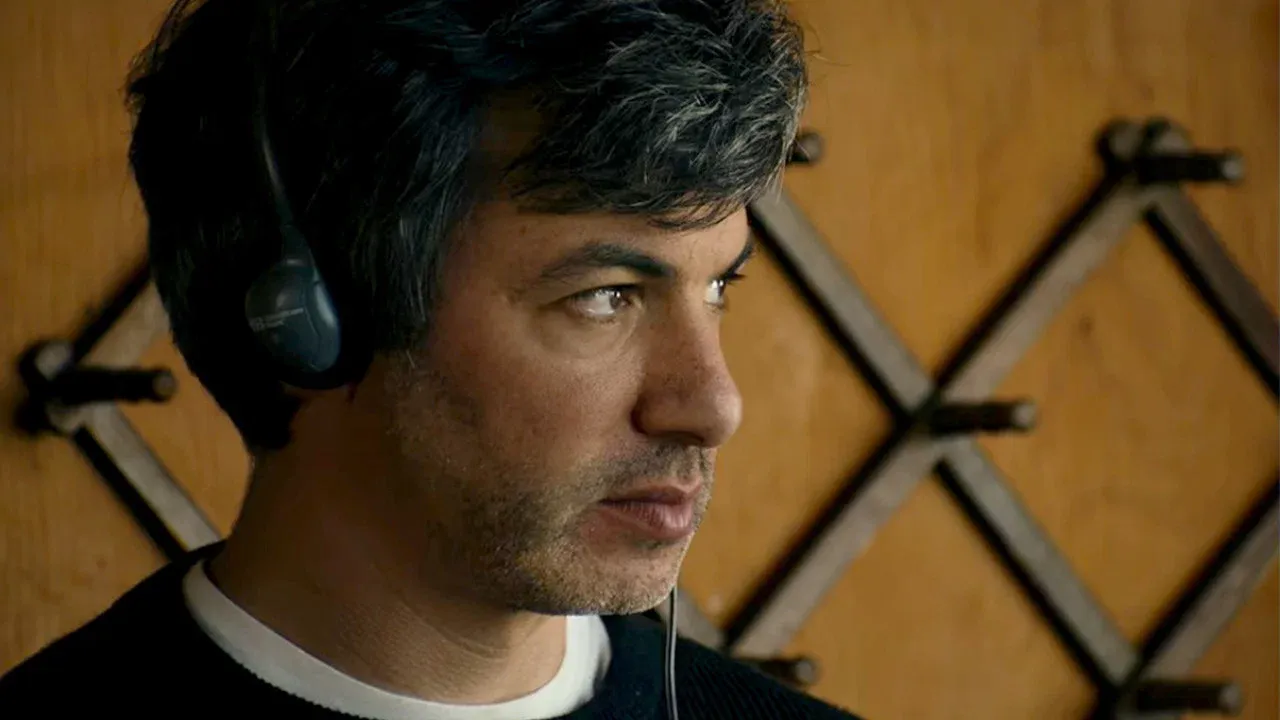 The filmmakers were allowed unusually close to Holmes and her family in the period before she entered prison, creating the kind of intimacy that makes a documentary feel less like a lecture and more like being invited somewhere you probably should not be. That sense of access has helped turn the film into something rare: a documentary people feel they need to see before somebody else tells them what happened.
There is also a wider lesson here for cinemas. Audiences have not stopped wanting original films. They have stopped wanting films that do not feel special. That difference matters. A documentary can be an event if the subject is compelling enough, the marketing creates urgency and the experience feels bigger than simply waiting for it to appear on streaming six weeks later. You Can See Everything has even drawn a notably young audience, with reports pointing to strong Gen Z interest, hardly the demographic usually associated with three-hour theatrical documentaries.
The success has now travelled too. The film debuted at No. 1 in Australia on 12 November after its record-breaking North American run. So perhaps the lesson is not that documentaries are suddenly the new superhero movies. It is that audiences are still willing to turn almost anything into a cinematic event if the story feels impossible to ignore.
No cape required.
Jim Irving
Author