The Architecture of an Island: Why the Cast of Lost Remains Iconic
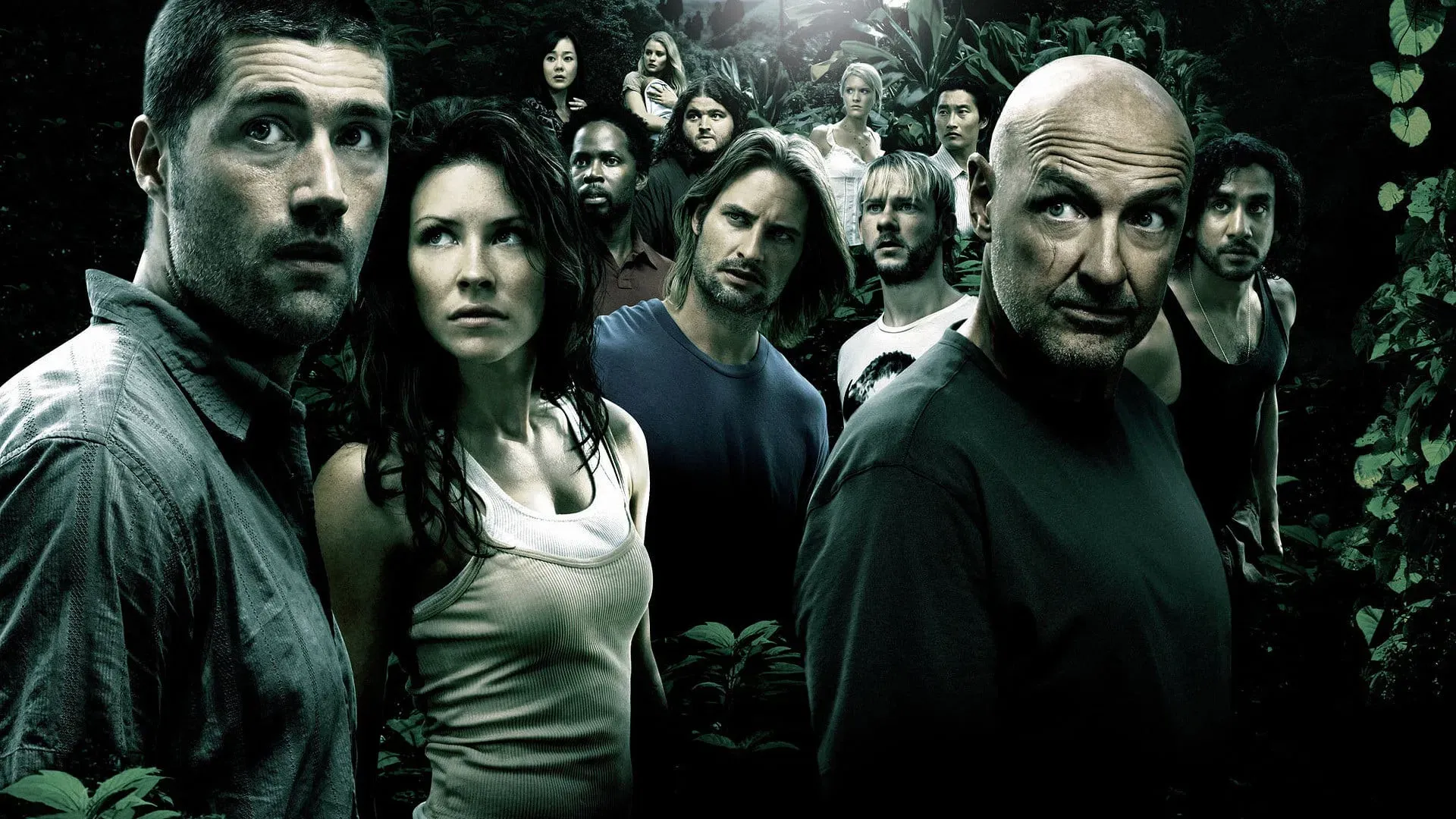
When Lost premiered in 2004, it didn’t just change television; it shattered the mold of how we consume character-driven drama. By utilising the "flashback" device, the producers ensured that the survivors of Oceanic Flight 815 weren't just archetypes, they were complex, broken, and deeply relatable mirrors of the human condition.
Twenty years later, the ensemble remains one of the most perfectly calibrated casts in history. Here is an exploration of why the central figures of the Island became such enduring icons of the small screen.
The Reluctant Shepherd: Jack Shephard
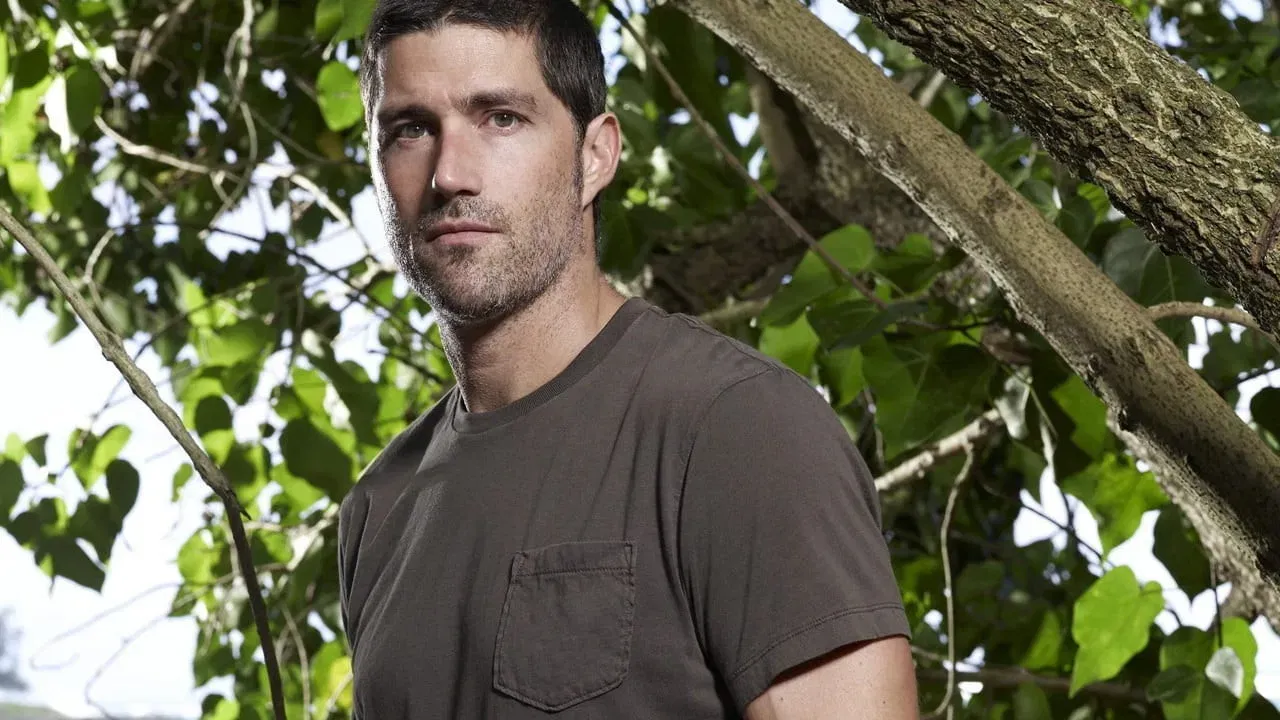 Jack Shephard, played with high-tensile intensity by Matthew Fox, began as the quintessential hero. He was the man of science, the doctor, the "fixer." However, Jack’s icon status doesn't stem from his leadership, but from his vulnerability.
Jack represented the heavy burden of Western expectation. His struggle with "daddy issues" and his pathological need to fix things he couldn't control resonated with an audience grappling with their own anxieties. He wasn't a perfect hero; he was a stubborn, often short-sighted man whose eventual transition from Science to Faith provided the show’s emotional spine. The image of Jack’s eye opening in the pilot and closing in the finale remains the definitive bookend of 21st-century prestige TV.
The Soul of the Island: John Locke
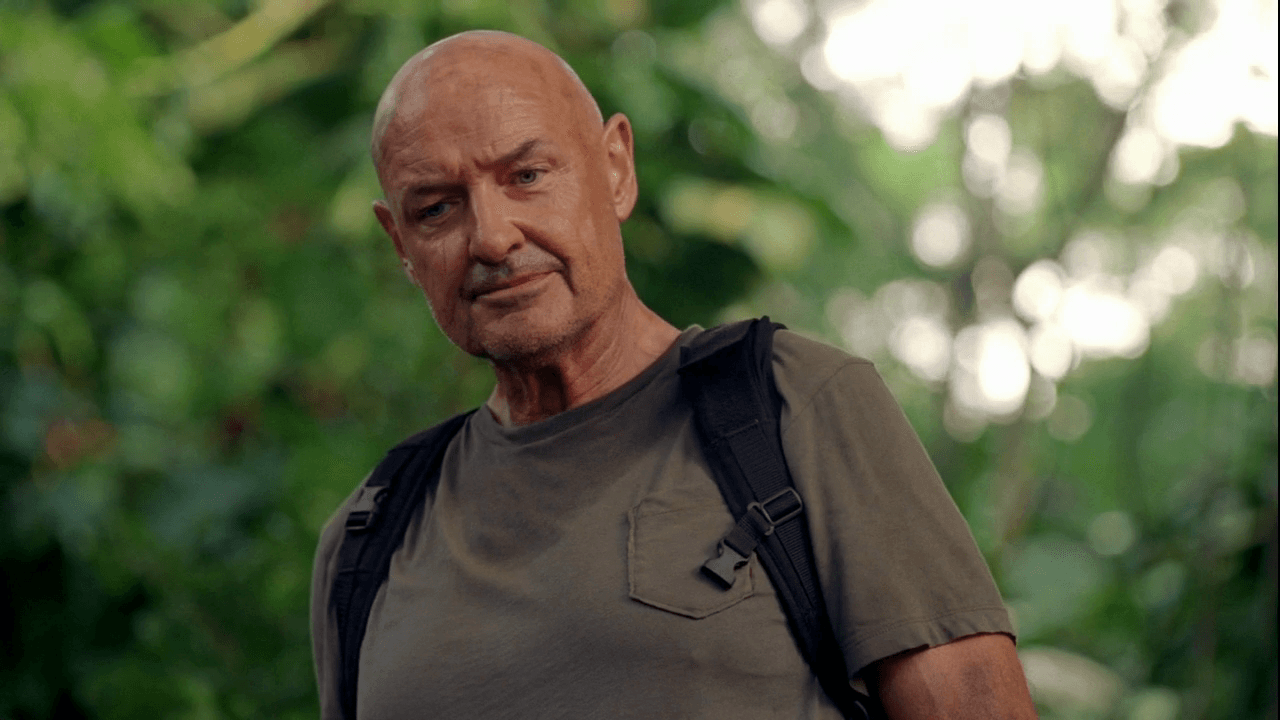 If Jack was the heart, John Locke was the soul. Terry O’Quinn’s performance is arguably the most nuanced in the series. Locke is iconic because he embodies the tragedy of the believer. Before the Island, he was a "pathetic" man, paralysed, manipulated, and discarded by his father. On the Island, he was a hunter, a visionary, and a miracle. Locke’s catchphrase, "Don’t tell me what I can’t do!" became a rallying cry for anyone who has ever felt diminished by the world. He represented the desperate human desire for purpose, making his ultimate fate one of the most poignant character arcs ever written.
The Reformed Outlaw: James "Sawyer" Ford
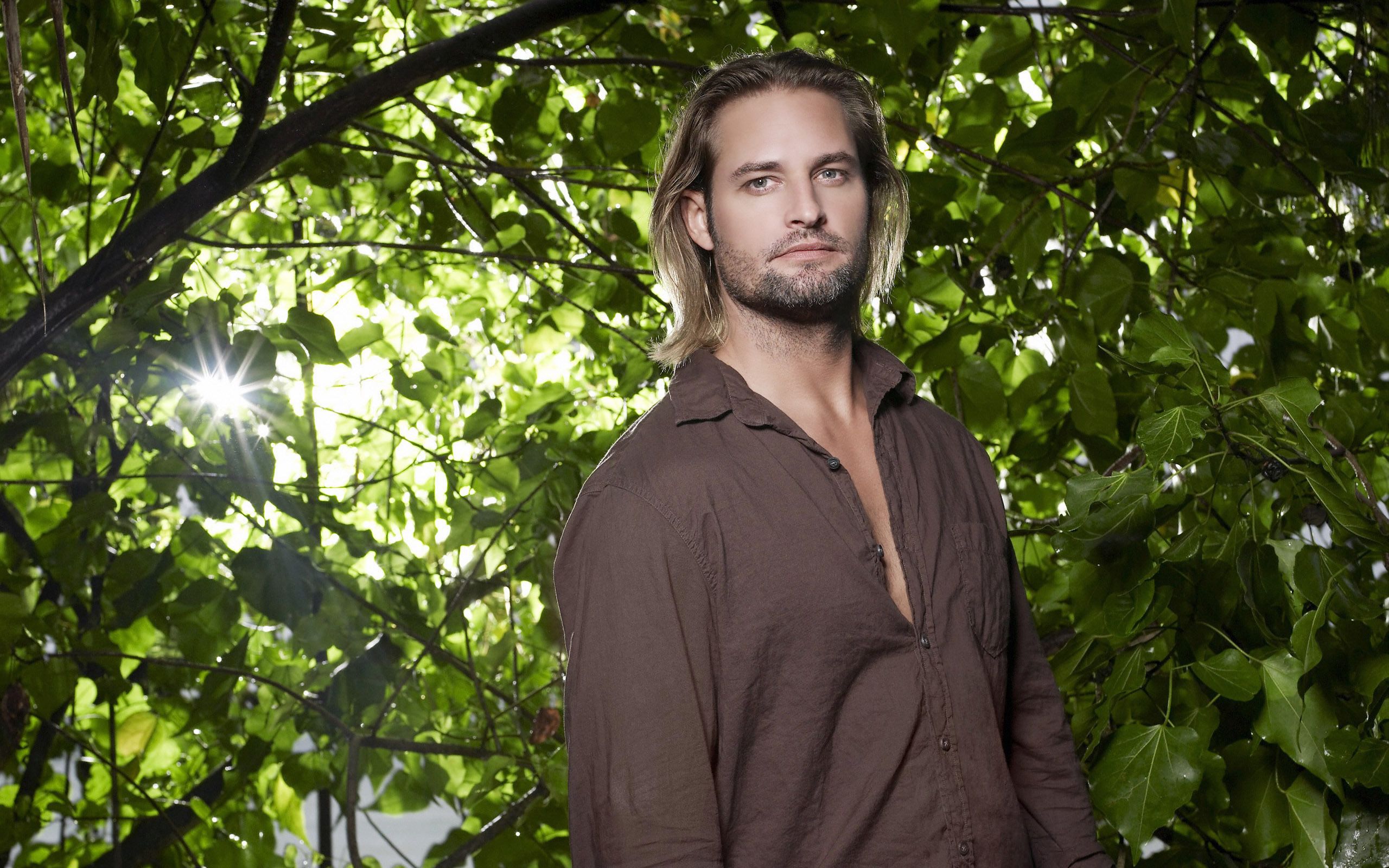 Josh Holloway’s Sawyer started as the man we loved to hate, the hoarding, nickname-bestowing "bad boy." But Sawyer’s icon status was earned through one of the most sophisticated redemption arcs in television.
Behind the bravado and the Southern drawl was a little boy named James who was traumatized by his parents' murder-suicide. Sawyer’s evolution from a selfish con man to a self-sacrificing leader (particularly during his time with DHARMA) proved that people can transcend their trauma. He provided the grit and the humor that kept the show’s high-concept mythology grounded in raw, human emotion.
The Fugitive: Kate Austen
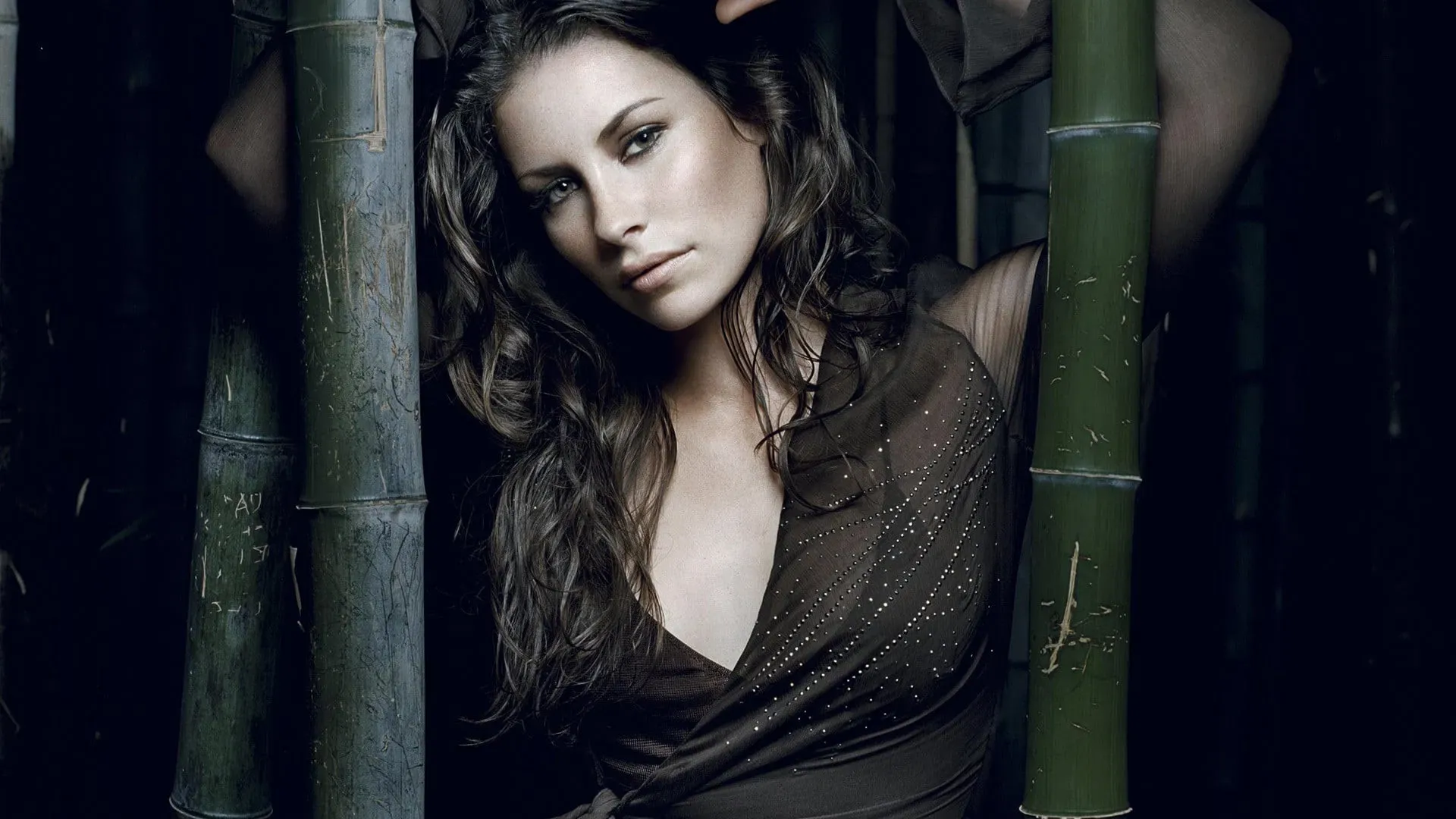 Evangeline Lilly’s Kate Austen broke the "damsel in distress" trope early on. As a fugitive with a dark past, Kate was the ultimate survivalist. While the "Love Triangle" often dominated her narrative, Kate’s true iconic value lies in her refusal to be defined.
She was a woman who lived in the gray area, capable of great violence to protect those she loved, yet driven by an immense capacity for guilt. Kate represented the internal struggle between the desire for freedom and the need for belonging, making her a crucial, if often debated, pillar of the series.
The Moral Compasses: Hugo "Hurley" Reyes and Sayid Jarrah
While some characters were defined by their conflict, others were defined by their humanity.
Hugo "Hurley" Reyes
Jorge Garcia’s Hurley was the audience surrogate. In a show filled with polar bears and smoke monsters, Hurley was the guy asking, "Is anyone else seeing this?" He is iconic because he remained unyieldingly kind in a brutal environment. By the end, the fact that the "lottery winner" became the Island’s protector felt like a profound statement: the world is better off in the hands of the compassionate than the hands of the powerful.
Sayid Jarrah
Naveen Andrews’ Sayid was a revolutionary character for 2004. As a former Iraqi Republican Guard interrogator, he defied the "terrorist" stereotypes prevalent in post-9/11 media. Sayid was the group’s strategist and muscle, but his internal life was defined by a quest for forgiveness.
He was a man who knew he had done "bad things" but spent every waking moment trying to be a "good man."
The Star-Crossed Lovers: Sun-Hwa and Jin-Soo Kwon
The Kwons provided the show’s most operatic emotional beats. Their journey from a crumbling, traditionalist marriage defined by secrets to a partnership of absolute equals is a masterclass in character growth.
- Sun (Yunjin Kim): Transformed from a seemingly submissive wife into a powerful, vengeful corporate leader.
- Jin (Daniel Dae Kim): Evolved from a hardened enforcer into a tender, devoted father.
Their tragic end in the submarine is widely cited as one of the most heartbreaking moments in television history, cementing their status as the show’s romantic icons.
Needless to say, there are plenty of other key characters that can fit into this list. The meta constant of the show that underpins all of Lost’s “timey wimey” nature, Desmond Hugh. Evil archetype legend Benjamin Linus. The list could go on, and it’s an excellent example of why the art of long form drama’s work.
Simon Jouny
Author