Band of Brothers Still Sets the Standard
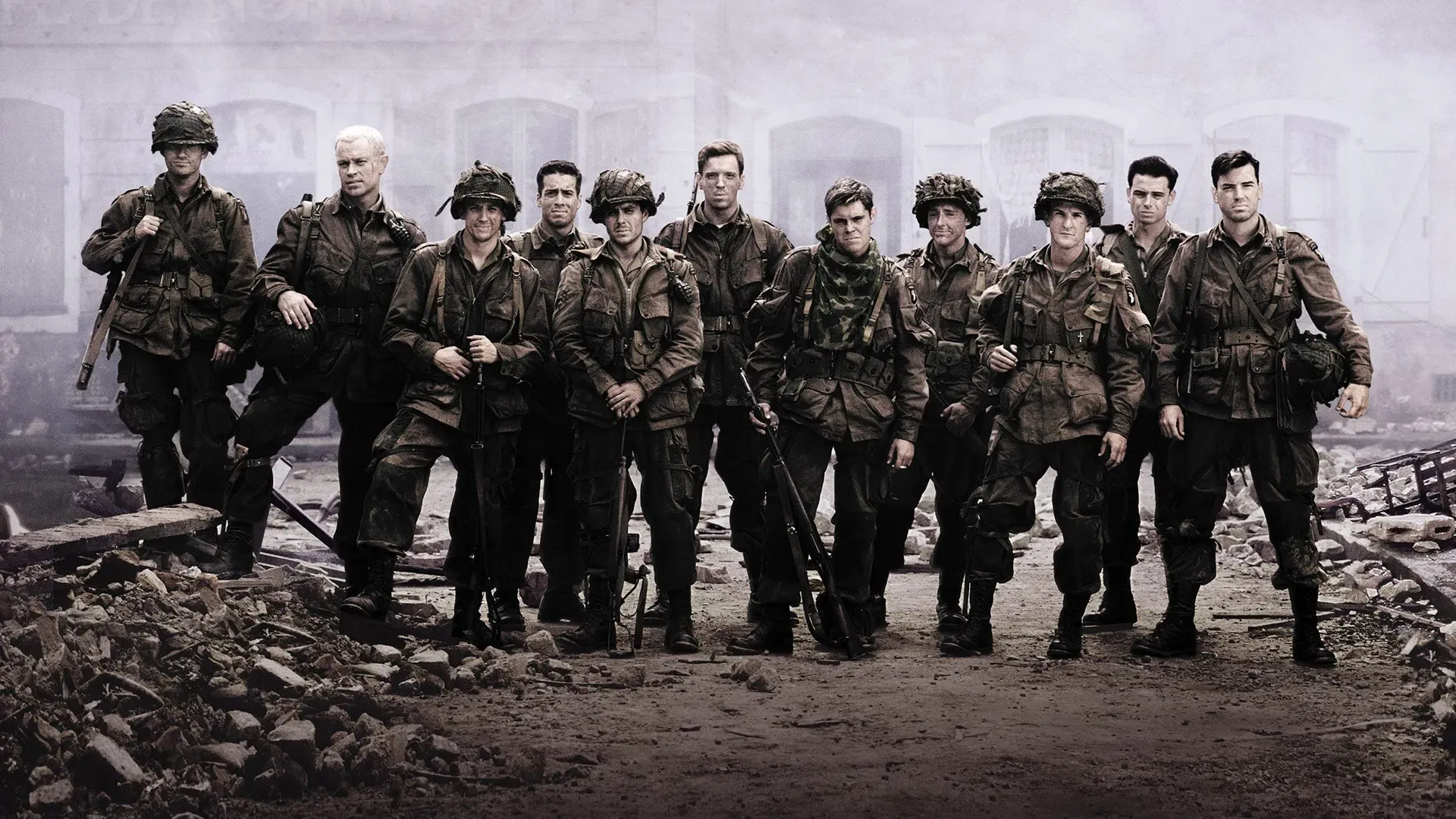
Some shows age. Some shows get overtaken. And then there’s Band of Brothers, still standing, still unmatched, still the benchmark for what World War II storytelling on screen can be.
More than twenty years on, it doesn’t feel like a relic. It feels like the standard everything else is still chasing.
What makes it land so differently starts with truth. This isn’t a war story built for drama first and accuracy second. It’s rooted in Band of Brothers and shaped by the real voices of the men who lived it. Easy Company aren’t characters designed to move a plot forward, they’re people whose stories demanded to be told properly. You feel that in every scene. There’s a weight to it that fiction rarely carries.
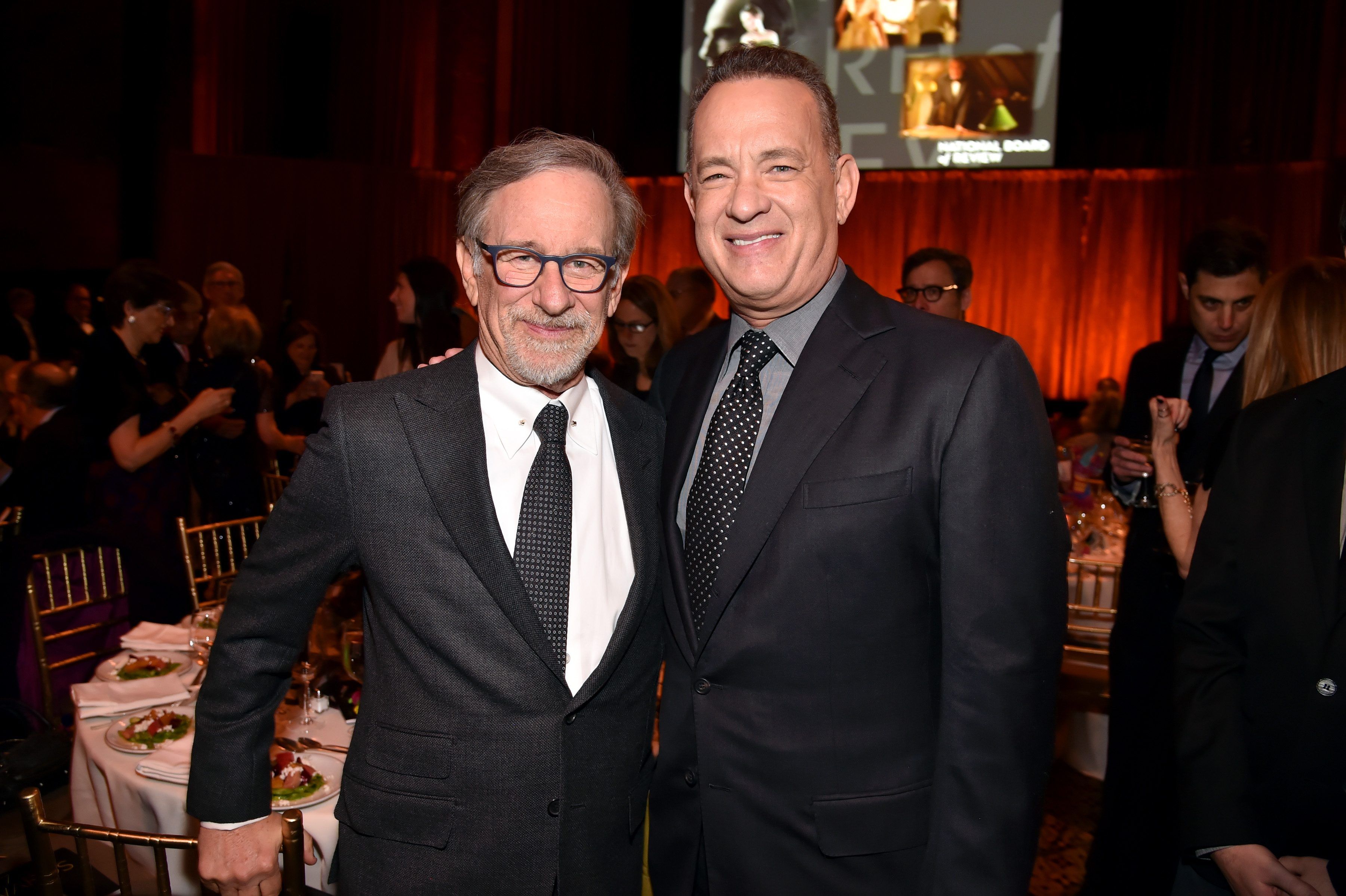 And then there’s the scale. Series creators and executive producers Steven Spielberg and Tom Hanks don’t just show you the war, they help place you inside it. One moment you’re watching the sky fill with paratroopers over Normandy, the next you’re in a foxhole, close enough to feel the fear, the confusion, the silence between gunfire. It constantly shifts between the vast and the deeply personal, and that balance is what makes it hit.
Because when people die here, it matters. You’ve spent time with them. You know them. They’re not just uniforms on a battlefield, they’re mates, leaders, young men trying to hold onto something human in a situation designed to strip that away.
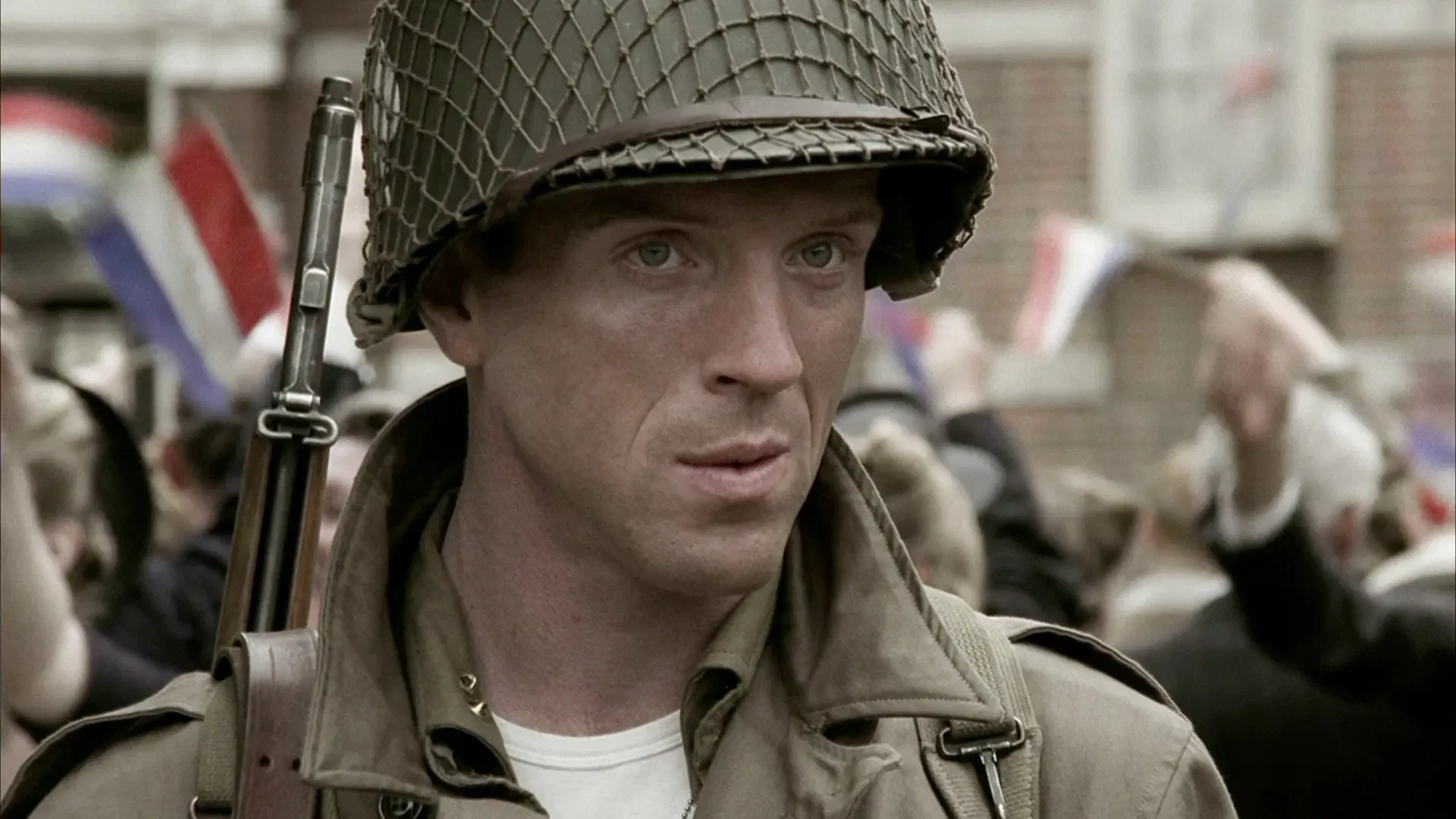 That’s where the series quietly separates itself. The character work isn’t loud or theatrical. It’s patient. Richard Winters leads not through big speeches but through calm, consistency, and care for his men. Others evolve in ways that feel earned, shaped by exhaustion, pressure, and survival rather than neat narrative arcs. You don’t just watch them change. You understand why they have to.
Technically, it still holds up. The combat feels chaotic in the way real combat should, disorienting, loud, and often unclear. There’s no sense of spectacle for the sake of it. Every explosion, every burst of gunfire serves the story, not the other way around.
But what really lingers is its emotional intelligence. This is a series that understands heroism isn’t clean. You can be brave and terrified at the same time. You can win and still carry something with you forever. Episodes like Why We Fight don’t overplay their hand, they just show you, plainly, what war reveals. And that restraint makes it land harder.
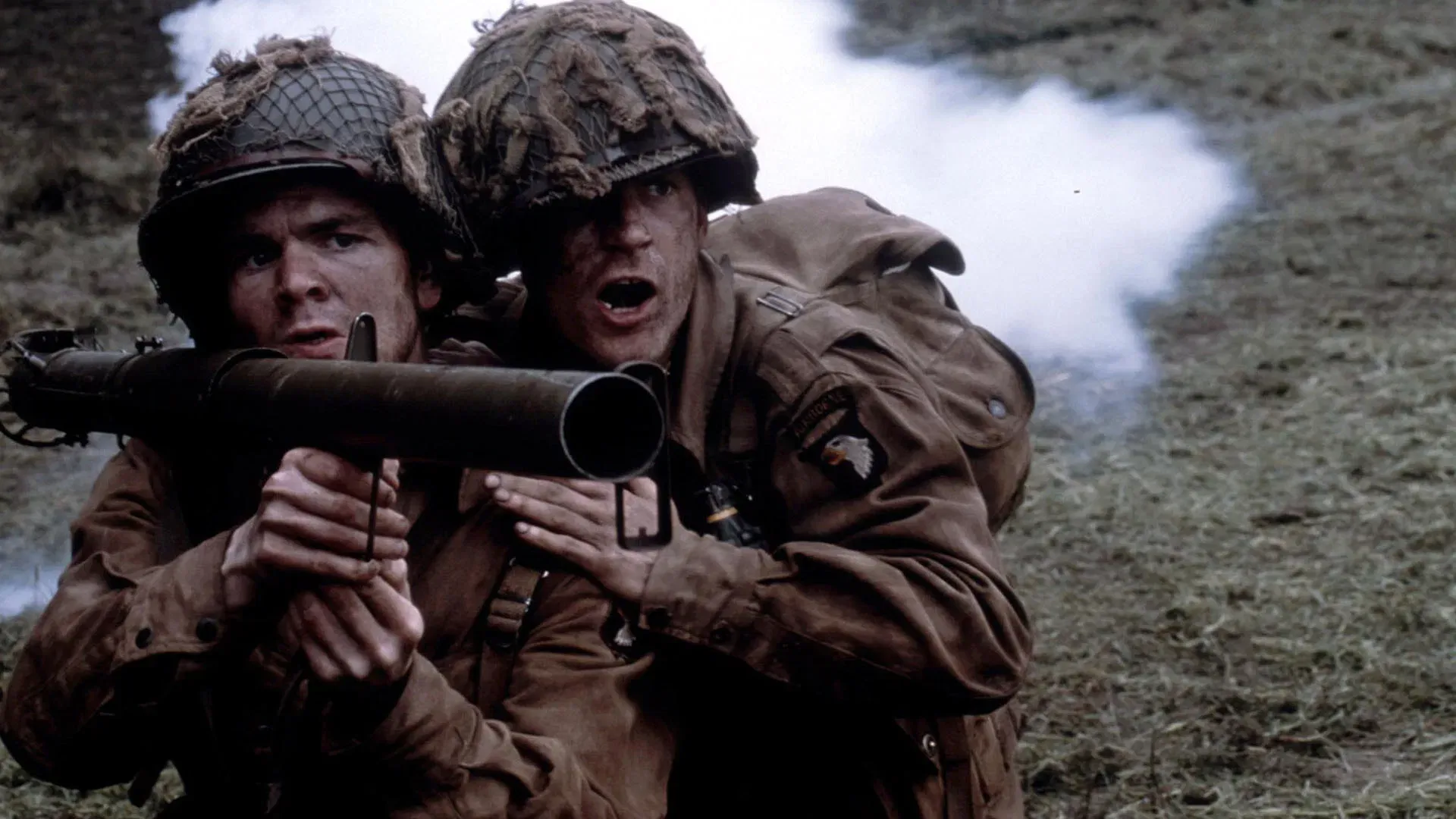 Others have tried to follow the path. The Pacific and Masters of the Air both expand the lens, both bring scale and ambition. But they don’t quite capture the same connection. And a big part of that comes down to focus. By staying with one company from start to finish, Band of Brothers builds something deeper, a bond between audience and character that compounds with every episode.
That’s why it endures.
It doesn’t just show you the war. It makes you feel the people inside it.
Stalingrad Dollosa
Author