Before The First Ball Is Kicked: The World Cup Docs That Define Football
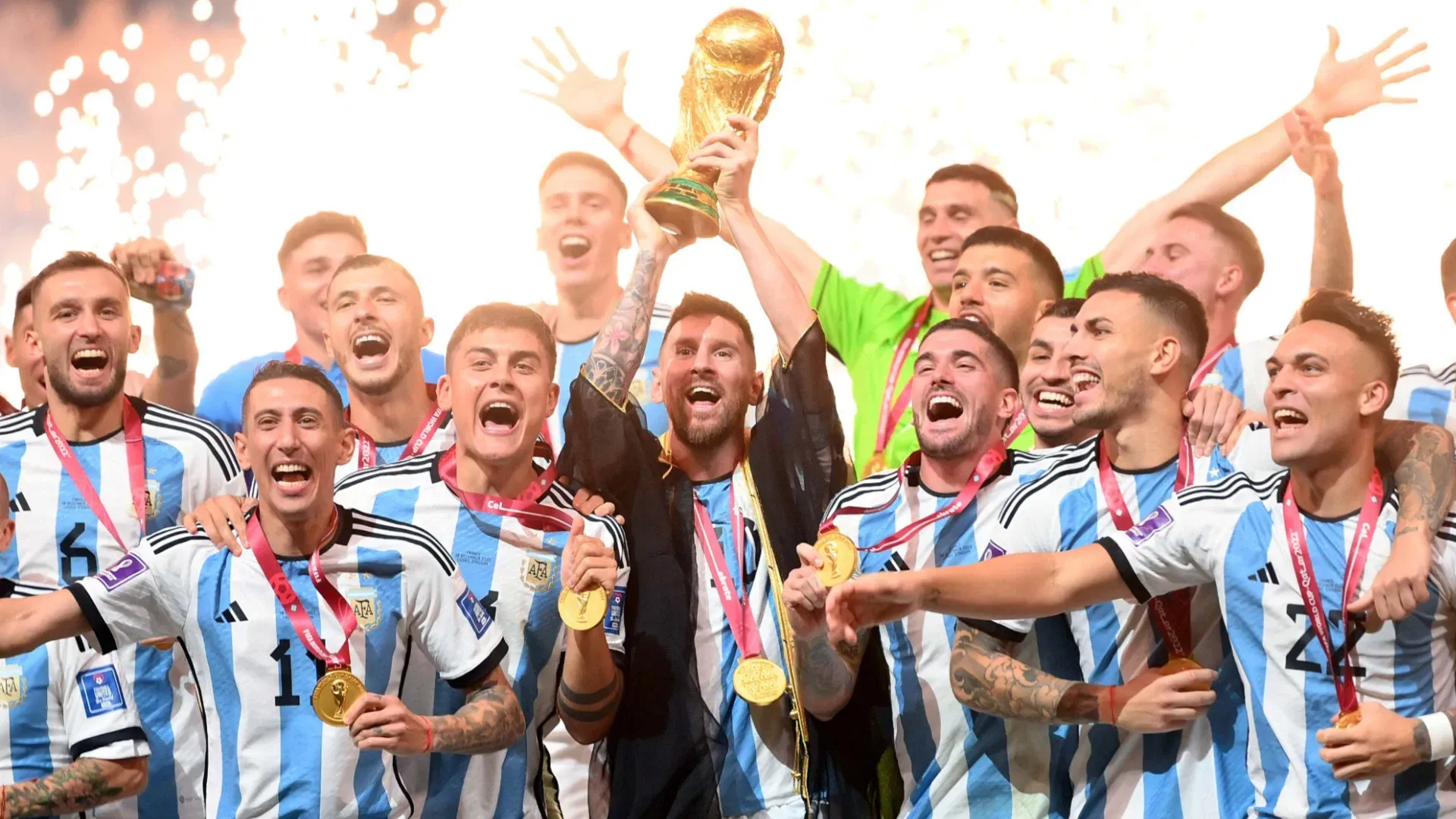
The moment the fixtures drop, suddenly everyone becomes an expert again. People convincing themselves England finally have the midfield balance right. Someone somewhere claiming Argentina are “too old”. Your mate insisting the USA are dark horses because he’s watched three MLS games and half a documentary.
And honestly? We absolutely love it.
With the 2026 FIFA World Cup getting closer, this feels like the perfect time to dive back into the football documentaries that remind you why the World Cup is still the greatest sporting event on earth.
Not because of the football itself. Well… partly because of the football. But mostly because the World Cup creates stories no scriptwriter would dare pitch. Politics, pressure, redemption, heartbreak, national identity, heroes, villains and at least one goalkeeper having a complete meltdown on live television.
These are the documentaries that capture all of it.
First up, the heavyweight champion of football documentaries.The Two Escobars isn’t just one of the best football documentaries ever made, it’s one of the best documentaries full stop.
Even if you don’t care about football, this thing grabs you immediately. Set around the 1994 FIFA World Cup, it tells the story of Colombia’s golden generation and how football became tangled up with the terrifying rise of the Medellin drug cartel. On one side you have Pablo Escobar, one of the most feared and powerful men on the planet. On the other, Andrés Escobar, the elegant defender carrying the hopes of an entire nation.
What makes the documentary so gripping is that you know the ending and still desperately hope somehow it changes. The atmosphere around Colombia going into that tournament was wild. They genuinely thought they could win the World Cup. Then came the own goal against the USA. Then came the unimaginable aftermath.
It’s tense, emotional and completely haunting. The sort of documentary where you sit silently through the credits afterwards staring into space.
From darkness to pure footballing chaos. Diego Maradona is basically what happens when you give one of the greatest footballers ever unlimited talent, unlimited pressure and absolutely no off switch.
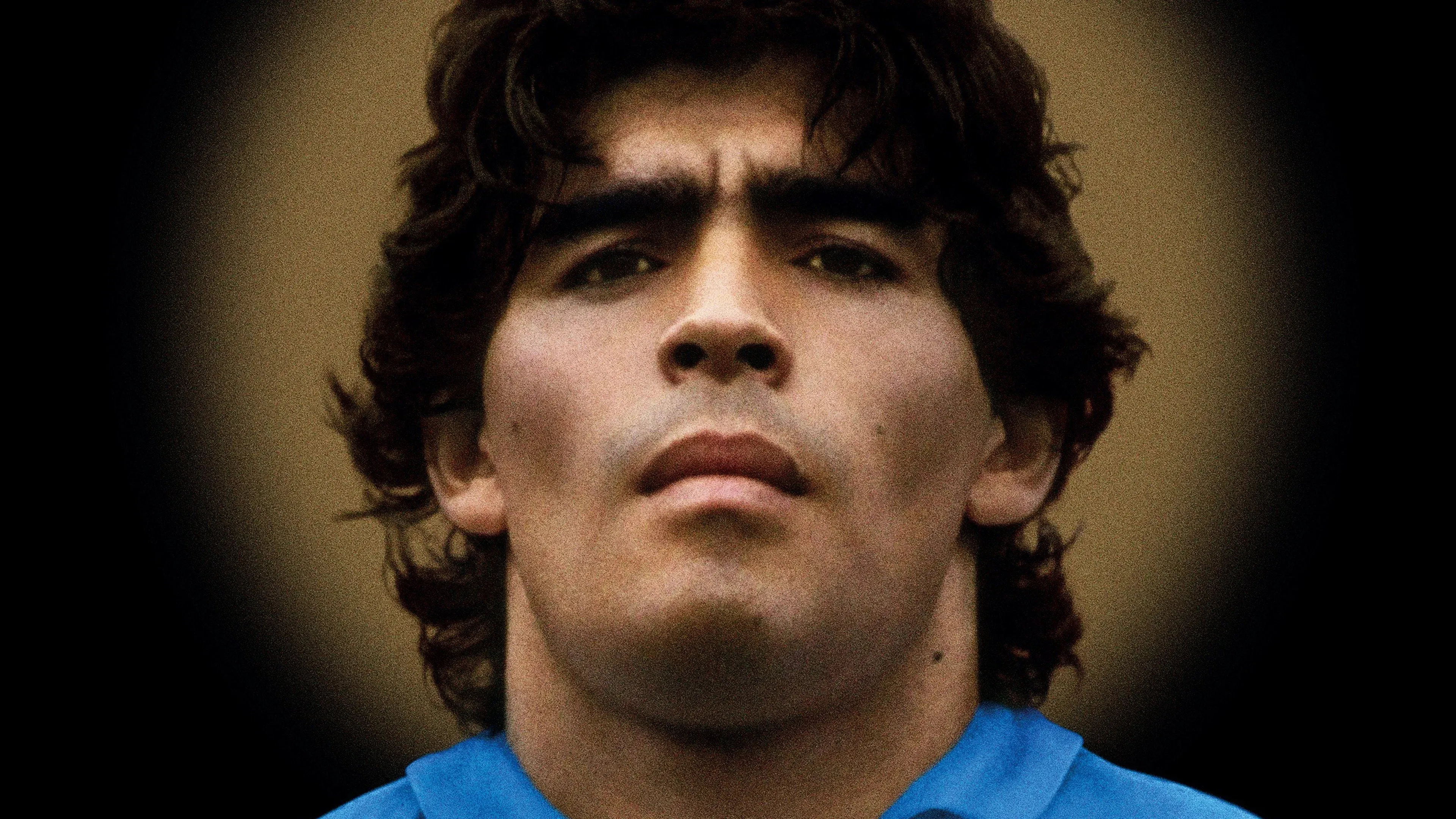
Built from hundreds of hours of unseen footage, it follows Diego Maradona through Naples, fame and the shadow of the 1986 FIFA World Cup. Modern footballers are polished. Media trained. Careful. Maradona feels like he arrived from another planet entirely.
The documentary perfectly captures why people still talk about him like folklore rather than a footballer. One second he’s gliding past defenders like the ball is attached to his foot with magnets, the next he’s spiralling into complete self-destruction.
Also, every World Cup documentary list needs at least one player who looks like he could either score the greatest goal you’ve ever seen or start a diplomatic incident. Maradona comfortably ticks both boxes.
Then there’s One Night in Turin, which for English football fans is basically emotional damage disguised as nostalgia.
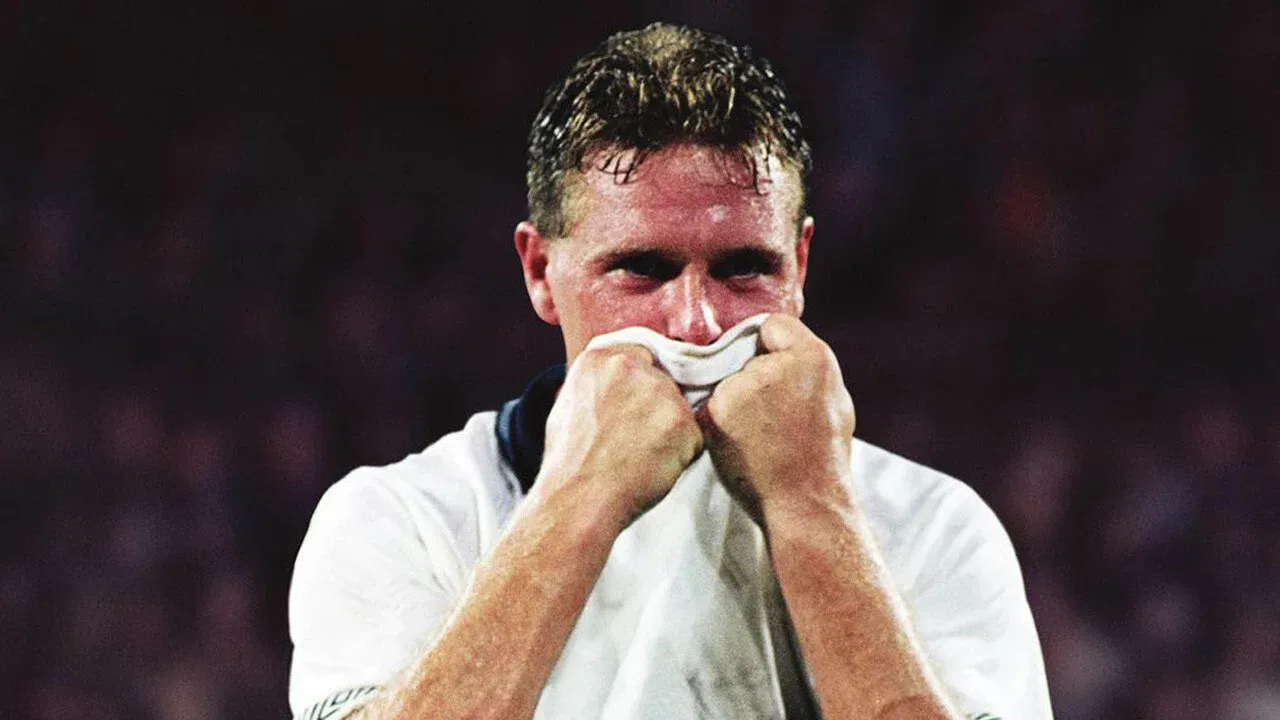 If you’re too young to remember Italia ’90 properly, this documentary explains why older generations still talk about it like it was a magical lost summer.
Before the Premier League turned football into global entertainment content, English football felt rough around the edges. Stadiums were crumbling. Fans had a terrible reputation internationally. The national team constantly underachieved. Then somehow this group of players changed everything for six glorious weeks.
Bobby Robson, who had been absolutely battered by the media before the tournament, suddenly had England dreaming of a final. You’ve got Paul Gascoigne crying, Gary Lineker scoring, David Platt volleying balls out of the sky like prime anime protagonists. And yes, the penalty shootout still hurts. Always will.
For a more modern World Cup fix, Captains of the World is dangerously bingeable.
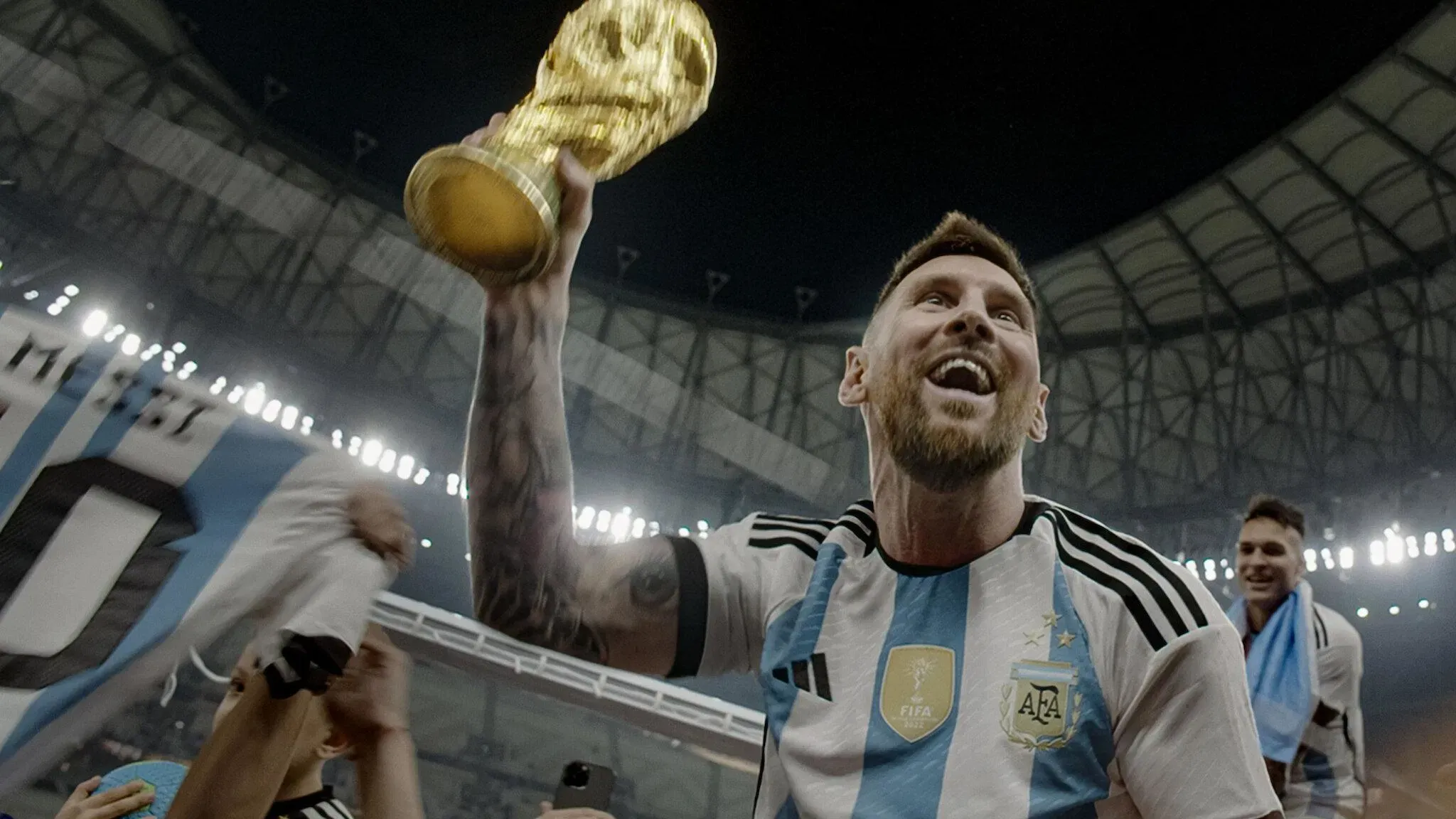 The beauty of this series is the access. You’re inside dressing rooms, team meetings, recovery sessions and those horrible silent moments after knockout defeats where players are trying to process the fact their World Cup dream just ended.
International football feels different because the pressure is different. At club level, players represent teams. At the World Cup, they represent entire countries. Millions of people projecting hope, expectation and decades of trauma onto eleven men trying not to concede from a set piece.
Watching it now feels like the perfect warm-up for 2026 because you can already sense where football is heading. Bigger personalities. Bigger narratives. Bigger scrutiny. The World Cup becoming less of a tournament and more of a global cultural event.
And finally, football royalty. Pelé Forever is pure football joy.
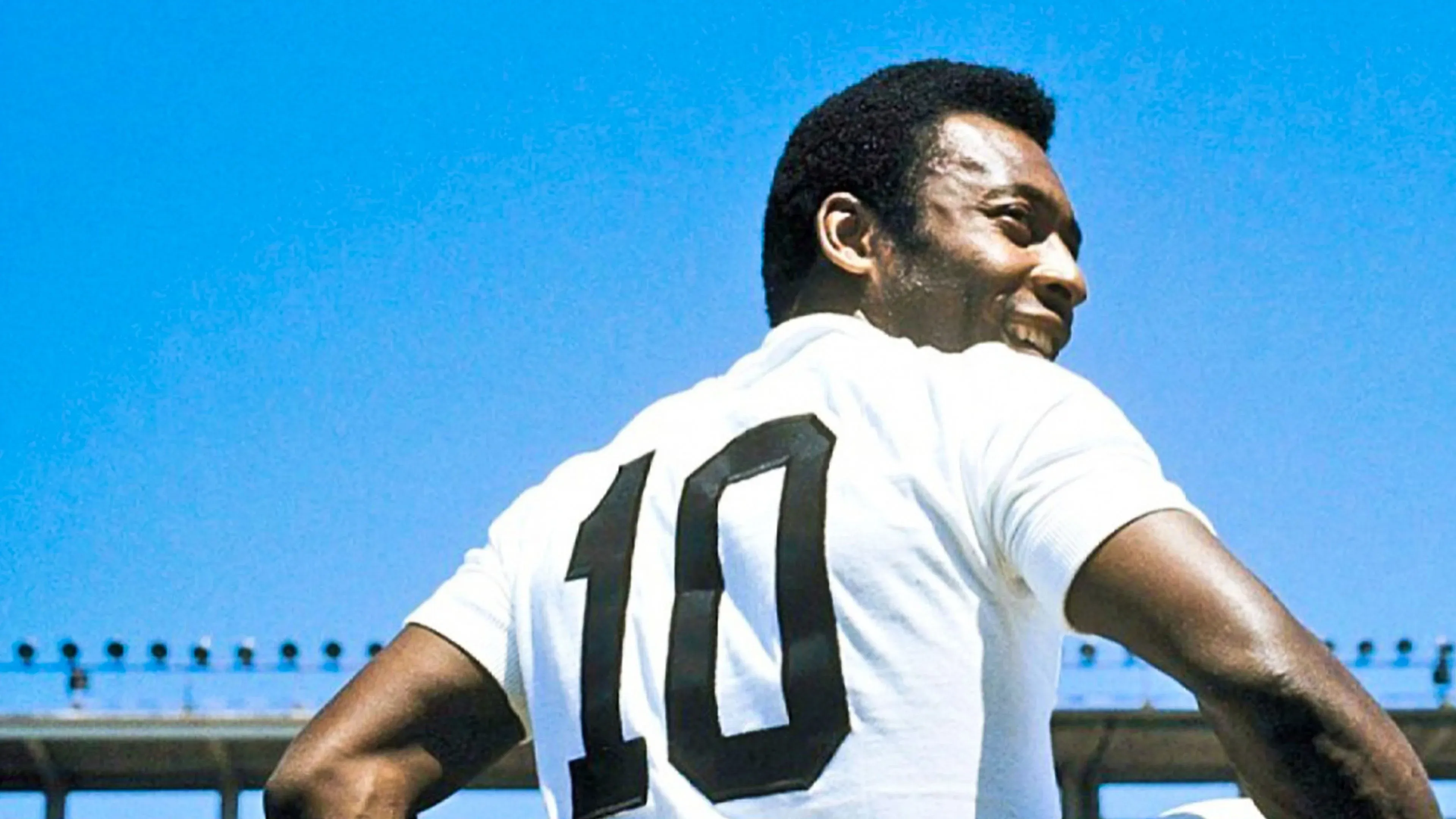 Watching Pelé footage now almost feels surreal because the game looks so different. No tactical drones hovering over every movement. No endless debates about expected goals. Just brilliance.
The documentary captures why Pelé became football’s first true global superstar and why Brazil became permanently linked with beautiful football. There’s also something incredibly comforting about old World Cup footage. The grainy cameras. The impossibly bright kits. Defenders launching themselves into tackles that would result in ABH charges in the modern game.
Football somehow felt smaller then and bigger at the same time.
That’s really the magic of the World Cup. Every generation gets its tournament. Its moments. Its heartbreak. Somewhere across Canada, Mexico and the USA next summer there’ll be another player nobody saw coming becoming a superstar overnight. Another giant collapsing unexpectedly. Another nation convincing itself football is finally coming home.
And somewhere a future documentary producer is already rubbing their hands together.
Jim Irving
Author