Breaking the Curse: Why Fallout Succeeded Where Decades of Adaptations Failed
For thirty years, the "Video Game Curse" was a reliable law of Hollywood physics. From the bizarre, gritty fever dream of the 1993 Super Mario Bros. movie to the hollow spectacle of Warcraft or the critically panned Assassin’s Creed, the transition from controller to camera was almost always a disaster. Fans felt betrayed by lore changes, while general audiences were left baffled by "gamey" logic that didn't translate to a linear narrative.
Then came 2024’s Fallout.
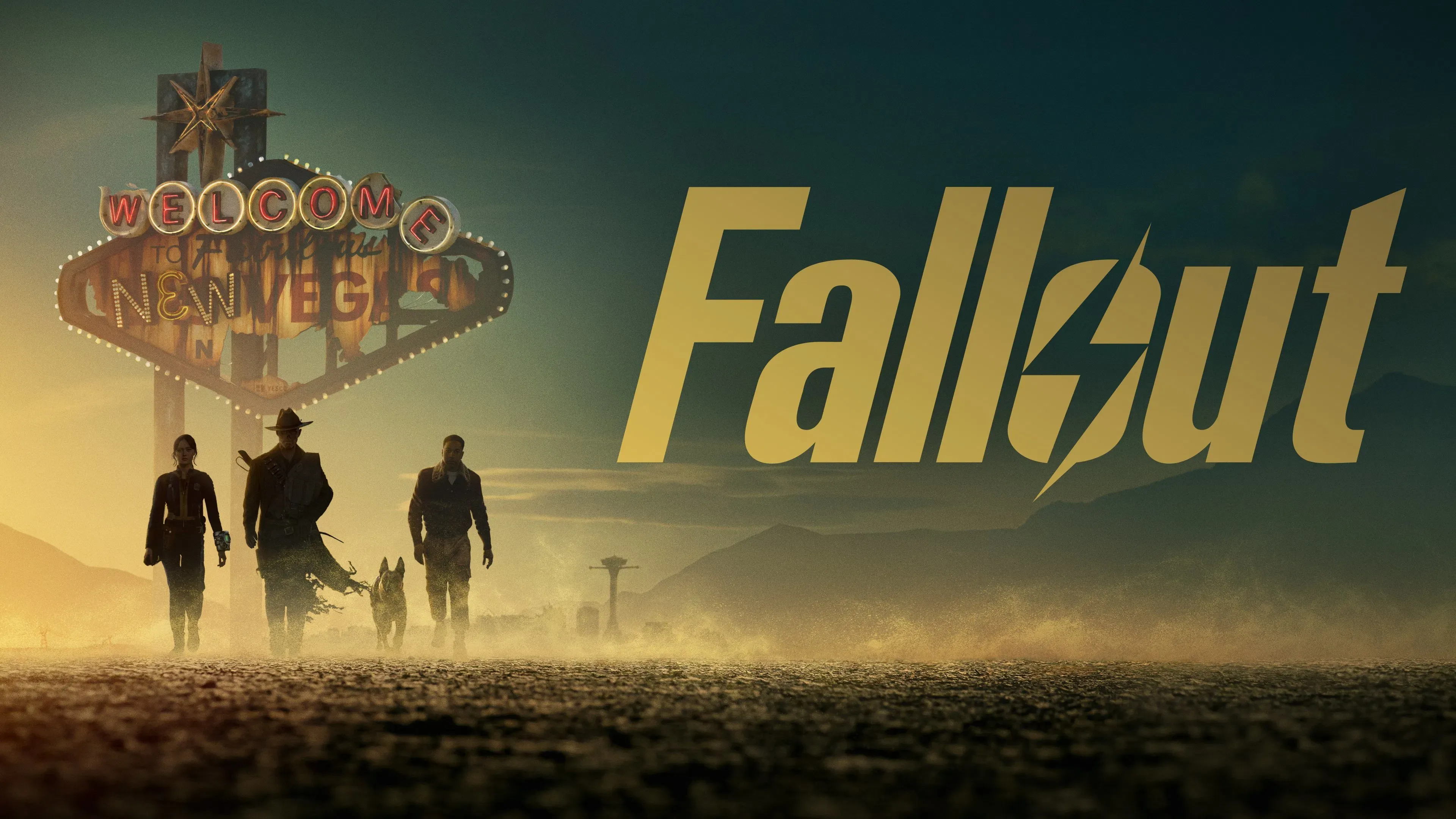 Amazon Prime Video’s adaptation didn’t just break the curse; it vaporized it. By treating the source material with the reverence of a historical text while understanding the unique needs of television, Fallout has set a new gold standard for the medium.
The Graveyard of Good Intentions
To understand why Fallout is so remarkable, one must look at the wreckage of the past. Historically, video game adaptations failed for three primary reasons:
Fundamental Misunderstanding of Interactivity: Games are powerful because you make the choices. When you strip away the agency (the ability to pull the trigger or choose the dialogue path), you often lose the soul of the experience.
The "Aesthetic Only" Trap: Early adaptations like Street Fighter or Doom thought that if you dressed an actor like the character and included a first-person shooter sequence, you had "adapted" the game. They captured the skin, but not the skeleton.
Contempt for the Source Material: For decades, Hollywood viewed games as "toy" IP for children. Writers often felt they needed to "fix" or "elevate" the stories, resulting in movies that bore almost no resemblance to the games people actually loved.
Why Fallout is Different
Fallout succeeded because it didn't try to retell the plot of Fallout 3 or Fallout 4. Instead, it treated the games as canon. By creating an original story within the established world, showrunners Jonathan Nolan and Lisa Joy gave themselves the freedom to surprise fans while staying true to the franchise's DNA.
The Language of Gameplay
The show manages to visualize "gameplay" without it feeling forced. When Lucy (Ella Purnell) uses a Stimpak to heal a wound or describes her "skills" during an interview, it’s a nod to the RPG mechanics that fans recognize, but it’s framed as a natural part of her world. The action sequences, particularly the slow-motion carnage involving the Ghoul, mimic the franchise’s iconic V.A.T.S. (Vault-Tec Assisted Targeting System) without needing a HUD on the screen.
Tonal Perfection
The Fallout games are famous for their "Jux-Tonal" quality—the contrast between upbeat 1950s "Raygun Gothic" optimism and the horrific, radiation-soaked reality of the wasteland. The show nails this balance. It is simultaneously hilarious, heartbreaking, and stomach-churningly violent.
Expansion, Not Contraction
Unlike the Uncharted movie, which felt like a "greatest hits" reel of game moments, Fallout expanded the lore. It gave us the origins of Vault-Tec and the history of the "Great War" through the eyes of Cooper Howard (Walton Goggins). It gave fans something they hadn't seen in 25 years of playing: a look at the world before the bombs.
A New Era of Prestige Gaming TV
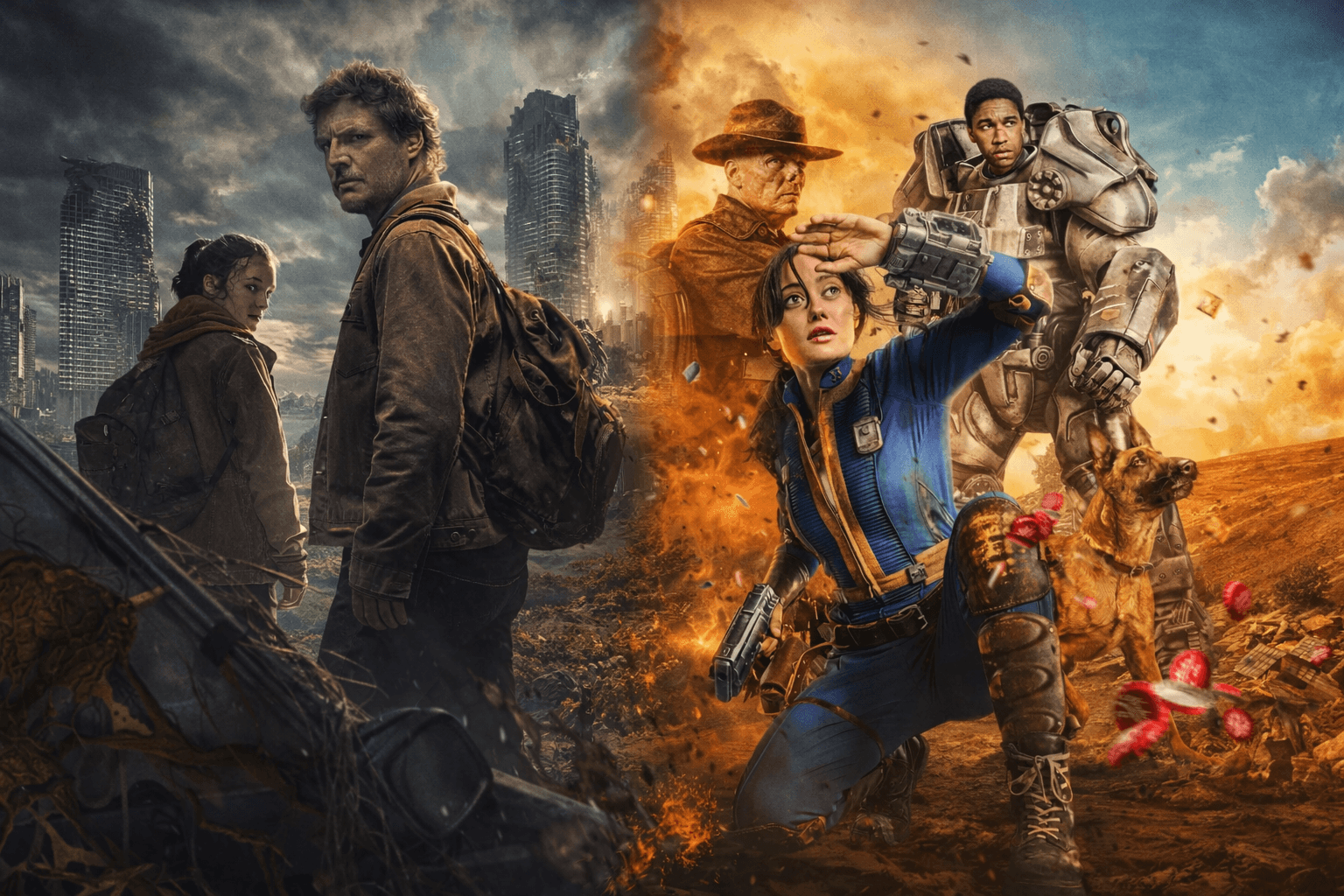
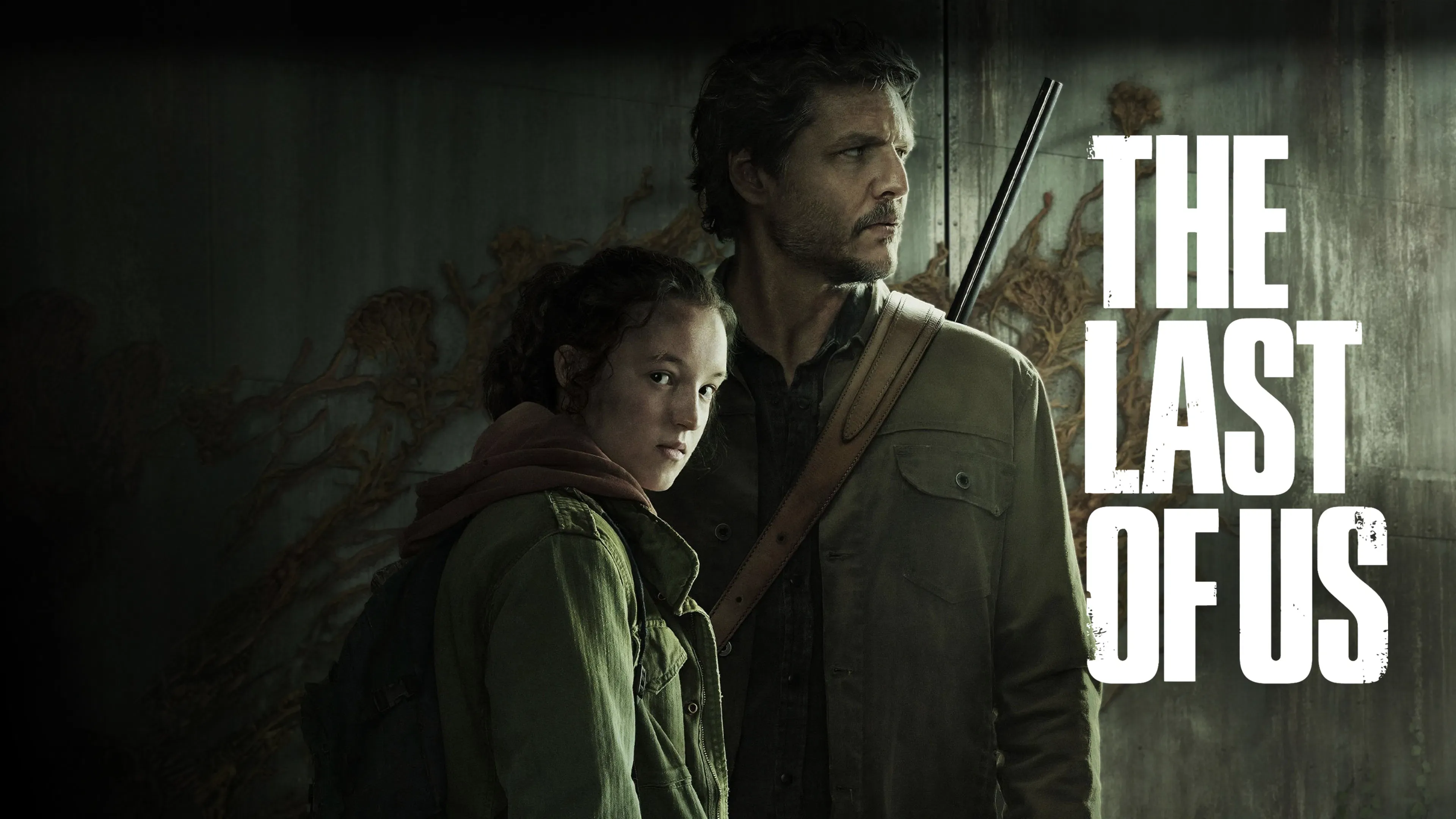 Fallout joins The Last of Us and Arcane in a new vanguard of adaptations that prove video games are the new "comic books" for Hollywood - a seemingly bottomless well of rich, complex, and highly profitable stories.
The curse is officially dead. The secret, it turns out, wasn't to "fix" the games, but to finally start playing them.
Simon Jouny
Author