David Fincher Is Directing Tarantino’s Sequel. Yes, Really.
There are some combinations in cinema that feel inevitable. Scorsese and De Niro. Spielberg and John Williams. Tom Cruise and running very, very fast.
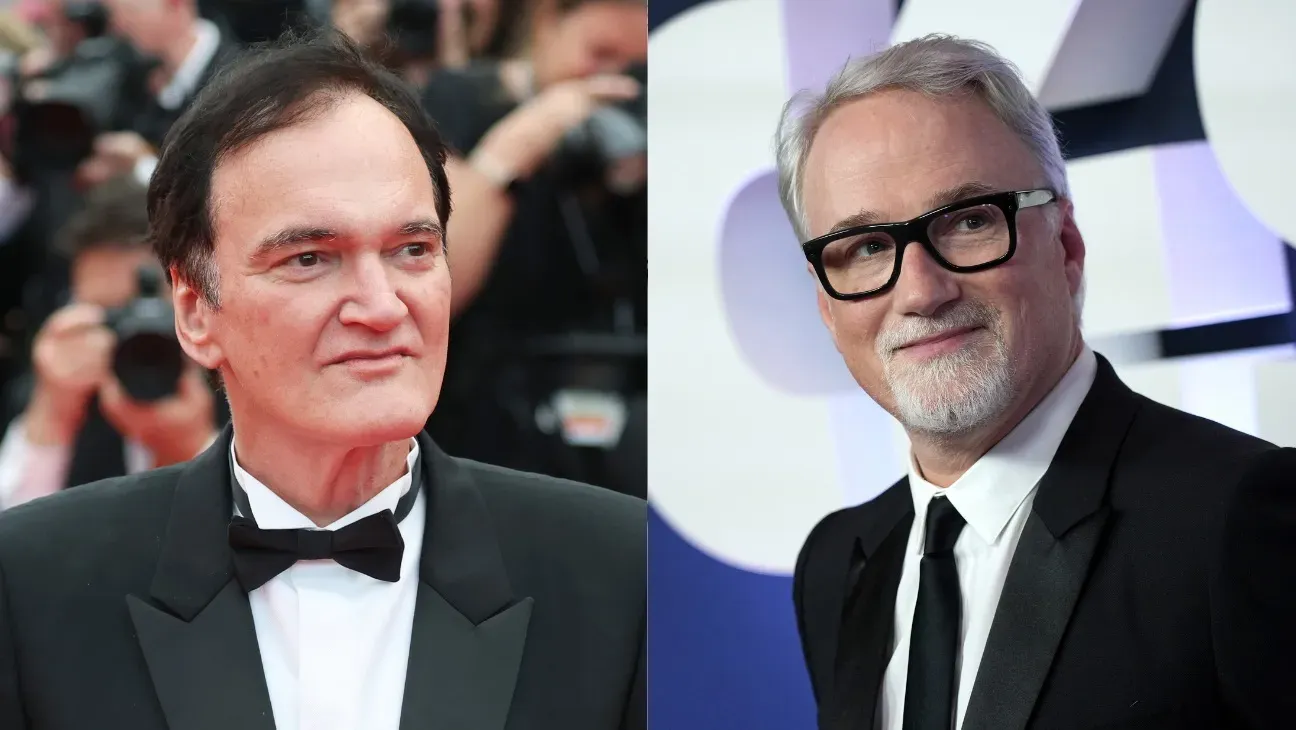
Then there is Quentin Tarantino and David Fincher.
On paper, they should probably exist in completely different corners of the filmmaking universe. Tarantino is loud, playful, obsessive, happy to let a scene run for ten minutes because two people are having an interesting conversation about something completely irrelevant. Fincher is precise, controlled, meticulous and famously capable of shooting an obscene number of takes until every glance, pause and coffee cup lands exactly where he wants it.
So naturally, Fincher is directing Tarantino’s sequel.
The Further Mis-Adventures of Cliff Booth brings Brad Pitt back as the effortlessly cool stuntman he played in Once Upon a Time in Hollywood, but this time Tarantino has written the screenplay and handed the director’s chair to Fincher. The film jumps forward to 1977, eight years after Cliff’s encounter with the Manson family, and finds him no longer working primarily as a stuntman but as a Hollywood fixer, dealing with problems involving murder, blackmail, theft and extortion.
Just another quiet week in Los Angeles.
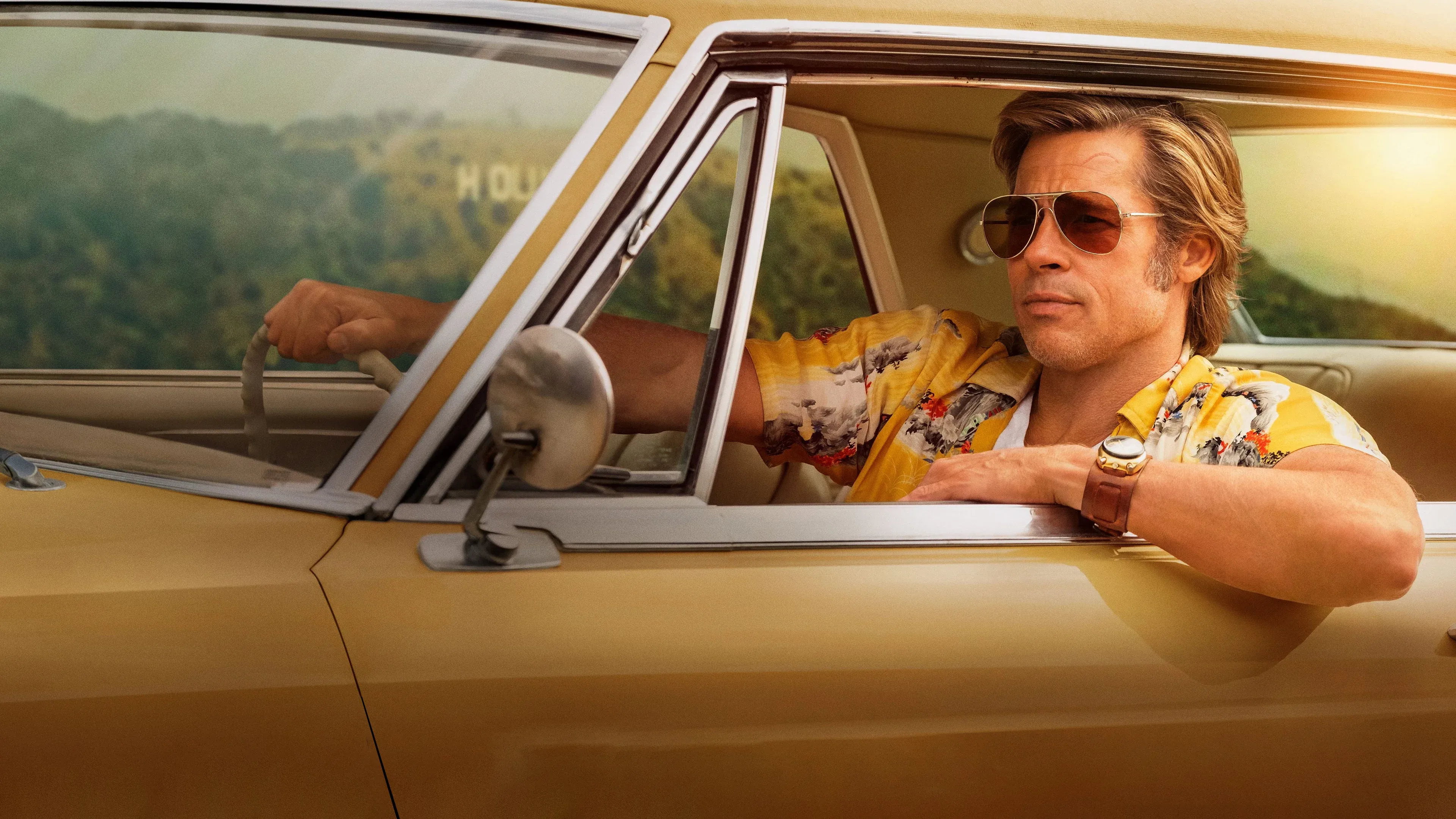 Pitt returns to the role that won him an Oscar, while the new cast includes Elizabeth Debicki, Scott Caan, Carla Gugino, Yahya Abdul-Mateen II and Peter Weller. Leonardo DiCaprio is not returning as Rick Dalton, which immediately changes the dynamic. Once Upon a Time in Hollywood was built around the friendship between Rick and Cliff, but this time Cliff has to carry the story himself. That actually makes the change of director even more interesting.
Because this will not simply be Tarantino without Tarantino. It will be Tarantino filtered through Fincher.
That is where things get fascinating. Tarantino’s version of late-1960s Hollywood was warm, nostalgic and almost dreamlike, even when somebody was being hit in the face with a tin of dog food. Fincher’s cinema tends to be colder, darker and much more interested in obsession, power and people behaving badly behind closed doors. Move the story into 1977, turn Cliff into a fixer and suddenly Fincher starts to make a strange amount of sense.
Hollywood itself had changed enormously by then. The old studio system had collapsed, New Hollywood was in full swing, and the industry was becoming rougher, stranger and more unpredictable. Netflix describes the new film as moving away from the “fairytale” of Once Upon a Time in Hollywood and into a crime story built around violence, ambition and desire. That sounds rather like somebody deliberately designed a playground for David Fincher.
There is also something wonderfully unusual about Tarantino willingly handing over one of his characters. He famously decided not to direct the project himself, while Fincher has brought in much of his regular creative team, including cinematographer Erik Messerschmidt and editor Kirk Baxter. The result could be one of those rare films where you can almost see two great filmmakers arguing with each other through the screen.
And Brad Pitt sits right in the middle of it.
Pitt has already worked brilliantly with both directors. Tarantino gave him Cliff Booth and Aldo Raine. Fincher gave him Seven, Fight Club and The Curious Case of Benjamin Button. Few actors could bridge those two very different cinematic worlds quite so comfortably.
The film gets a two-week IMAX run from 25 November before arriving on Netflix on 23 December. Tarantino wrote it. Fincher directed it. Brad Pitt is Cliff Booth again.
Frankly, Christmas has just become considerably more interesting.
Jim Irving
Author