Dirty Water, Broken Systems and the People Who Pay the Price
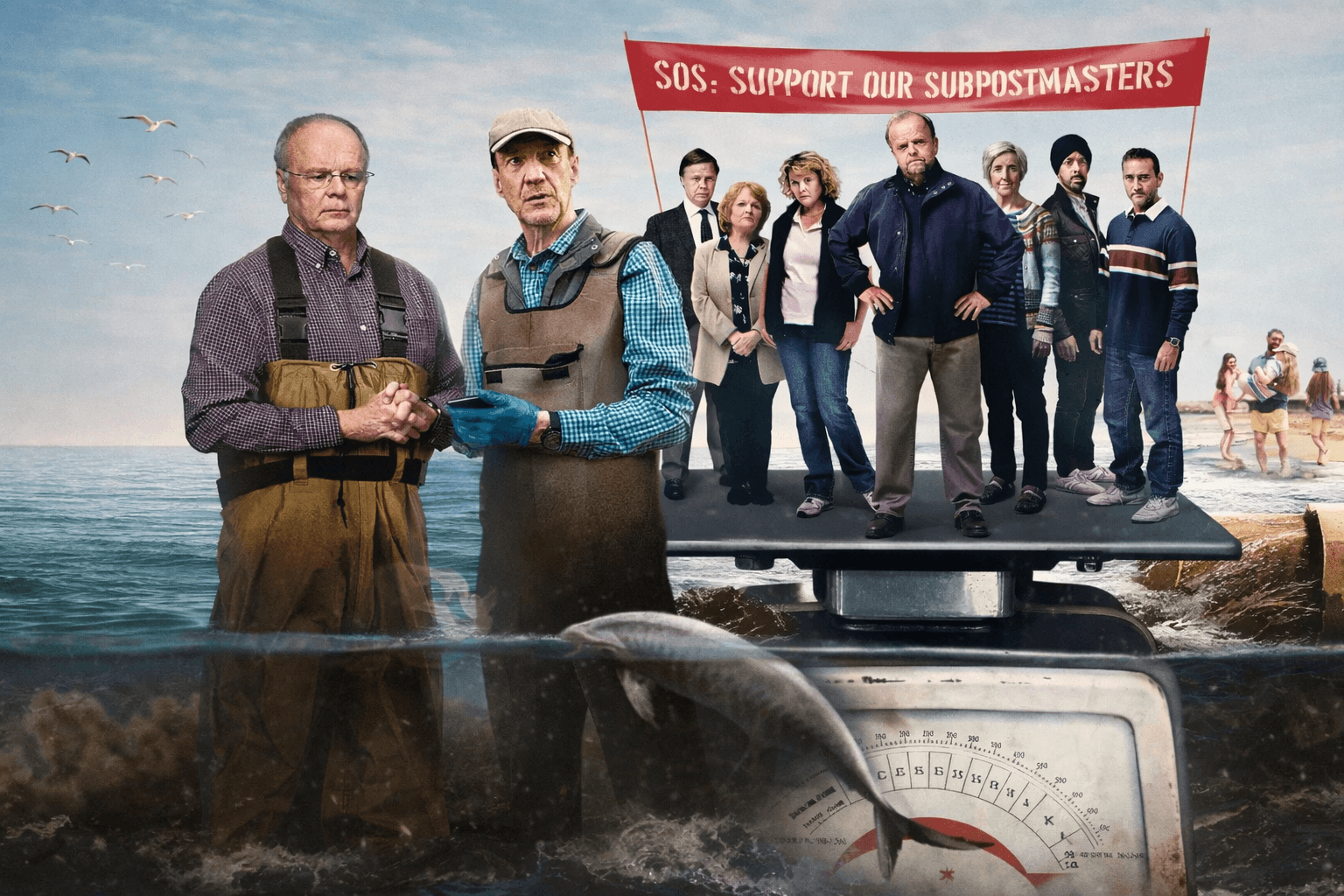
Drama based on true events has a unique power. When storytelling collides with truth it can shift public opinion, ignite outrage and sometimes force those in power to act. We saw that vividly in the UK at the start of 2024 when the ITV drama Mr Bates vs The Post Office gripped the nation and helped push the government to intervene in one of the greatest miscarriages of justice in modern British history. Now Channel 4’s Dirty Business arrives with a similarly uncomfortable reminder that some of the most shocking stories affecting our lives are not fiction at all.
Dirty Business tackles an issue that touches every single person in the UK: water. The drama pulls back the curtain on the murky world behind Britain’s water companies, where sewage spills into rivers, infrastructure fails and companies entrusted with protecting a vital public resource appear to prioritise shareholder returns above all else. What makes the story so unsettling is not simply the environmental damage, but the sense that the system designed to prevent this behaviour often appears unwilling to act.
Water is not an optional product that consumers can simply choose to avoid. It is one of the most fundamental services in society. Every family depends on it, every household uses it, and every community is affected when the system fails. Yet the picture painted by Dirty Business is one in which polluted rivers and coastlines exist alongside rising bills, executive bonuses and an accountability system that feels painfully slow and, in some cases, disturbingly compromised.
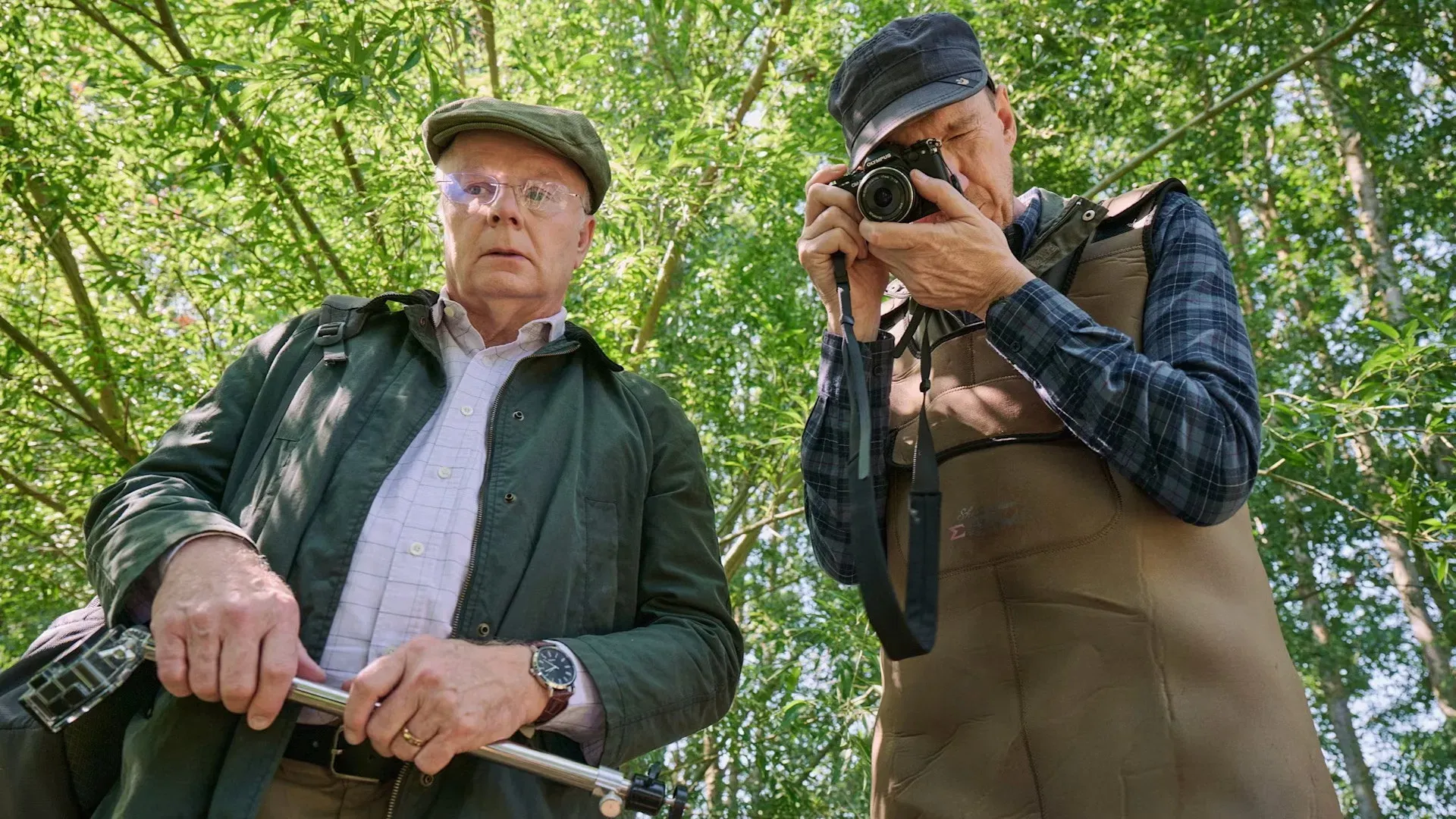 One line in the drama captures that sense of frustration perfectly. Professor Peter Hammond delivers a devastating assessment of the industry’s indifference: “We could show them dead bodies floating down the river and they still wouldn’t do anything about it.” It is a shocking line, but the reason it resonates so strongly is because it reflects the growing belief that regulators and oversight bodies are not simply slow to act but, at times, appear entangled in the very system they are meant to control.
At first it can feel astonishing that companies worth billions would place profit ahead of people and the environment. It seems almost unbelievable that businesses responsible for something as essential as clean water would allow rivers to become polluted while continuing to reward executives and investors. But that reaction also reveals a certain naïvety about how large systems behave. Corporations are designed to maximise profit. When oversight weakens, consequences feel distant and regulators fail to intervene decisively, the incentives become dangerously clear.
Over the past two decades, successive governments have also played a role in shaping this environment. In the rush to promote growth and reduce bureaucracy, politicians of all stripes have repeatedly promised to “cut red tape” and lighten the regulatory burden on business. While the intention may have been to encourage investment and efficiency, the long-term consequence has often been a weakening of the guardrails that protect the public interest. When regulation is treated as an obstacle rather than a safeguard, the system becomes far easier to exploit.
In those moments, what begins to emerge is something that looks less like regulatory failure and more like a form of organised dysfunction. Companies continue operating as they are, regulators issue warnings or modest fines, and the system rolls on. Everyone involved understands the problem, yet meaningful change struggles to materialise. For the public watching from the outside, it begins to feel less like incompetence and more like complicity.
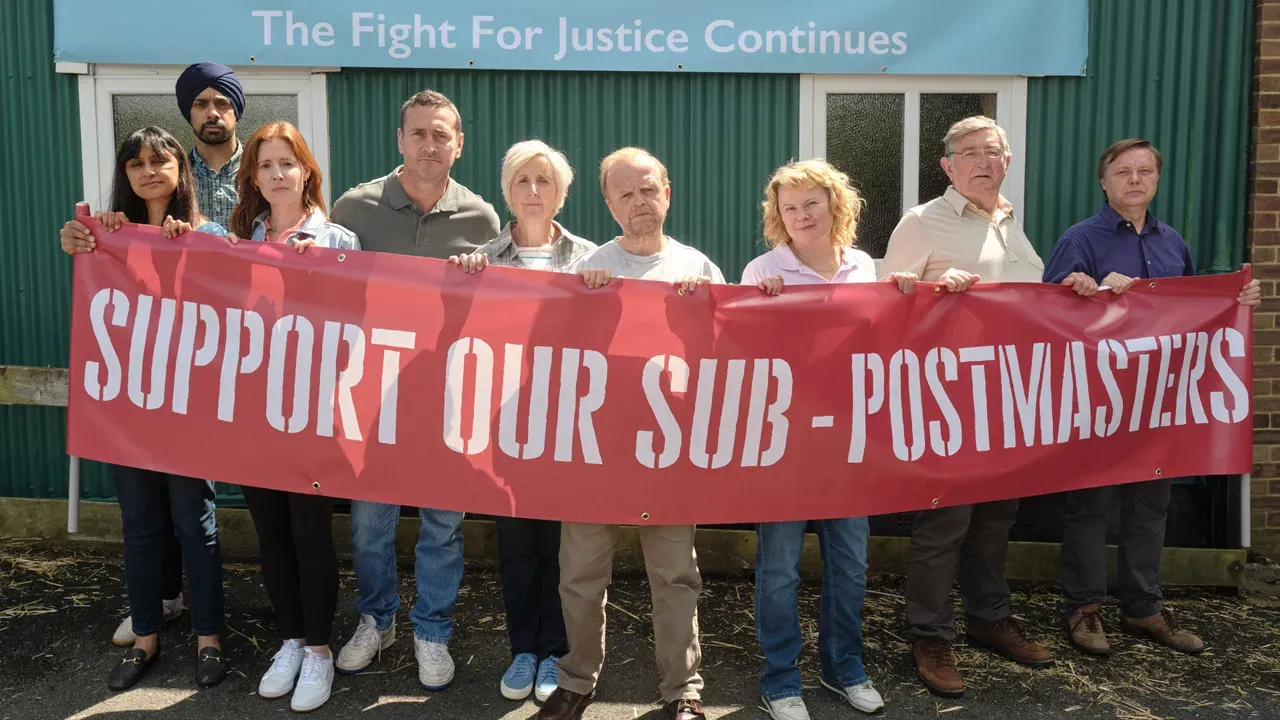 We have seen this pattern before. At the beginning of 2024, Mr Bates vs The Post Office told the story of hundreds of innocent sub-postmasters who were wrongly accused of theft because of faults in the Horizon IT system. For decades the Post Office had been one of the most trusted institutions in Britain, embedded in communities across the country and associated with reliability and public service. Yet behind that trust was a system that relentlessly pursued its own employees, prosecuting many of them for crimes they had not committed.
Families were devastated, livelihoods destroyed and reputations shattered. Some people went to prison. Others lost their homes. What made the story even harder to comprehend was that the organisation was led by someone who was also a minister of the church, a position normally associated with moral authority and compassion. Instead, the institution doubled down on its position for years, ignoring warnings and evidence while ordinary people paid the price.
The public reaction to the ITV drama was immediate and powerful. Millions watched the series, many encountering the story for the first time. The scale of the injustice suddenly became impossible to ignore. Political pressure intensified almost overnight and the government moved quickly to accelerate compensation and legal remedies for the victims. It was a rare example of television drama directly influencing national policy and forcing long-delayed action.
This is why stories like Dirty Business matter so much. Investigative journalism and official inquiries are essential for uncovering truth, but drama does something different. It translates complicated systemic failures into human stories that people can see, feel and understand. Instead of statistics and policy debates, audiences are confronted with characters who resemble neighbours, colleagues and family members. The consequences of institutional failure become deeply personal.
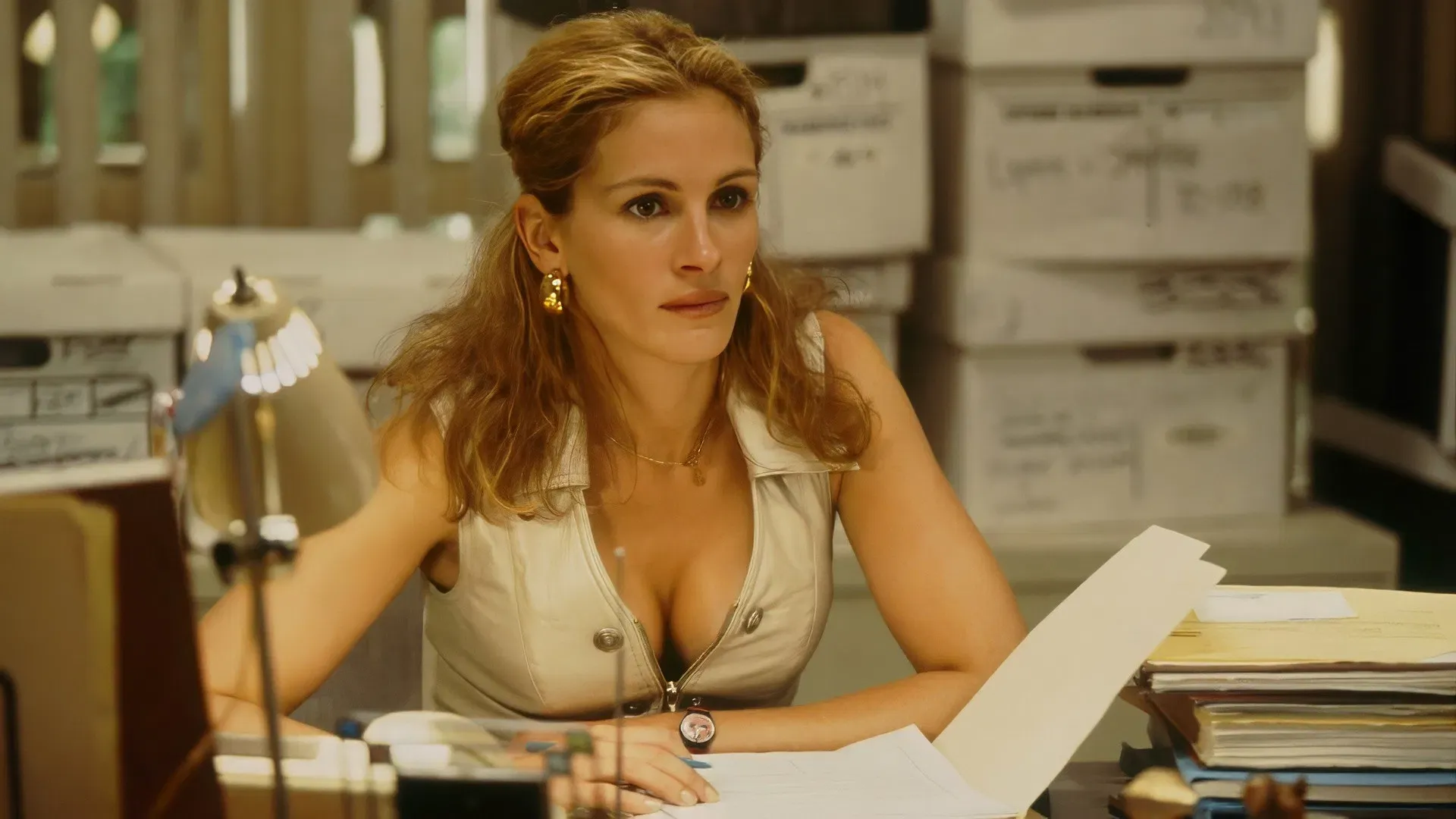 The power of this kind of storytelling is not limited to Britain. Some of the most memorable films in modern cinema have exposed the same uncomfortable reality: powerful institutions repeatedly place profit ahead of people. Erin Brockovich told the story of contaminated water and corporate cover-ups. The Rainmaker exposed insurance companies denying life-saving claims. The Big Short revealed how recklessness and greed pushed the global financial system to the brink.
In The Big Short, Mark Baum captures the uncomfortable truth behind many of these scandals. As the financial system begins to collapse around him, he delivers a line that echoes far beyond Wall Street:
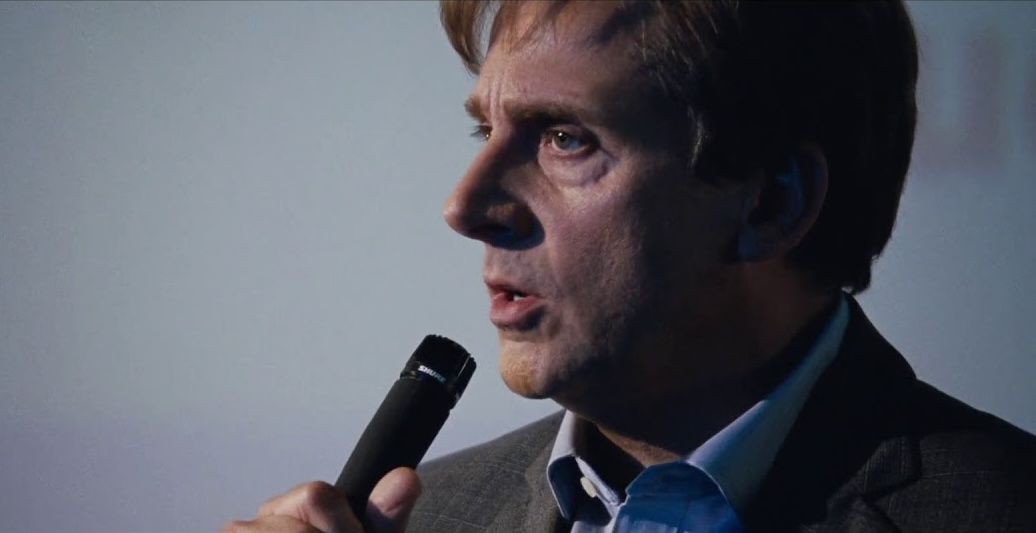 “And as fun as it is seeing pompous dumb Wall Streeters be wildly wrong… I just know that at the end of the day regular people are going to pay for all of this. Because they always, always do.” That line resonates because it reflects a pattern we recognise all too well. Again and again, when institutions fail or corporations behave recklessly, it is ordinary people who carry the consequences. They pay through polluted rivers, lost livelihoods, financial crises or years spent fighting to clear their names.
Stories like Dirty Business and Mr Bates vs The Post Office force us to confront that reality. They remind us that behind every scandal are real lives affected by decisions made in boardrooms, regulatory offices and government departments. Most importantly, they demonstrate that public awareness still has the power to drive change when enough people understand what has happened.
At Recce we want to build a community that ensures stories like these reach the widest possible audience. Because when powerful storytelling spreads far enough, it does more than entertain. Sometimes it shines a light so bright that those responsible can no longer hide from it.
Jim Irving
Author