Five Animated Films Every Kid Should Experience (and Adults Too)
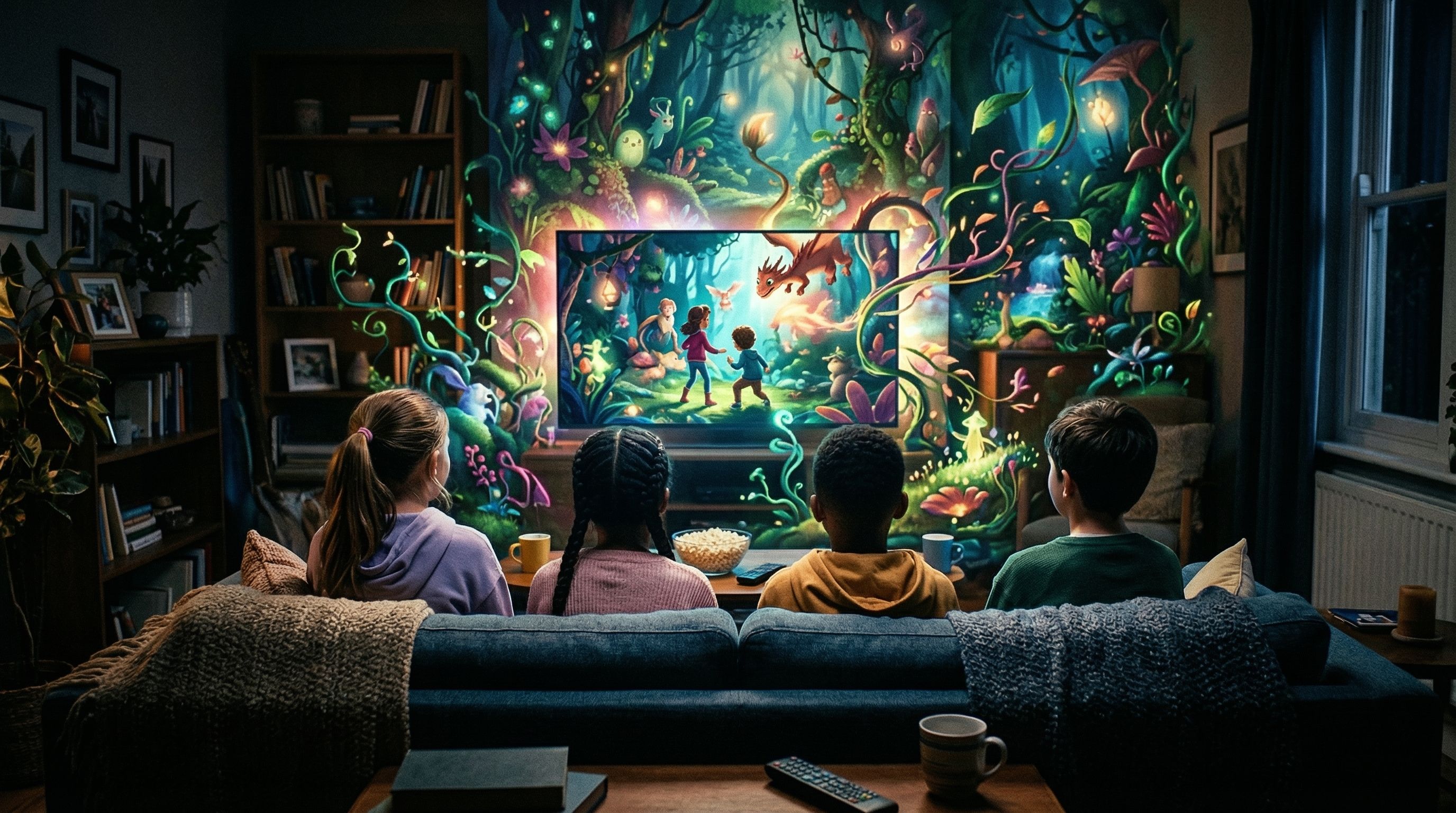
Animated films sometimes get treated like colourful babysitters. Bright visuals, catchy songs and something to keep the kids occupied for 90 minutes. But the very best animated movies do something far more interesting than that. They slip big ideas, emotional intelligence and genuine storytelling into worlds filled with robots, dinosaurs and spirits. Kids come for the adventure, the humour and the imagination. Adults often discover that beneath the colour and spectacle there are thoughtful stories about resilience, family, identity and growing up. If you are building a watchlist for younger viewers, or just looking for a reason to revisit some classics yourself, these five films stand out as animated stories that stay with people long after the credits roll.
WALL-E
2008, Director: Andrew Stanton
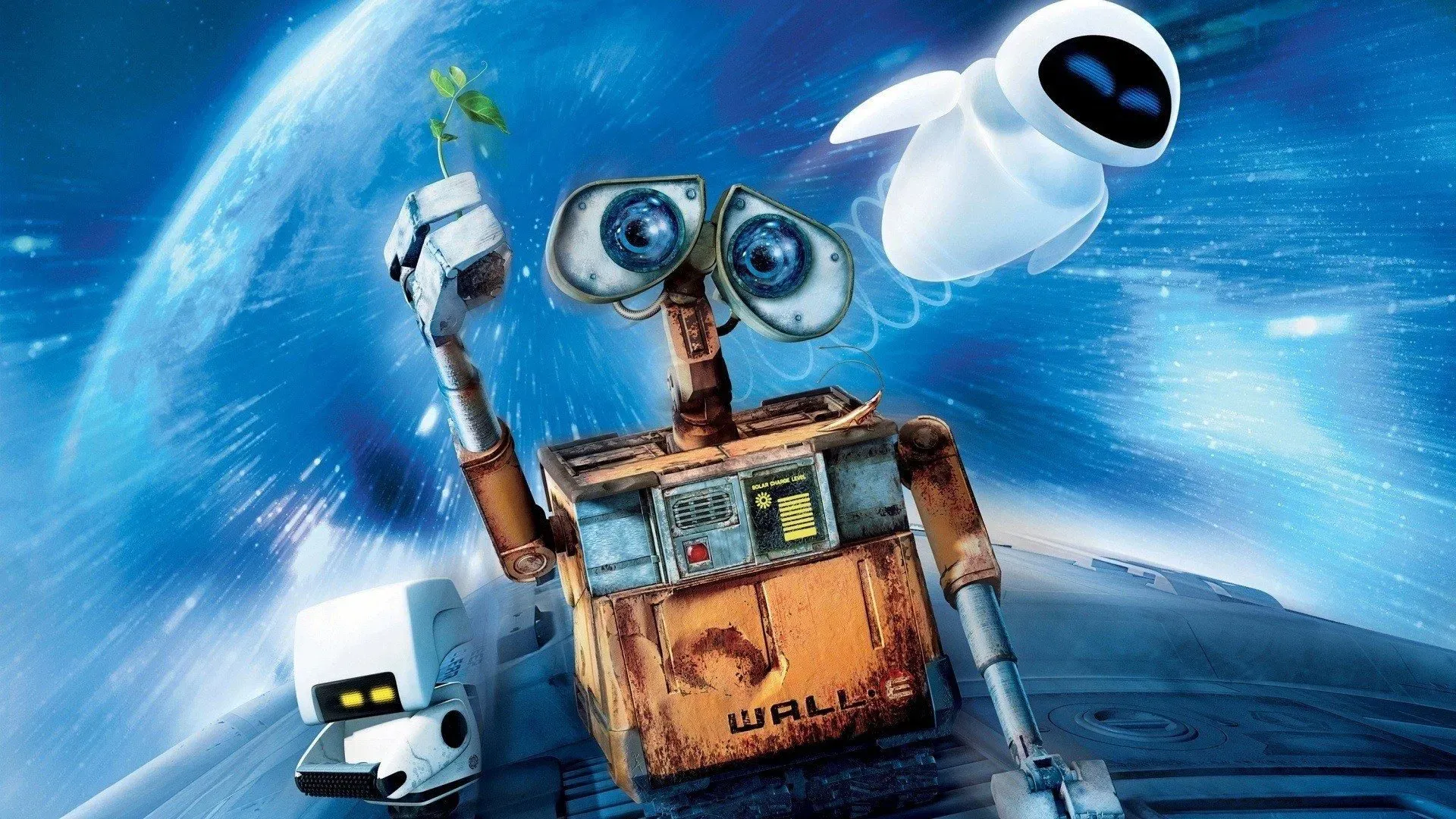 Few films demonstrate the power of visual storytelling as beautifully as WALL-E. The opening section of the film is almost completely silent as a lonely robot moves slowly through a deserted Earth, tidying up the mountains of rubbish humanity has left behind. Without speeches or explanation the story becomes immediately clear. The world is broken, but this small determined robot simply keeps going. Children understand the situation instinctively because the storytelling trusts the images rather than dialogue. When EVE eventually arrives the film opens up into something surprisingly romantic and hopeful, showing how connection can exist even between two machines. At the same time the environmental message lands naturally through the imagery rather than through lectures or moralising. It becomes a story about responsibility, curiosity and optimism for the future, all wrapped in one of Pixar’s most charming characters.
The Good Dinosaur
2015, Director: Peter Sohn
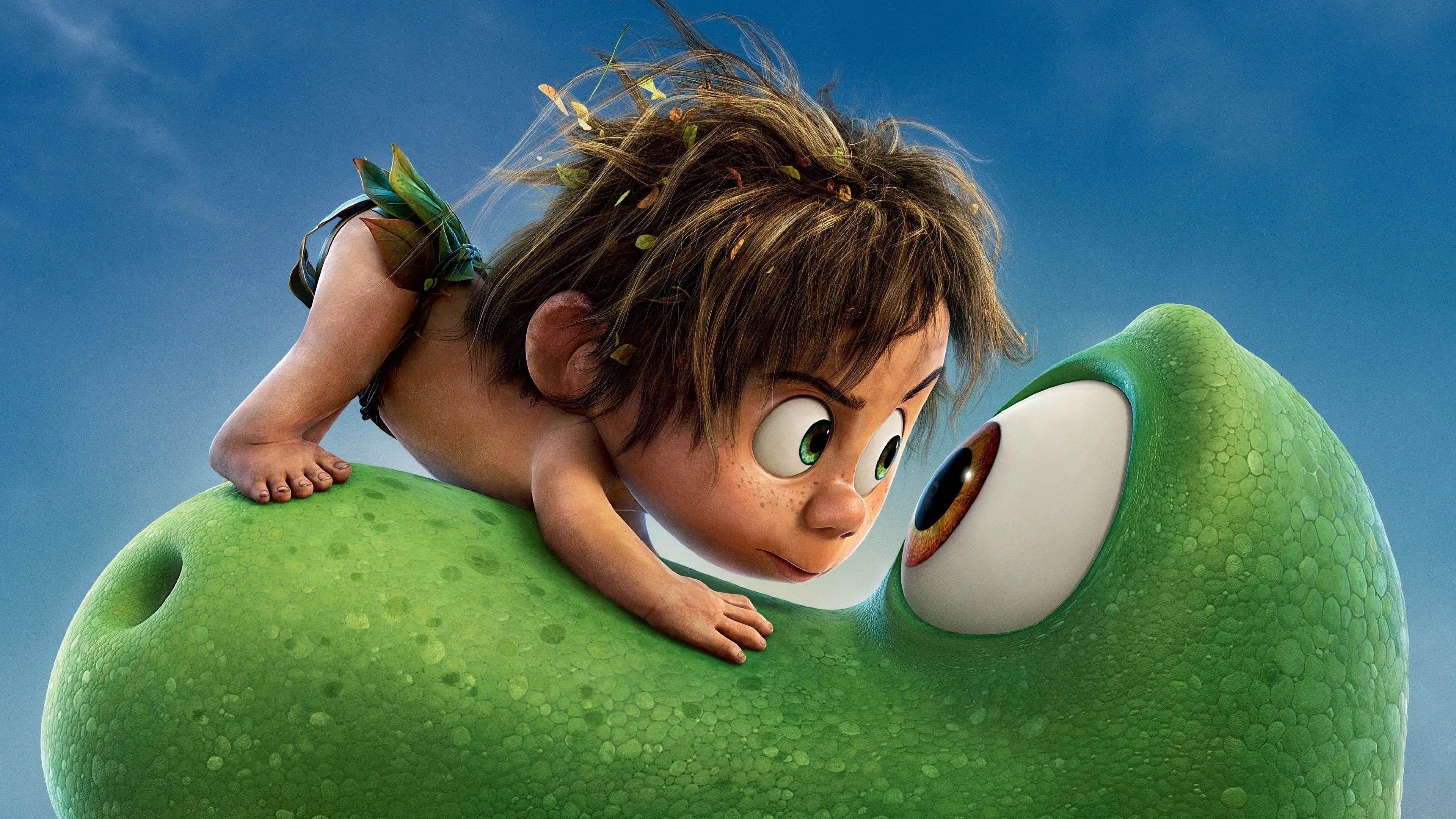 The Good Dinosaur never achieved the cultural attention of some other Pixar films, but it remains one of the studio’s most emotionally honest pieces of storytelling. The film follows Arlo, a nervous young dinosaur who becomes separated from his family and must find his way home across a vast and unfamiliar landscape. What makes the story powerful is that it does not pretend the journey will be easy. Arlo experiences fear, grief and confusion in ways that feel authentic rather than softened for younger audiences. Children recognise those feelings because they mirror the real challenges of growing up. Along the way Arlo forms an unlikely friendship with a wild human child called Spot and their bond becomes the emotional centre of the film. Visually the movie is striking as well, pairing incredibly realistic natural environments with stylised animated characters in a way that makes the world feel both epic and intimate at the same time.
Inside Out
2105, Director: Pete Docter
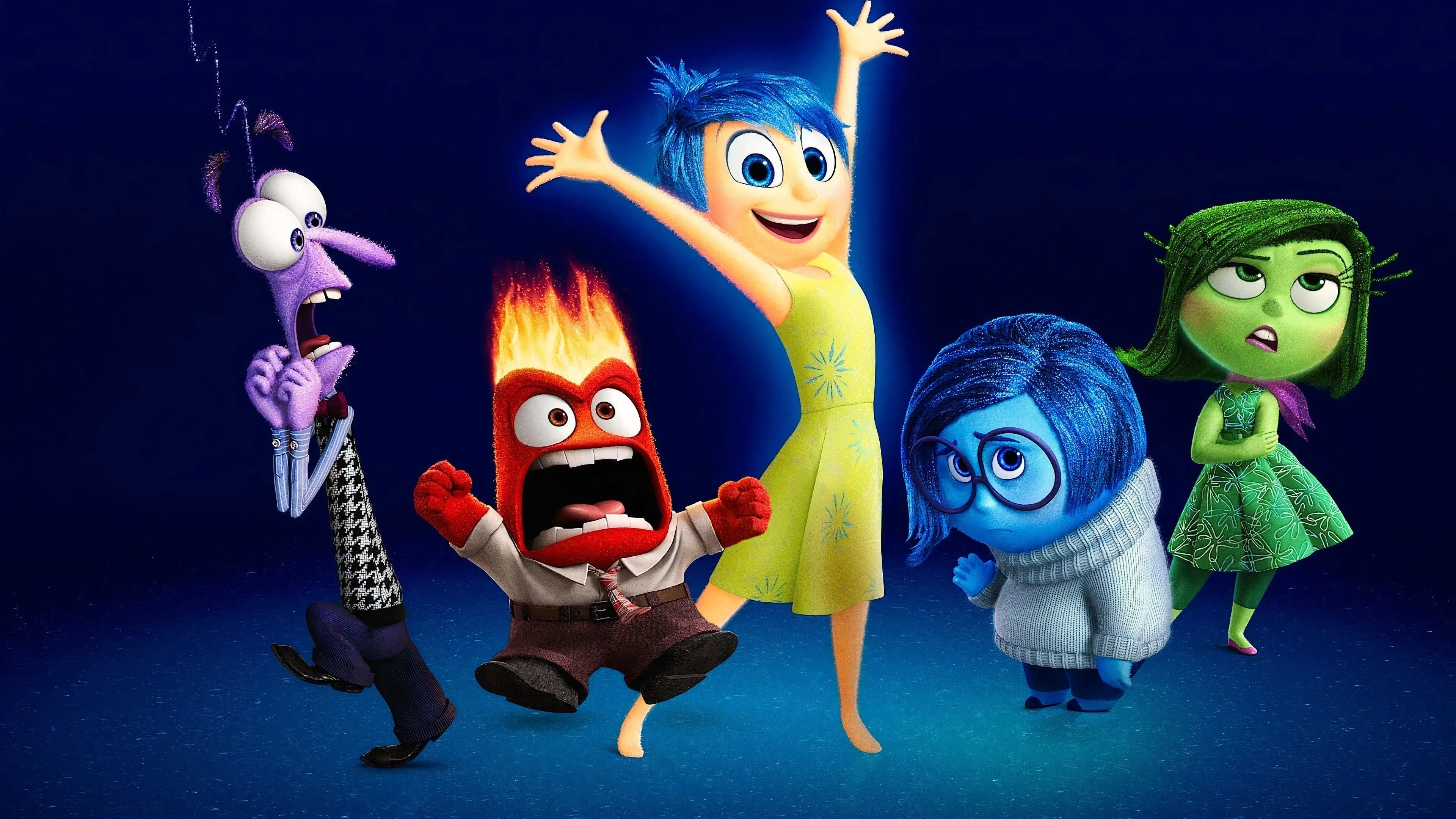 Few animated films have changed the way children understand their emotions as much as Inside Out. By turning feelings into characters such as Joy, Sadness, Anger, Fear and Disgust, the story creates a simple framework that helps children recognise what is happening inside their own minds. The narrative follows a young girl called Riley as she struggles to adjust to a major life change, and the emotional chaos inside her head becomes the film’s central adventure. What makes the film particularly important is its central discovery that sadness is not something to eliminate or avoid. Instead sadness plays a vital role in helping people process change and connect with others. That idea quietly challenges the common message that people should always try to stay positive. The result is a film that manages to be funny, imaginative and emotionally insightful while also giving families a language for talking about feelings in everyday life.
Coco
2017, Director: Lee Unkrich
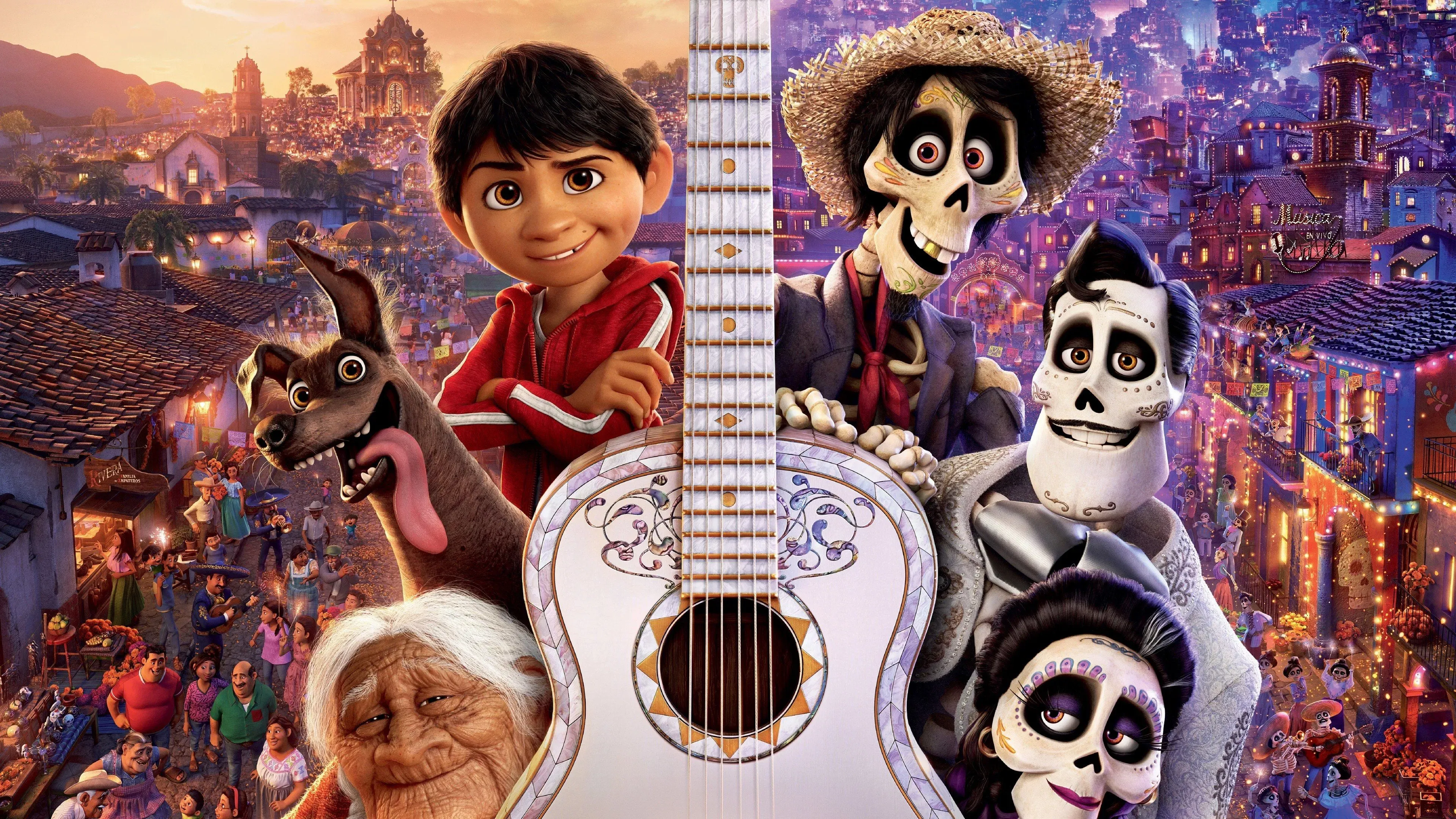 Coco is a vibrant celebration of music, memory and family that introduces audiences to Mexican culture through the traditions of Día de los Muertos. The story follows Miguel, a young boy who dreams of becoming a musician despite the fact that music has been banned within his family for generations. His journey leads him into the colourful and imaginative Land of the Dead where he discovers long buried family stories and begins to understand where he truly belongs. The film explores the tension that many young people feel between following their dreams and honouring their family roots. What makes the story resonate so deeply is its central idea that the people we love never truly disappear as long as they are remembered. The animation bursts with colour and energy while the music carries the emotional heart of the story, creating a film that manages to be joyful, moving and culturally rich at the same time.
Spirited Away
2001, Director: Hayao Miyazaki
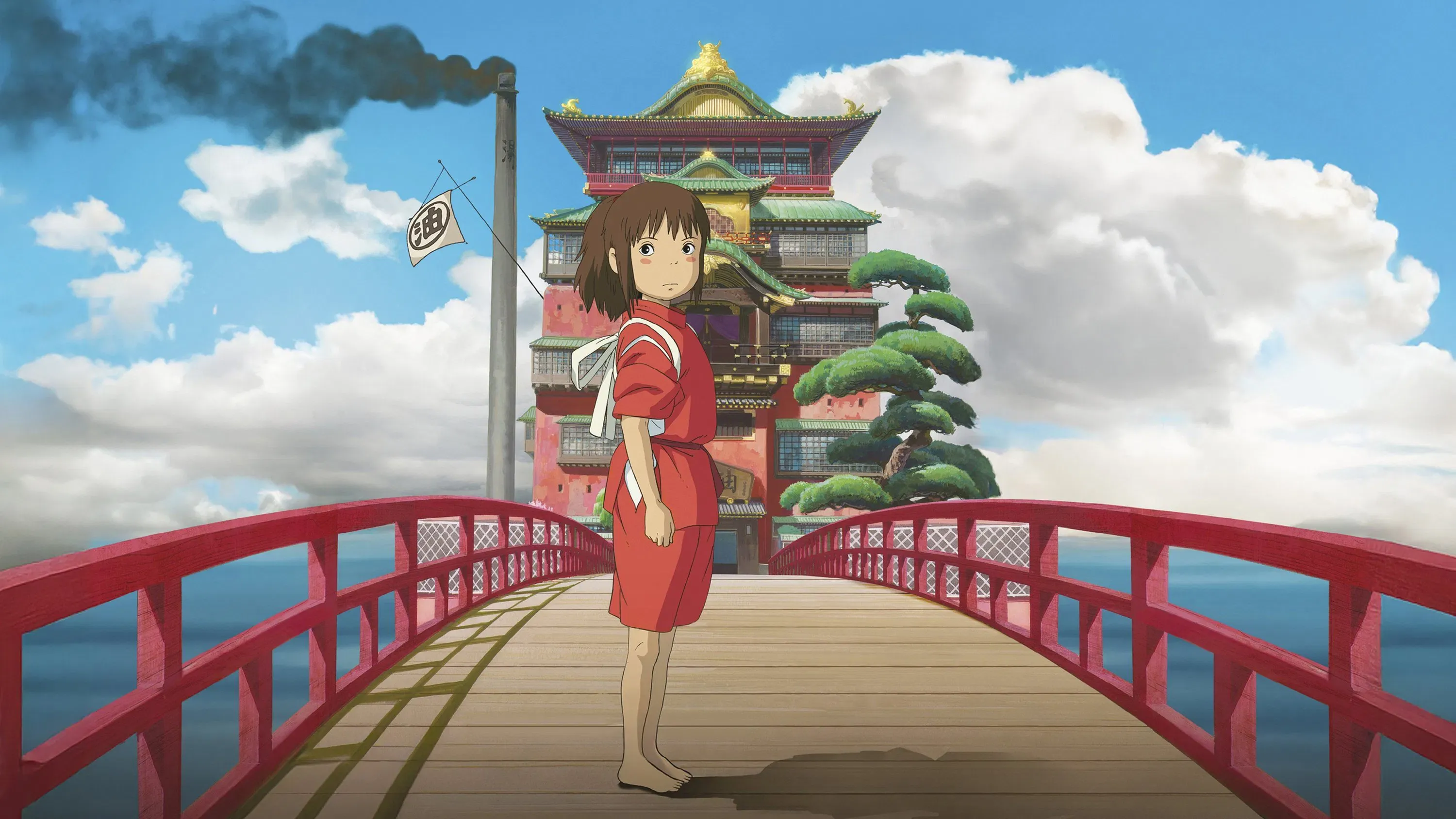 Spirited Away, directed by the legendary Hayao Miyazaki, shows how comfortable children can be with strange and imaginative storytelling when a film fully trusts its audience. The story begins when a young girl called Chihiro wanders into a mysterious spirit world where her parents are transformed into pigs and she must work in a magical bathhouse run by powerful spirits in order to survive. The world she enters is surreal and unpredictable, filled with creatures and rules that are never fully explained. Instead of simplifying the story, the film allows the mystery to exist and invites the audience to experience the world through Chihiro’s eyes. Over time she transforms from a frightened child into someone capable, brave and resourceful, not because she suddenly becomes fearless but because the challenges she faces force her to grow. The hand drawn animation is breathtaking and the imaginative world building remains one of the most beautiful achievements in modern animation.
The best animated films respect their audience, particularly younger viewers. Children do not need stories to be simplified or diluted. They respond to imagination, emotional honesty and characters who experience real challenges. These films entertain, but they also leave something behind. They encourage curiosity, empathy and resilience while reminding audiences that storytelling can be both playful and profound. When animation reaches this level it stops being just something for children and becomes something that families return to again and again.
Stalingrad Dollosa
Author