HBO: The Hit Factory
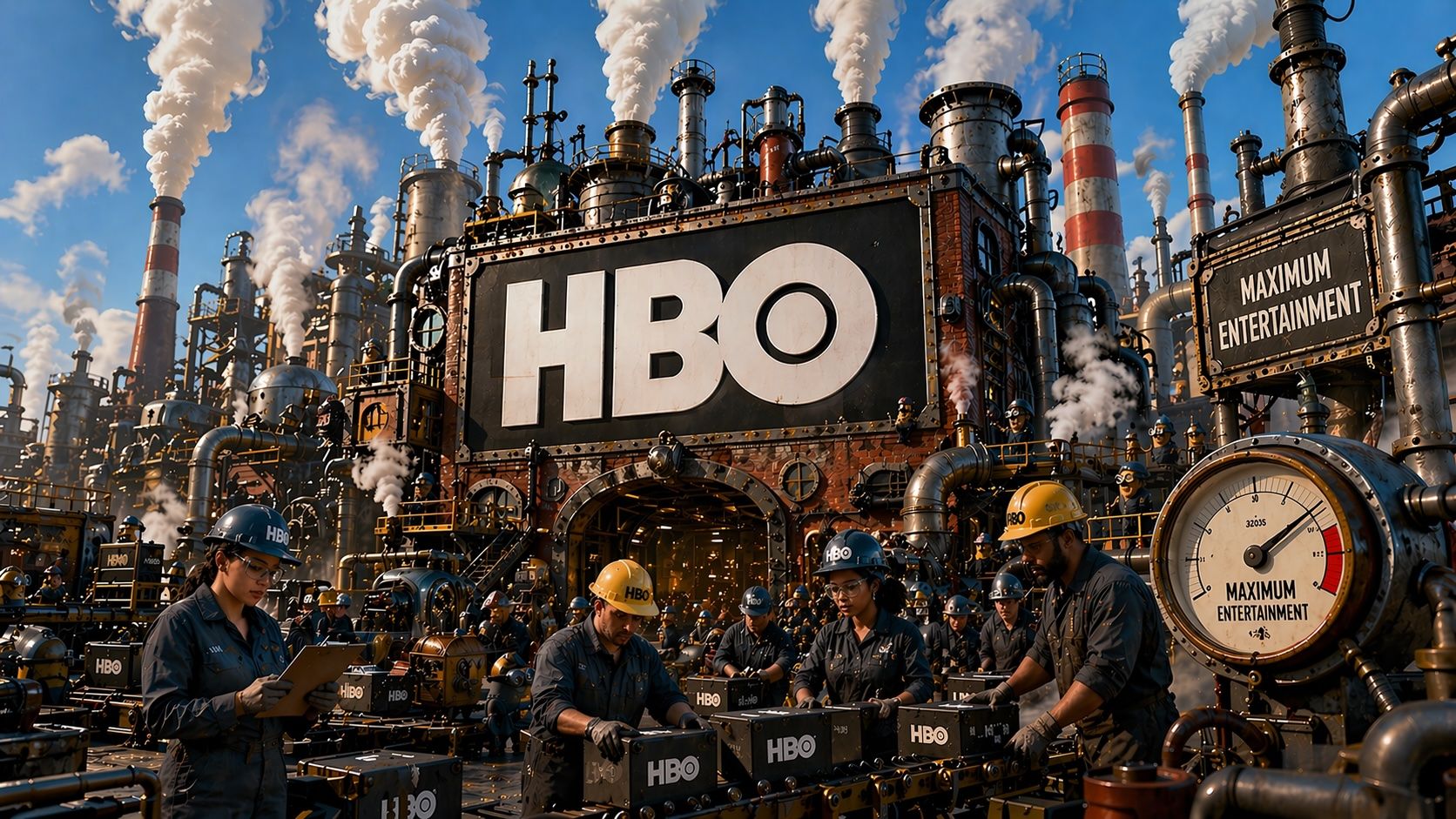
Long before “prestige TV” became a phrase people threw around casually, HBO was building a catalogue of shows that would go on to define entire eras of storytelling. What follows is a chronological journey through its most important series, each one marking a shift in tone, ambition, or cultural impact.
It begins with Oz in 1997, the show that arguably lit the fuse. Raw, brutal, and unflinching, Oz took viewers inside a maximum-security prison with a level of realism that network television simply wouldn’t touch at the time. It wasn’t always easy to watch, but that was the point. HBO was staking its claim as a place where creative risks weren’t just allowed, they were expected.
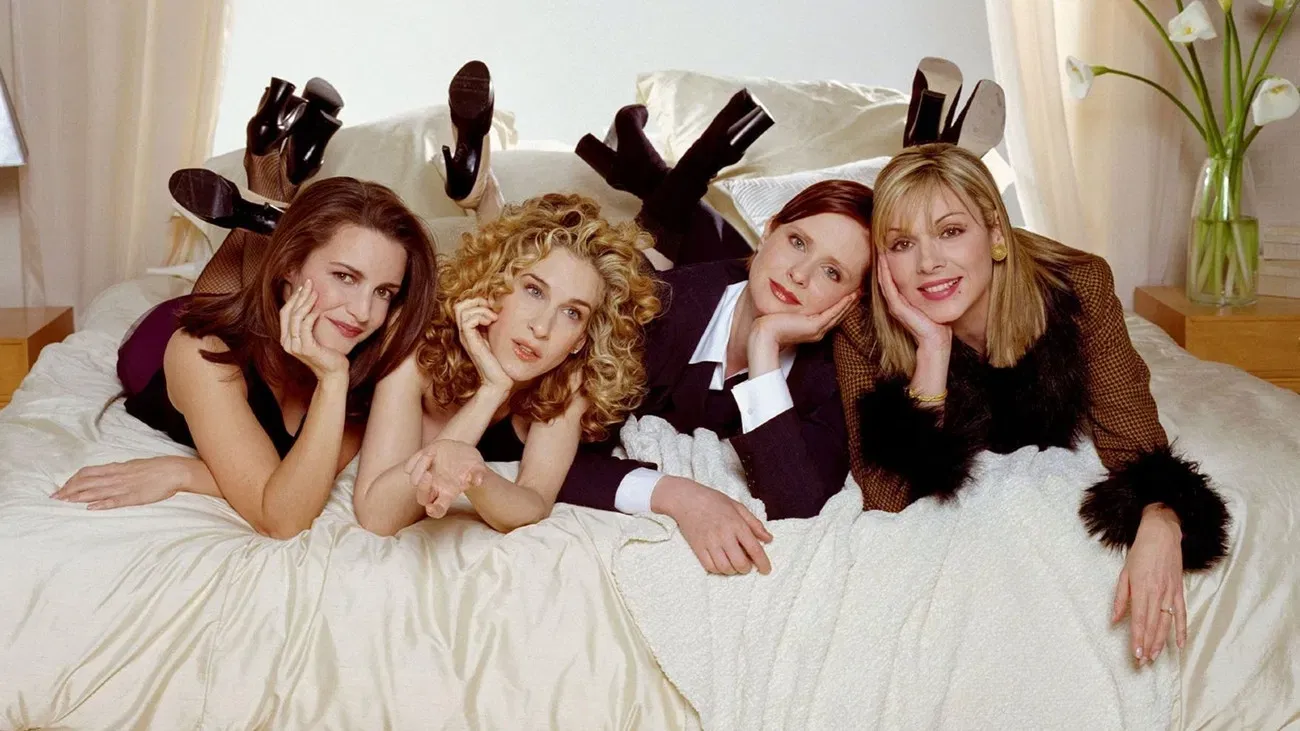 A year later came Sex and the City, which could not have been more different in tone but was just as groundbreaking. Set against the backdrop of New York, it explored relationships, careers, and friendship with a frankness that felt revolutionary. It became a cultural phenomenon, influencing fashion, conversation, and the portrayal of women on television for years to come.
Then, in 1999, everything changed with The Sopranos. This was the moment HBO truly altered the trajectory of television. Tony Soprano wasn’t just a mob boss; he was a deeply complex anti-hero juggling crime, family, and therapy. The show blurred the lines between cinema and television, raising expectations around writing, performance, and production values. You can draw a straight line from The Sopranos to almost every prestige drama that followed.
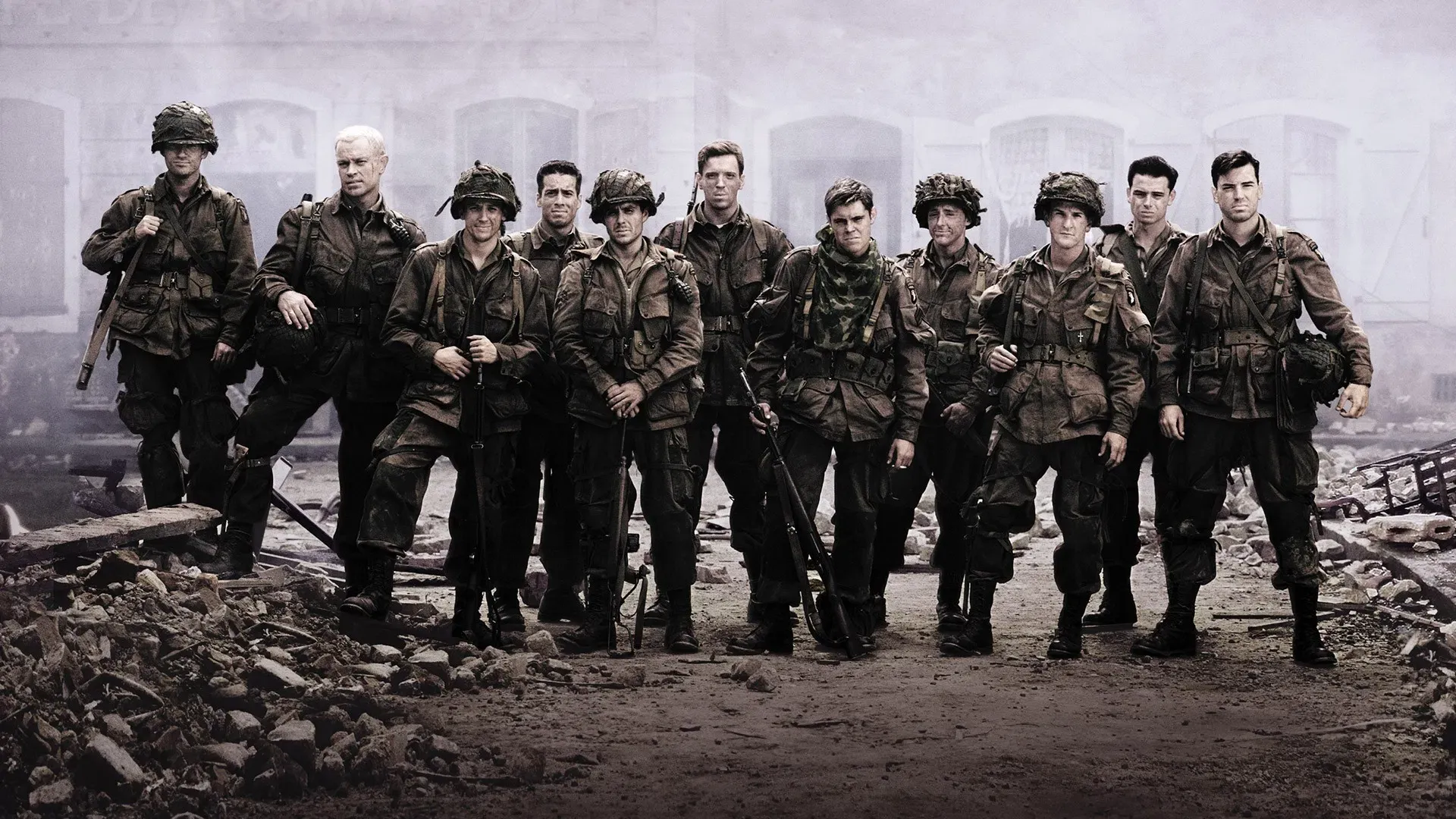 HBO doubled down on ambition in 2001 with Band of Brothers. Produced by Steven Spielberg and Tom Hanks, it delivered a cinematic portrayal of World War II that felt both epic and intensely personal. It proved that television could handle scale without losing emotional depth, setting a new benchmark for limited series.
That same appetite for depth carried into The Wire in 2002. Rather than focusing solely on cops and criminals, The Wire examined entire systems, from law enforcement to politics to education. It demanded patience but rewarded it with one of the most nuanced portrayals of urban life ever put on screen. Over time, it has come to be regarded as one of the most important shows ever made.
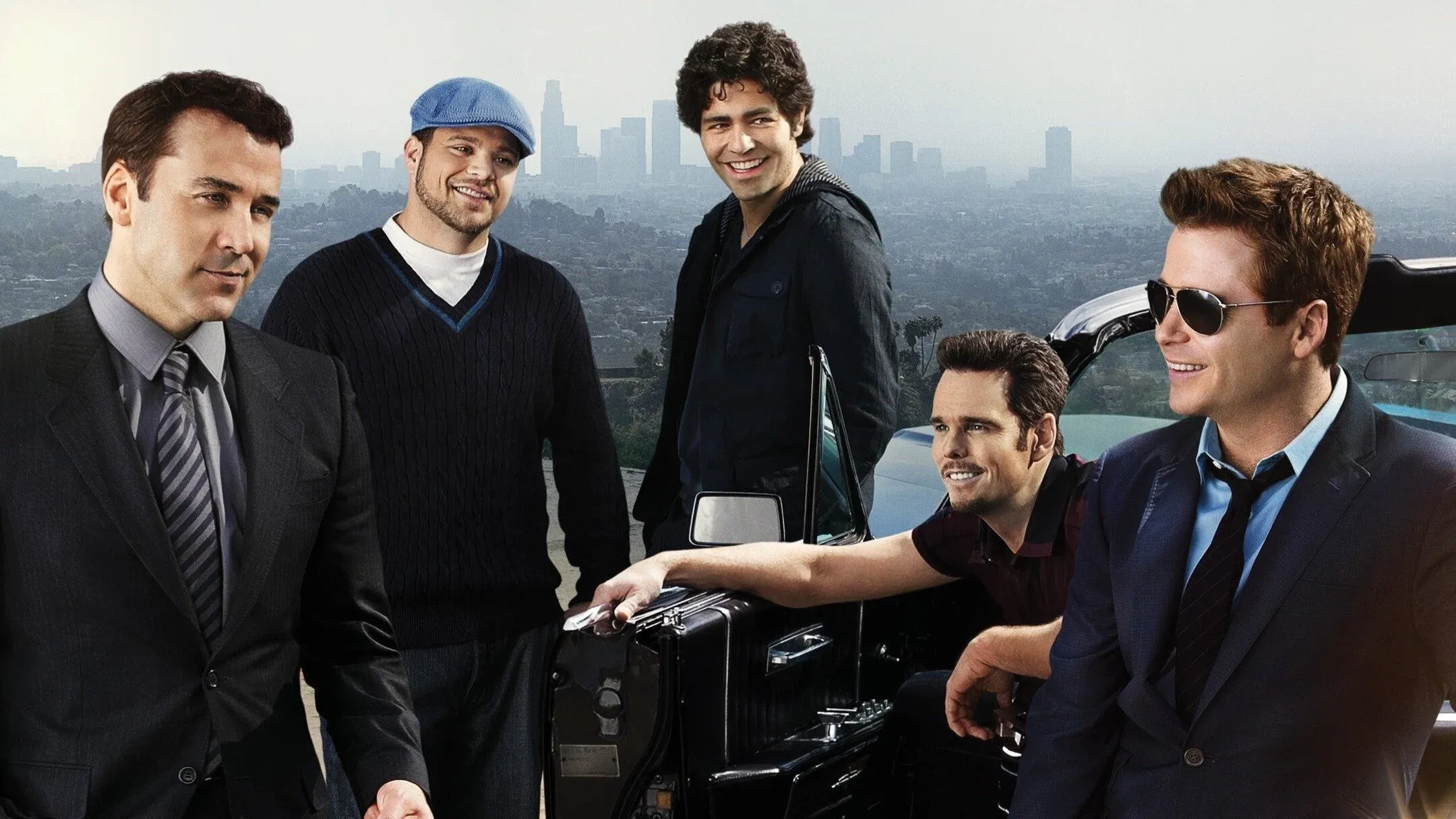 In 2004, HBO shifted gears with Entourage, a glossy, fast-moving look at Hollywood through the eyes of a rising movie star and his inner circle. It captured a moment in pop culture where celebrity, access, and aspiration collided, offering a lighter but still compelling contrast to the heavier dramas.
A year later, Rome (often overlooked in the conversation) and then Big Love continued HBO’s willingness to explore unconventional stories, but it was Six Feet Under, which ran through the early 2000s, that quietly delivered one of the most emotionally resonant experiences. Centered on a family-run funeral home, it tackled life, death, and everything in between with remarkable honesty, culminating in one of the most celebrated finales in television history.
The late 2000s brought True Blood, a bold, stylised take on vampires that mixed genre storytelling with social commentary. It was pulpy, provocative, and hugely popular, showing HBO could do mainstream hits without losing its edge.
In 2010, Boardwalk Empire arrived, blending historical drama with gangster storytelling. With cinematic production and a commanding performance from Steve Buscemi, it reinforced HBO’s reputation for scale and craftsmanship.
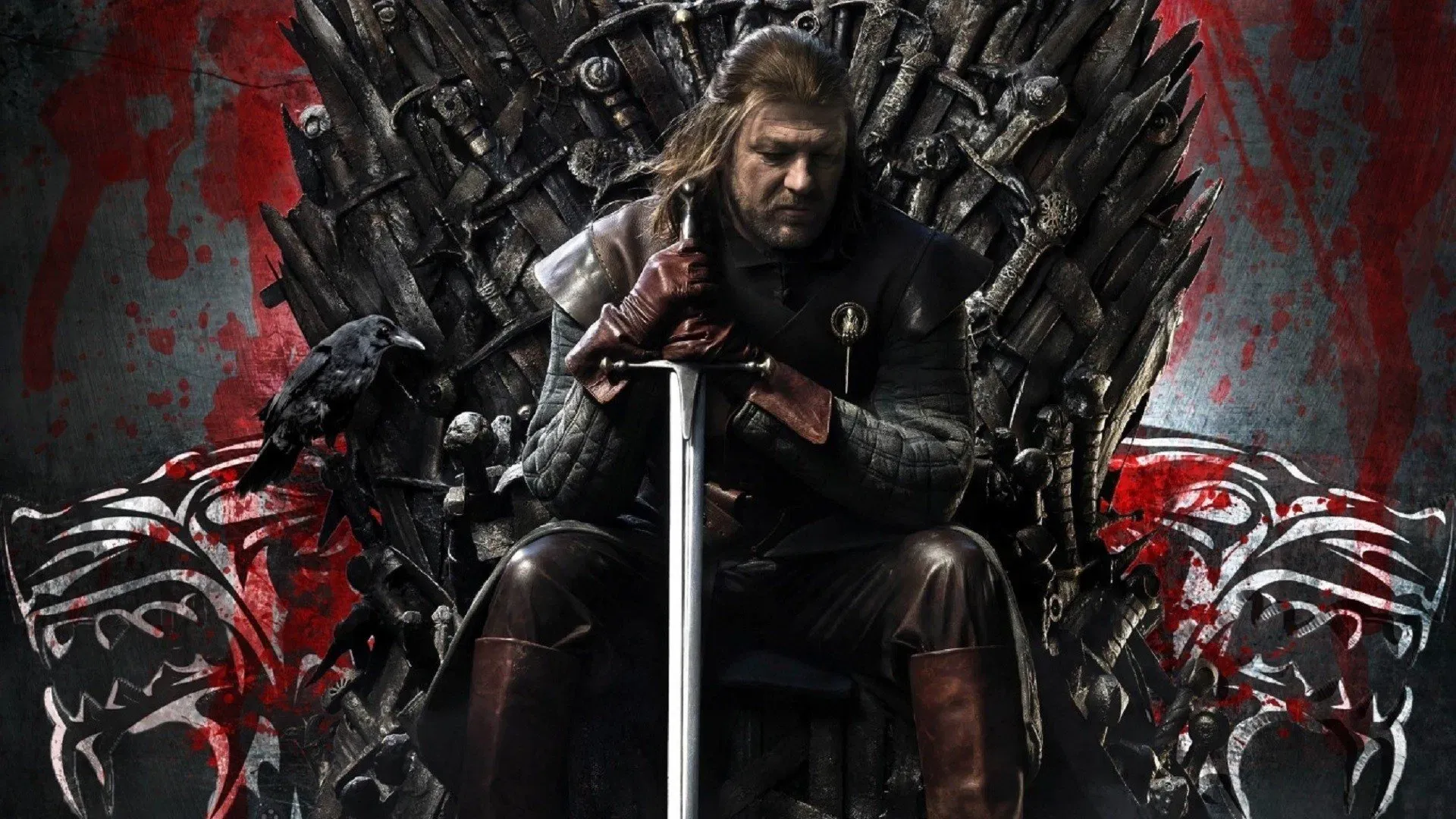 Then came 2011 and Game of Thrones. This wasn’t just a hit, it was a global phenomenon. Dragons, political intrigue, shocking twists, and a constantly expanding world combined to create appointment television on a scale rarely seen. For nearly a decade, Game of Thrones dominated conversation and proved that fantasy could sit at the very centre of mainstream culture.
In 2012, HBO delivered two very different but equally significant shows. Veep brought razor-sharp comedy and relentless pacing to the world of politics, with Julia Louis-Dreyfus delivering one of the great comedic performances. At the same time, Girls offered a raw, uncomfortable, and often divisive portrait of millennial life, capturing a voice and perspective that felt entirely new.
By 2014, HBO was experimenting with structure through True Detective. Its first season, in particular, became iconic, blending philosophical writing with haunting visuals and powerhouse performances. It showed that anthology storytelling could feel just as compelling and cinematic as long-running series.
The late 2010s saw HBO refine its ability to deliver tightly constructed, star-led dramas. Big Little Lies in 2017 combined a high-profile cast with a gripping narrative about secrets and relationships, becoming both a ratings success and an awards magnet.
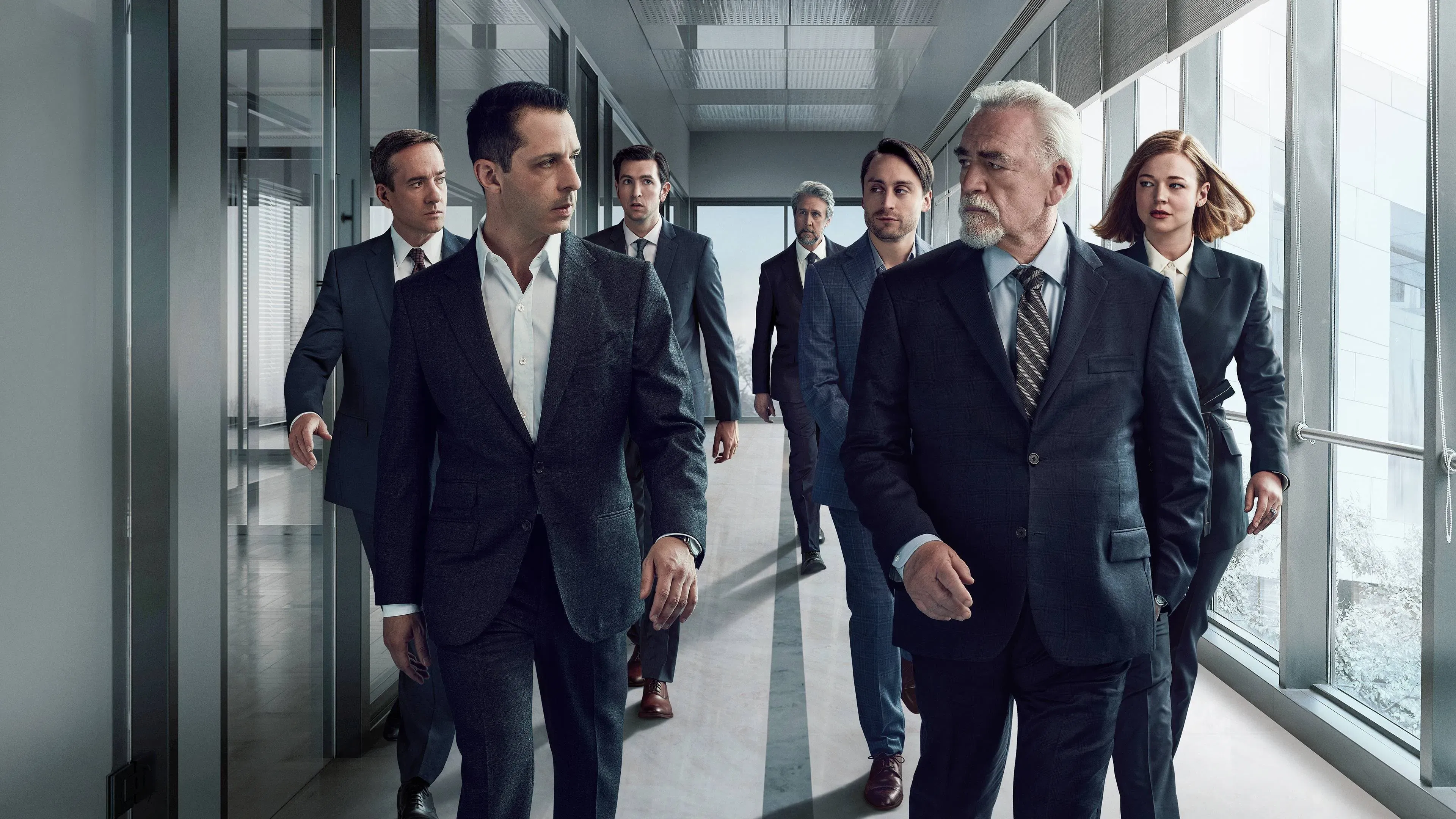 In 2018, Succession arrived and quickly established itself as one of the defining shows of its era. Following the dysfunctional Roy family, it blended biting satire with Shakespearean drama. Its dialogue, performances, and cultural relevance turned it into a phenomenon that felt both timely and timeless.
HBO returned to the limited series format with devastating effect in 2019 through Chernobyl. Stark, terrifying, and meticulously crafted, it told the story of the nuclear disaster with a focus on human error and institutional failure. It was a reminder of how powerful television can be when it leans into truth.
That same year also saw the rise of Euphoria, a visually striking and emotionally intense exploration of youth, identity, and addiction. Led by Zendaya, it connected with a new generation while pushing boundaries in style and storytelling.
In 2021, Mare of Easttown captured audiences with a grounded, character-driven mystery anchored by Kate Winslet. It proved that even in an era saturated with crime dramas, there was still room for something that felt authentic and deeply human.
HBO also began expanding its biggest universe with House of the Dragon in 2022. Rather than simply replicating Game of Thrones, it focused on a more contained, character-driven story of power and family, showing that the world still had plenty to offer.
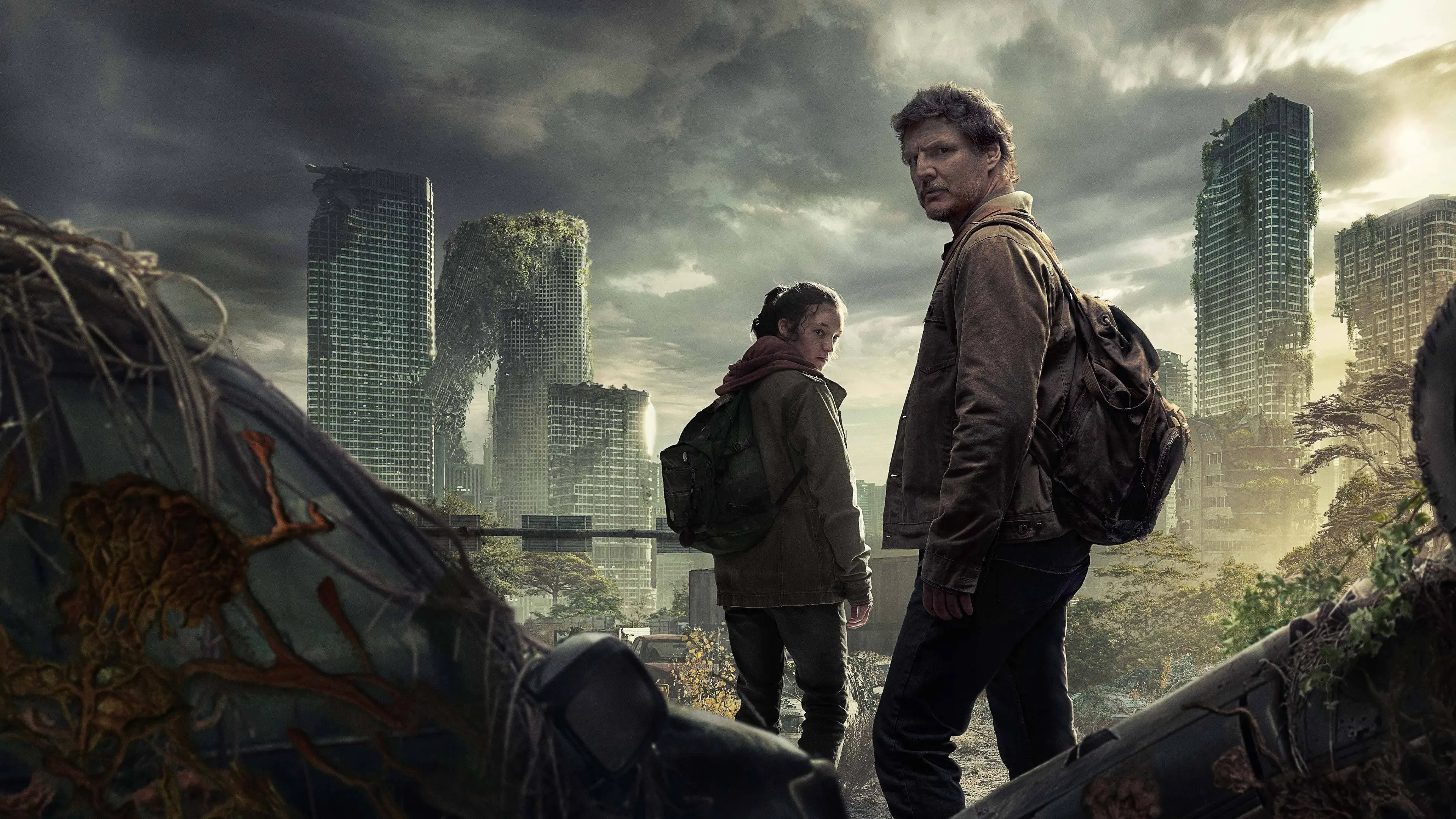 Most recently, The Last of Us in 2023 demonstrated HBO’s continued ability to adapt major properties without losing emotional depth. Based on the acclaimed video game, it delivered a story that was as much about human connection as it was about survival, resonating with both fans and newcomers.
Looking across this timeline, what stands out isn’t just the number of hits, it’s the consistency of reinvention. From the raw intensity of Oz to the global scale of Game of Thrones and the emotional precision of The Last of Us, HBO has repeatedly found new ways to tell stories that matter. It hasn’t followed trends. It has created them.
Jim Irving
Author