Hidden Gems #001: Breakdown: 1975
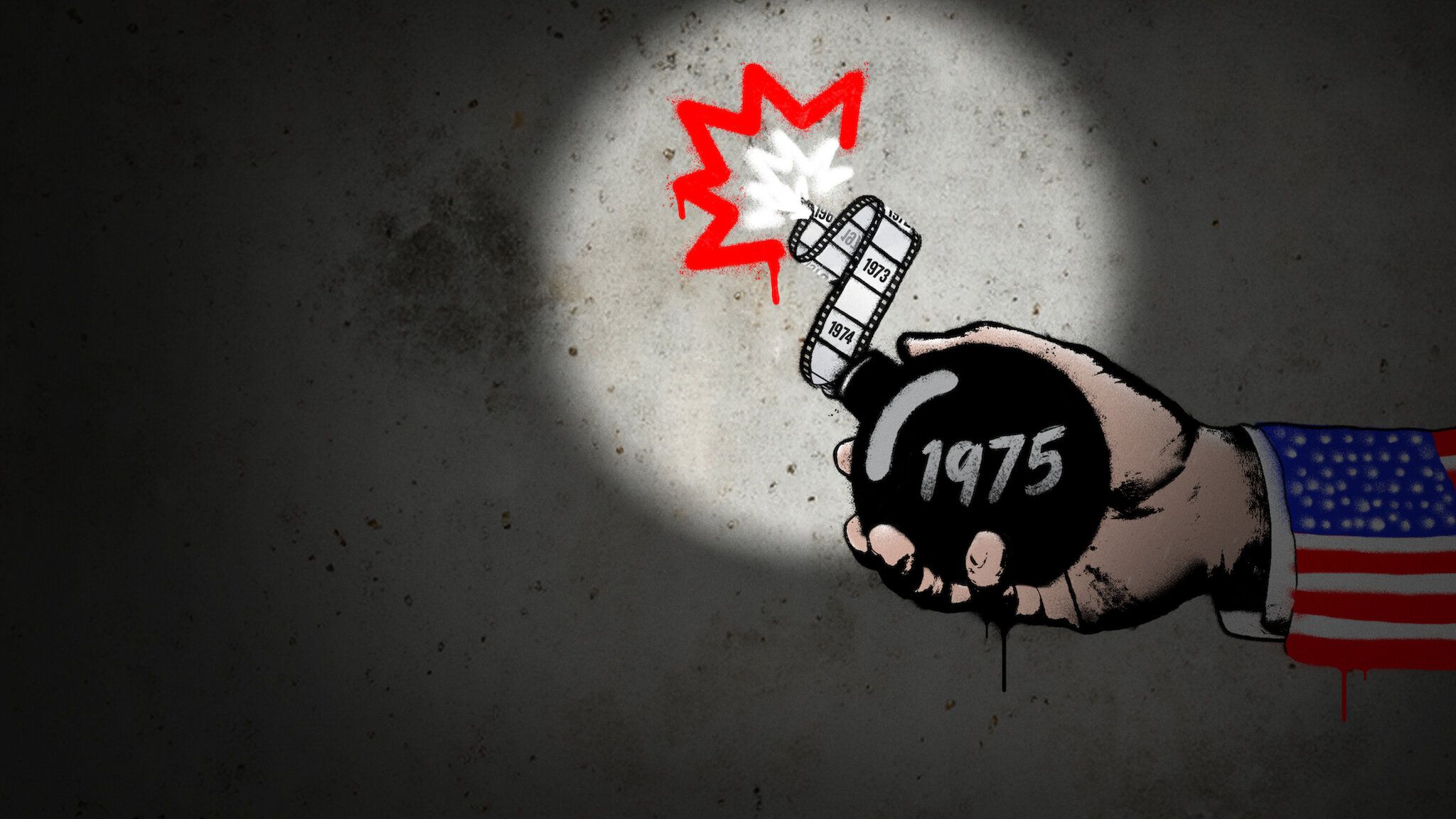
Every so often, cinema hits a fault line, a moment when Hollywood accidentally changed everything. Not a gentle shift, not a tidy movement you can label in hindsight, but a creative rupture where everything suddenly felt possible at once. Breakdown: 1975 captures one of those rare moments with clarity, confidence, and just enough hindsight to make it sting. This feature-length documentary launches Recce’s Hidden Gems section.
On paper, the concept is deceptively simple: focus on a short, volatile period in Hollywood history and ask a dangerous question - What happens when studios briefly stop playing it safe? The answer, as Breakdown: 1975 makes abundantly clear, is an explosion of ambition, contradiction, and creative freedom that reshaped modern cinema, often by accident.
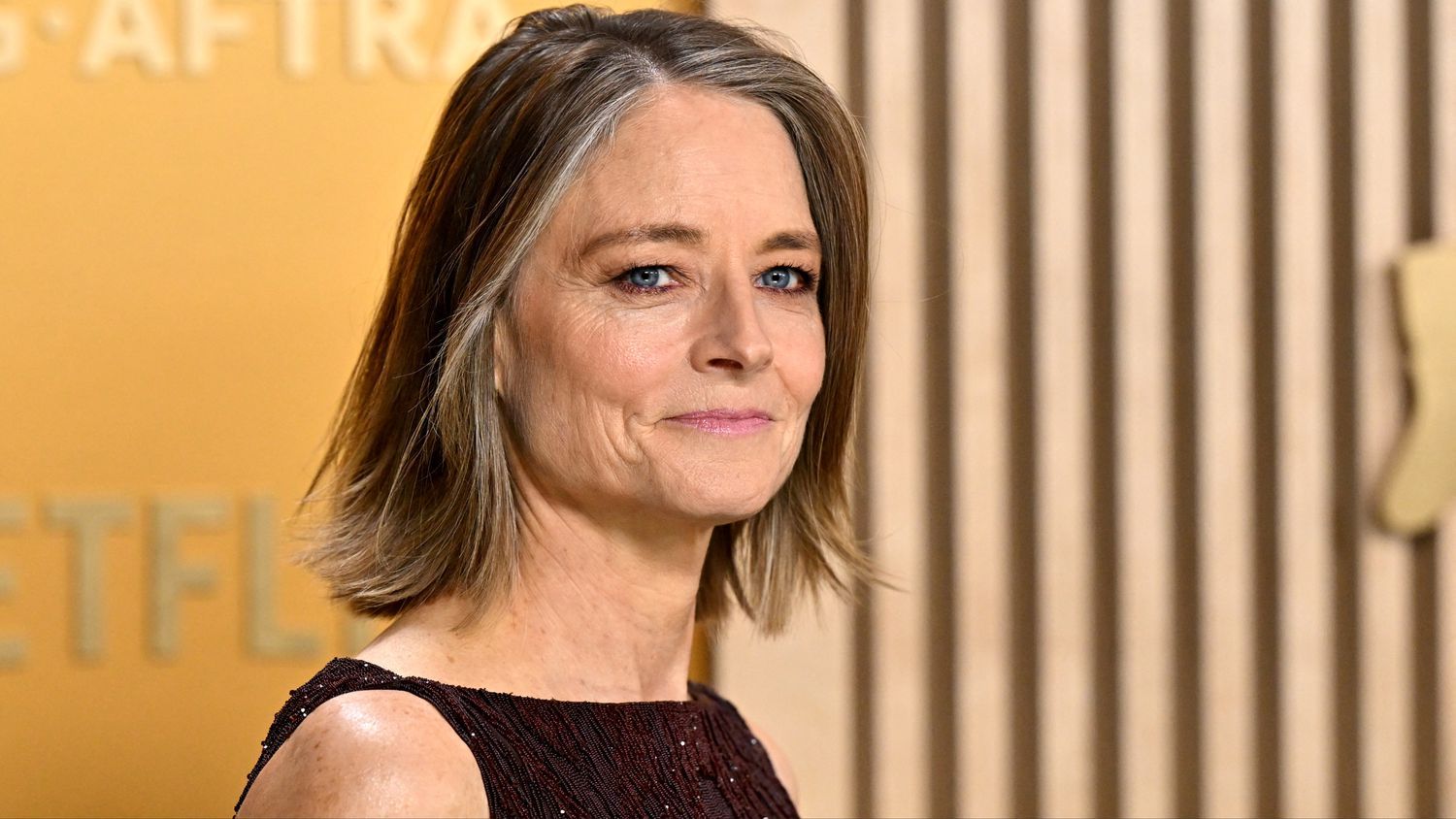 What immediately elevates the documentary is its voice. Jodie Foster’s narration doesn’t just guide the story, it binds it together. Calm, authoritative, and quietly reflective, her delivery acts as connective tissue between films, movements, and memories. It gives the documentary rhythm and perspective, grounding the chaos of the era without smoothing over its edges. The result feels less like a lecture and more like a guided journey through a year that refused to sit still.
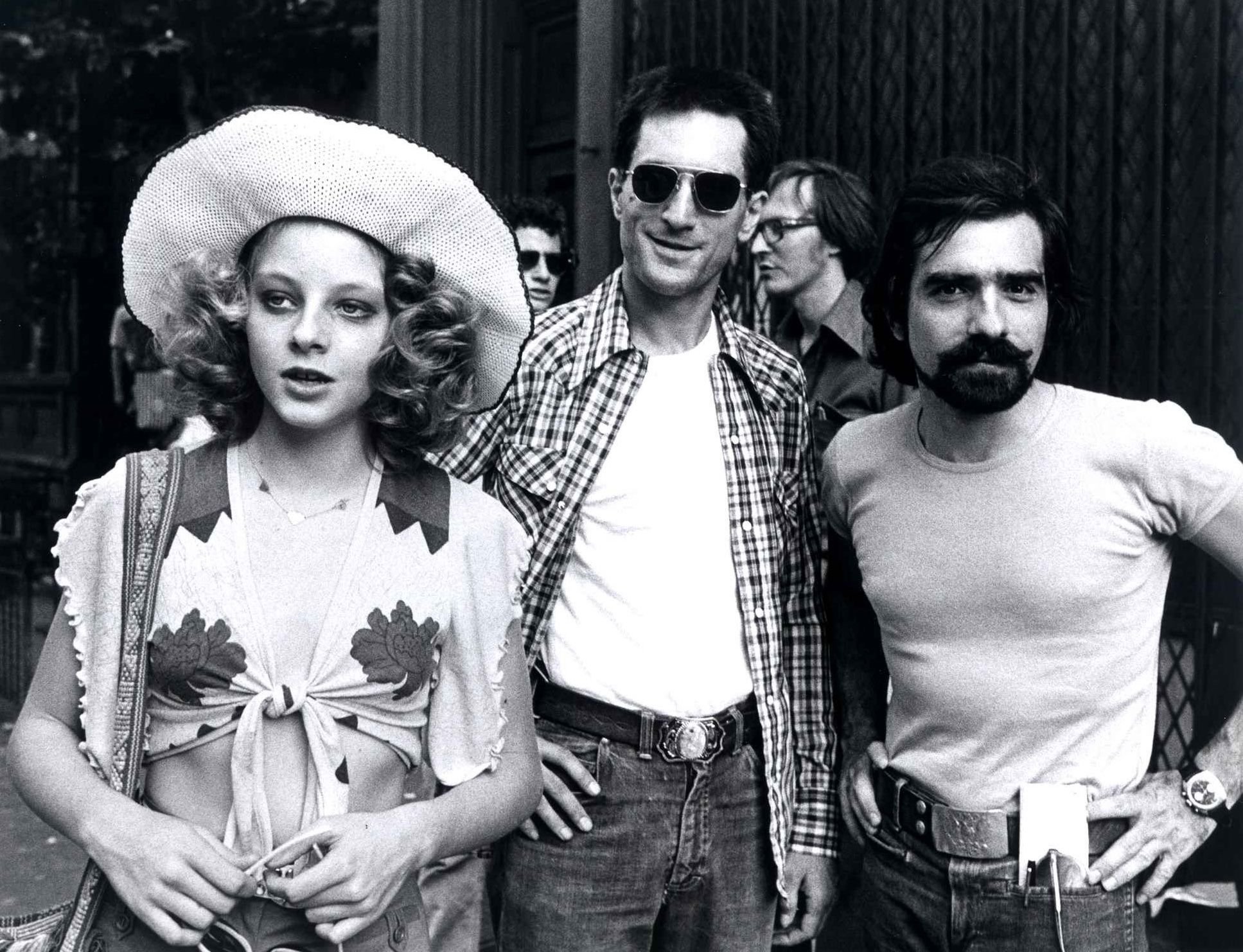 What elevates Breakdown: 1975 even further is the access. This isn’t stitched together from archive clips and polite talking heads. Instead, it pulls in contributors with genuinely different vantage points. Martin Scorsese reflects with the calm authority of someone who lived through the era and helped define it. Joan Tewkesbury offers a rare inside view of how Nashville actually came together. Cultural commentators and creatives like Albert Brooks, Seth Rogen and Patton Oswalt connect that moment directly to the comedy, tone, and creative chaos we still see on screen today.
Add voices such as Ellen Burstyn, Josh Brolin, Lawrence Hilton-Jacobs, Oliver Stone, and even Bill Gates, and the film becomes something more interesting than a history lesson. It feels like a shared post-match analysis of a year when cinema briefly stopped behaving and nobody was quite sure what the rules were anymore.
These aren’t victory laps. They’re candid reflections on a time when personal expression frequently collided with commercial pressure, when counterculture energy sat uncomfortably alongside studio ambition, and when the modern blockbuster was beginning to form, sometimes in direct opposition to the films around it.
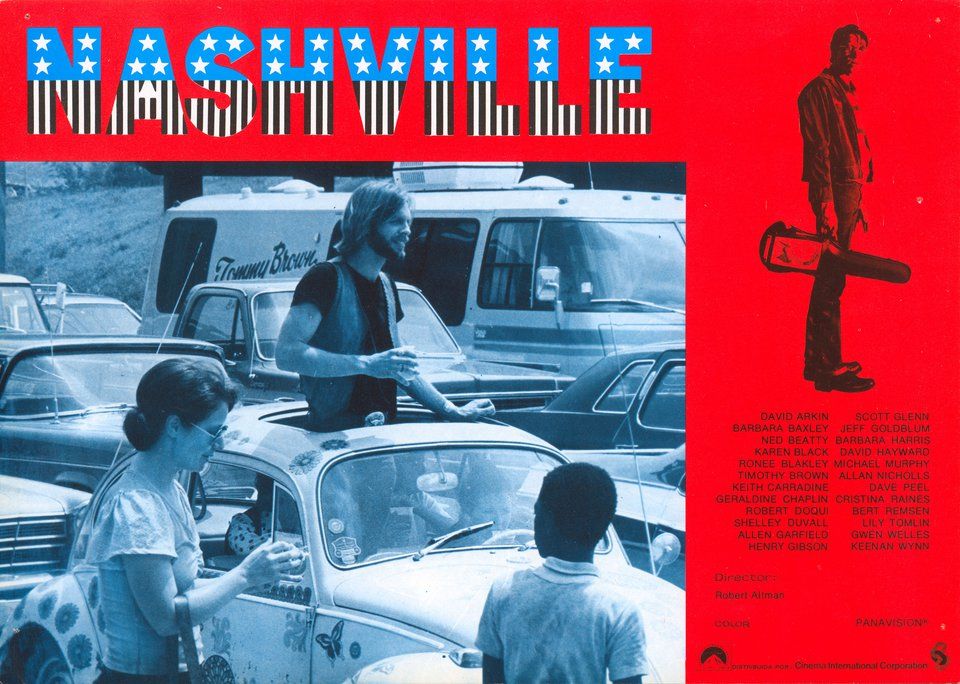 One of the documentary’s quiet strengths is how it embraces contradiction. Jaws and Nashville. Barry Lyndon and Dog Day Afternoon. Studio spectacles sit alongside deeply personal, politically charged films, all released within touching distance of each other. The argument isn’t that everything was better, it’s that risk was normalised. Failure was tolerated. Voices that wouldn’t survive today’s development processes were allowed to exist.
That’s why Breakdown: 1975 feels like the perfect place to begin Recce’s Hidden Gems journey. Not because the films themselves are obscure but because the conditions that allowed them to exist rarely get the attention they deserve. The hidden gem here is context.
At Recce, part of our mission is to spotlight content that doesn’t always get the profile it deserves work that falls between categories, arrives at the wrong moment, or gets lost beneath louder narratives. Sometimes that means championing overlooked films. Sometimes it means resurfacing the stories that explain how great art actually gets made.
Breakdown: 1975 does exactly that. Guided by Jodie Foster’s assured narration, it reminds us that cinema doesn’t move forward politely, it lurches, collides, and occasionally gets lucky.
Hidden Gems starts here.
Jim Irving
Author