Hidden Gems #002: Giannis: The Marvellous Story
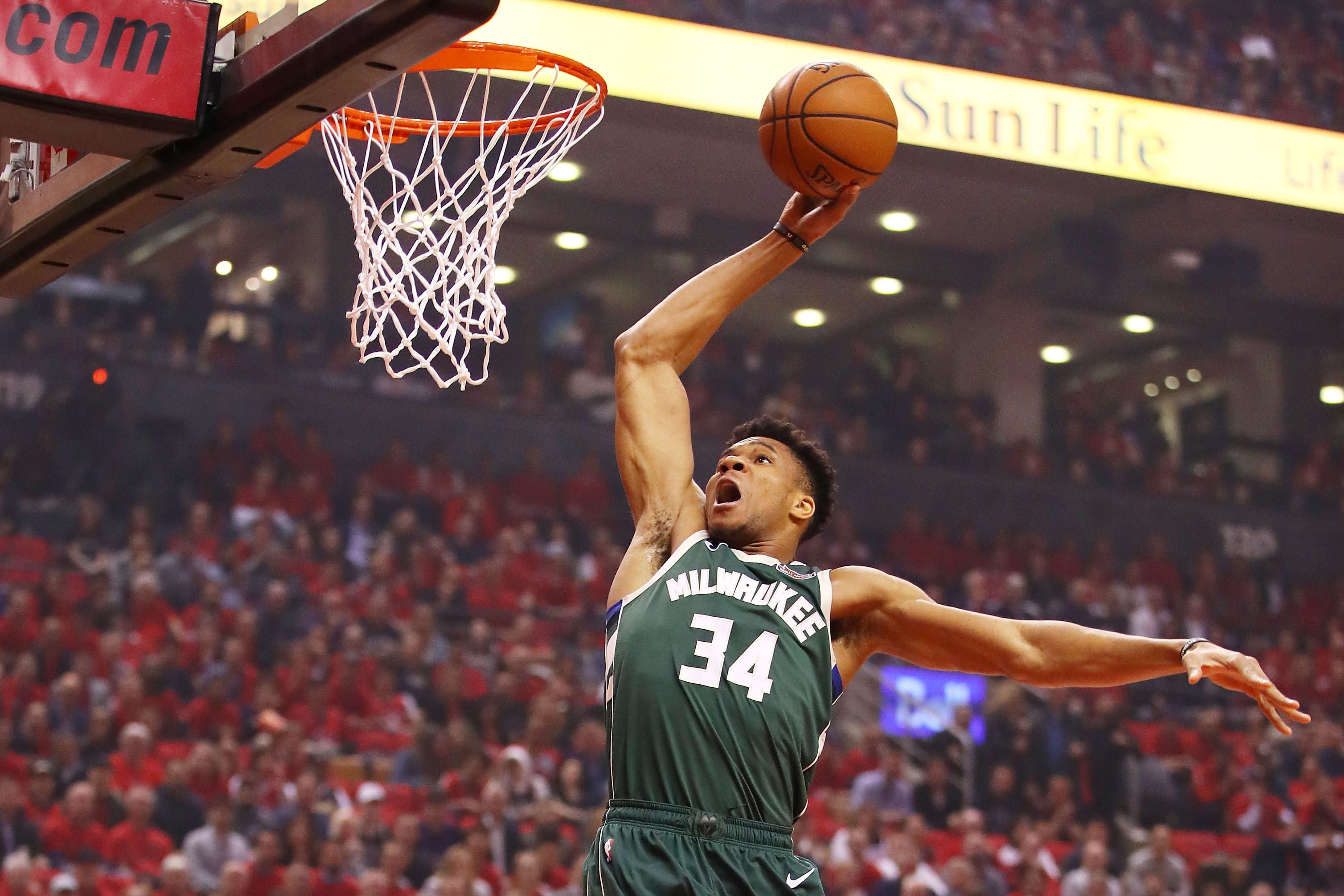
Some sports documentaries are built around greatness. Giannis: The Marvellous Story is built around grounding, a reminder that the most extraordinary careers are often held together by ordinary values, fiercely protected.
Before the MVPs, before the NBA title, before becoming the face of a franchise, Giannis Antetokounmpo was the son of Nigerian immigrants living on the edges of Greek society with his family. Undocumented, overlooked, and surviving day to day, the Antetokounmpos existed in a constant state of uncertainty. Basketball didn’t arrive as a ticket out, it arrived as curiosity, discovered through grainy NBA clips watched in an internet café. A distant world. A different life.
What separates Giannis: The Marvellous Story from a standard rise-to-fame sports film is its refusal to separate Giannis from his family. His story is inseparable from theirs. The documentary repeatedly returns to the same truth: every decision he makes, every risk he takes, is filtered through responsibility. Not ambition.
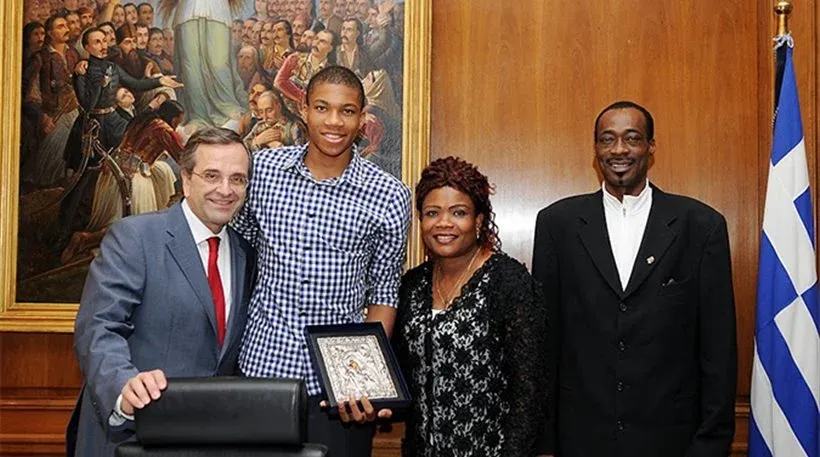 One of the film’s most striking moments comes not on a court, but in a government building. Giannis’ parents, Nigerian immigrants without legal status, stand beside him as he meets the Greek prime minister to receive an award. It’s a surreal image: a future NBA player flanked by parents who, on paper, shouldn’t even be there. The scene captures the fragility of his opportunity and the quiet dignity of a family that survived by staying close and staying invisible.
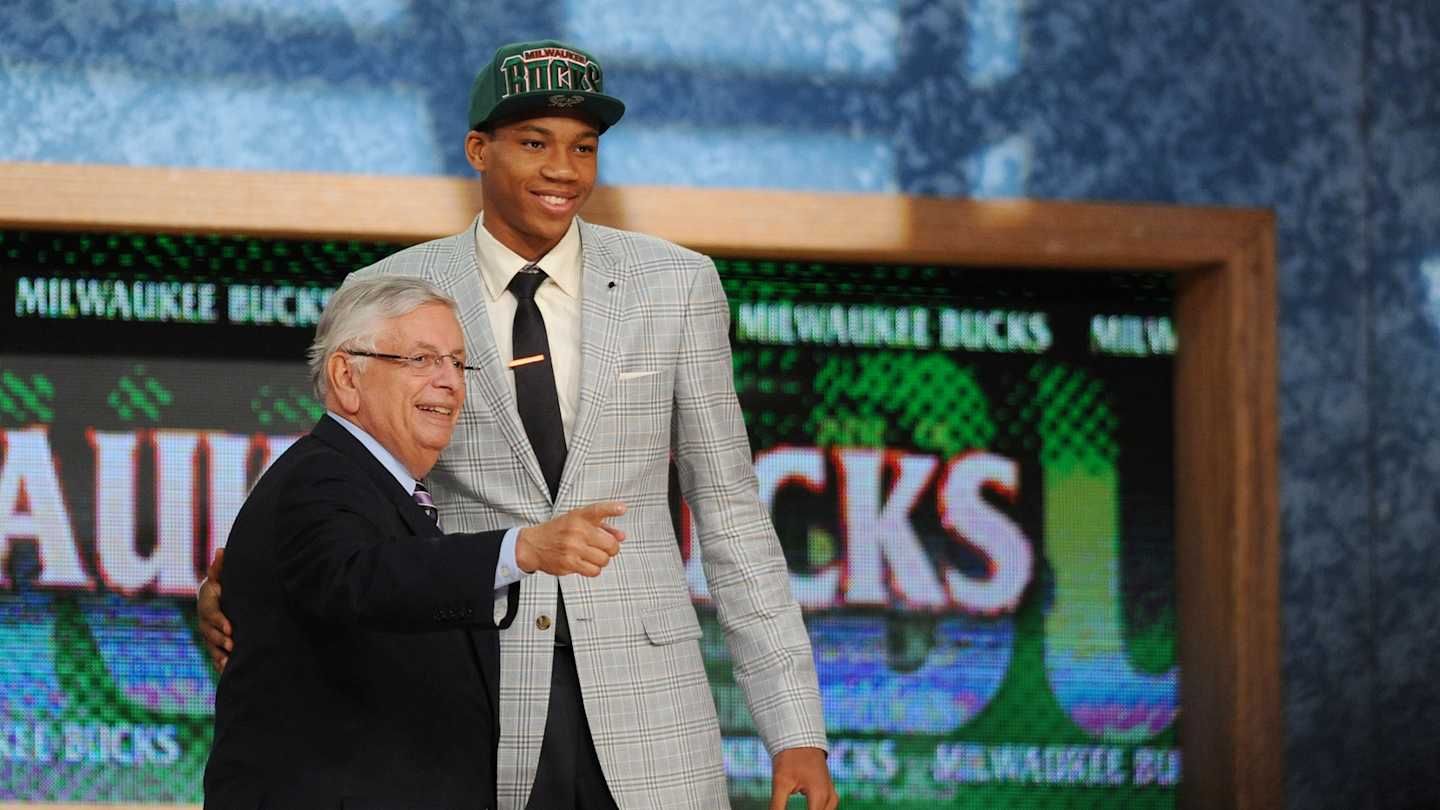 That fragility sharpens when Giannis is drafted by the Milwaukee Bucks. The dream is suddenly real and immediately conditional. The documentary reveals a moment that defines him: Giannis makes it clear he will walk away from basketball altogether if his family can’t join him in the US. No ultimatums. No theatrics. Just a line he refuses to cross. Basketball without family isn’t worth it.
Loss deepens that resolve. The death of his father, Charles Antetokounmpo, lands like a fault line running through the film. You see its impact not just on Giannis, but on his mother and brothers, a family grieving together, privately, while the public story keeps accelerating. It’s here that Giannis’ emotional restraint becomes most powerful. He doesn’t harden. He steadies.
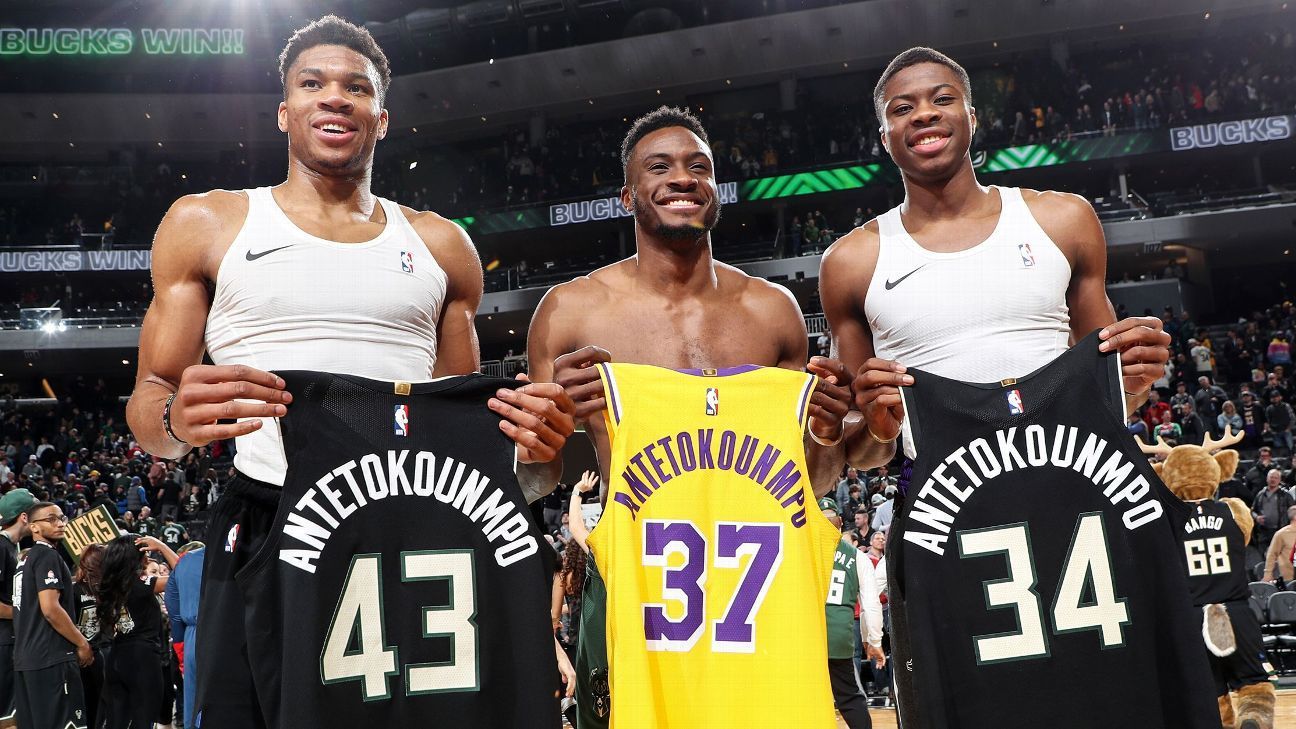 That steadiness explains choices that often confuse modern sports narratives. Giannis doesn’t chase glamour. He doesn’t flee a small market for bigger lights. Staying in Milwaukee isn’t framed as loyalty to a franchise, it’s loyalty to stability, to the life that allowed his family to breathe. Playing NBA basketball alongside his brothers isn’t a marketing story; it’s a continuation of everything that got him there.
This is why Giannis: The Marvellous Story belongs in Recce’s Hidden Gems. Not because Giannis is overlooked - he isn’t - but because the version of success this film celebrates rarely gets centre stage. It’s not about domination. It’s about values surviving scale.
In an era obsessed with individual greatness, this documentary quietly insists on something better: that the strongest foundations are built together.
Jim Irving
Author