Hidden Gems #003: I Swear

How can a film that has just picked up five BAFTA nominations still be considered hidden? That’s the quiet provocation at the heart of I Swear, a film that has clearly resonated with critics and audiences in the UK, yet has somehow been invisible to the Academy of Motion Picture Arts and Sciences, receiving not a single Oscar nomination.
The answer lies not in quality, but in visibility.
At its core, I Swear is a deeply humane and unflinching film about living with Tourettes and about what happens when society chooses misunderstanding over empathy. It tells the story of a boy whose intelligence, charm and promise are gradually overshadowed by a condition he doesn’t yet understand, and for which he receives little support. As the film makes painfully clear, the condition itself is only part of the challenge. The real damage comes from how the world reacts.
Made for a modest £4 million budget, I Swear is a powerful reminder of what British cinema can deliver when it prioritises truth over scale. At the time of writing, the film has already more than doubled its production budget at the box office, a remarkable achievement when measured against Hollywood releases operating with 100x the budget and marketing spend. It’s proof that films rooted in empathy, craft and performance can still hold their own commercially, without spectacle or noise.
 The emotional spine of the film rests on a remarkable continuum of performance. Scott Ellis Watson, as the boy at the centre of the story, delivers something genuinely rare. His performance never reaches for sympathy or effect; instead it relies on instinct, vulnerability and truth. You watch a young, handsome, open-hearted child slowly become an object of ridicule and misunderstanding, and the shift is devastating precise, because it’s so natural.
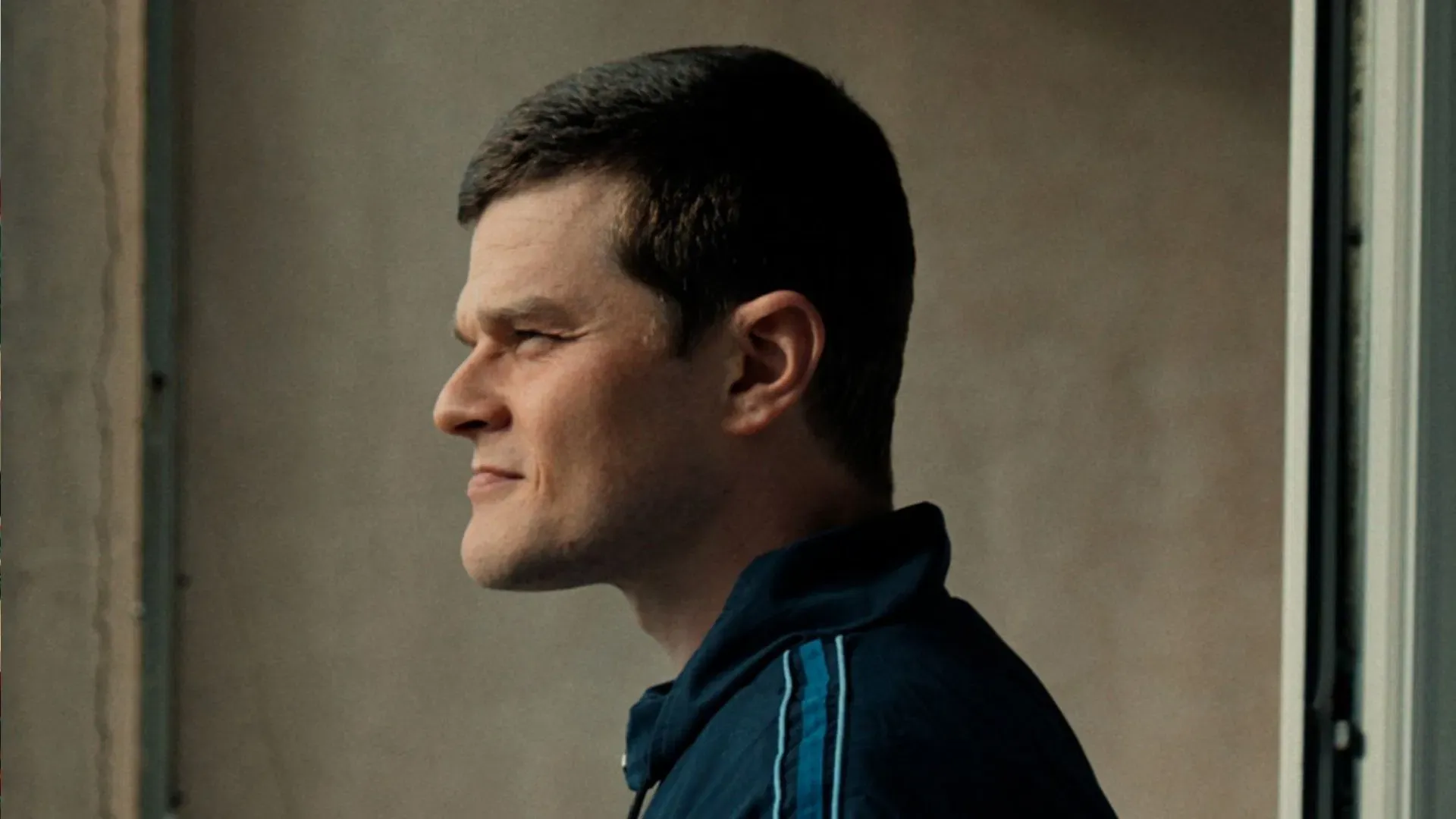 As the character transitions into adulthood, Robert Aramayo takes over seamlessly. Aramayo plays restraint as strength, allowing emotion to surface quietly rather than announcing itself. His performance carries the weight of responsibility, fear and love with extraordinary control, grounding the film as it moves through increasingly difficult emotional terrain. Together, Watson and Aramayo create a single, continuous life rather than two separate performances, a rare and deeply affecting achievement.
 From there, the film widens to include the guardian angels who enter his life when he needs them most. Maxine Peake and Peter Mullan bring warmth, patience and hard-earned compassion to roles that could easily have slipped into sentimentality. Instead, they feel lived-in and earned, reminders that understanding often arrives through people, not systems.
So why is I Swear still hidden?
Because the US awards ecosystem often struggles to hear quieter films. Because British cinema without obvious export hooks or awards-season muscle is expected to fight harder for attention. And because stories about disability, difference and misunderstanding are too often sidelined unless they shout.
At Recce, Hidden Gems exist to challenge that imbalance. Cultural value isn’t defined by Oscar nominations or campaign budgets. If there is still an audience out there that hasn’t seen I Swear, and there is, then the film remains hidden.
And it deserves to be found.
Hidden Gems aren’t always undiscovered. Sometimes, they’re simply waiting to be properly seen.
Jim Irving
Author