Hidden Gems #005: We Live in Time

Some films arrive with noise. Others arrive quietly, almost shyly, and simply wait to be discovered. We Live in Time belongs firmly in the second category. It doesn’t shout. It doesn’t demand. It just sits in your Recce feed waiting for your attention. But when you watch it, it stays with you.
Directed by John Crowley, best known for Brooklyn, this is a beautifully crafted, deceptively simple love story told using a non-linear structure that could easily have felt self-conscious or overworked. Instead, it feels effortless.
The narrative moves backwards and forwards through time, moments of joy sitting alongside moments of strain, beginnings woven into endings, yet the film never feels confusing or showy. The structure is emotionally based rather than technical. We don’t experience the relationship in a straight line; we experience it the way memory works. In fragments. In flashes. In moments that carry more weight because we already know what they will cost.
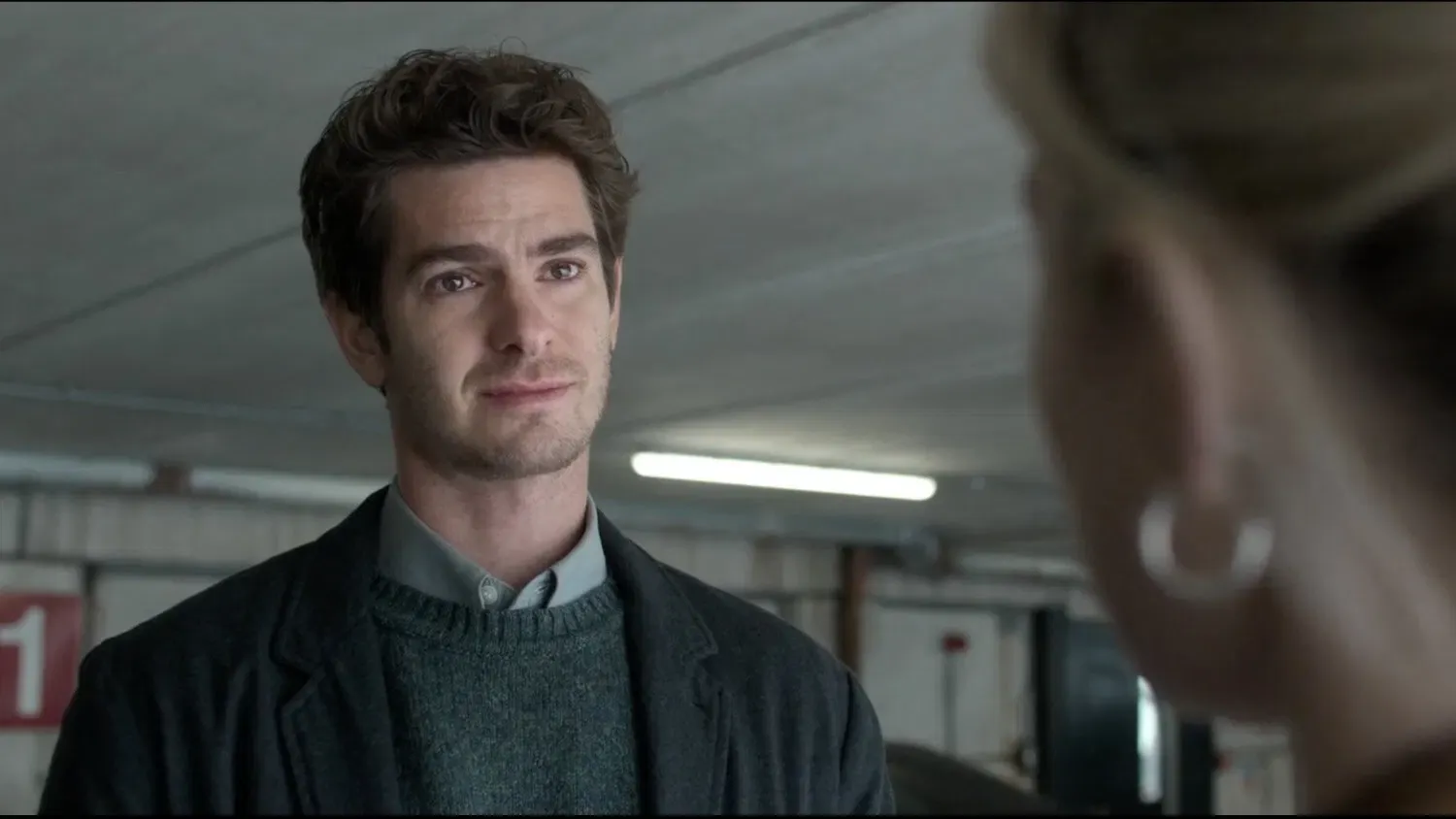 At the centre of it all are two performances that have to carry almost everything. Andrew Garfield is very good here, open, vulnerable, and quietly reactive in ways that feel truthful rather than performative. But it’s Florence Pugh who is genuinely sensational.
 Pugh plays Almut with strength and forward momentum. She is driven, ambitious, and emotionally honest in ways that subtly invert traditional romantic dynamics. Tobias, played by Garfield, is softer, more tentative, more reflective. And it’s from that imbalance, that deliberate reversal of expectation, that the film draws its emotional depth. This isn’t a story about a dominant man and a supportive woman. It’s about partnership shaped by different energies, different rhythms, different needs.
 There is drama here, certainly. The characters carry weight and baggage, and the film never denies that. But what’s so striking is how controlled it all feels. Nothing is overplayed. No scene reaches for tears. The emotional beats land because they’re earned, not engineered. Pugh and Garfield understand that restraint can be more powerful than explosion and the result is a relationship that feels lived-in rather than scripted.
The film’s production context adds another layer of quiet credibility. Backed by Film4 and executive produced by Benedict Cumberbatch, We Live in Time sits comfortably within the tradition of intimate British storytelling that prioritises character over spectacle.
So why is it a Hidden Gem?
Because in a cinematic landscape dominated by scale, noise, and urgency, this is a film that trusts patience. It doesn’t rely on grand twists or exaggerated conflict. It trusts two actors, a carefully constructed structure, and a director who understands tone.
We Live in Time reminds us that love stories don’t have to be loud to matter. Sometimes the most affecting films are the ones that feel almost modest in ambition, until you realise how precisely they’ve been built.
Hidden Gems aren’t always obscure. Sometimes they’re simply the films that whisper when everything else is shouting.
Jim Irving
Author