Hidden Gems #006: Big World
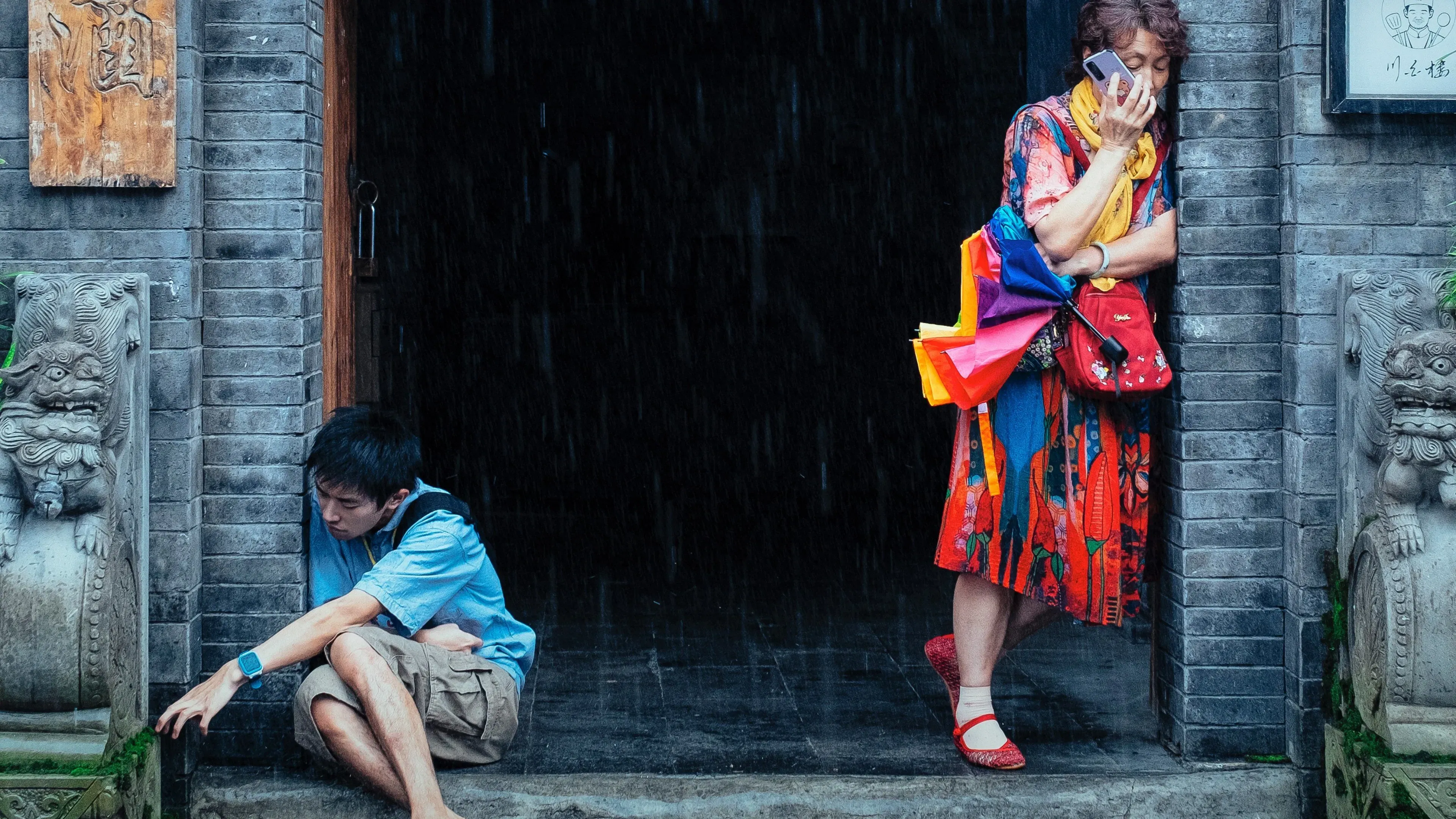
Some films expand your perspective without ever raising their voice. Big World is one of those films. It does not arrive with global noise or marketing weight. It simply tells its story with honesty, precision and a quiet confidence that becomes impossible to ignore once you have found it.
Directed by Yang Lina, Big World is a coming of age story centred on Liu Chunhe, a young man living with cerebral palsy who is trying to build independence in a world that consistently underestimates him. The premise is simple, but the execution is anything but.
At its heart, this is a film about dignity.
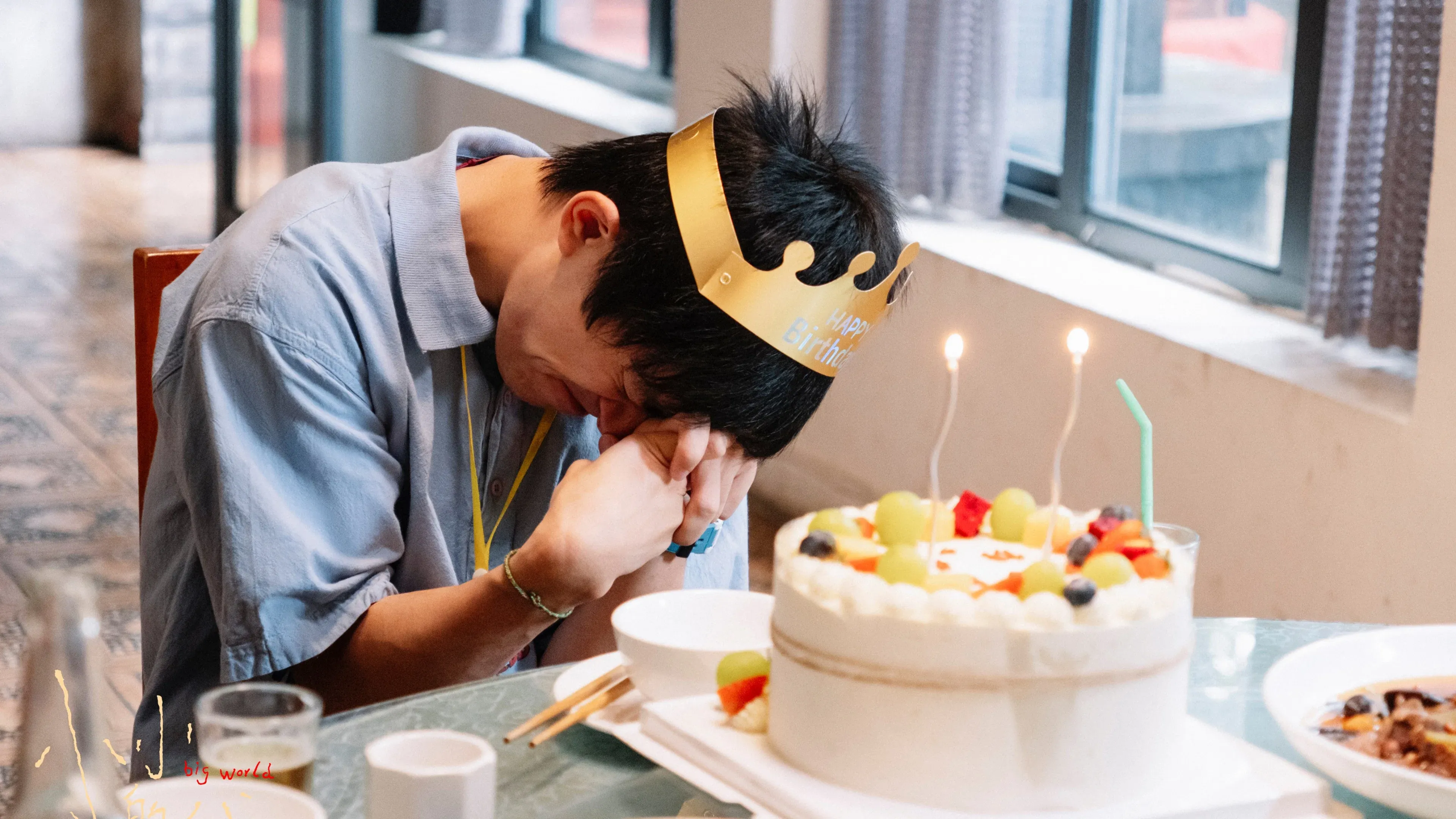 Chunhe is not framed as inspirational in the way cinema often defaults to. There is no manipulation and no push towards easy emotion. Instead, the film allows his life to unfold with clarity and respect. His ambitions are modest but deeply meaningful. He wants to work, to contribute and to fulfil his grandmother’s dream. In doing so, the film quietly exposes how many barriers still exist, not only physical ones but social ones that are often harder to overcome.
The emotional weight of the film rests on Jackson Yee, and what he delivers is exceptional. This is not a performance built on surface level imitation. Yee spent months preparing for the role. He studied in rehabilitation centres, practised Chunhe’s movements and speech patterns in detail and spent time with people living with cerebral palsy to understand their experience from the inside. The result is a portrayal that feels lived rather than performed. You are not watching an actor play a role. You are watching a person exist.
The film’s defining line lands with quiet force. Having a job is dignity. It is not delivered as a statement designed to resonate. It is simply true. Once it lands, it reframes everything that follows and stays with you long after the film ends.
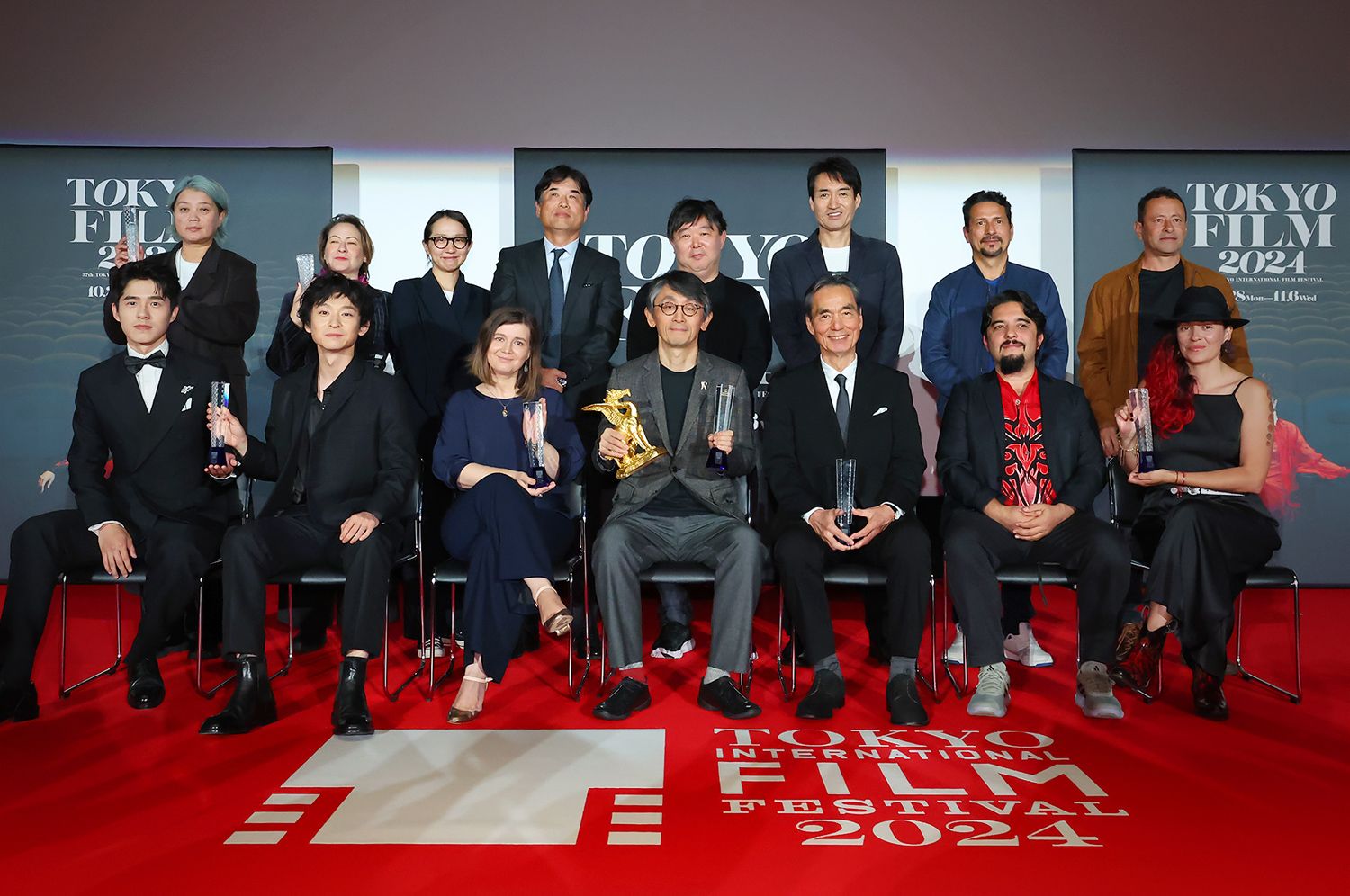 Recognition has come in meaningful ways. Big World won the Audience Award at the Tokyo International Film Festival and Jackson Yee received the Golden Rooster Award for Best Actor, China’s most prestigious film honour. Perhaps more importantly, people living with cerebral palsy and their families have praised the film for its accuracy. It reflects daily life without pity and without over dramatisation, something that is rarely achieved with this level of sensitivity.
And yet, outside China, the film remains largely unseen.
That is exactly why it belongs in Recce’s Hidden Gems.
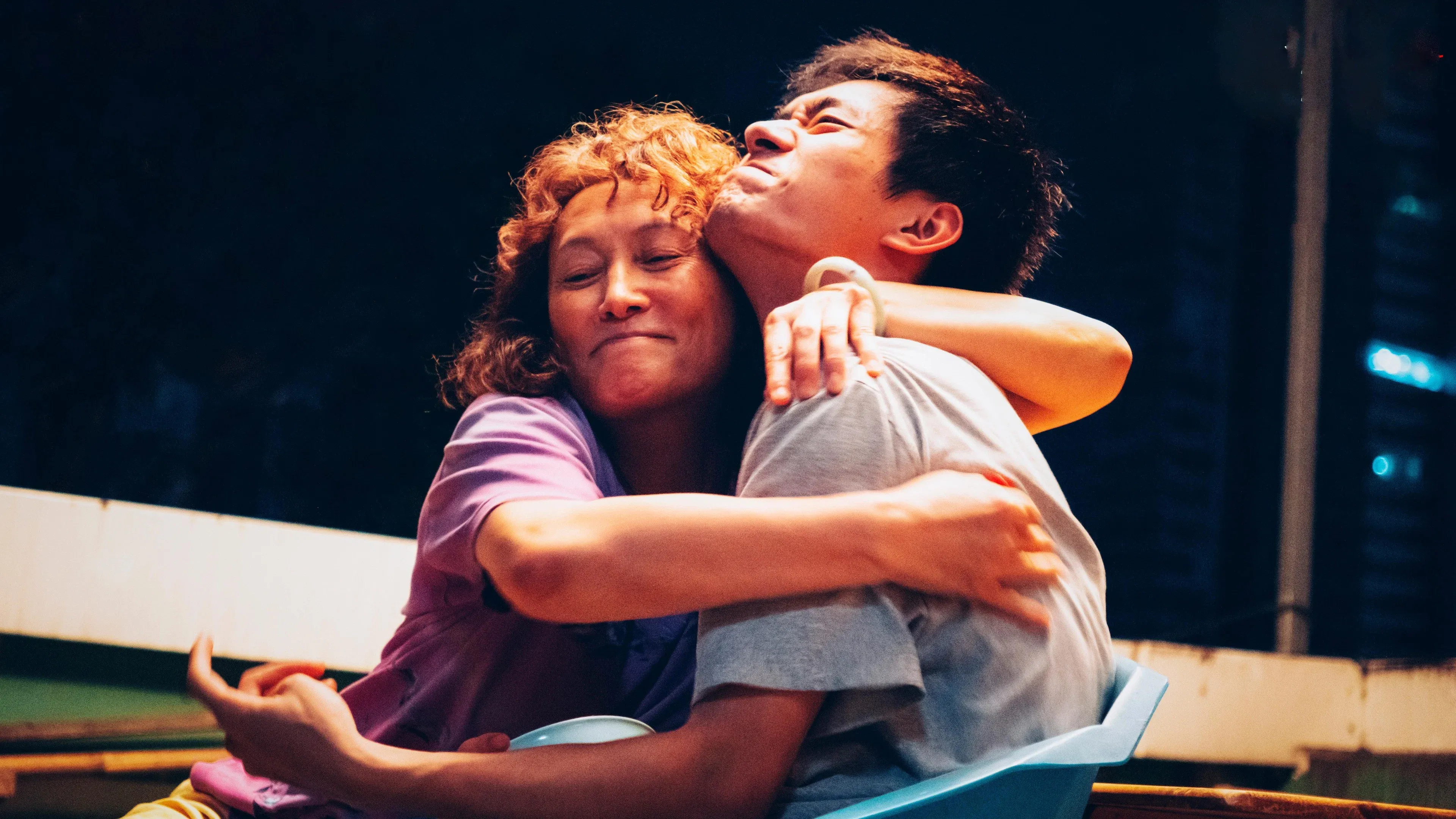 This is not a film that is hidden because it lacks quality. It is hidden because great films do not always travel as far as they should. In a landscape that often rewards scale and noise, Big World chooses something different. It chooses honesty, restraint and human truth.
Hidden Gems are not always about discovery. Sometimes they are about recognition.
And Big World deserves to be seen.
Stalingrad Dollosa
Author