Hollywood’s Disposable TV Problem
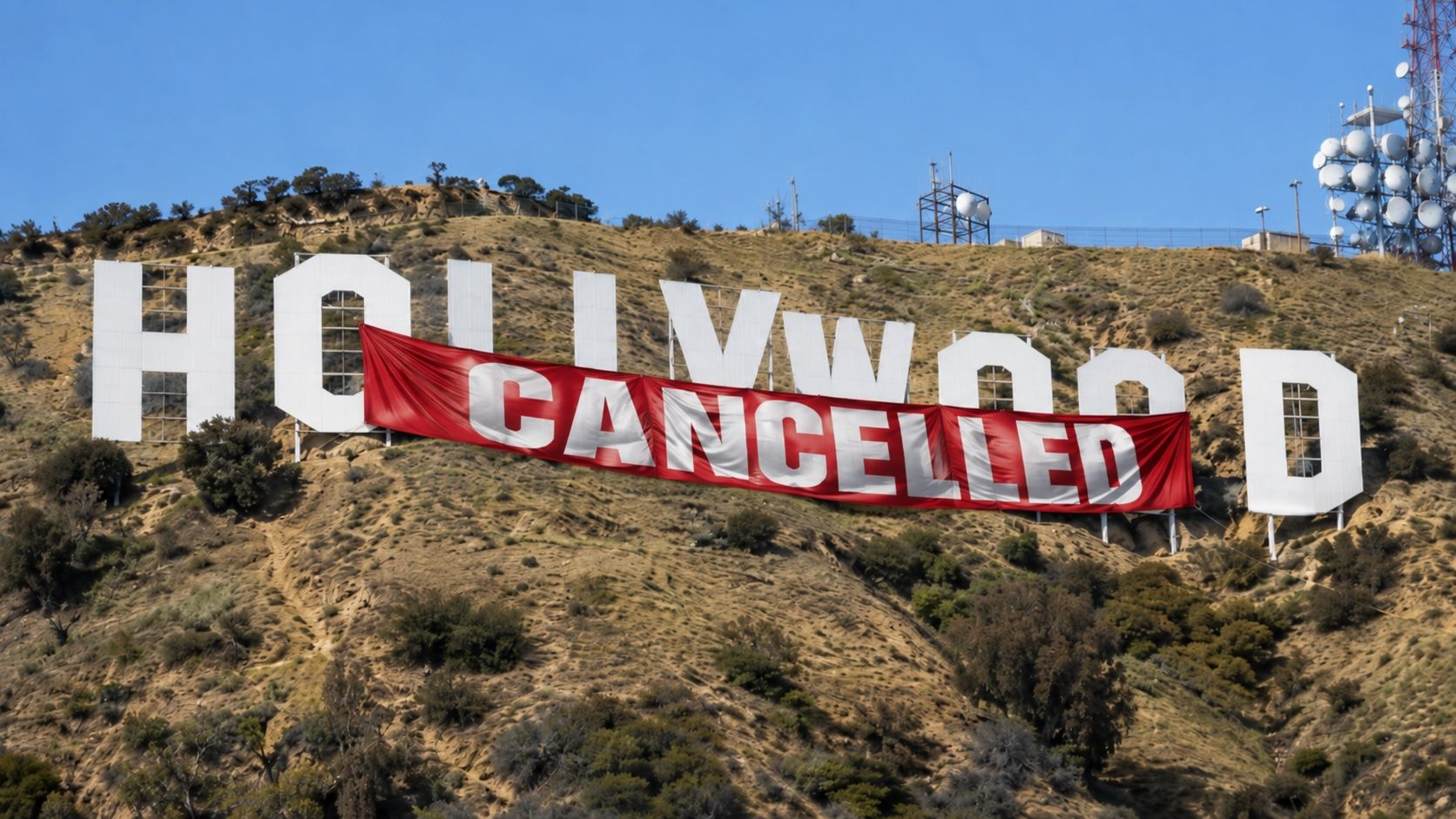
There was a time when starting a new television series felt like the beginning of a relationship.
Now it feels more like taking out a short-term contract with somebody who may disappear without warning.
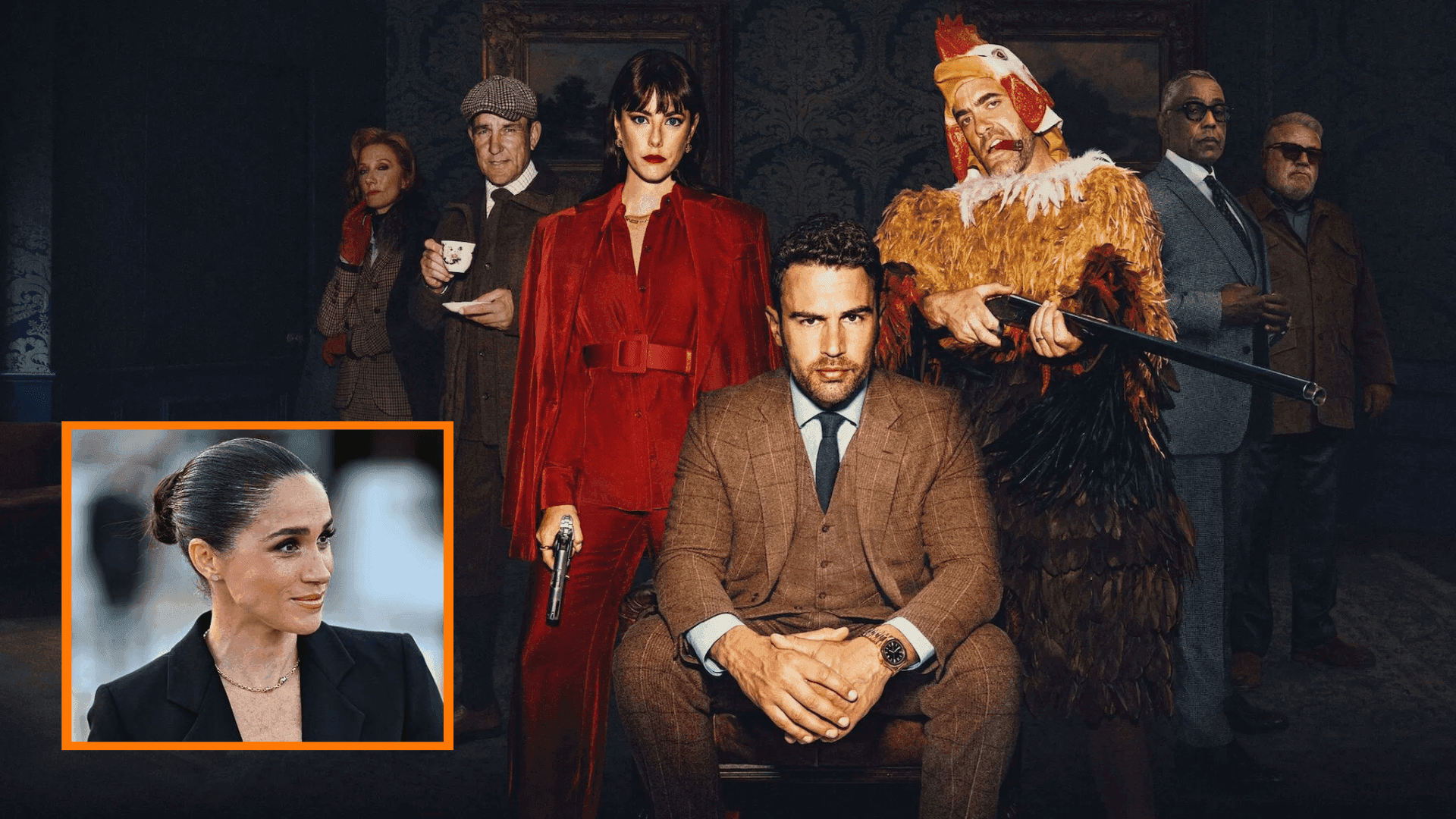
The 2026 cancellation list is becoming ridiculous. Gen V has gone after two seasons. Wonder Man was cancelled despite Disney having already announced a second season. Spider-Noir lasted just eight episodes before Prime Video pulled the plug. Star Trek: Starfleet Academy will end after its second season. Add in The Boroughs, Ponies, Deli Boys and plenty more, and the message to viewers is becoming increasingly clear: enjoy the show, but maybe don’t get too attached.
And that is starting to create a problem.
Television asks for commitment. A film wants two hours. A new drama may want eight, ten or twenty before it has even finished establishing who everyone is and why we should care. Traditionally, the reward for making that investment was the promise that these characters might stick around for a while. Streaming has weakened that bargain. Increasingly, viewers are being asked to commit to stories that may be terminated before the writers have even had time to find their rhythm.
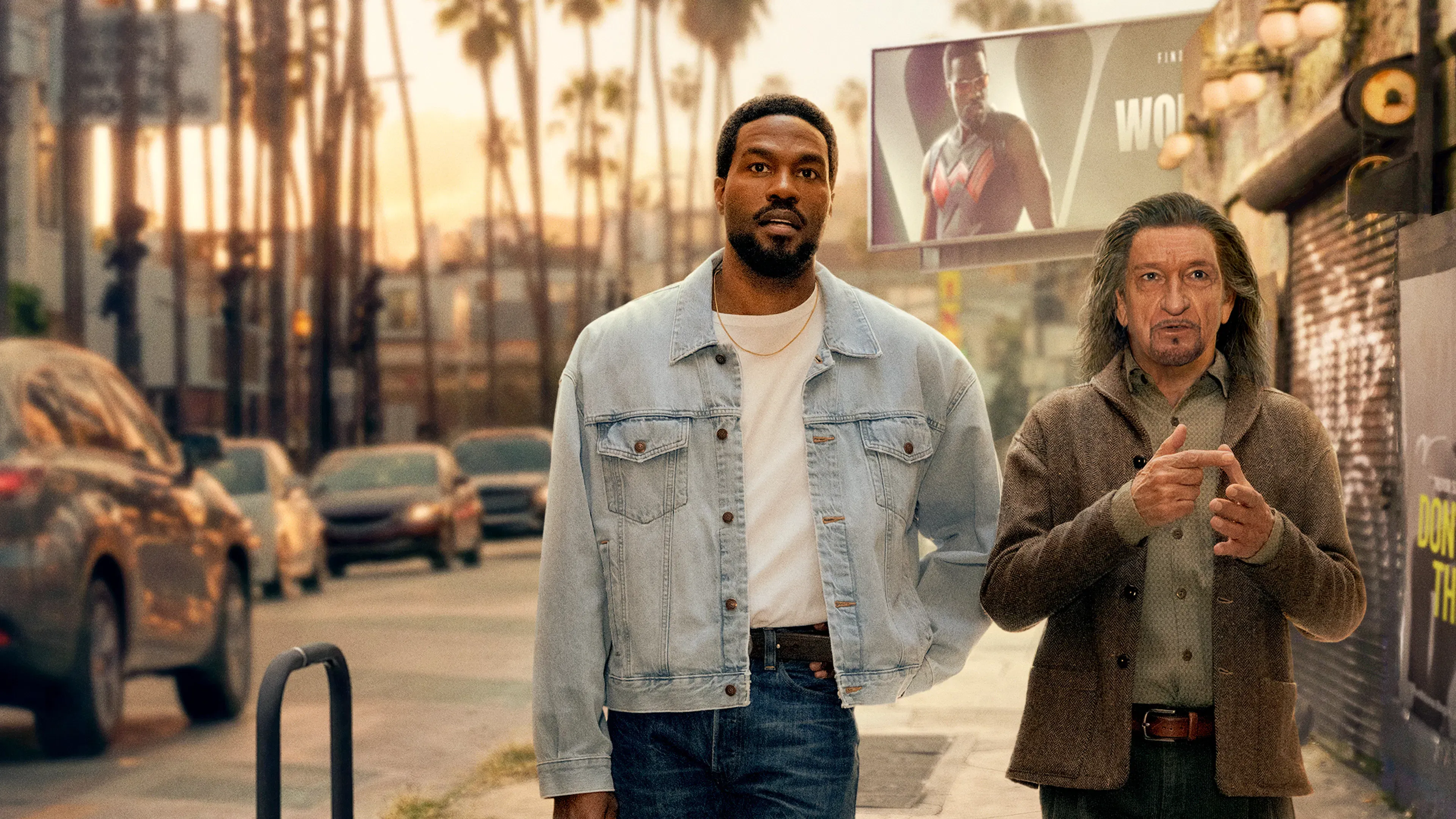 Wonder Man is perhaps the strangest example. Disney had publicly renewed the Marvel series for Season 2, contracts were signed and schedules cleared, only for the decision to be reversed before production began. Co-creator Andrew Guest later said the cancellation came down to an internal Disney and Marvel decision that the show no longer made sense for them, despite the fact it apparently had only months earlier.
Then there is Spider-Noir, which may have achieved something uniquely modern: getting cancelled after one season while heading into the Emmys with 11 nominations. It subsequently won five, reportedly the most Emmy wins ever for a series cancelled after its first season. There is something almost beautifully absurd about that. Congratulations, everyone thinks you did brilliant work.
Please clear your desks.
Of course, television has always cancelled shows. Some deserve it. Audiences disappear, budgets become unsustainable and not every series can run forever. The difference now is speed. Streamers have huge volumes of content, enormous data sets and increasingly little patience. If a show does not immediately justify its existence, the algorithm appears ready to escort it from the building.
That creates a vicious circle.
Viewers become reluctant to invest in new shows because they are afraid they will be cancelled. Fewer viewers arrive early. The platform sees disappointing numbers. The show gets cancelled. Everyone then points at the numbers and says audiences weren’t interested.
Perhaps they were just cautious.
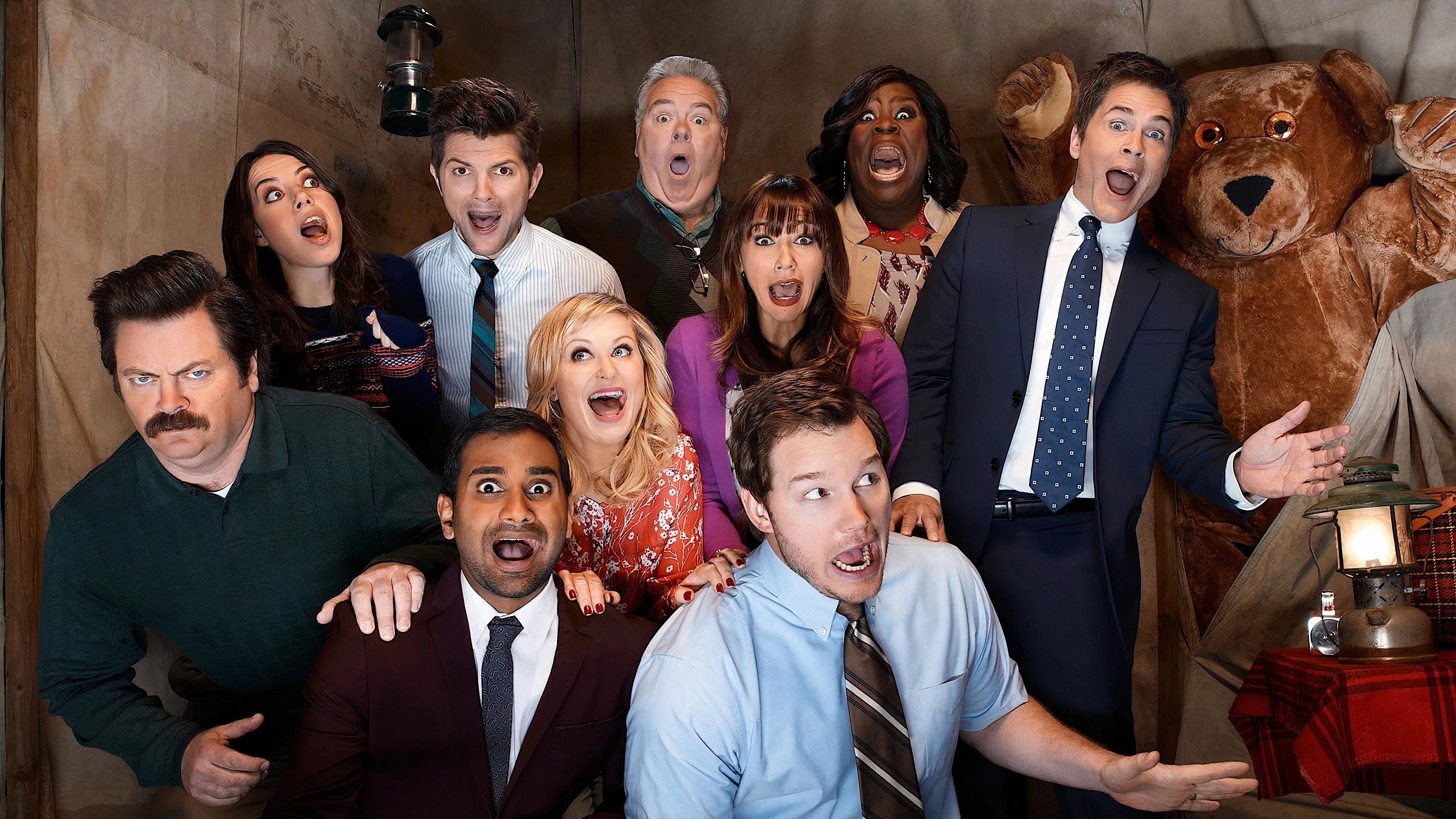 The risk is that television becomes more disposable at exactly the moment it is asking audiences for more attention than ever. Great shows often need time. Characters deepen. Writers understand what works. Audiences discover them late. The Office, Parks and Recreation and plenty of other beloved series were not instantly perfect or instantly enormous.
Today, some might not survive long enough to become good. So by all means cancel the failures. Nobody needs twelve seasons of everything. But perhaps give us long enough to remember the title first.
Jim Irving
Author