How Soon Is Too Soon?
A court delivers its verdict. The sentence is passed. The headlines appear. And then, almost immediately, Netflix asks if you would like to watch the documentary.
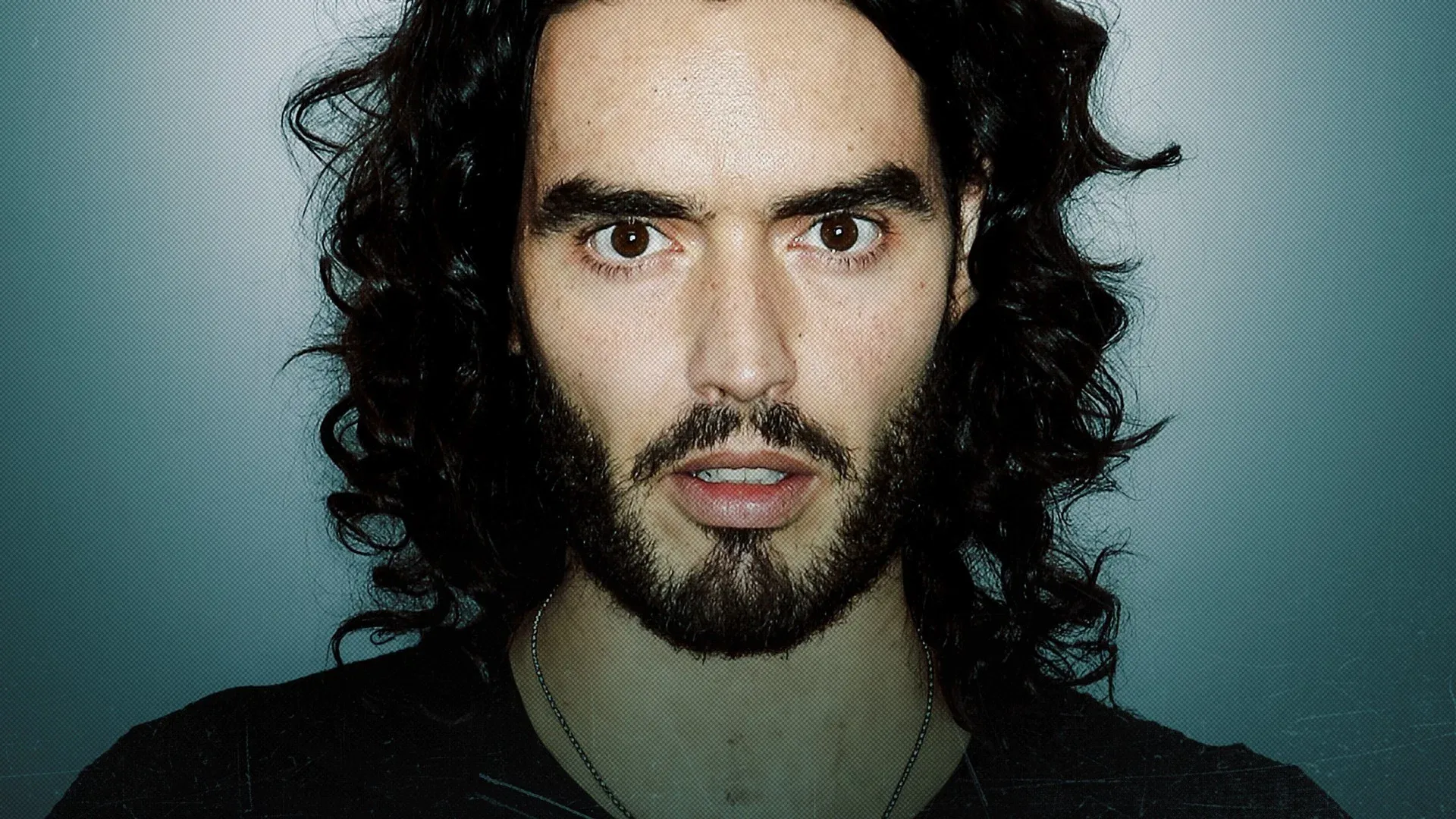
That sequence has become increasingly familiar. Real criminal cases are no longer simply investigated, prosecuted and reported. They are turned into podcasts, limited series, documentaries and dramatisations at extraordinary speed, often while the people involved are still processing what happened. The arrival of Russell Brand: Open Secret brings that question into particularly sharp focus.
On 5 November, Brand was convicted at Southwark crown court of one count of rape and three counts of sexual assault involving four women. He was cleared of two further rape charges and one charge of attempted indecent assault. Four days later he was sentenced to 10 years and six months in prison. Two further rape allegations are now under police investigation. Within days, Netflix released Open Secret.
The documentary had not been hurriedly assembled after the verdict. Director Olivia Isaacs has said it was essentially finished before the jury returned, with only final legal checks and sentencing information added afterwards. The filmmakers had therefore spent months building a film about Brand while his criminal trial was still approaching, without knowing what that trial would ultimately decide.
That alone raises a difficult question. Is that responsible documentary journalism, or is it simply too soon? There is a powerful argument for making these films quickly.
The Brand documentary does not exist in isolation from the criminal case. It examines how he became famous, the media environment around him and the work of journalists Rosamund Urwin and Charlotte Wace, whose investigation helped bring allegations into public view. It also gives contributors, including women who say they experienced abuse, an opportunity to explain what happened in their own words and to place those experiences within a wider culture of celebrity, power and silence. That can matter enormously.
Trials answer relatively narrow questions: whether specific criminal charges have been proved beyond reasonable doubt. They are not designed to explain an entire culture, workplace or industry. A documentary can ask different questions. Who knew? Why did nobody intervene? What behaviour was considered acceptable at the time? How did institutions respond? Why did people feel unable to speak? Those questions can be every bit as important as the verdict.
There is also something valuable about capturing testimony while memories, documents and public attention remain fresh. Journalism loses something if every filmmaker waits ten years until the cultural moment has passed. The original Dispatches and Sunday Times investigation into Brand is itself an obvious example of why media investigations matter. Without journalists pursuing difficult stories, some cases may never reach the criminal justice system at all.
But there is another side to this. A documentary is not a court transcript. It is edited. Music is chosen. Archive footage is selected. Some witnesses appear and others do not. Ten hours of material can become 90 minutes. A filmmaker may approach the project responsibly and still inevitably create a narrative.
That distinction matters because audiences often experience documentaries differently from journalism. A newspaper report tells us what happened. A documentary can make us feel as though we witnessed it ourselves. That feeling can be extremely persuasive.
Making a Murderer is perhaps the most famous example.
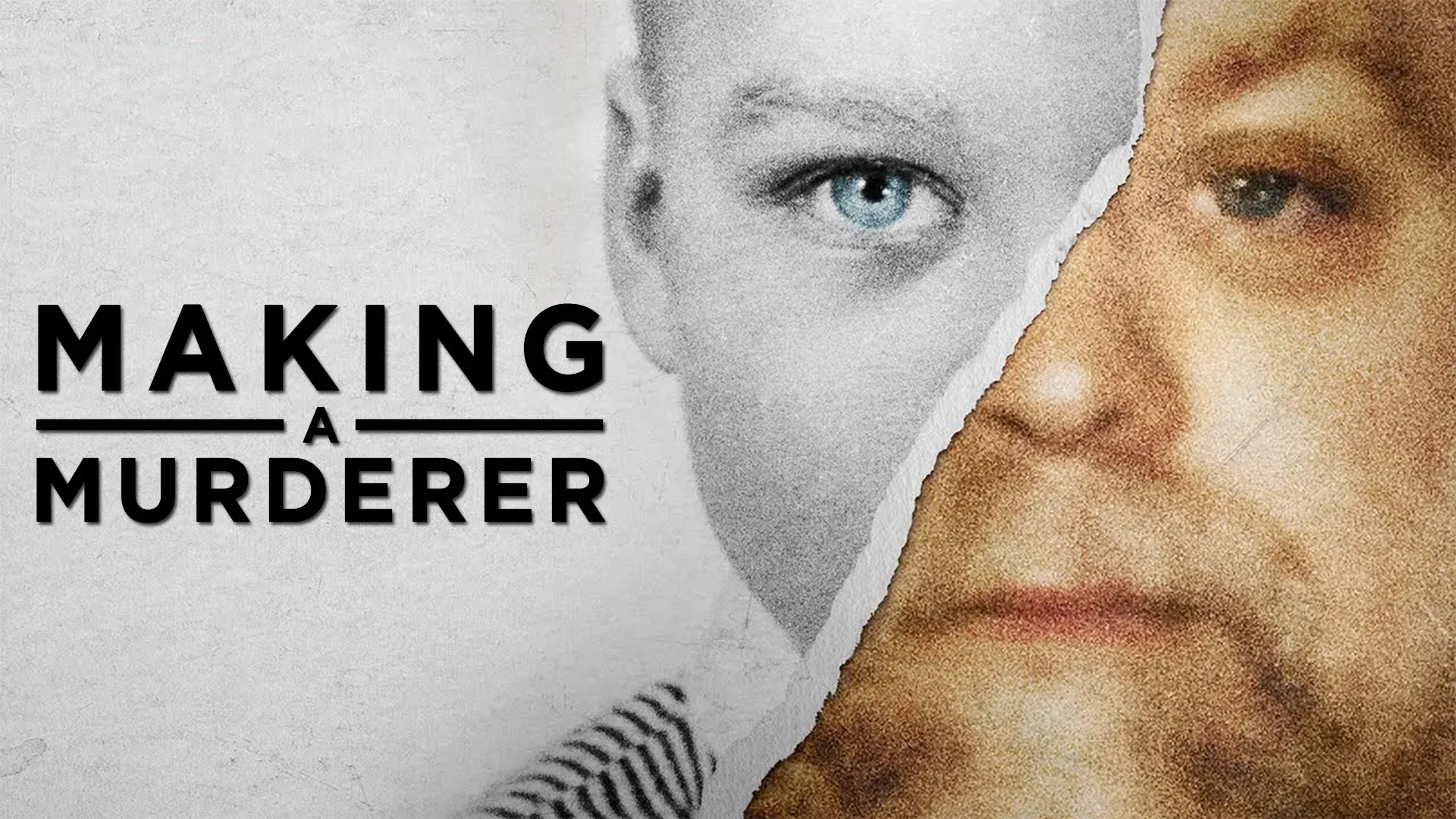 The Netflix series prompted enormous public interest in the convictions of Steven Avery and Brendan Dassey, generated petitions and encouraged viewers to investigate the case themselves. The filmmakers insisted they were examining the justice system rather than attempting to acquit anyone in the court of public opinion, but critics accused the series of omitting evidence and presenting a skewed account. The directors acknowledged that evidence had necessarily been left out because they were making a documentary, not conducting a trial.
That sentence captures the problem beautifully. A documentary is not a trial. Yet audiences increasingly treat it like one.
The Staircase demonstrated something similar in a different way.
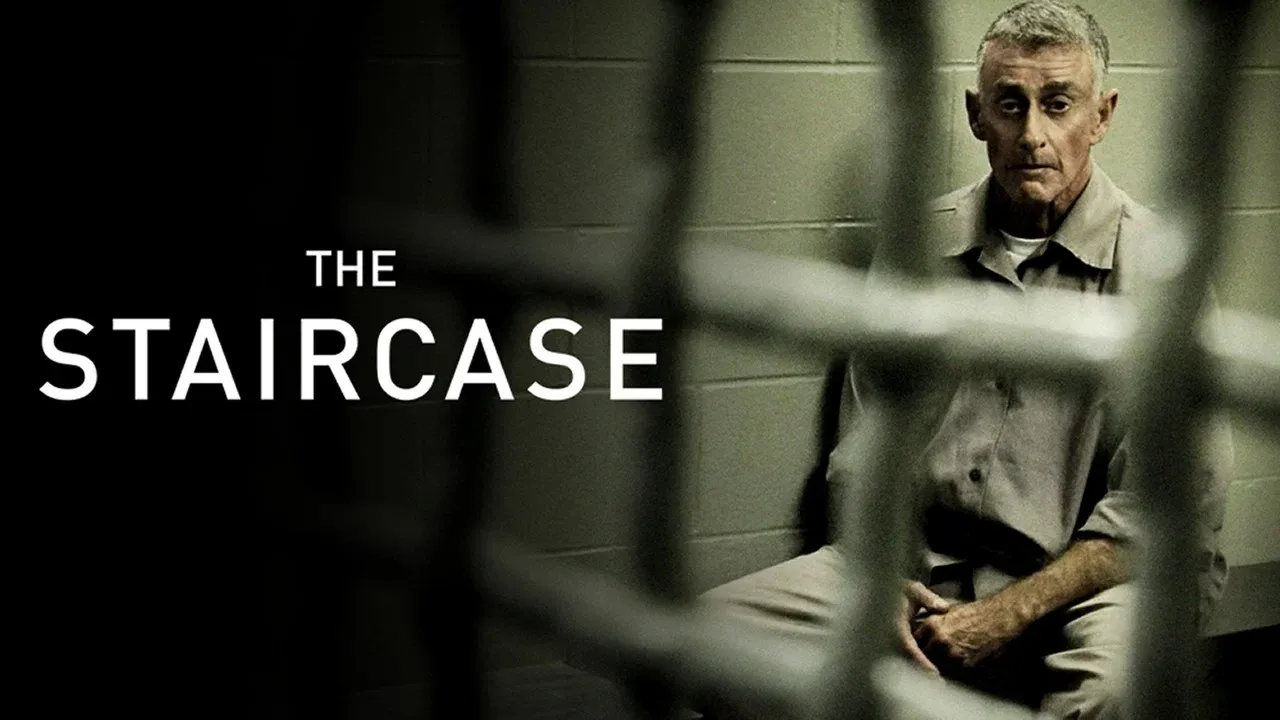 Its filmmakers were given remarkable access to Michael Peterson and his family while he was facing trial over the death of his wife Kathleen. The result was landmark television, but later discussion around the series has also focused on what such extraordinary access does to everyone involved. Real families were grieving, lawyers were preparing cases and children were growing up while cameras documented almost every part of their lives.
That raises another concern that is too easily forgotten when true crime becomes entertainment: the victims and families do not stop being real people when the credits roll.
For someone who has already testified in court, spoken to police and endured public scrutiny, being asked to recount traumatic events yet again for a global streaming audience is not necessarily empowering simply because the documentary is sympathetic. It may be. But it may also be exhausting, intrusive or traumatising.
There is also the question of unfinished justice. In Brand's case, the trial that produced his convictions has concluded, but police are investigating two further rape allegations. Brand continues to deny wrongdoing beyond the offences of which he has been convicted. That makes the surrounding media environment particularly sensitive.
UK contempt law exists precisely because publicity can sometimes create a substantial risk of seriously prejudicing active legal proceedings. That does not mean a documentary released after one conviction is automatically improper, nor that Open Secret has breached any law. But it does explain why timing matters when related investigations or future proceedings remain possible.
And then there is the commercial question. True crime is enormously popular. Streaming platforms know that stories involving celebrities, murder, fraud and scandal attract audiences. That does not invalidate the journalism. Commercial documentaries can still be rigorous, important and socially valuable.
But the incentives deserve scrutiny. If a verdict on Monday can become a global streaming event by Friday, are we giving filmmakers enough time to understand what has happened? Are contributors being allowed time to recover? Are opposing perspectives properly explored? Or does the pressure to be first sometimes overwhelm the need to be thoughtful?
Waiting brings advantages too. Some of the greatest documentaries about major events have benefited from distance. Time allows new evidence to emerge, people to reconsider earlier decisions and filmmakers to understand consequences that were invisible during the original news cycle. It can transform a documentary from a retelling of events into an examination of what those events actually meant.
But waiting also has costs. Memories fade. Witnesses disappear. Public attention moves on. Institutions may become less willing to answer questions. And delaying uncomfortable stories can sometimes serve exactly the people who would prefer them to disappear. So perhaps there is no useful rule that says a documentary must wait six months, a year or a decade. The better questions are harder.
Has the legal process genuinely finished? Are other proceedings likely? Has the documentary clearly distinguished allegations from proven facts? Have acquittals been represented fairly as well as convictions? Were victims given meaningful choice about participating? Is the film adding understanding that journalism and the trial could not provide, or simply packaging the same trauma for an audience hungry for the next true-crime story? Those tests feel more important than the calendar.
Open Secret may ultimately prove a valuable record of how Brand rose, how his behaviour was perceived and how institutions around him responded. Enthusiastic reviews argue that this broader cultural context is precisely what makes the film worthwhile. That argument deserves to be heard. So does the uncomfortable counterargument. Justice happens in court. Memory increasingly happens on streaming platforms. And when documentaries arrive before society has even had time to absorb the verdict, filmmakers carry an enormous responsibility to make sure those two things do not become confused.
Jim Irving
Author