Microdramas: The Tiny TV Boom
For decades, Hollywood has been obsessed with making screens bigger. IMAX. Dolby. 4K. Giant TVs covering half the living-room wall. And now the hottest new television format is designed to be watched on a screen you can hold in one hand.
Welcome to the world of the microdrama.
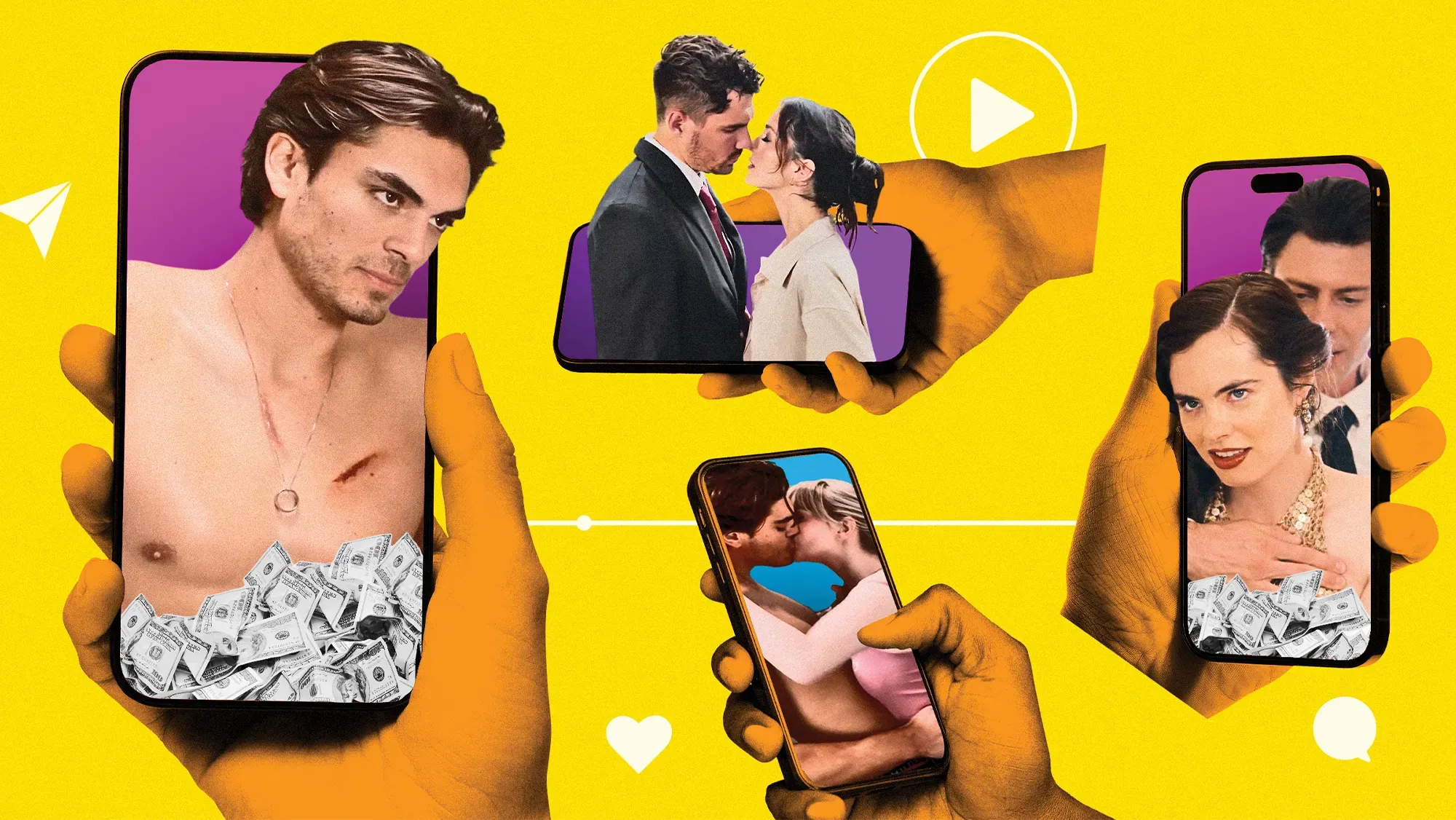
These are scripted shows made specifically for phones, filmed vertically and delivered in episodes that can last anywhere from about 45 seconds to two minutes. Think TikTok, except instead of somebody dancing in their kitchen, you're watching an absurdly attractive billionaire discover that the waitress he just insulted is secretly the heiress to a global fortune.
Subtle, they are not. But enormous? Increasingly, yes.
According to Reuters, microdramas have grown into an estimated $1.5 billion industry in the US, with that figure expected to reach $2 billion next year. What started as a phenomenon in China is now attracting serious attention from Hollywood, with companies including NBCUniversal and Fox exploring the format.
And the numbers become even more ridiculous when you look globally.
Sensor Tower says short-drama apps were downloaded more than 850 million times in the first quarter of 2026 alone, up 140% year-on-year. Users spent around $750 million through in-app purchases during the same three months.
ReelShort and DramaBox each generated close to $140 million.
This is no longer a strange little corner of TikTok culture. It's a business. The formula is brilliantly shameless. Episodes are incredibly short. Stories move at terrifying speed. Cliffhangers arrive roughly every time you blink. Romance, betrayal, revenge, secret babies, billionaires, gangsters, forbidden relationships and miraculous changes in social status are particular favourites.
Basically, imagine somebody fed 30 years of daytime soaps into a blender, pressed turbo and turned the result sideways. And apparently we can't stop watching.
By April 2026, Sensor Tower found that the average short-drama viewer was spending 25 minutes a day inside these apps. Traditional streaming averaged around 35 minutes. In Southeast Asia, microdrama viewing was already approaching 40 minutes a day.
All of this raises an uncomfortable question. Did Quibi have the right idea after all?
Remember Quibi?
 Launched in 2020 with nearly $2 billion behind it, the service promised premium entertainment designed for smartphones and then disappeared so spectacularly that it became one of Hollywood's great cautionary tales.
Six years later, vertical entertainment is booming.
The difference is that today's companies aren't trying to squeeze conventional television onto a smaller screen. They've built an entirely different kind of storytelling around the phone itself. Everything is faster. Faces fill the frame. Plot points arrive constantly. There is almost no room for a quiet moment because the next swipe is permanently waiting.
Even the talent pipeline is changing. Vanity Fair recently argued that vertical video is becoming a new route into Hollywood, with filmmakers who built audiences on TikTok and Instagram increasingly moving into traditional movies and television.
Now, are microdramas going to replace The White Lotus, Slow Horses or the next great HBO drama Probably not. But that's also what people once said about YouTube. Then TikTok. Then streaming.
Hollywood has spent years worrying that our attention spans are getting shorter. Perhaps it has finally decided that instead of fighting them, it might as well make some money from them.
Jim Irving
Author