Oscar Snubs: When cinema’s greatest nights forgot the films we never did
At the time of writing, Sinners posts a very solid Recce Rating of 82 and racks up a record-breaking 16 Oscar nominations, a number so big it almost becomes the story in itself. Meanwhile, I Swear, a beautiful British film sitting on a towering Recce Rating of 94, receives zero nominations. If you ever needed proof that awards and love don’t move in lockstep, start right there. Awards season loves neat narratives. A sweep. A coronation. A film everyone agrees is “important.” But cinema doesn’t work like that. Some films arrive too early. Some are too strange. Some are too cool to campaign properly. And some, cruelly, are just released in the wrong year.
This is a love letter to the empty shelf. To the films that didn’t need gold statues to become immortal, but deserved them anyway. Because if Oscars were awarded for rewatch value, cultural impact, or the way a film quietly moves in with you and never leaves… this list would look very different.
Zero Oscars, Infinite Respect
Let’s start with the clean slates. The films that walked away with nothing and somehow became legends because of it.
Heat (1995), Oscars: 0
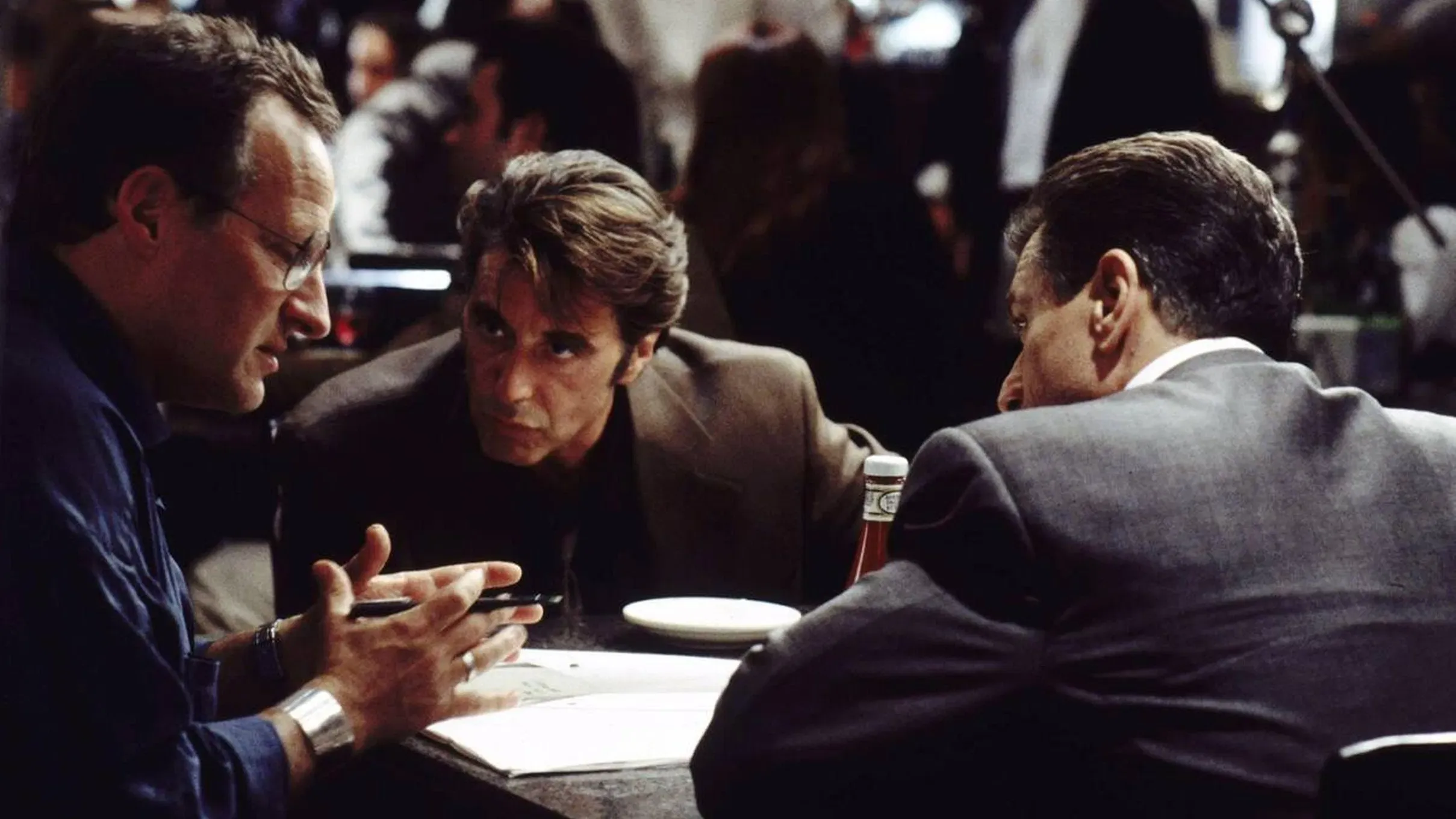 How does a film containing that diner scene with De Niro and Pacino, finally face to face, like two heavyweight champions sharing the same ring end up with zero Oscars?
Heat didn’t just refine the crime thriller. It re-engineered it. The sound design. The procedural detail. The melancholy of Los Angeles at night. Michael Mann turned professionalism into poetry and obsession into character. But Heat wasn’t emotional in the way the Academy prefers. It was cold. Precise. Adult. No grand speeches. No Oscar-bait breakdowns. Instead, it became something more valuable: a blueprint. A film directors still study shot by shot. A movie quoted endlessly by filmmakers long after Oscar winners from the same year faded into trivia questions.
No trophies. All legacy.
The Big Lebowski (1998), Oscars: 0
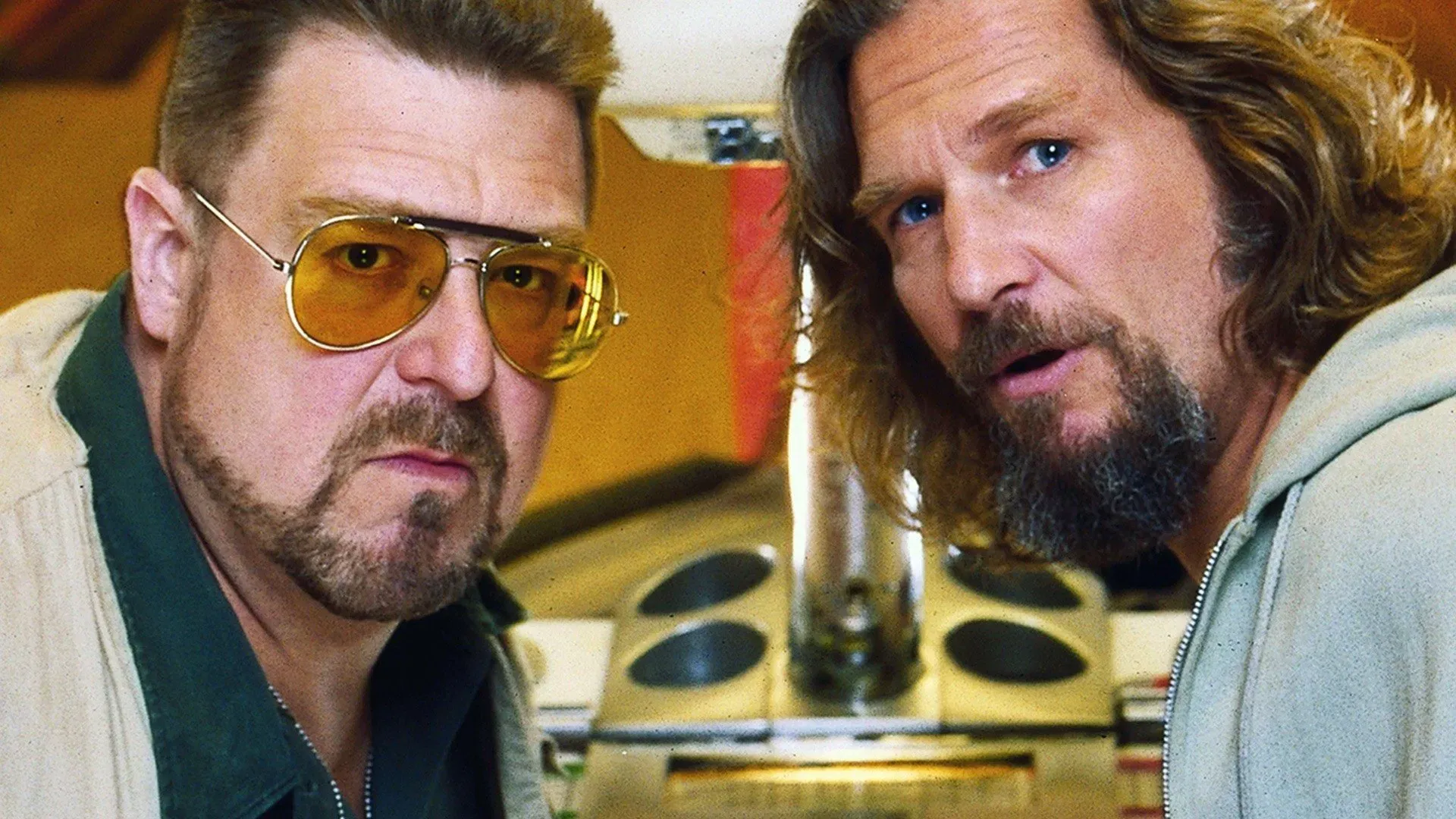 This one feels almost intentional. The Big Lebowski confused people on release. A stoner noir? A bowling comedy? A philosophical farce about masculinity, nihilism, and rugs that really tie the room together? The Academy didn’t know where to place it, so it placed it nowhere.
And yet:
- It’s endlessly quoted
- It spawned festivals
- It created a literal religion
- Its characters feel more alive than most Best Picture winners
The Dude didn’t need an Oscar. He abides. And so does the film.
The Lone Statue Club
Some films weren’t ignored entirely, they were politely acknowledged, then hurried along.
Se7en (1995), Oscars: 1 (Best Film Editing)
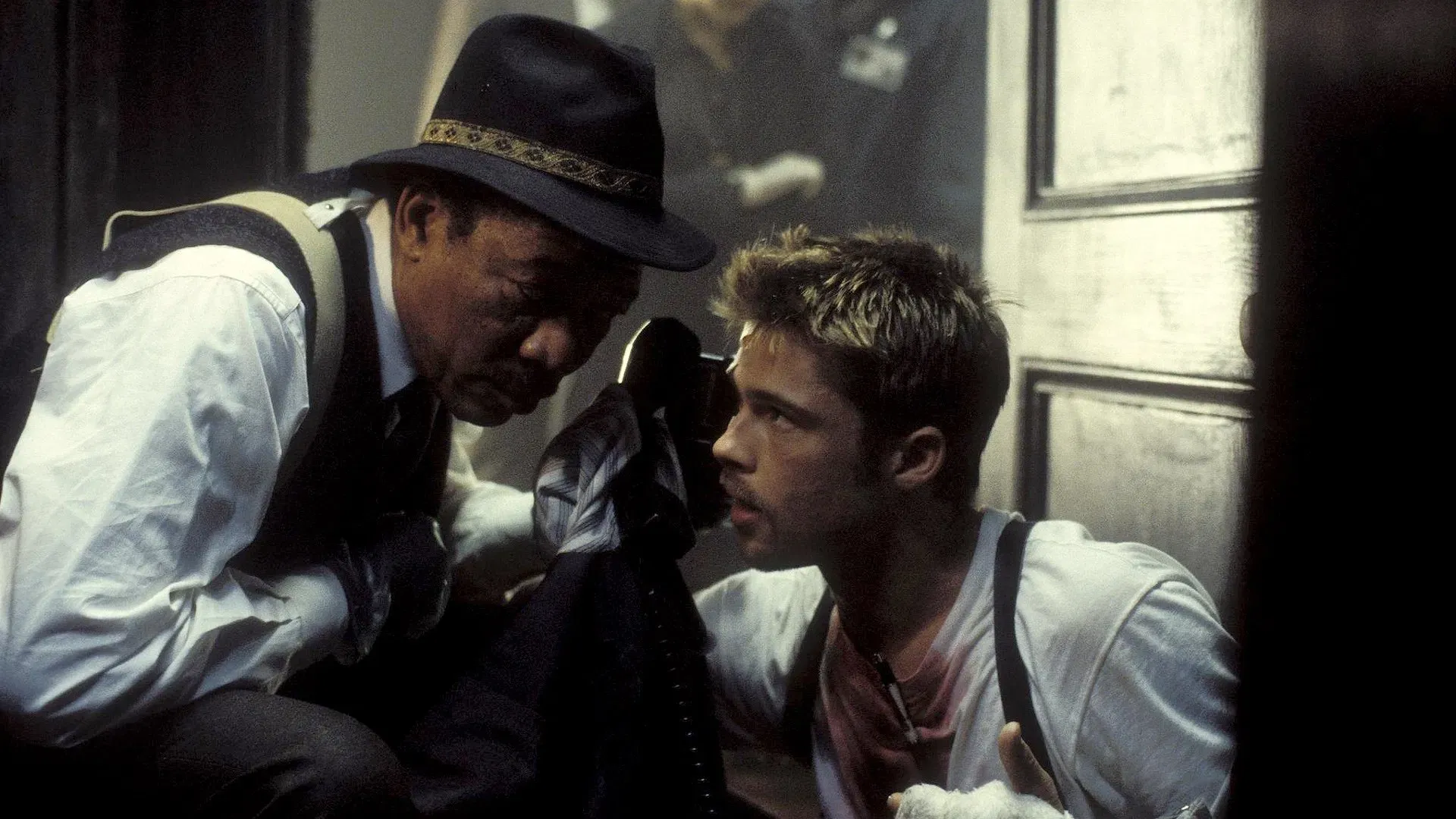 One Oscar. For editing. Which is a bit like awarding a thunderstorm “Best Rain.” Se7en reshaped the modern thriller. Its grimy aesthetic. Its refusal to comfort the audience. Its ending, still one of the most haunting in mainstream cinema. But the film was too bleak. Too uncompromising. Too morally uncomfortable. So the Academy nodded at the editing, correctly and looked the other way. History didn’t.
Technical Genius, Creative Blindness
When the Academy doesn’t know how to reward something revolutionary, it often retreats to the “safe” categories.
Jurassic Park (1993), Oscars 3: (Sound Editing, Sound Design, Visual Effects)
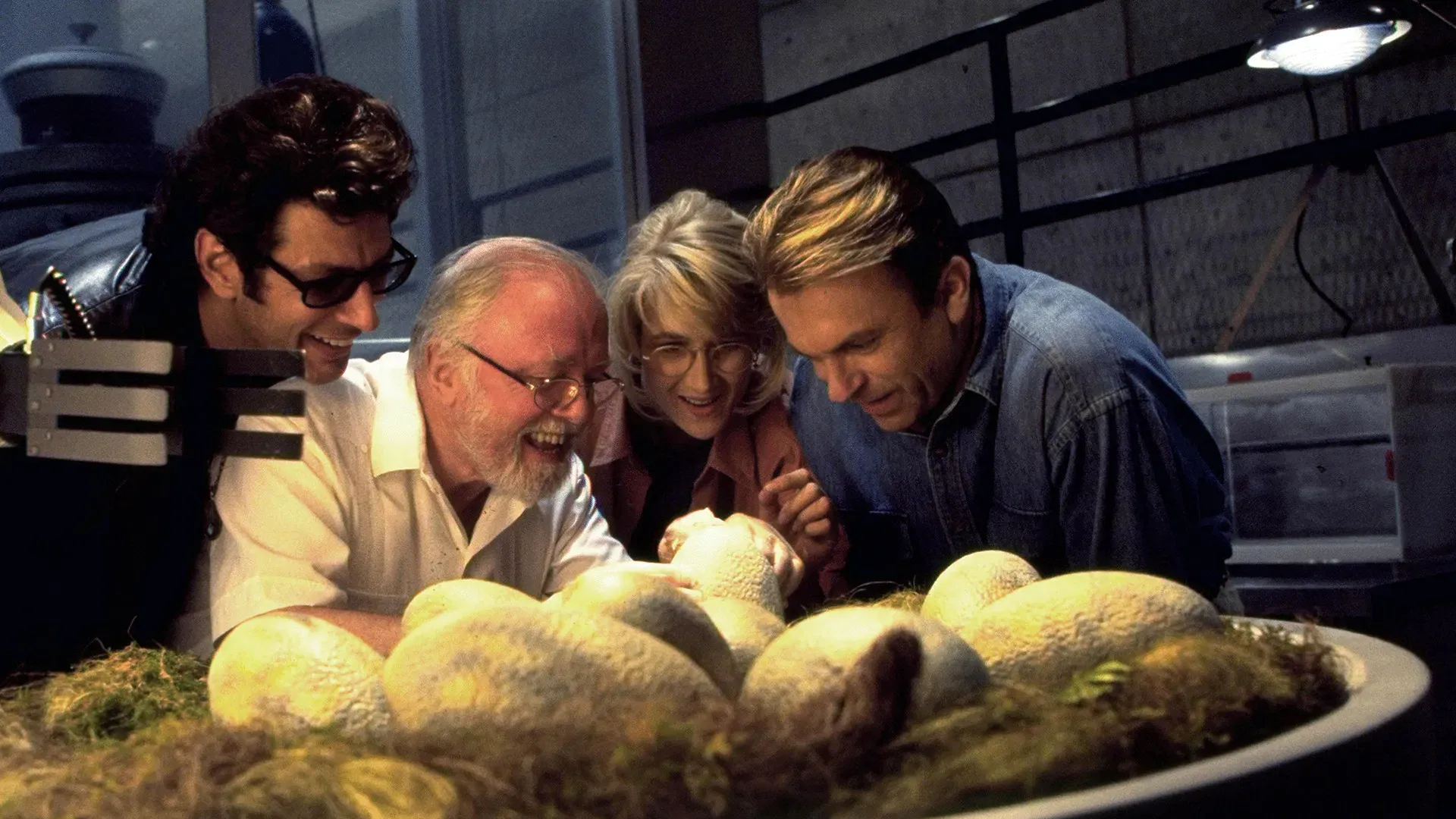 Yes, the technical Oscars were deserved. Sound editing. Sound design. Visual effects. All groundbreaking. But Jurassic Park wasn’t just a technical milestone. It reintroduced wonder to cinema. It balanced awe, terror, humour, and character with astonishing confidence. This wasn’t spectacle for spectacle’s sake, it was storytelling powered by innovation. Yet Spielberg the entertainer was still treated differently from Spielberg the serious filmmaker. A distinction that never really made sense. Dinosaurs changed cinema. The Academy noticed, but only in the back rows.
Blade Runner (1982), Oscars: 2 (Art Direction, Visual Effects)
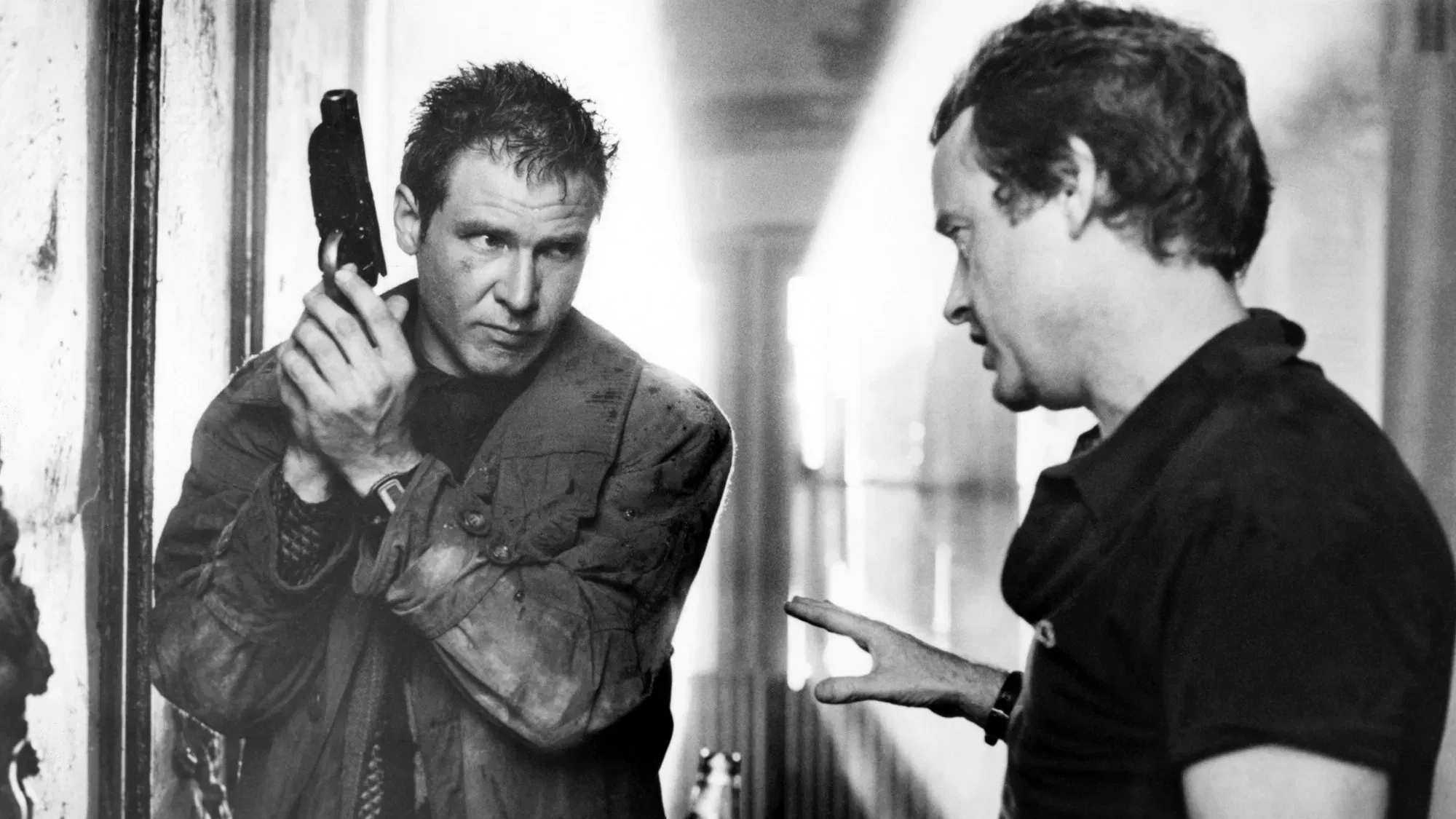 Few films have shaped the future as profoundly as Blade Runner. Cyberpunk. Neo-noir. Artificial intelligence as an existential crisis. Every rain-soaked cityscape since owes it a debt.
On release, it was: Too slow. Too strange. Too philosophical.
Now it’s canonical. Two technical Oscars sit on the shelf. The rest of its influence lives everywhere else.
Seven Nominations. Zero Wins. Eternal Status.
And then there’s the one that still stings.
The Shawshank Redemption (1994), Oscars: 0 (7 Nominations)
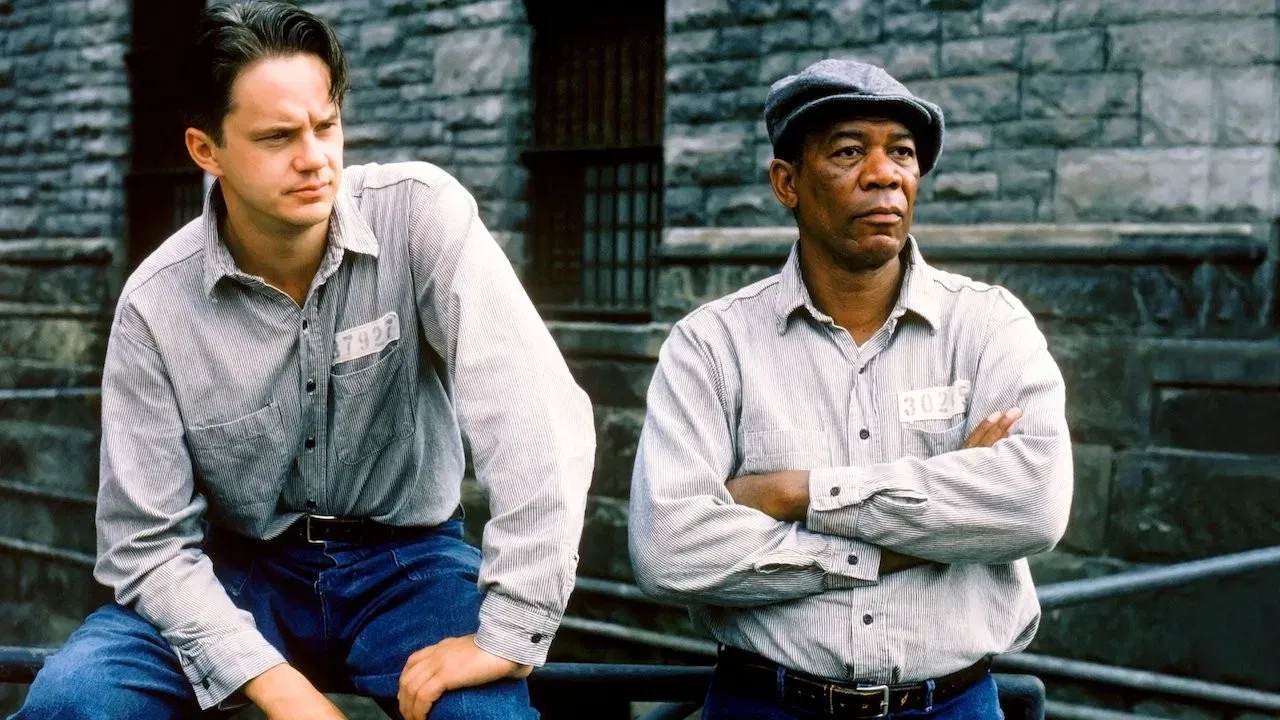 Best Picture. Best Actor. Best Supporting Actor. Best Screenplay. Released into a storm of louder, flashier films, Shawshank quietly slipped through awards season. No controversy. No campaigning hooks. Just patience, hope, and humanity. Today, it routinely tops “greatest films of all time” lists. It’s the movie people recommend when they don’t know what you like, because it turns out, everyone likes Shawshank.
The Oscars passed. Time stayed. Oscar snubs aren’t mistakes, they’re snapshots of taste in the moment. They show us what felt uncomfortable and what didn’t fit the narrative. What arrived before the industry caught up. The Academy rewards impact now. Cinema rewards endurance and the films on this list? They didn’t lose. They outlasted the ceremony itself. They became touchstones, obsessions, comfort watches, and cultural shorthand.
At Recce, we trust the word-of-mouth recommendation. The film someone insists you must see before you die. Gold tarnishes. Love compounds. And sometimes, the emptiest Oscar shelf tells the richest story. 🎬
Jim Irving
Author