Paris: The City Cinema Fell in Love With
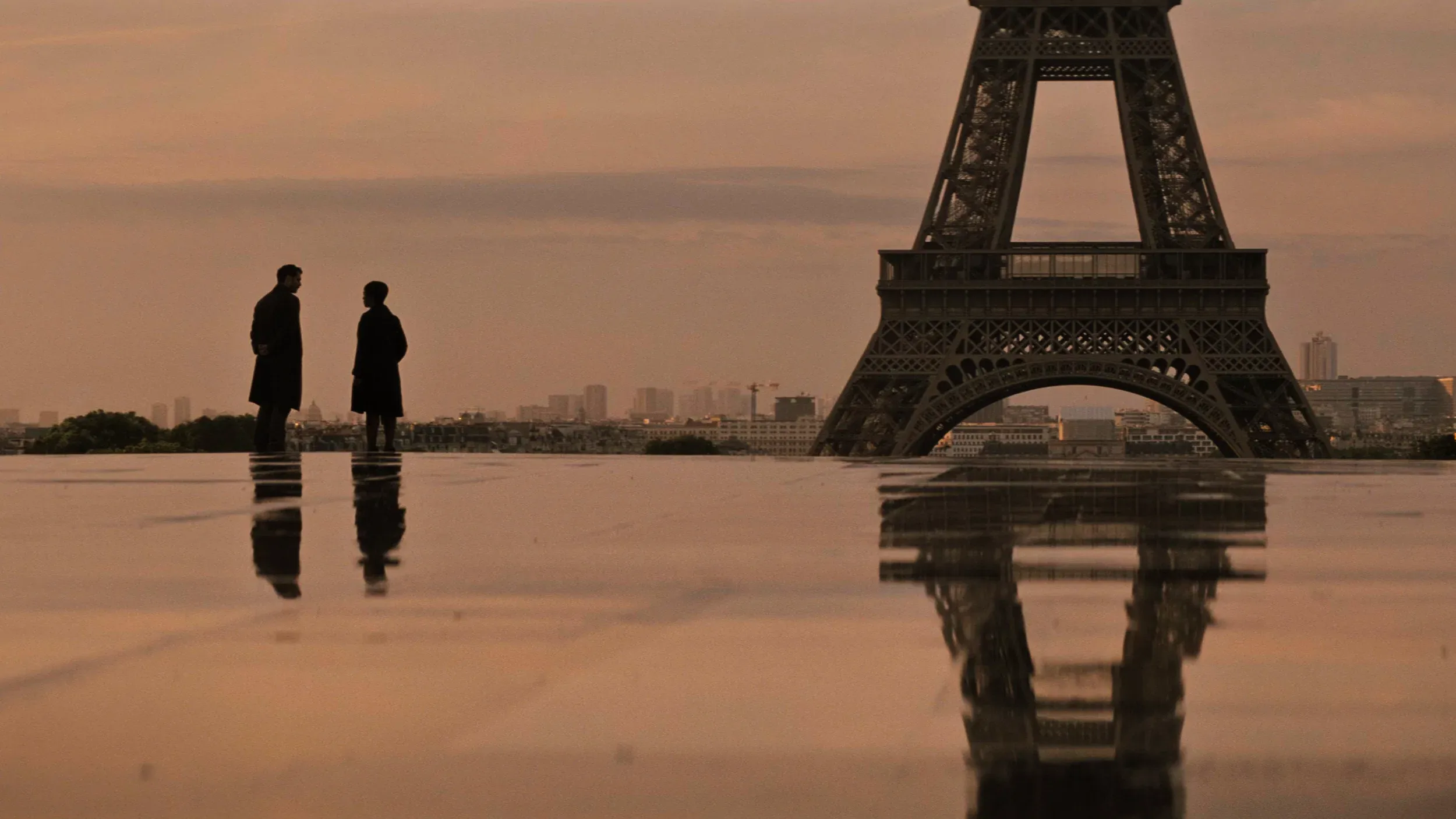
Some cities look good on film. Paris appears to have been designed specifically for it. Give a director the Eiffel Tower, the Seine, Montmartre, a couple of bridges, an impossibly attractive café and someone walking around carrying a baguette, and frankly half the job is already done. For more than a century filmmakers have returned to Paris whenever they need romance, glamour, mystery, danger or simply somewhere beautiful for two people to walk around talking about life.
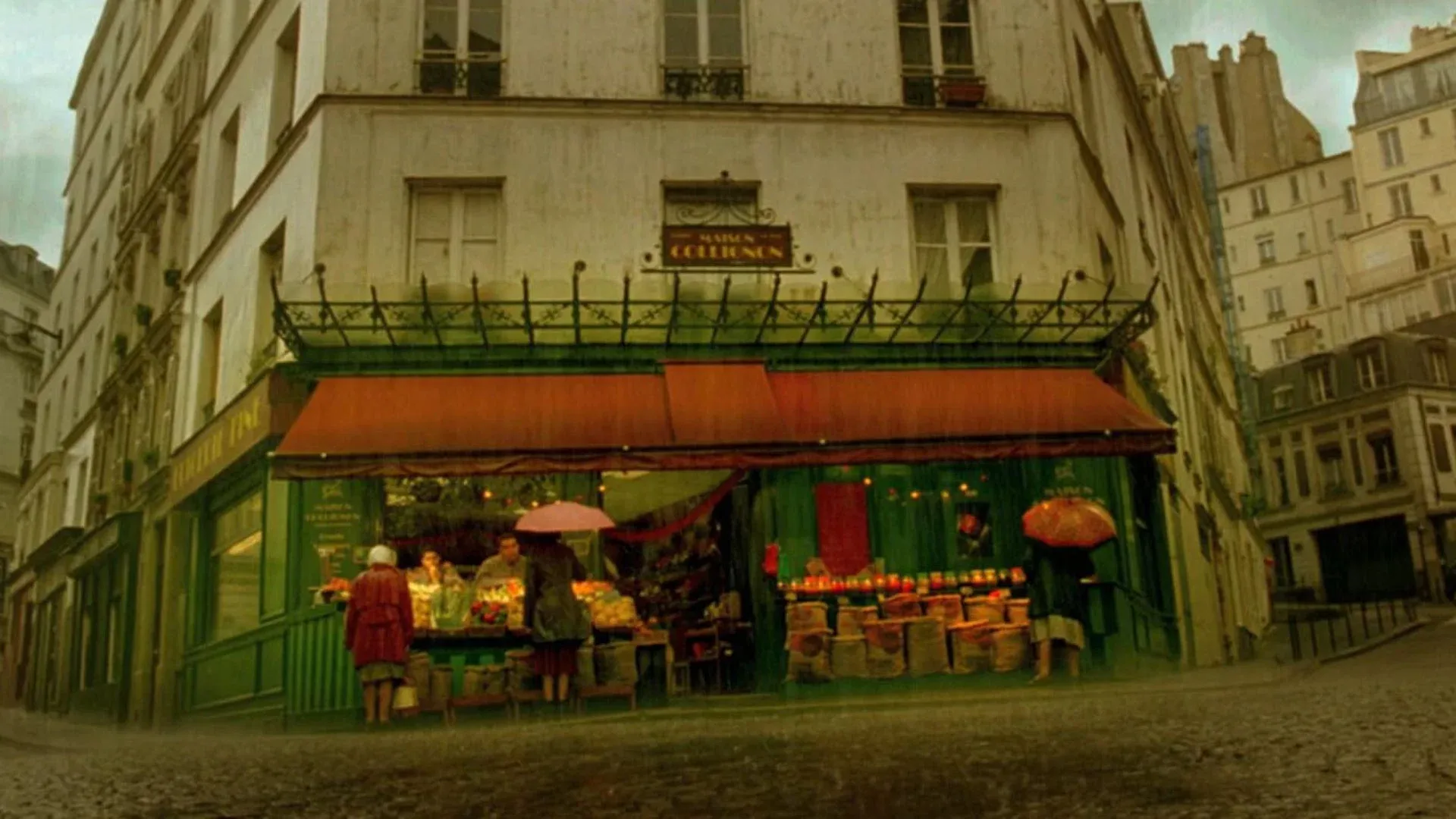 Few movies have captured the fantasy version of the city quite like Amélie. Jean-Pierre Jeunet took Montmartre and somehow made one of Paris’s most photogenic neighbourhoods look even more magical. Audrey Tautou’s Amélie works at the Café des Deux Moulins on Rue Lepic, a real café that remains there today, while the film skips through locations including the Canal Saint-Martin and the streets around Sacré-Cœur. It is Paris with the realism turned down and the colour turned up, exactly the version many visitors secretly hope they’re going to find when they arrive.
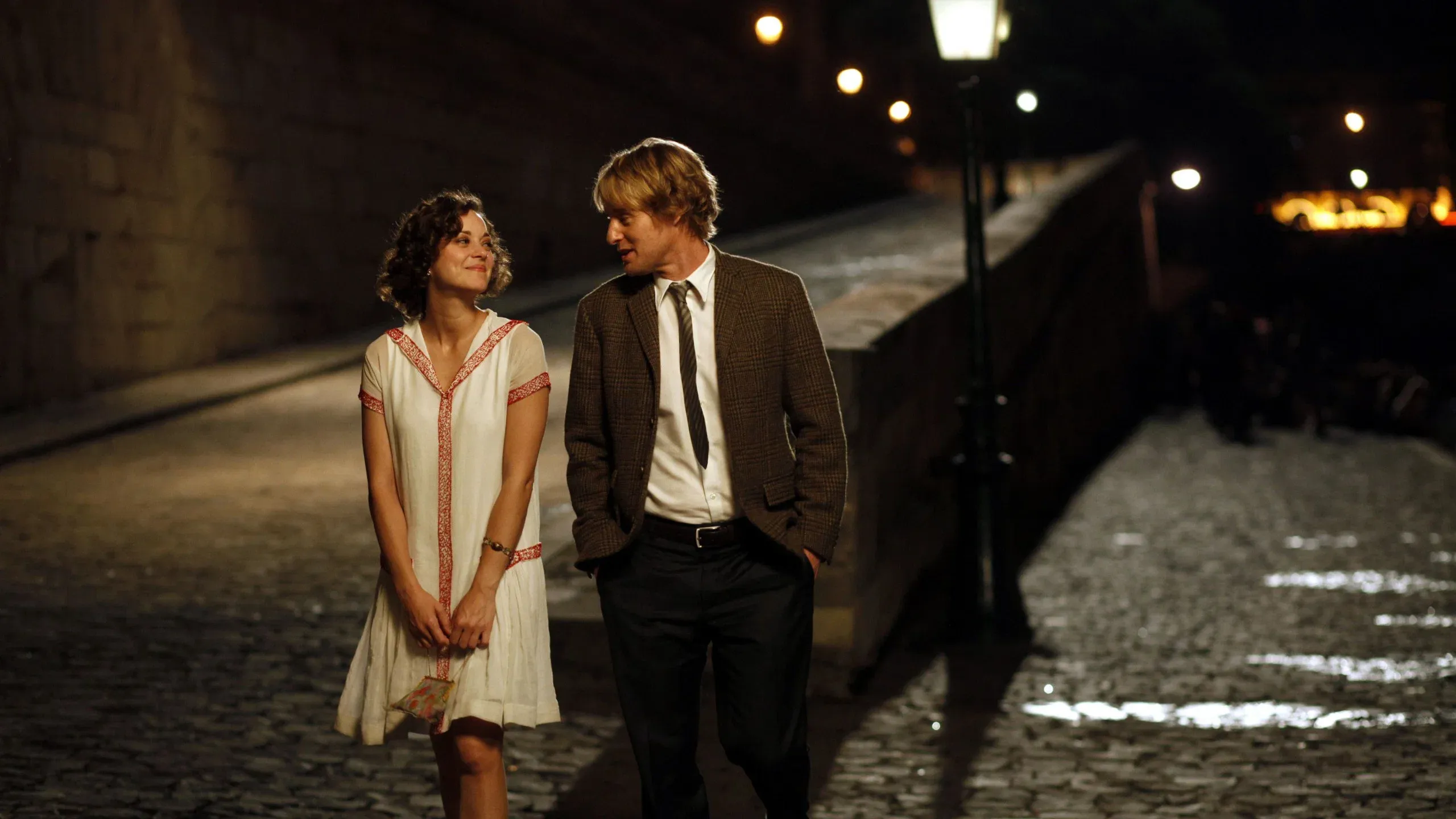 Woody Allen went after a different fantasy with Midnight in Paris. Owen Wilson’s Gil wanders the modern city wishing he could live in another era, only to discover that in Paris this is apparently a perfectly reasonable request. The steps beside Saint-Étienne-du-Mont become his unlikely time-travel terminal, where a vintage car arrives at midnight to transport him into the Paris of Hemingway, Fitzgerald and Picasso. It is an irresistible idea: if there were anywhere in the world where you might turn a corner and accidentally find yourself in the 1920s, Paris feels like a decent bet.
Then Christopher Nolan arrived and decided Paris wasn’t visually interesting enough, so he folded it in half.
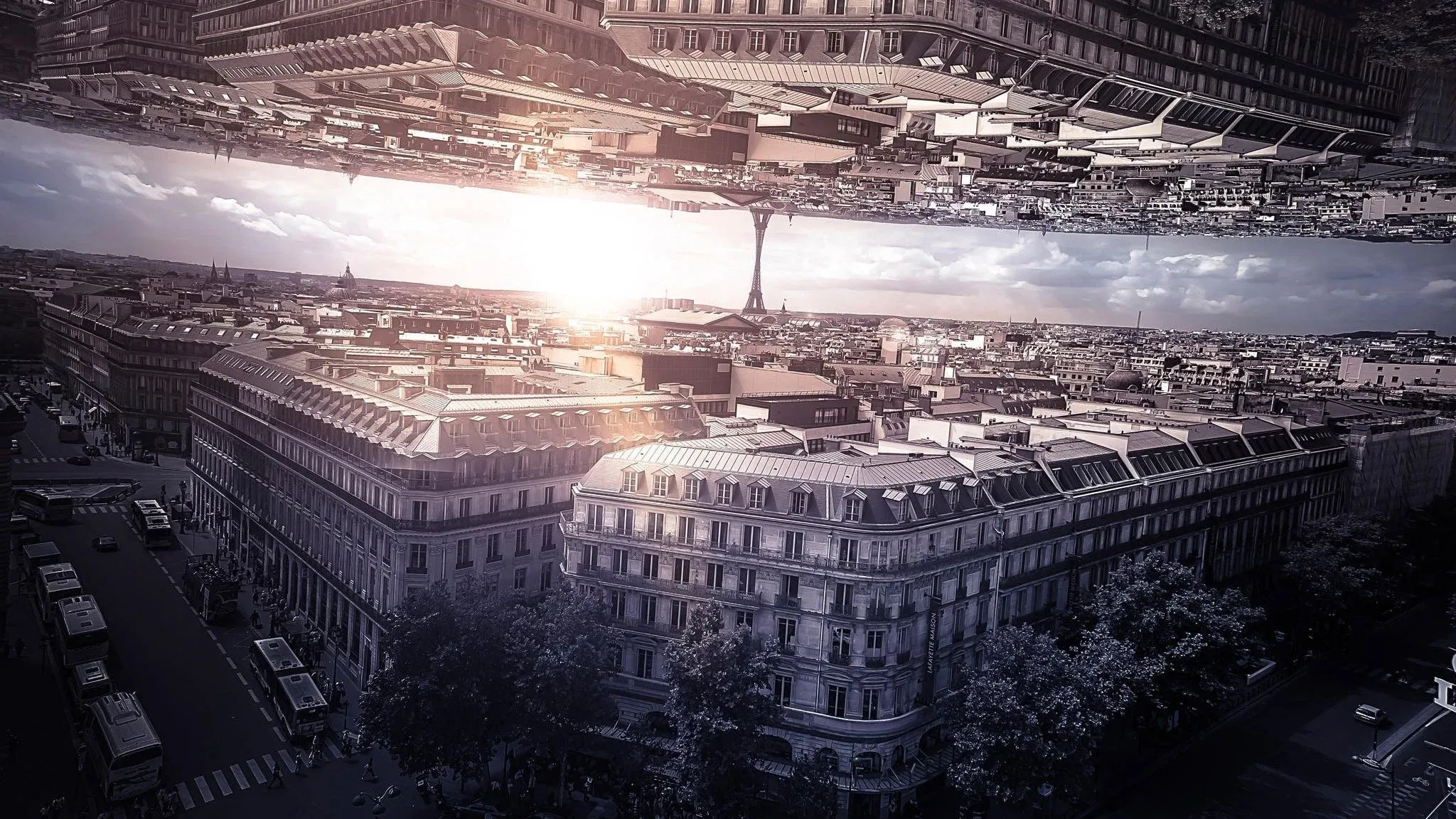 Inception gives us one of the great modern Paris movie moments as Ariadne learns how to manipulate dreams and the streets literally rise above her. Elsewhere, the Pont de Bir-Hakeim provides the setting for another of the film’s most memorable sequences. It's a location filmmakers love for good reason: steel columns, views across the Seine and the Eiffel Tower conveniently hanging around in the background looking like the world’s most expensive piece of set dressing.
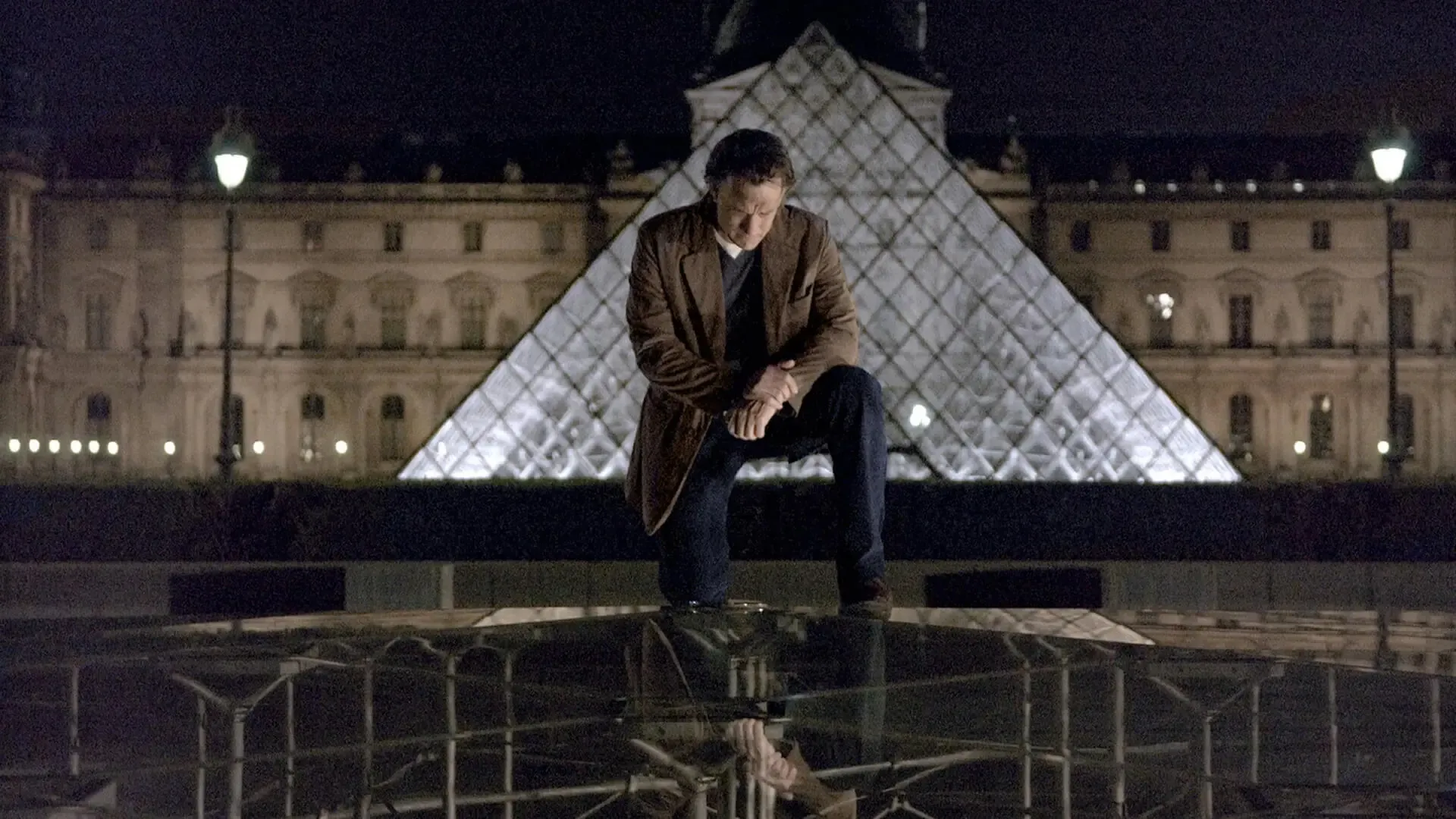 Of course, Paris doesn’t have to be dreamy. The Da Vinci Code turned the Louvre into the starting point of a global conspiracy, proving that even one of the world’s greatest museums becomes considerably more sinister when Tom Hanks starts looking worried inside it. The Bourne Identity made Paris part of Jason Bourne’s desperate attempt to discover who he was, while Taken gave the city one of its less flattering cinematic tourism campaigns. Liam Neeson arrived looking for his daughter and proceeded to demonstrate his very particular set of skills across the French capital.
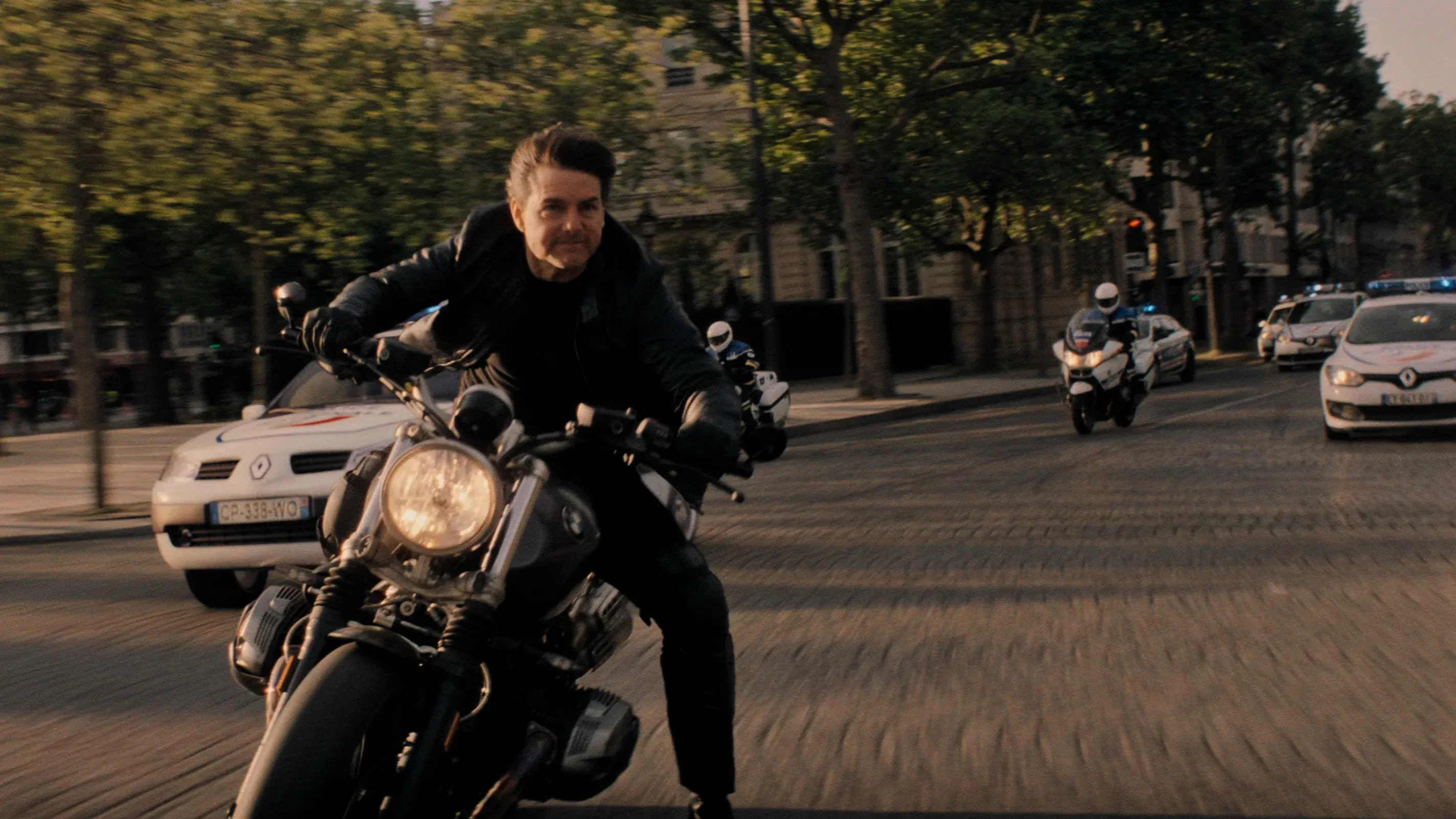 For pure action, though, Paris has rarely looked better than in Mission: Impossible - Fallout. Tom Cruise tears through the city on a motorbike, circles the Arc de Triomphe in completely the wrong manner and reminds us that normal traffic regulations become largely optional when you are Ethan Hunt. Ronin had already discovered the same principle years earlier, using Parisian streets and tunnels for some of the finest car-chase sequences of the 1990s.
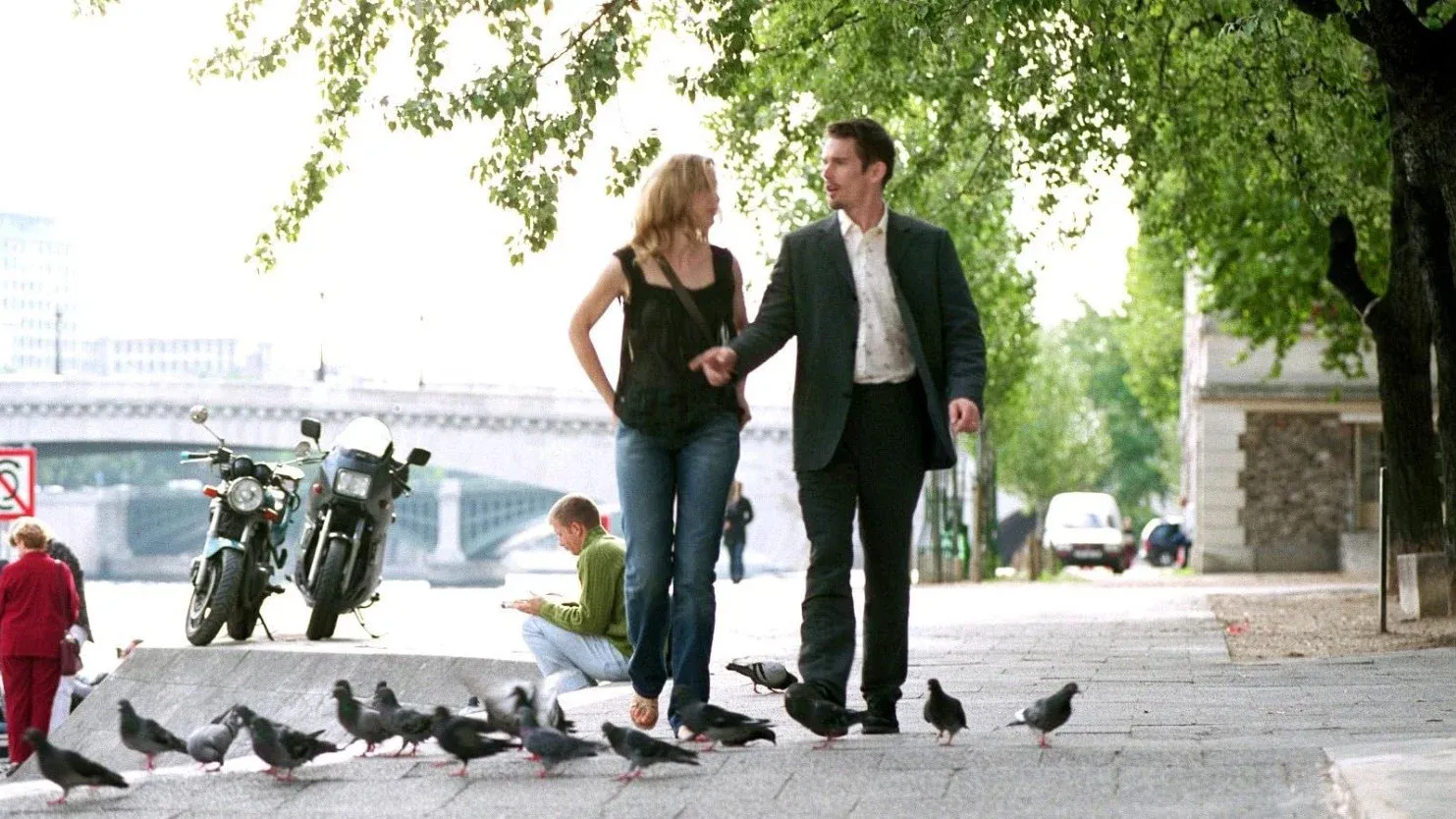 But perhaps Paris works best when almost nothing happens. Richard Linklater’s Before Sunset reunites Jesse and Céline nine years after Before Sunrise and simply lets them walk through Paris talking. Cafés, streets, the Seine and ordinary corners of the city become part of the conversation. No explosions. No conspiracies. Nobody folds Paris upwards. Just two people and a city doing what Paris has always done particularly well on screen.
And we haven't even got to Moulin Rouge!, An American in Paris, Ratatouille, The Devil Wears Prada or James Bond. Paris has played romantic fantasy, action playground, historical time machine and giant open-air movie set.
Which is probably why cinema keeps coming back.
Some cities appear in films. Paris knows it's the star.
Jim Irving
Author