Rio: Sun, Samba and a Licence to Thrill
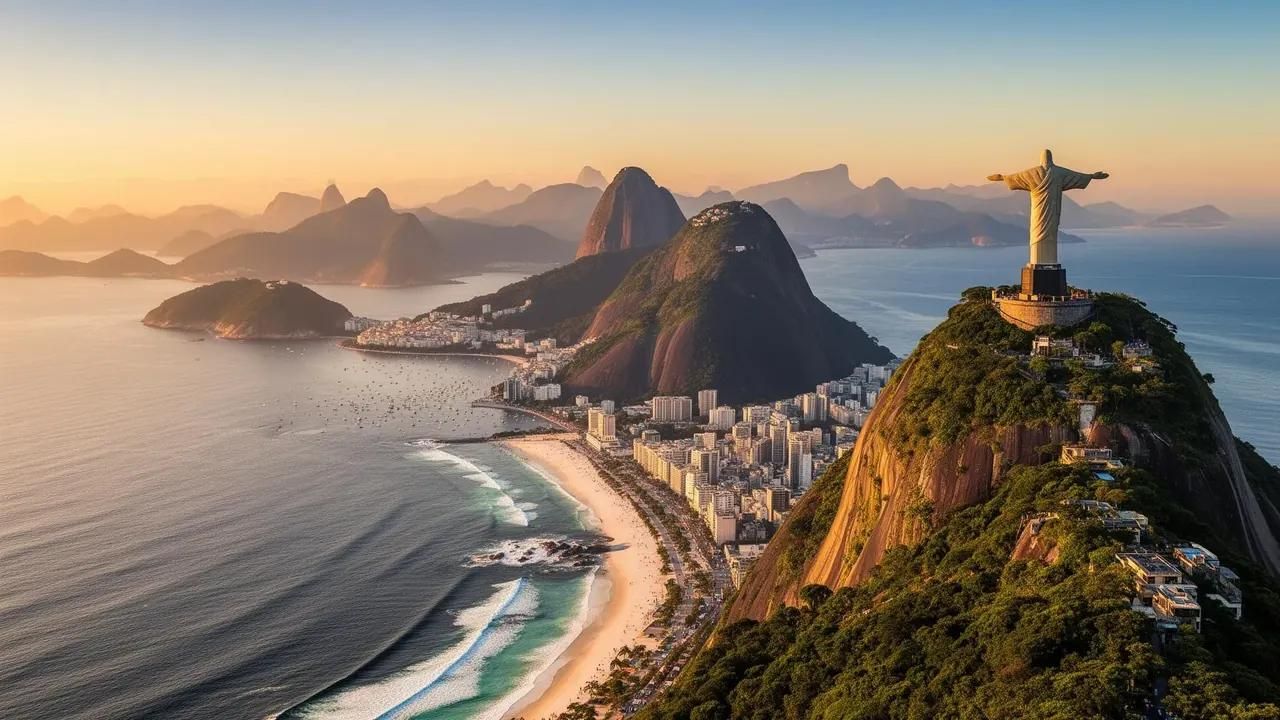
Some cities need a little help from the movies. Rio de Janeiro really doesn't. Mountains erupt out of the middle of the city, beaches stretch alongside skyscrapers, Christ the Redeemer watches everything from above and Sugarloaf sits at the entrance to the bay looking suspiciously like somebody designed it specifically for an establishing shot. If cinema wants glamour, danger, colour, romance or chaos, Rio can provide all five before lunch.
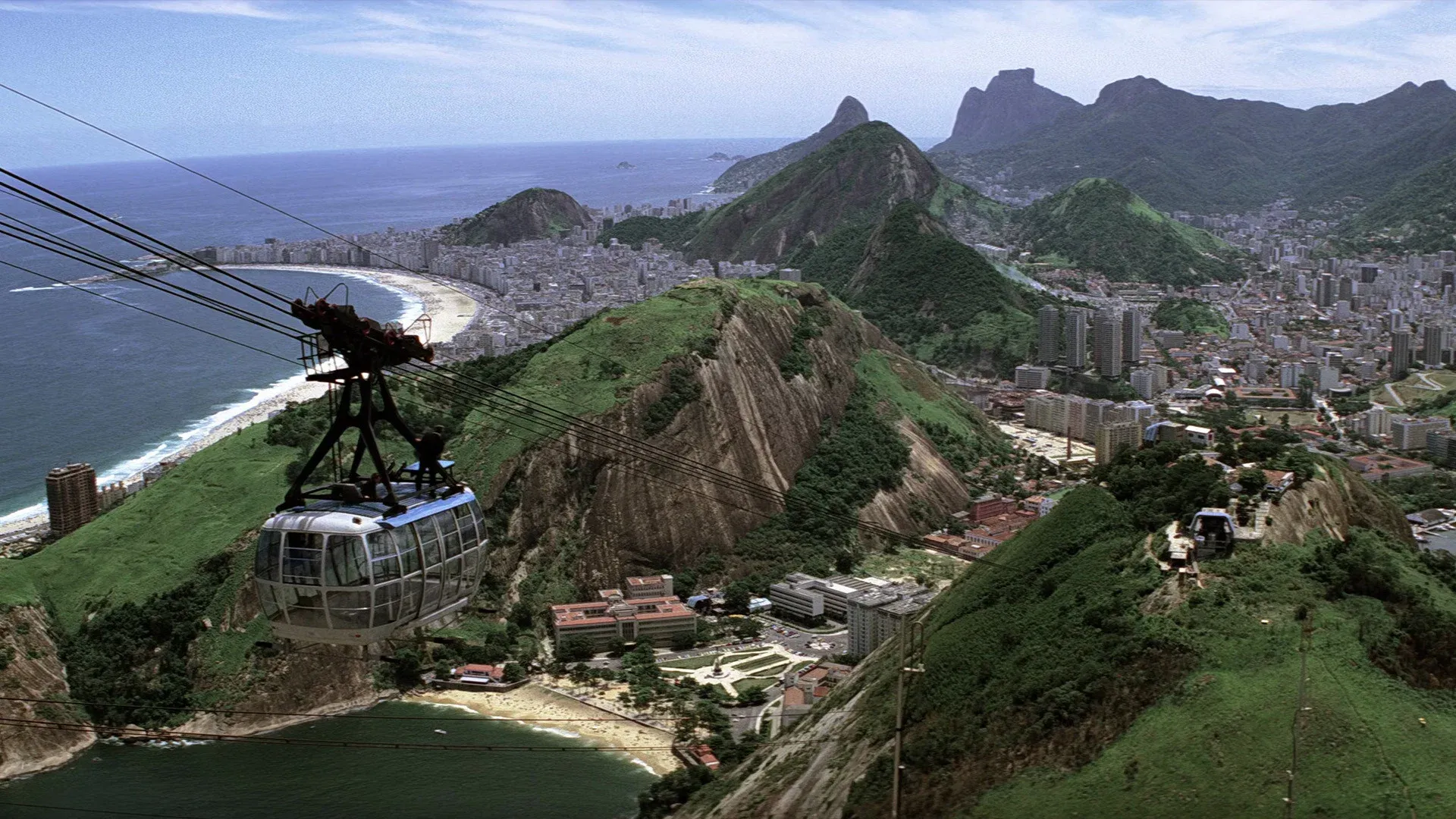 James Bond discovered this rather spectacularly in Moonraker. Roger Moore arrives in Rio during Carnival before eventually finding himself aboard the Sugarloaf cable car with Jaws attempting to kill him. The sequence was genuinely filmed on the famous cableway, turning one of the city's greatest tourist attractions into a very high-altitude Bond battleground. Decades later, the cable cars are still running the same route between Praia Vermelha, Morro da Urca and Sugarloaf. Jaws, thankfully, is no longer part of the ticket price.
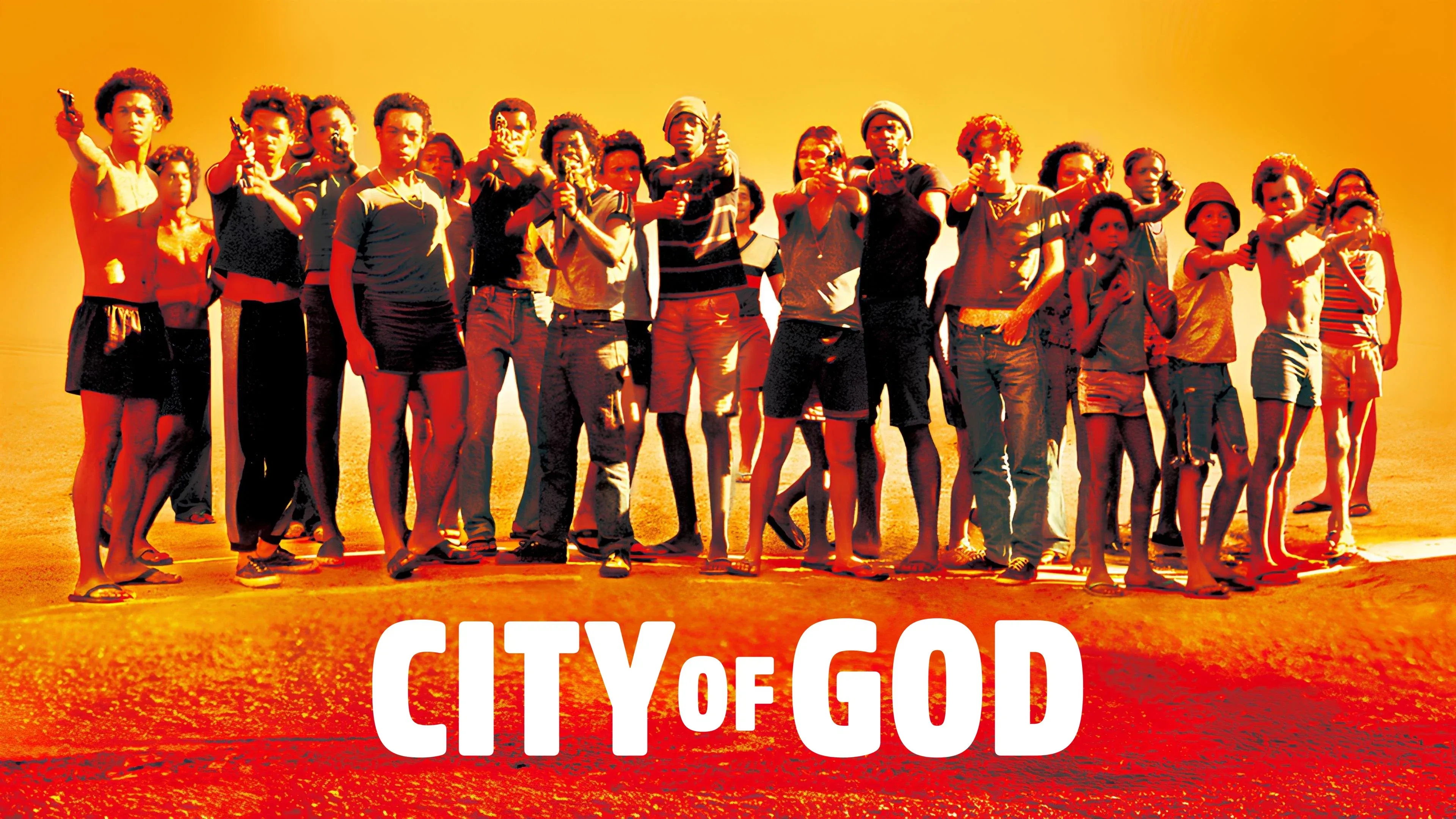 But Rio's most powerful contribution to cinema came from filmmakers telling stories from inside the city itself. Fernando Meirelles and Kátia Lund's City of God showed an entirely different Rio from the beaches and postcards. Based around the Cidade de Deus community, it is fast, brutal, funny, frightening and bursting with life. Much of the cast came from local communities and filming took place around Rio, including Cidade de Deus and Grumari. The result became one of the defining Brazilian films of the modern era and gave international audiences an image of Rio a very long way from Copacabana cocktails.
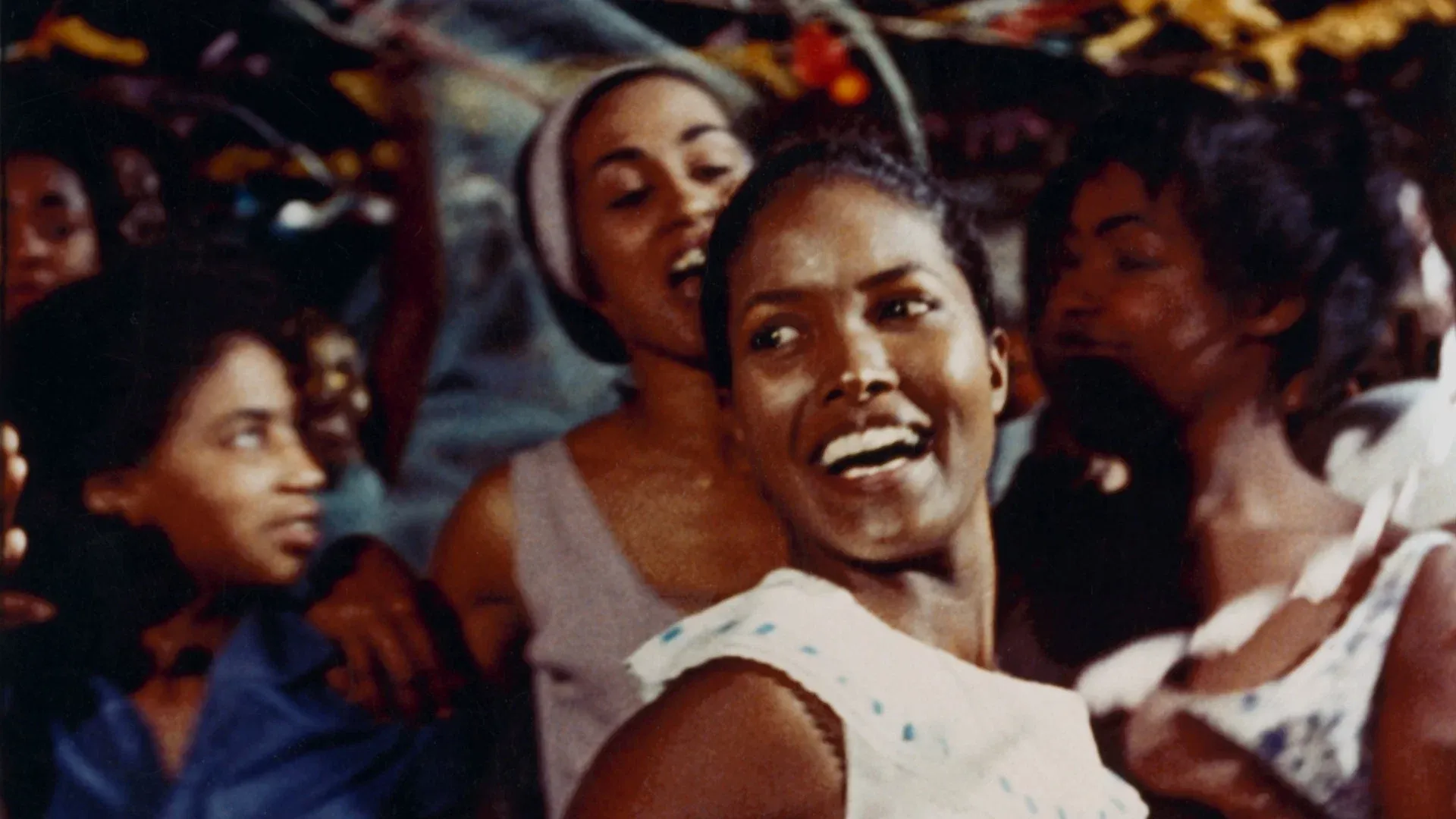 Rio had already provided the backdrop to another landmark of Brazilian cinema. Black Orpheus, released in 1959, transplanted the Greek myth of Orpheus and Eurydice into Rio during Carnival. Music, dancing, hillside communities and the city itself became inseparable from the story, helping create one of the earliest internationally famous cinematic visions of Rio.
Then Hollywood arrived with considerably more horsepower.
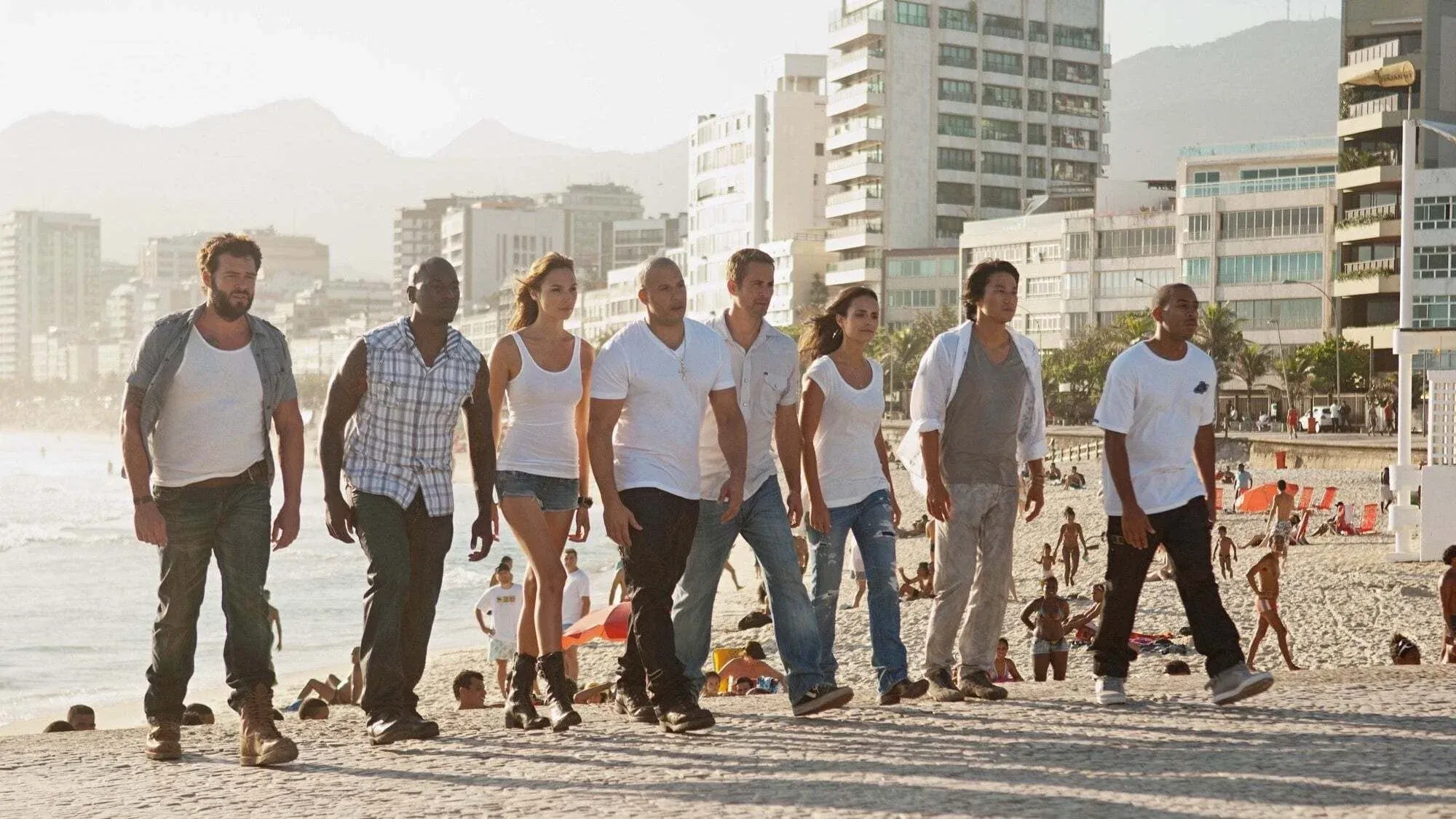 Fast Five moves Dominic Toretto and his increasingly enormous extended family to Rio and essentially treats the city as one giant racetrack. There are rooftop chases, speeding cars and that wonderfully absurd finale involving a gigantic bank vault being dragged through the streets. There is, however, a small cinematic cheat. Although genuine Rio footage was filmed around locations including Copacabana, Ipanema and Sugarloaf, much of the major action actually took place in Puerto Rico and elsewhere, dressed to look like Rio. Apparently even Fast & Furious occasionally encounters logistical difficulties it can't solve by simply driving faster.
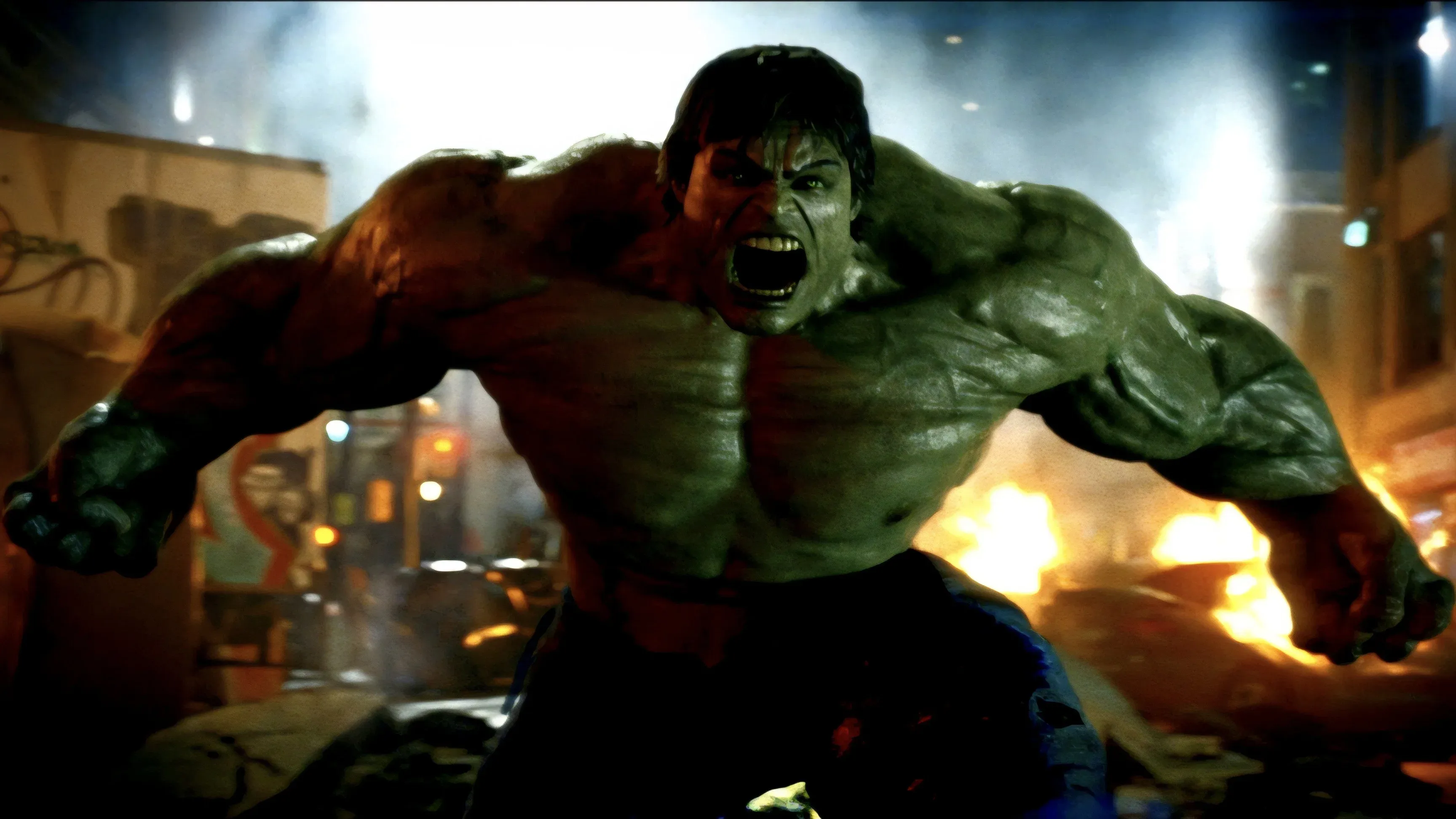 Edward Norton had better luck. The Incredible Hulk genuinely put Bruce Banner into Rio, using locations including Rocinha, Lapa, Santa Teresa and the Tijuca area. Rio's steep streets and densely packed neighbourhoods were perfect for Banner's attempts to stay hidden — at least until everybody inevitably started chasing him.
Even vampires couldn't resist the place. In The Twilight Saga: Breaking Dawn – Part 1, Edward and Bella pass through Lapa on the way to their honeymoon, wandering through a nighttime street party beneath the famous arches. The sequence was actually shot in Rio before production moved down the coast to Paraty for the fictional Isle Esme. Apparently immortality still doesn't exempt you from doing the tourist trail.
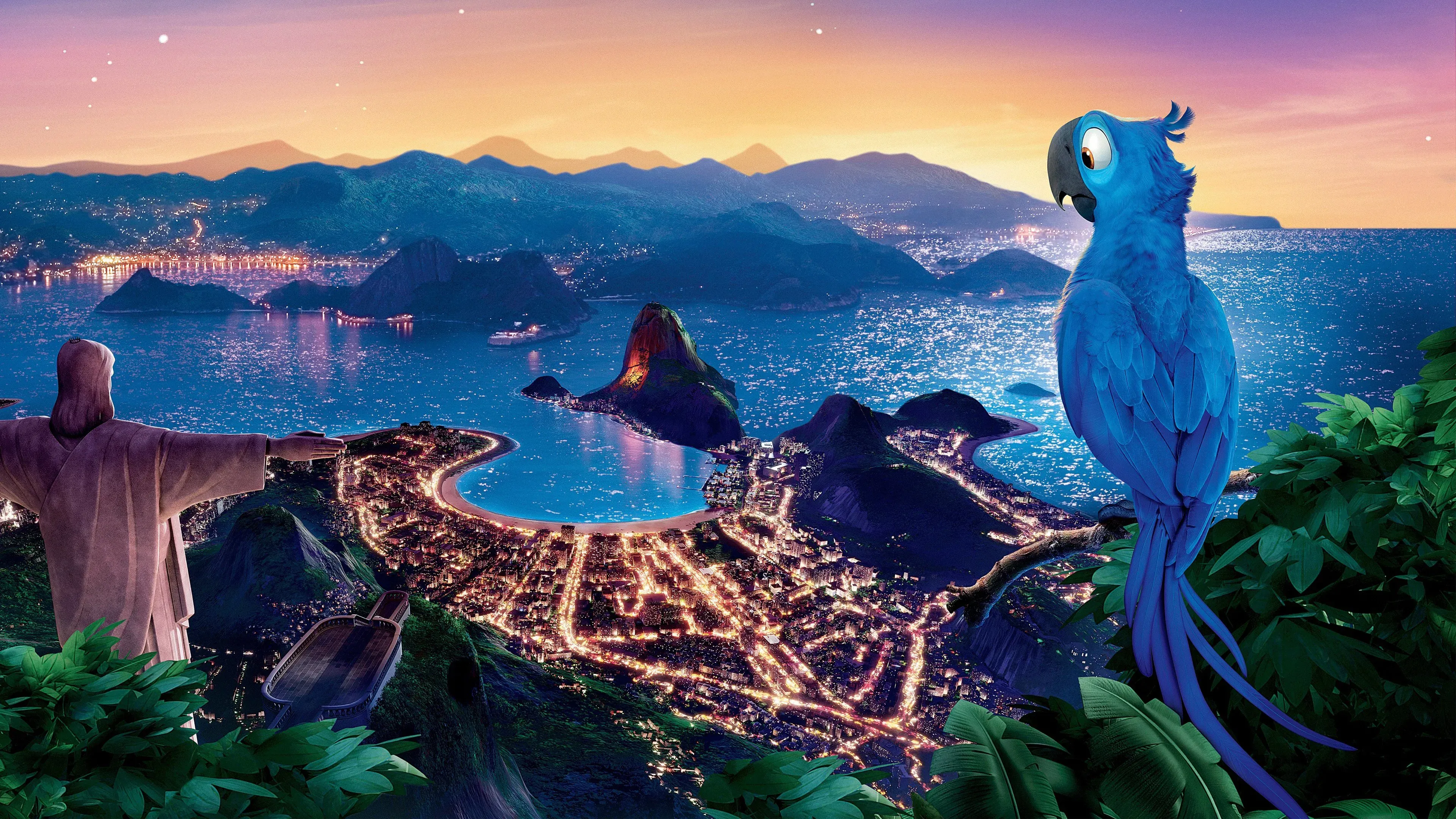 And then there is Rio, the animated movie that didn't even bother pretending the city wasn't the main attraction. Blu the macaw arrives amid beaches, Carnival, mountains, music and explosions of colour. When a city is so recognisable that an animated bird can fly across it and you instantly know where you are, your branding is probably doing quite well.
More recently, Walter Salles' Oscar-winning I'm Still Here returned to Rio for something much quieter and more personal. Set against Brazil's military dictatorship, the film recreates the life of the Paiva family in 1970s Rio, with a house in Urca standing in for their original home. Following the film's success, the property was acquired to become a home celebrating Brazilian cinema — a movie location becoming part of the country's film culture for real.
That's Rio on film. Bond hangs from its cable cars, Dom Toretto races through its streets, Bruce Banner hides in its neighbourhoods and Brazilian filmmakers use the same city to tell stories that are altogether deeper and more complicated.
Paris seduces the camera. London can play almost anything. Vegas turns everything to gold. Rio looks at all of them and turns up the volume.
Jim Irving
Author