RoboCop Is Back. Your Move, Amazon.
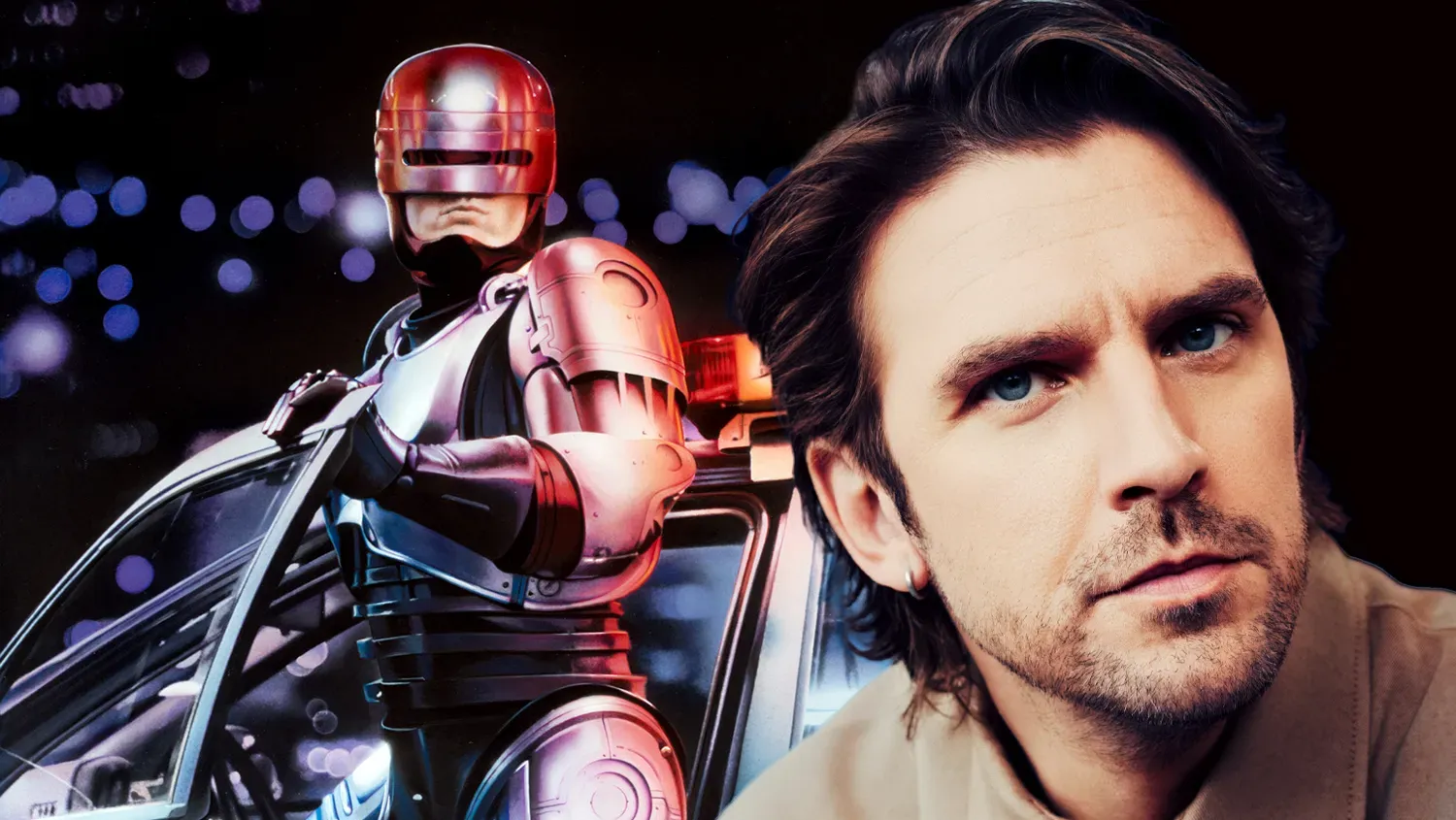
Hollywood has once again looked deep into its enormous cupboard of old intellectual property and pulled out RoboCop.
This time, though, Alex Murphy isn’t heading back to the cinema. He’s coming to television.
Prime Video has ordered an eight-part RoboCop series, with Dan Stevens taking the lead role as the fallen police officer whose consciousness is implanted into a powerful robotic law-enforcement machine. Peter Ocko will serve as writer and showrunner, while horror heavyweight James Wan is among the executive producers. Perhaps most encouragingly, original RoboCop co-creators Ed Neumeier and Michael Miner are also involved.
On paper, you can already hear the collective groan. Another reboot? Another familiar title? Another studio spending hundreds of millions rummaging around in a box marked “Things People Liked in the Eighties”?
But RoboCop is slightly different.
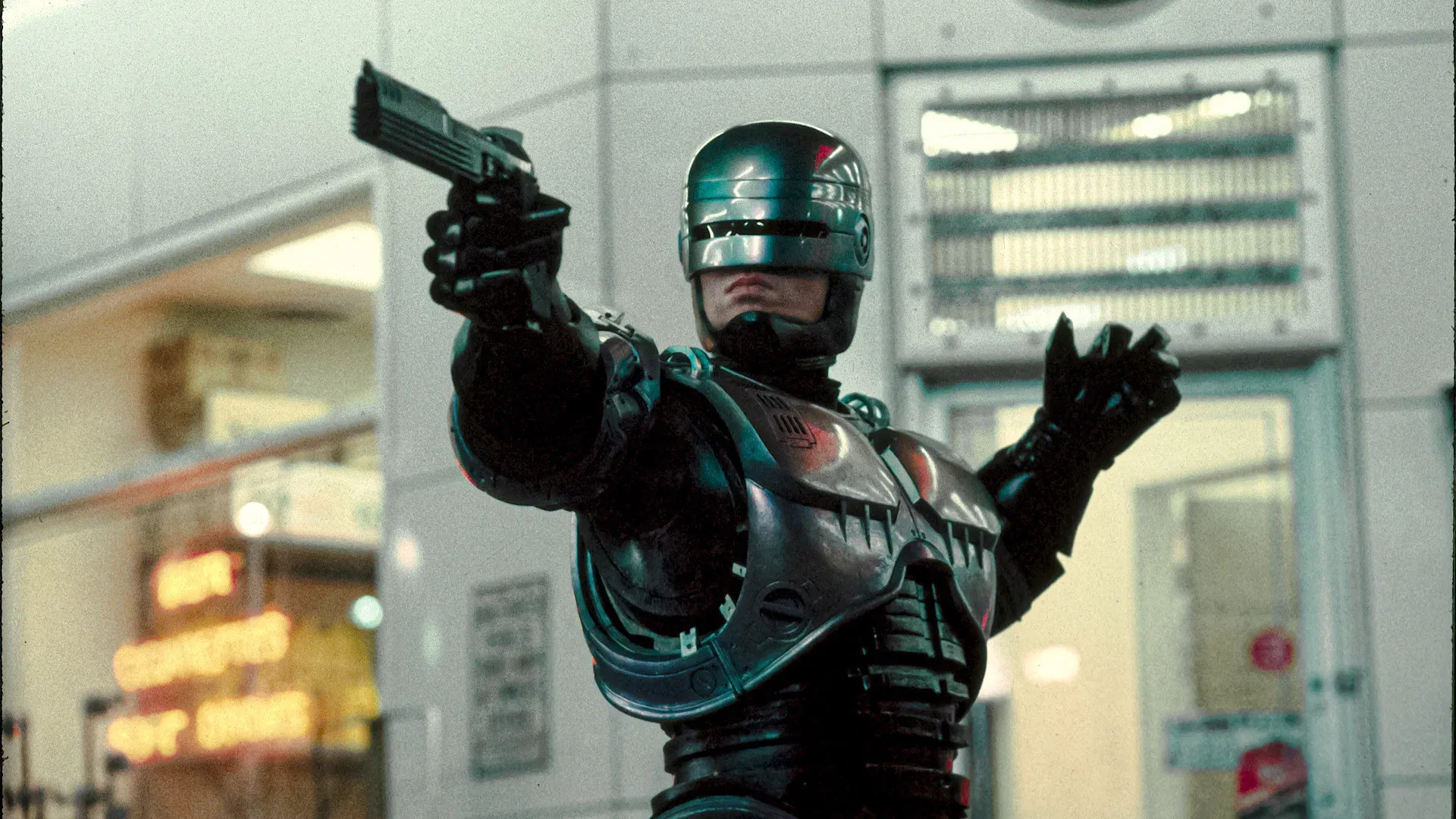 Paul Verhoeven’s 1987 original wasn’t simply a film about a bloke in a metal suit shooting bad guys. It was a vicious, funny, ultra-violent satire about corporate greed, privatisation, consumerism, television, technology and a society slowly losing its humanity. So, basically, absolutely nothing relevant to 2026 whatsoever.
James Wan has already pointed out that the original film’s questions about technology, identity and who corporations really serve have become even more relevant today. And for once, that doesn’t feel like standard promotional nonsense. AI is exploding, gigantic technology companies increasingly shape our daily lives, algorithms know more about us than many of our friends do, and every organisation on Earth appears desperate to automate something. Suddenly the idea of a corporation convincing a city that a robot police officer would make everything better doesn’t sound particularly futuristic. That is where the television format could actually make sense.
The original RoboCop was wonderfully direct, but eight episodes offer room to explore Murphy’s humanity, the corporation behind him and the wider world around this technology in much greater depth. Done properly, it could be part action thriller, part science fiction and part savage corporate satire. And Dan Stevens is an interesting choice.
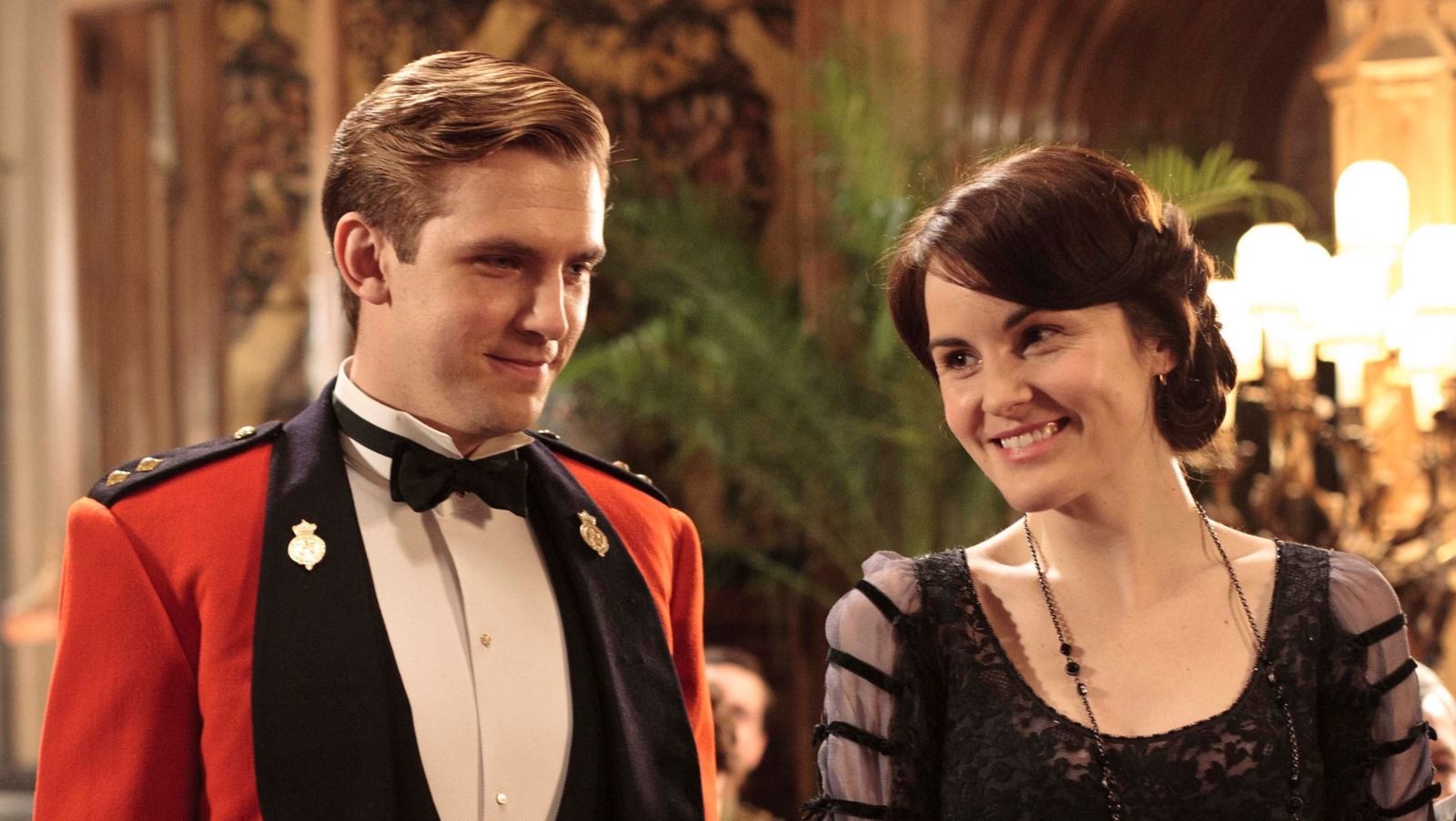 Anyone who still mainly remembers him as Matthew Crawley in Downton Abbey has clearly missed the increasingly strange career he has built since. Legion, The Guest, Cuckoo, Godzilla x Kong and even Eurovision Song Contest suggest an actor who is perfectly comfortable making unusual choices. He also has that slightly unnerving ability to look completely respectable while giving the impression something extremely odd may be happening underneath. Which feels pretty useful when you’re playing a dead policeman inside a machine.
Of course, RoboCop has been resurrected before. Peter Weller returned for RoboCop 2, Robert Burke took over for the third film, and Joel Kinnaman starred in the glossy 2014 reboot. There have already been animated shows, live-action television series, comics and games. This is not exactly unexplored territory.
Which brings us back to the obvious question. Do we really need another RoboCop? Probably not. But that may be the wrong question. We didn’t particularly need another Top Gun either. We certainly didn’t need another Blade Runner. What matters is whether somebody has found a reason for the character to exist again beyond brand recognition.
And strangely, RoboCop may actually make more sense today than he did 39 years ago. If Amazon can resist turning him into just another shiny action hero, there is a brilliant modern satire sitting underneath that metal helmet.
Dead or alive, we’re watching this one.
Jim Irving
Author