
Steve Hughes: From A Broken Camcorder to BAFTAs
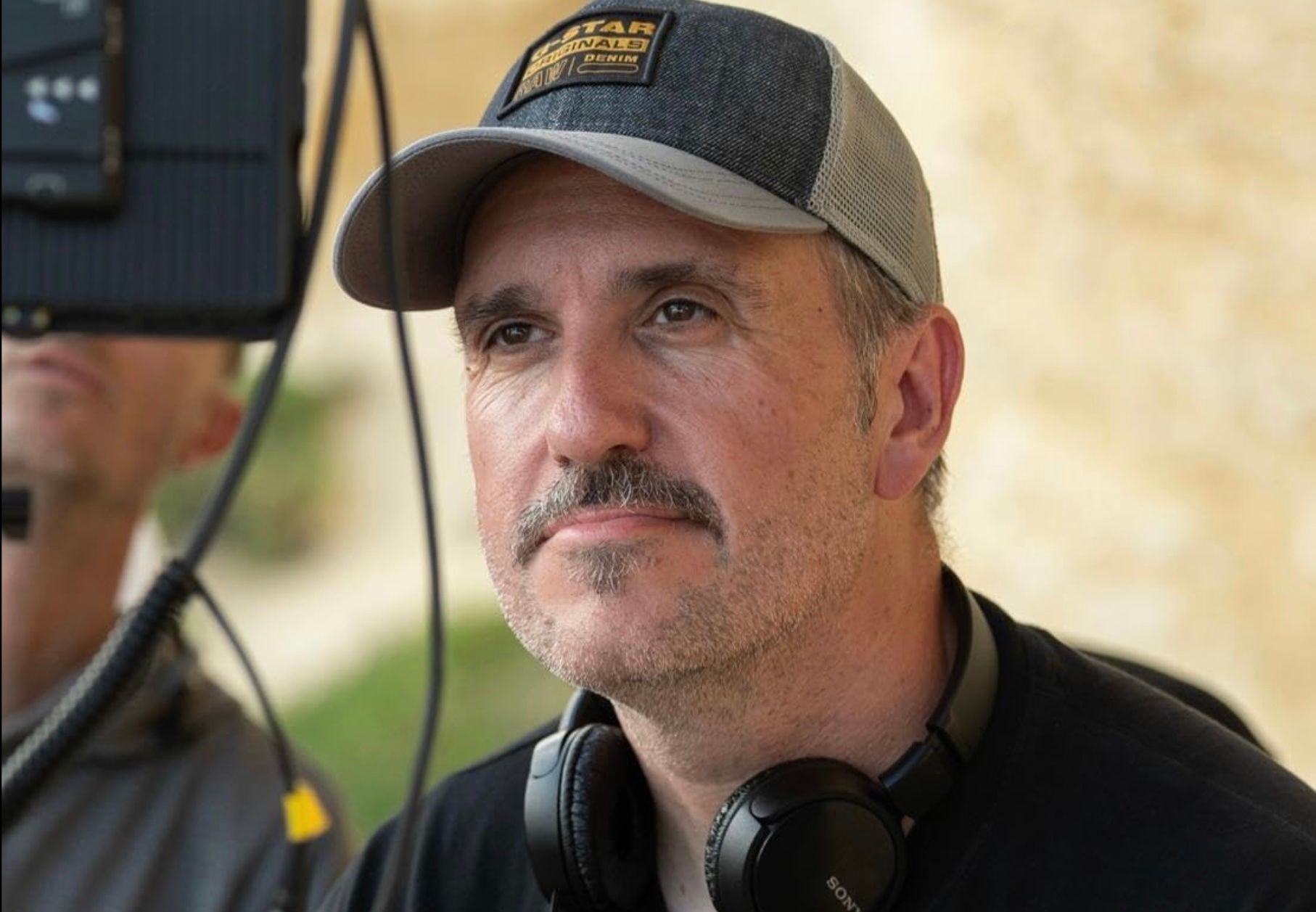
Recce sits down with director Steve Hughes to trace a journey that begins in Wigan and leads to some of British television’s most beloved TV shows. It’s a story of grit, fandom, missed confessions, Cybermen and a shattered camcorder that nearly ended it all before it began.
Growing Up in Wigan: “There Wasn’t a Lot to Do”
For Steve, cinema has never been just entertainment, it’s escape, education and connection. “Growing up in Wigan, there weren't a lot of things to do,” he recalls. “A lot of our outlets were watching TV and movies.” Coming from what Steve describes as a “proper working-class background,” film became both pastime and passport. Trips to the cinema, endless VHS rentals, and making short films with friends shaped his early years. “I’ve always surrounded myself with friends who love movies, it’s a friend-building way of communicating with people, whether you like the same films or not.”
 Initially, directing wasn’t the plan. “At one stage I thought about being an actor.” That ambition ended abruptly after playing “man number two” in a local theatre production of Amadeus in 1989. “I realised that I can’t act. I know what my brain wants to do, but the mechanism of it coming out of me doesn’t deliver.” Instead of performing, Steve found his place behind the camera. “I thought, If I can tell people what to do with this love of film, maybe I should be a director.” With just three GCSEs and no industry connections, television felt out of reach. But a talent for graphic design and editing, combined with making short films with friends, opened the first doors.“ I never thought I’d ever get an opportunity to work in TV, but I was lucky enough to get a place on a TV Production course up in Northumberland… and that put me on the path.”
The Film That Changed Everything: Back to the Future
Like many of his generation, Steve loved Star Wars. But there was one film that truly altered his trajectory: Back to the Future. “I mean, everyone loves Star Wars. That’s a given. But the one (film) that had a real effect on me was Back to the Future.” He saw it in Manchester with his brother while their dad went guitar shopping. “We watched it and we both thought that’s the best film we’ve ever seen. I think I was 12 at the time. We said to my dad, ‘You have to see this film.’ We went back the next day with him.” It became a shared family favourite and a creative spark.
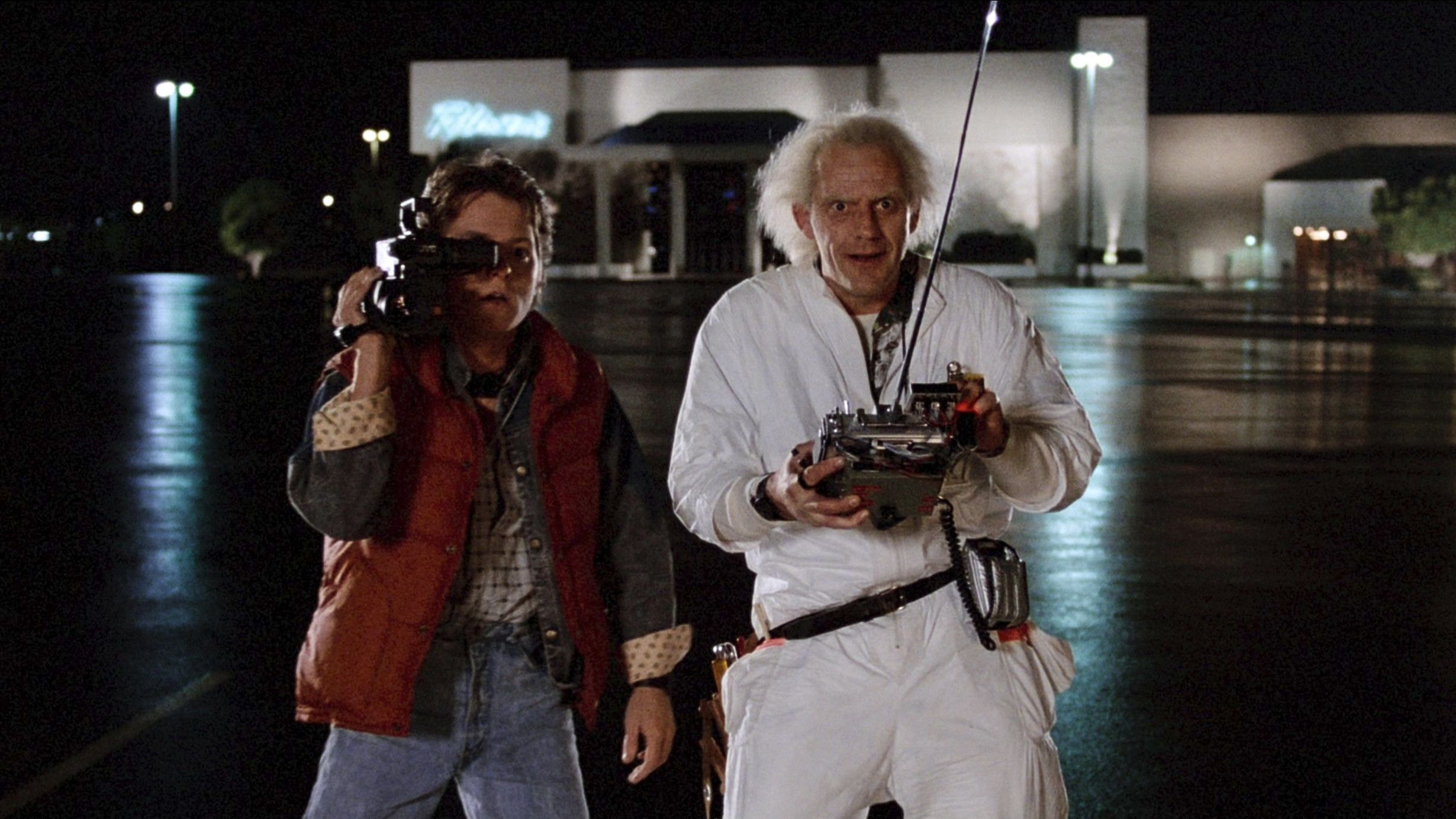 “I remember wanting to borrow a video camera off one of the teachers at school because Marty McFly had that JVC camcorder and I thought, well, that’s how I’m going to make my films now.”
The result? Disaster.
“As I got off the bus, the video camera fell out of the box and shattered everywhere. I was too scared to tell him. I shuffled it back into the box and gave it back.” Years later, Steve intended to apologise to the teacher, Mr Norris, only to discover he had sadly passed away just weeks before.“ I always wanted to make peace with him… If only I had reached out earlier.”
From Fan to Director: Doctor Who & Casualty
For Steve, one of the most surreal career moments was directing Doctor Who, a show he grew up watching and reenacting with friends. “I never thought I’d ever get to direct Doctor Who. We used to play that with my friends and make a list of our favourite episodes.”
Then came the day he stood on set calling the shots. “The fact that I actually got to be on set and direct a Cyberman is something I’ll never ever forget.” For him, it’s proof of possibility. “It’s a thing I say to actors and people who want to get into the industry, look, if I can do it, you can do it.”
While Doctor Who may be the headline-grabber, Steve speaks most fondly about Casualty, the show that has become both a creative playground and professional proving ground. “I absolutely love directing Casualty, I’ve been working on the show on and off as a freelancer for 15 years now.”
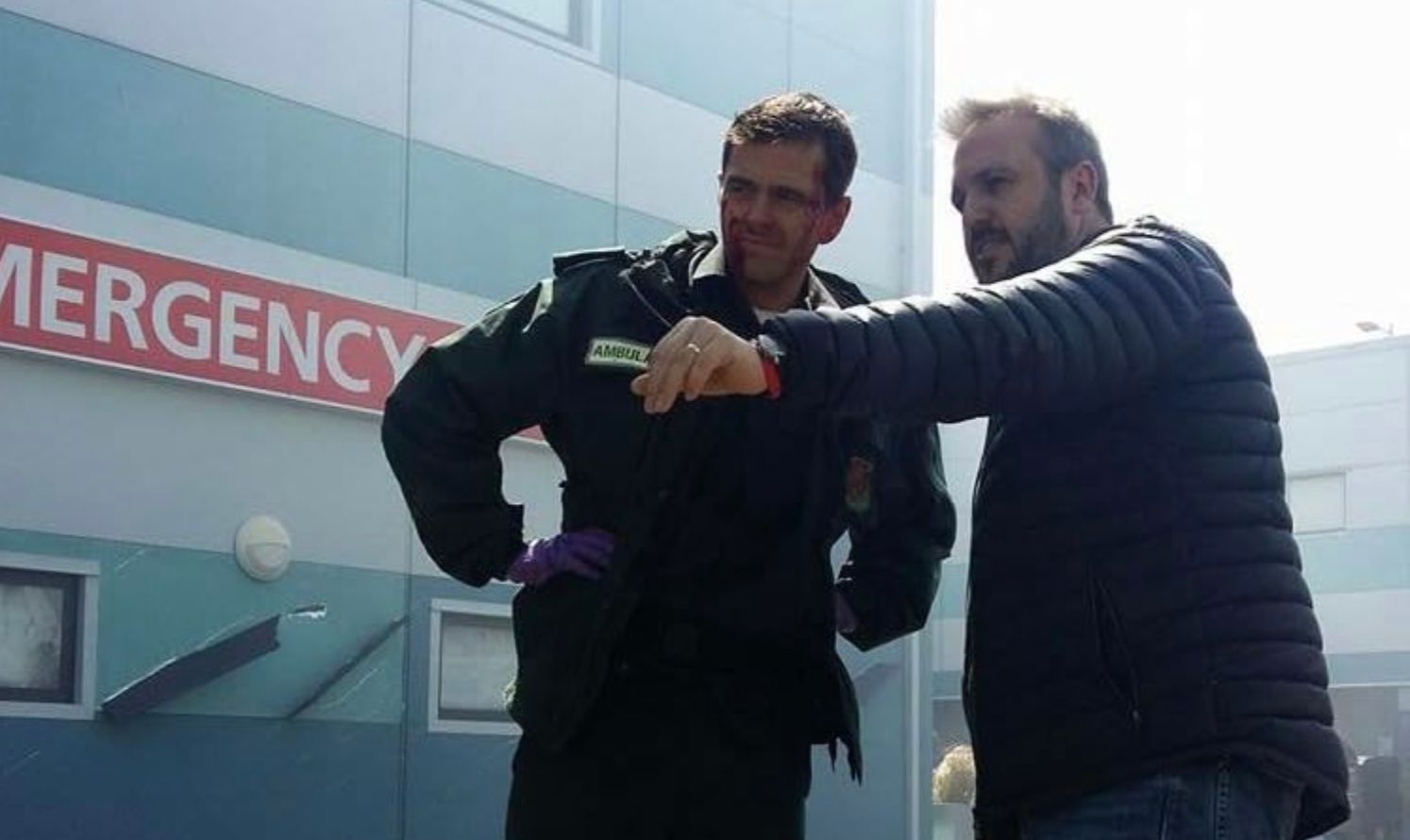 Across that time, Steve hasn’t just directed episodes, he’s helmed the marquee moments that define the series. Steve directed the landmark 30th anniversary episode and is behind the upcoming 40th anniversary instalment, shaping the show’s biggest chapters. Under his direction, those flagship episodes have earned major industry recognition, contributing to BAFTA wins in 2018, 2021, 2023 and 2025. Despite the accolades, his pride is rooted insomething more personal. “The actors are like friends. I can be really honest with them. I’ve been involved in creating the look and feel of the show.”
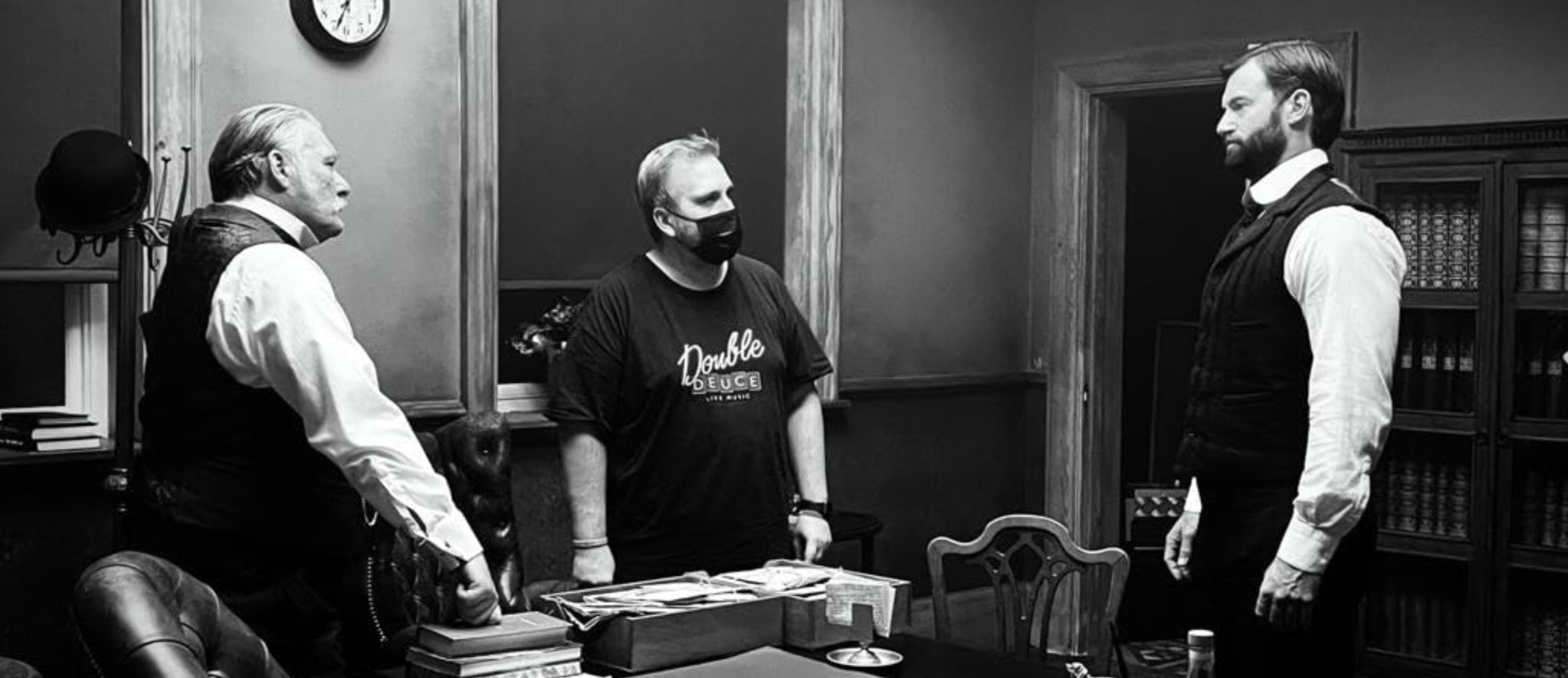 Another proud chapter is Miss Scarlet and the Duke, shot in Serbia. “The scripts and actors were so good and all of the episodes turned out really well.” Serving as director across multiple series, it offered scale, elegance and a different rhythm to the emergency-room intensity.
What’s Next: Elevated Horror and Small Fears
Now in his 50s, Steve is candid about the realities of the industry. “I’m not too old, but I’m up against people who are younger than me. The industry is really hard to break into, even with winning BAFTAs.”
He’s completed a feature script and is developing a horror television project titled Small Fears. “I’m not a diehard horror fan, but I like good horror. I like elevated horror. A lot of horror is about pace, mood and atmosphere. Coming from an editing background, I think I could do that really well.” For Steve, horror isn’t about shock, it's about craft. “It’s about making something feel real. That’s what scares people.”
What stands out most in conversation with Steve Hughes isn’t just his CV, it’s his humility. From breaking a borrowed camcorder to directing Cybermen, his career reads like a love letter to fandom rewarded by persistence.
Back to that 12-year-old boy in Manchester watching a DeLorean hit 88mph, the moment still resonates. “I remember thinking, this is what movies are all about.” And decades later, he’s still chasing that feeling, not as the kid in the cinema, but as the director calling Action.
Jim Irving
Author