Taylor Sheridan: The Hitmaker
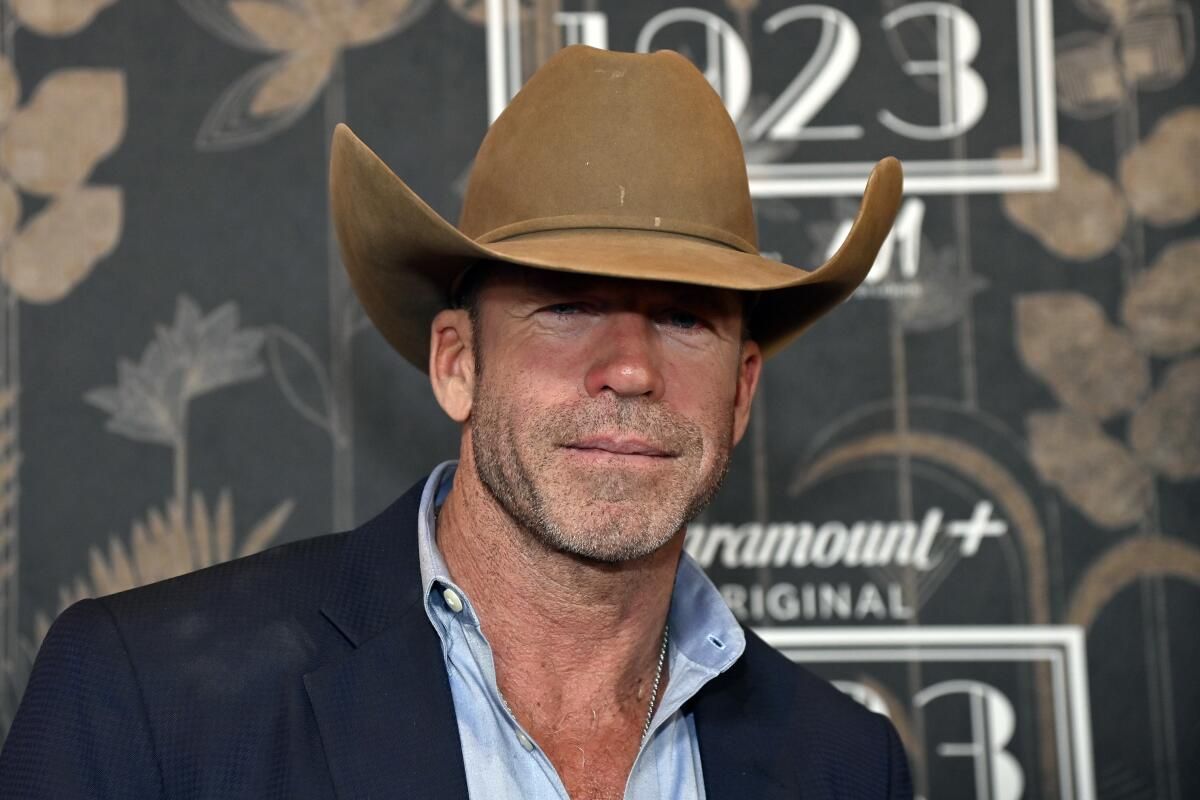
In an industry obsessed with overnight success stories, Taylor Sheridan is something far rarer: a genuine late bloomer who didn’t just arrive, he took over. At 55, Sheridan stands as one of the most influential hitmakers in modern television, a writer-producer whose shows feel less like content and more like statements of intent. In an era of safe franchises and algorithmic storytelling, he writes with dust on his boots and defiance in his voice.
From Texas Roots to Cowboy DNA
Sheridan’s cowboy identity isn’t cosplay or brand positioning, it’s inherited. His mother, originally from Waco, Texas, loved visiting her grandparents’ ranch, and that connection to the land seeped deep into Sheridan’s worldview. This wasn’t nostalgia manufactured later in life; it was absorbed early, alongside an understanding of work, place, and the unspoken codes of rural America.
His education followed a less conventional route than many Hollywood peers. Sheridan attended Texas State University to study Theatre Arts, but didn’t emerge with a neatly packaged creative trajectory. Instead, he drifted geographically and professionally, absorbing experiences that would later give his writing its authenticity. Long before he was writing about ranchers, oilmen, or lawmen, he was learning how people really speak when they’re not performing for an audience.
The Long Road Through Acting
Before he became a writer synonymous with prestige television, Sheridan was an actor and a working one, at that. His acting résumé included steady but unspectacular work, episodes of Veronica Mars, Sons of Anarchy, and CSI. It paid the bills, but it didn’t light the fire. The frustration of auditioning, of waiting for permission, slowly pushed him toward writing. Sheridan has spoken openly about realising that no one was going to hand him the roles he wanted so he decided to create the worlds instead. Fans of Yellowstone will recognise him instantly as Travis Wheatley, the abrasive horse trader whose scenes crackle with barely disguised menace. That role wasn’t stunt casting; it was Sheridan inserting himself into his own world.
The Big Break: Writing His Way In
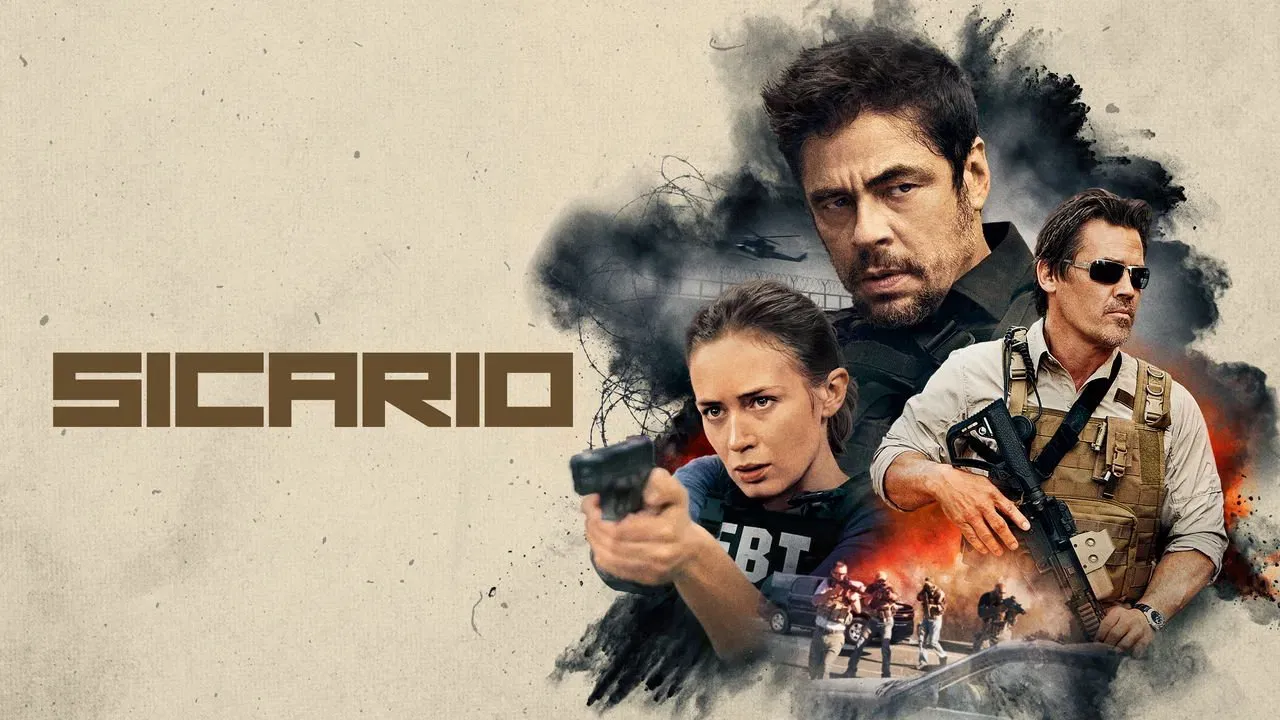 Sheridan’s breakthrough came not on television but in film. Sicario (2015) announced him as a writer with a brutal clarity of vision, followed quickly by Hell or High Water. These weren’t just successful scripts; they were thematic manifestos, modern America seen through violence, morality, and survival.
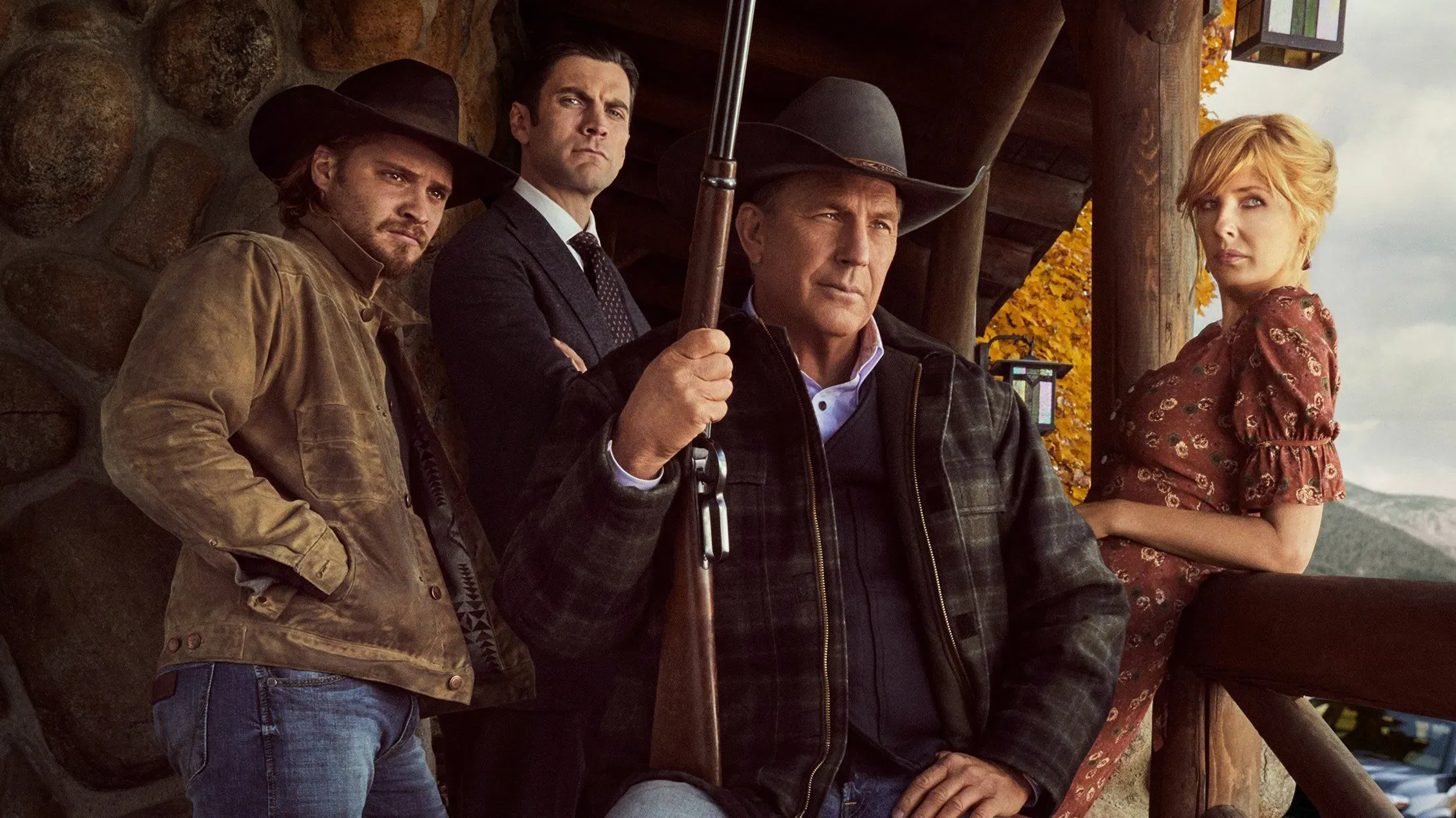 Television came next, and Yellowstone changed everything. What began as a risky contemporary Western became a cultural phenomenon, redefining what “mainstream” TV could look like. Sheridan wasn’t chasing coastal approval; he was writing for an audience that recognised itself on screen and that audience showed up in millions.
At 55, Sheridan is proof that experience isn’t a disadvantage, it’s an accelerant.
Politics, Power, and Why He Gets Snubbed
Sheridan’s politics are never lectured, but they’re impossible to miss. His work consistently champions self-reliance, scepticism of institutions, and the quiet dignity of people ignored by elites. That worldview has reportedly cost him awards recognition, something Billy Bob Thornton, star of Landman, recently called out, suggesting Sheridan’s snubs are political rather than creative. You can see this tension baked into Yellowstone itself: the federal government is rarely heroic, corporations are predatory, and power is something to be resisted, not trusted. Sheridan doesn’t write culture-war slogans; he writes consequences. That may make him uncomfortable viewing for awards bodies, but it makes him magnetic to audiences.
What Does 2026 Look Like?
 In 2026, Sheridan’s empire will either be consolidated or fractured. Reports of a growing rift between him and Paramount+ hint at tensions over budgets, control, and long-term strategy, even as new projects continue to emerge. One of the most closely watched is The Madison, starring Michelle Pfeiffer and Kurt Russell. A fresh expansion of the Yellowstone universe that signals Sheridan is still thinking big, still pushing outward rather than slowing down. When a single creative voice becomes this powerful, friction is inevitable. Yet if history tells us anything, Sheridan thrives in resistance. Whether he doubles down with Paramount or eventually takes his vision elsewhere, his leverage is enormous. Audiences follow him, not the platform.
Jim Irving
Author