The American Experiment: Netflix Takes On Democracy’s Biggest Question
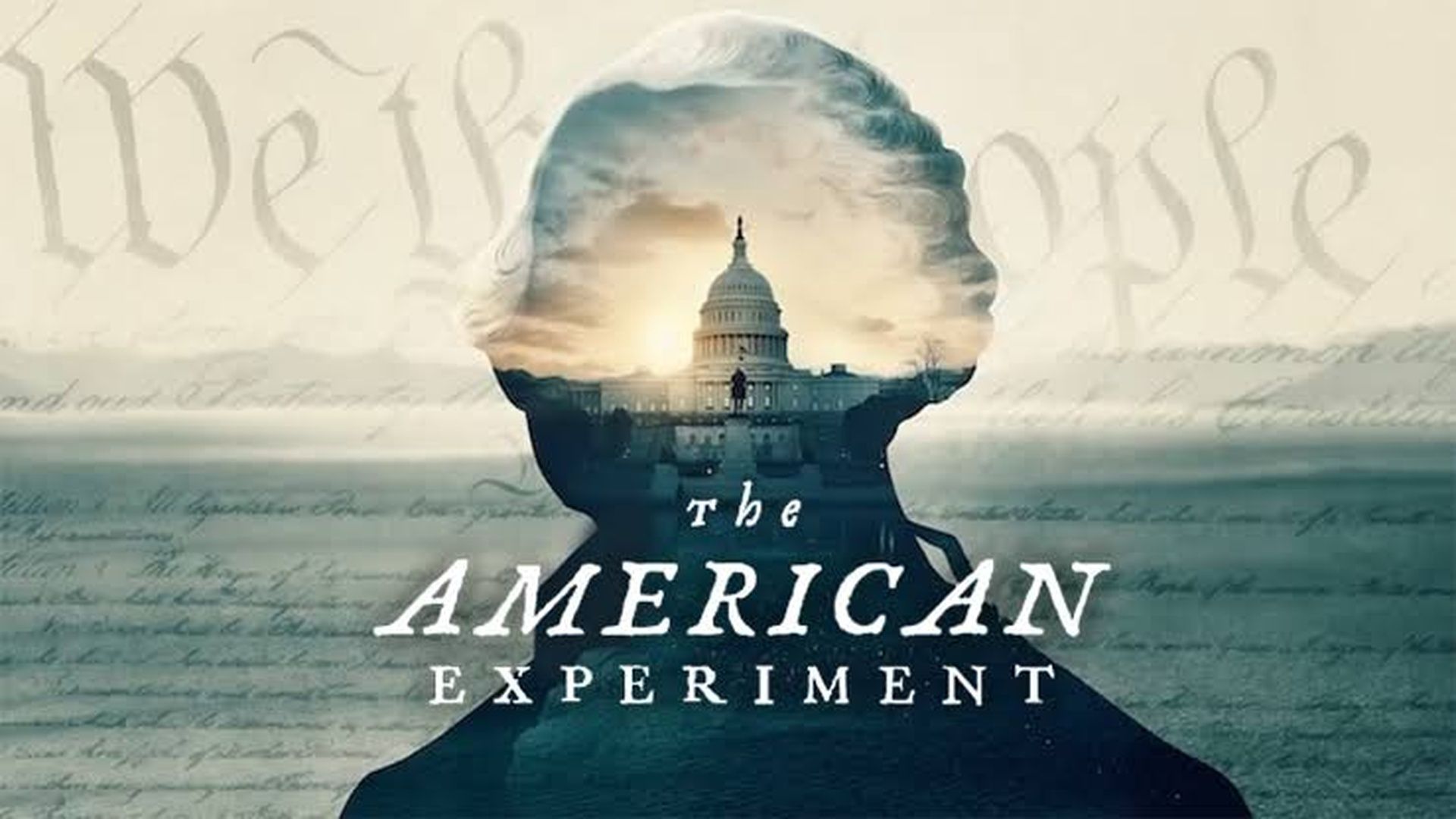
As America approaches its 250th birthday, Netflix is asking the kind of question that feels both ancient and alarmingly current: can a people really govern themselves?
 That is the driving force behind The American Experiment, a new five-part documentary series arriving on Netflix on June 24. Directed by Brian Knappenberger, the filmmaker behind Turning Point, this is not just another polished history lesson with powdered wigs, parchment and dramatic music. It is aiming for something much bigger: a sweeping look at how the United States was built, what it promised, where it failed, and whether the whole thing can still hold together.
No pressure then.
The series takes us back to the American Revolution, the drafting of the Constitution and the first presidency, but its real power looks set to come from the way it connects those founding debates to the fractures of today. Slavery and liberty. Individual power and minority representation. Freedom and exclusion. Big ideas, messy realities, and the uncomfortable truth that the argument over America did not end in the 18th century. It is still happening now, loudly, daily and often badly.
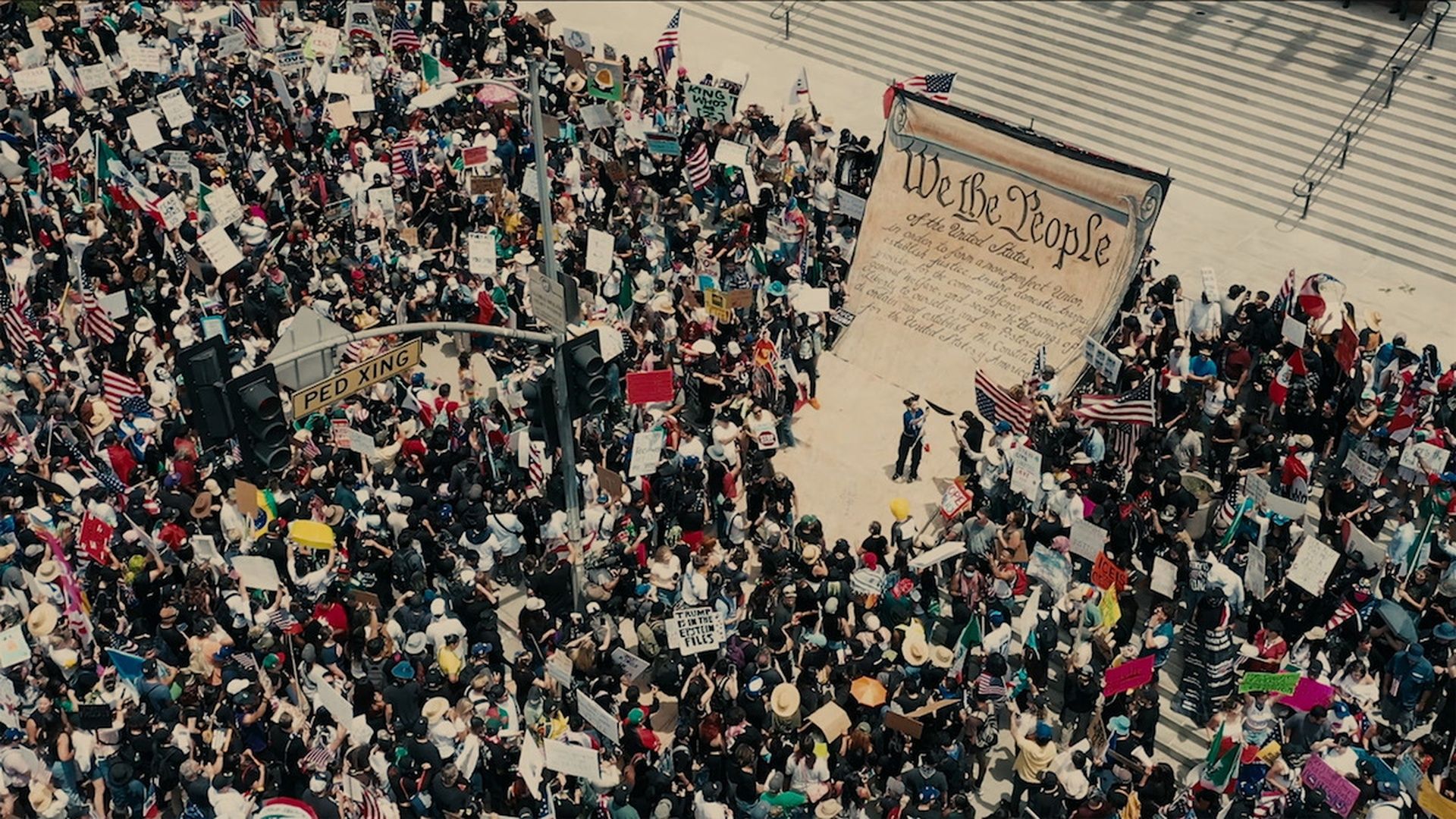 That timing is what could make The American Experiment feel genuinely significant. The 250th anniversary of the United States is not just a birthday with fireworks. It is a moment of reflection for a country that has spent the last decade looking increasingly unsure of itself. Netflix clearly knows that. This is being positioned as a landmark documentary series for a landmark event, and on paper at least, it has the scale to justify the ambition.
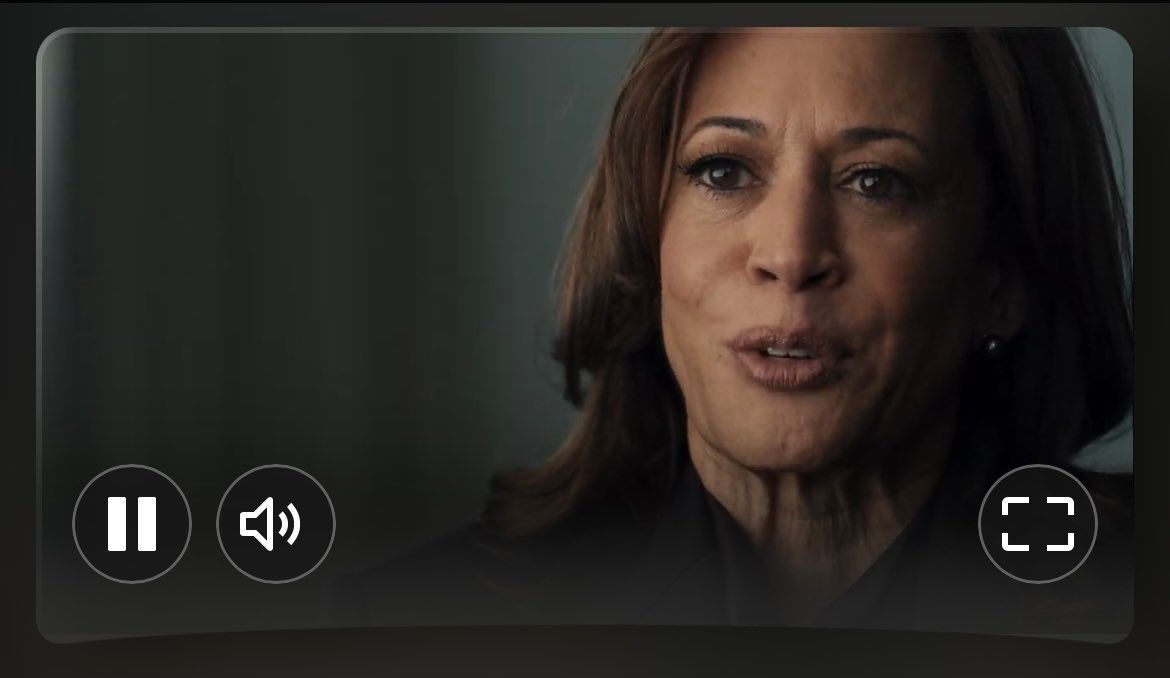 The contributor list is huge, but the most striking names give a good sense of the range. Al Gore, Kamala Harris, Mike Pence, Hillary Rodham Clinton and former Supreme Court Justice Stephen Breyer bring political and constitutional weight from across the spectrum. Add in leading historians, tribal chiefs, military experts and legal scholars, and the series appears to be reaching for something broader than a single ideological lane. In an age when almost everything gets instantly shoved into one side of the argument or the other, that alone feels refreshing.
There is also a cinematic layer to the project. The series includes reenactments, with Martin Sheen appearing as George Washington, which suggests Netflix wants this to play with more drama and scale than a traditional lecture-hall documentary. That can be risky, of course. Historical reenactments can either add texture or tip things into school-trip territory. But with Knappenberger directing and Tom Hanks among the executive producers through Playtone, the pedigree is strong enough to make this feel like appointment viewing rather than worthy homework.
The big challenge will be balance. A documentary about the founding of America can very easily become too reverent, too angry, too simplistic or too cautious. The best version of The American Experiment will be one that resists easy answers. It needs to show the brilliance of the idea without ignoring who was excluded from it. It needs to explain the achievement without pretending the contradictions were footnotes. Most of all, it needs to make history feel alive, not laminated.
That is where Netflix may have something special. At its best, the streamer has turned big documentary subjects into global talking points. If The American Experiment can make audiences see the Constitution, the Revolution and the founding debates not as dusty chapters but as arguments still shaping everyday life, it could become far more than an anniversary release.
Could this be a landmark documentary series for a landmark event? It certainly has the ingredients: scale, timing, talent, tension and one of the biggest questions any democracy can ask of itself.
America was founded on an experiment. Two hundred and fifty years later, Netflix is asking whether the results are still coming in.
Jim Irving
Author