The BBC Didn’t Just Make TV. It Built It.
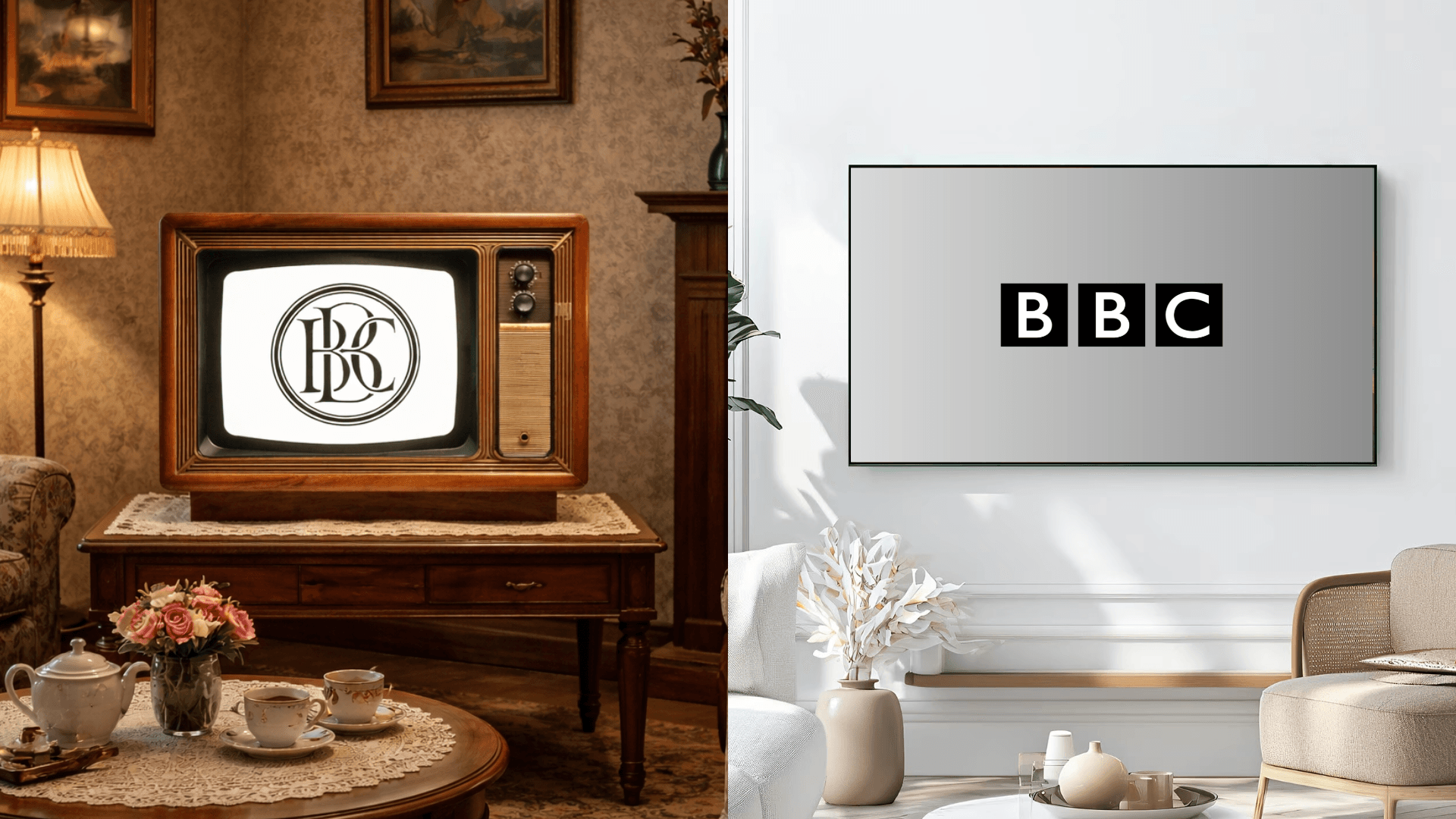
Before the BBC ever broadcast television, it had already decided what broadcasting should be.
Originally established in 1922 as the British Broadcasting Company, it evolved into its current state with its current name on 1 January 1927. The BBC was built to inform, educate and entertain, not chase ratings. Funded by a licence fee and guided by a strong editorial hand, it prioritised a shared national experience over mass appeal.
By the time television arrived in 1936, the BBC wasn’t experimenting blindly. It had a purpose, a point of view, and a belief that what it broadcast mattered.
Everything that followed grew from that foundation.
The 1930s: When Television Was an Experiment
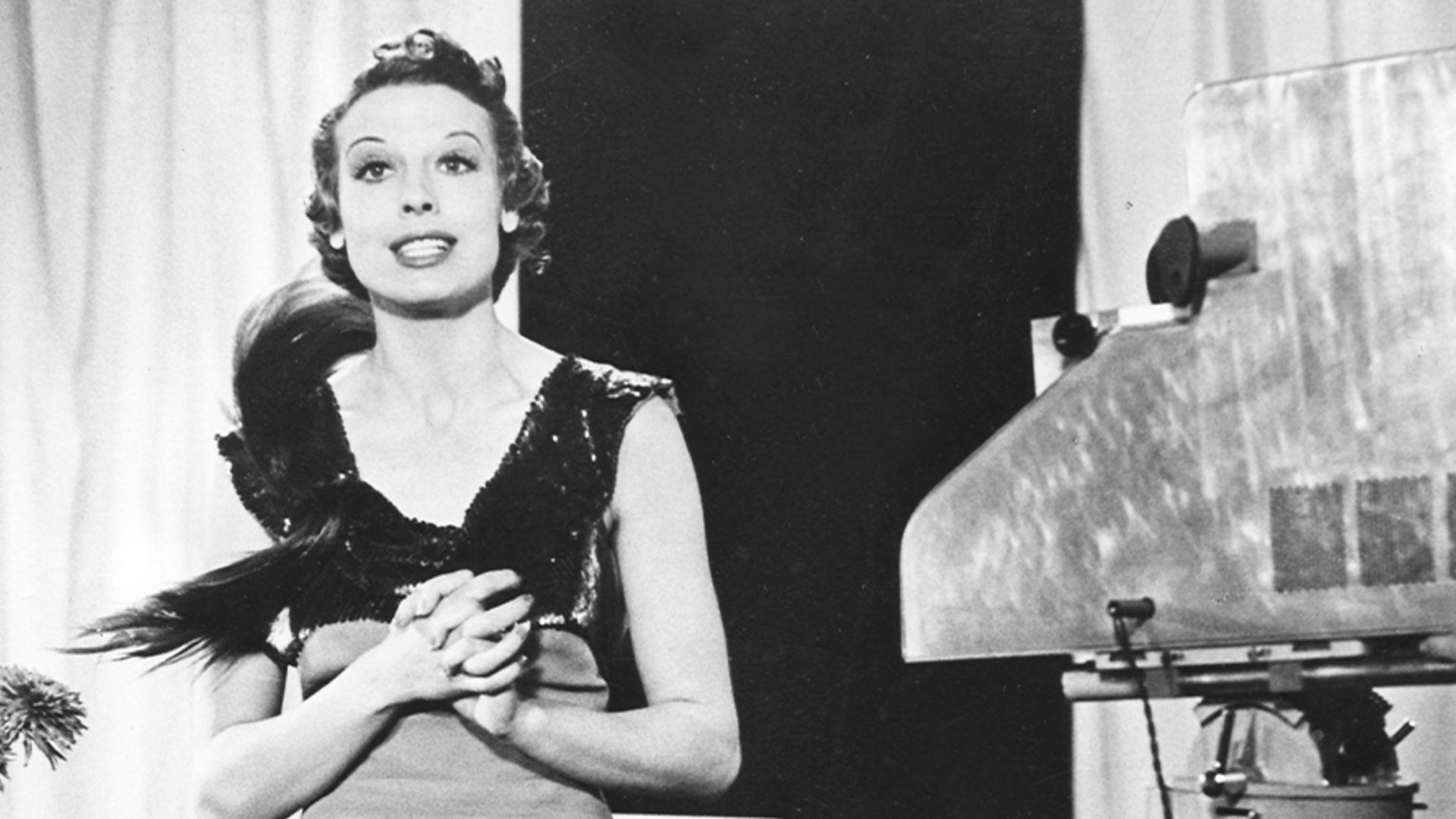 It all begins not with a single defining “show” in the modern sense, but with the launch of the BBC Television Service from Alexandra Palace in November 1936, often referred to as opening night.
The first evening’s broadcast was a mixture of variety performance, short features and demonstration pieces, designed less to tell a story and more to showcase what this new medium could do. According to the BBC’s own historical account, it included music, sketches and visual experiments, all presented to an audience that was, at that point, incredibly small.
What makes this moment so important is the sense of discovery. Television wasn’t being refined, it was being invented in real time, with producers and performers working out how to use cameras, staging and timing in a completely new way, often as they went.
Even the technology itself was still evolving, with the BBC initially alternating between mechanical and electronic systems before ultimately committing to the fully electronic approach that would define the future of broadcasting.
So while Television Comes to London captures the spirit of the moment, the reality is broader. This wasn’t one programme, but the birth of a medium, built piece by piece, night by night.
The 1940s: Silence, Then a Symbolic Return
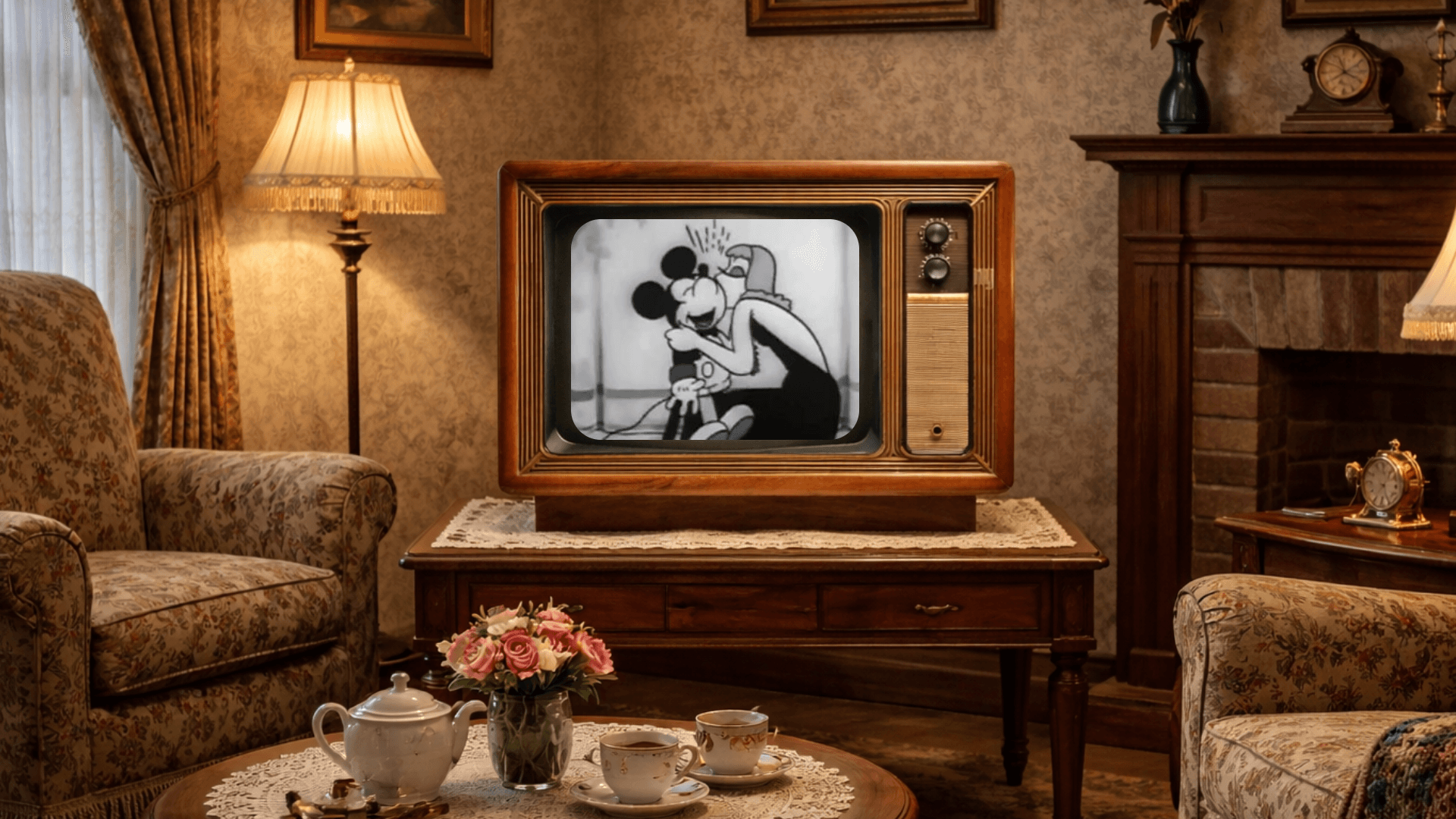 Television didn’t evolve smoothly into the next decade. It stopped. With the outbreak of the Second World War, BBC television broadcasts were suspended in 1939 and remained off air for seven years. When the service finally returned in 1946, the BBC made a quietly brilliant decision. Rather than relaunching with something new, it resumed with a Mickey Mouse Cartoon broadcast, the same film that had been playing when the signal cut.
There is something deeply symbolic about that choice. It created a sense of continuity, as if television itself had simply paused rather than disappeared, and now life could begin again. In many ways, this moment reinforced television’s role not just as entertainment, but as part of the fabric of everyday life.
The 1950s: Television Finds Its Voice
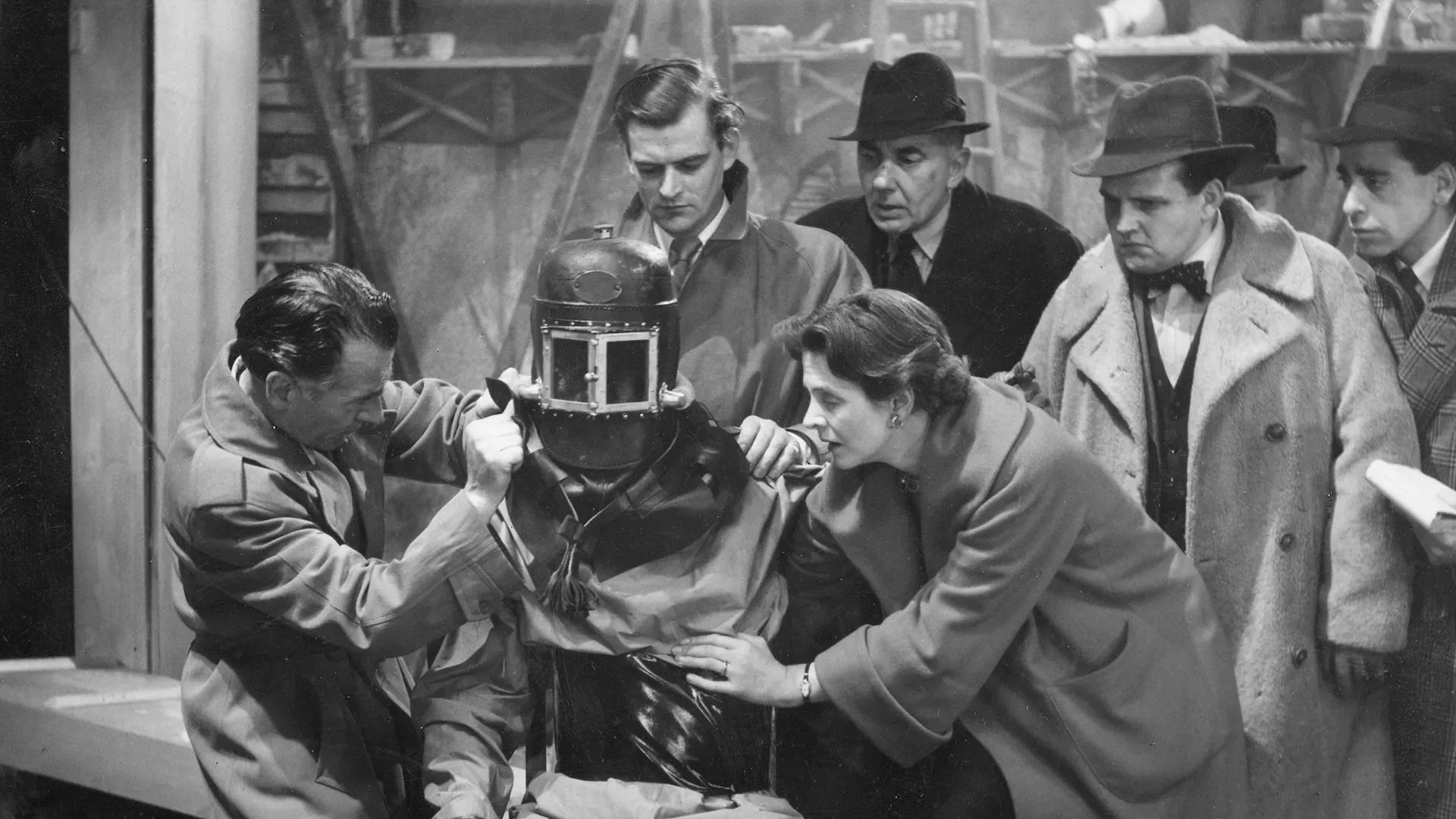 By the 1950s, television had begun to find its confidence, and audiences were starting to organise their time around it rather than simply stumble across it. Few programmes captured that shift better than The Quatermass Experiment, which brought a level of tension and narrative ambition that felt genuinely new.
What makes Quatermass particularly important is how it was made. Largely broadcast live, it also incorporated filmed 35mm inserts, allowing the production to extend beyond the physical constraints of the studio and create moments that would have been impossible otherwise. That hybrid approach feels standard now, but at the time it was a significant leap forward.
It showed that television didn’t have to feel small or limited. It could be expansive, cinematic and, most importantly, capable of holding a nation’s attention.
The 1960s: The BBC Goes Global
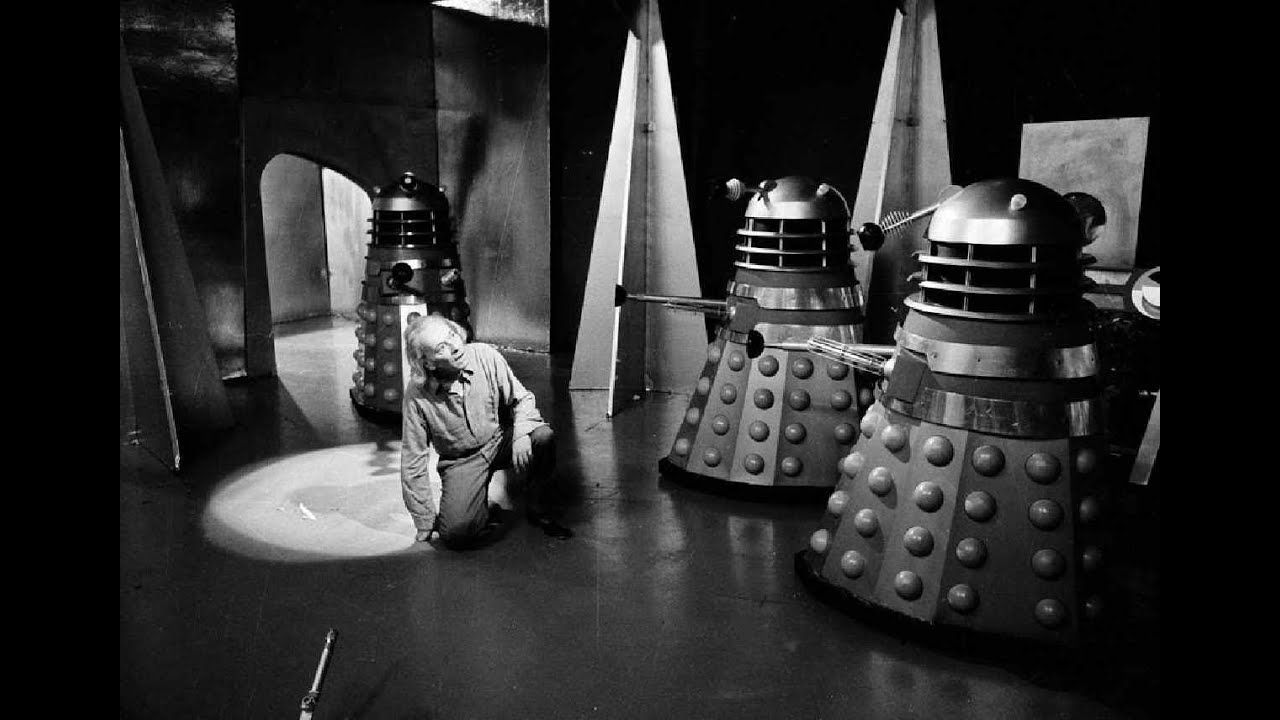 Then came Doctor Who, and with it one of the most quietly ingenious formats ever put on television. At its inception, Doctor Who was designed with a dual purpose. It wasn’t just entertainment, it was intended to educate, particularly younger audiences, by alternating between historical stories rooted in real events and science-fiction adventures. The Doctor, initially portrayed by William Hartnell, was a more mysterious and less conventional central figure, guiding both his companions and the audience through these worlds.
What changed everything was the arrival of the Daleks. Their immediate popularity shifted the balance of the show towards science fiction, shaping the tone and identity that would come to define it.
From those early black-and-white episodes to its global reach today, Doctor Who became one of the BBC’s most enduring and recognisable creations, proving that British television could travel and resonate far beyond its original audience.
The 1970s: Comedy Perfection
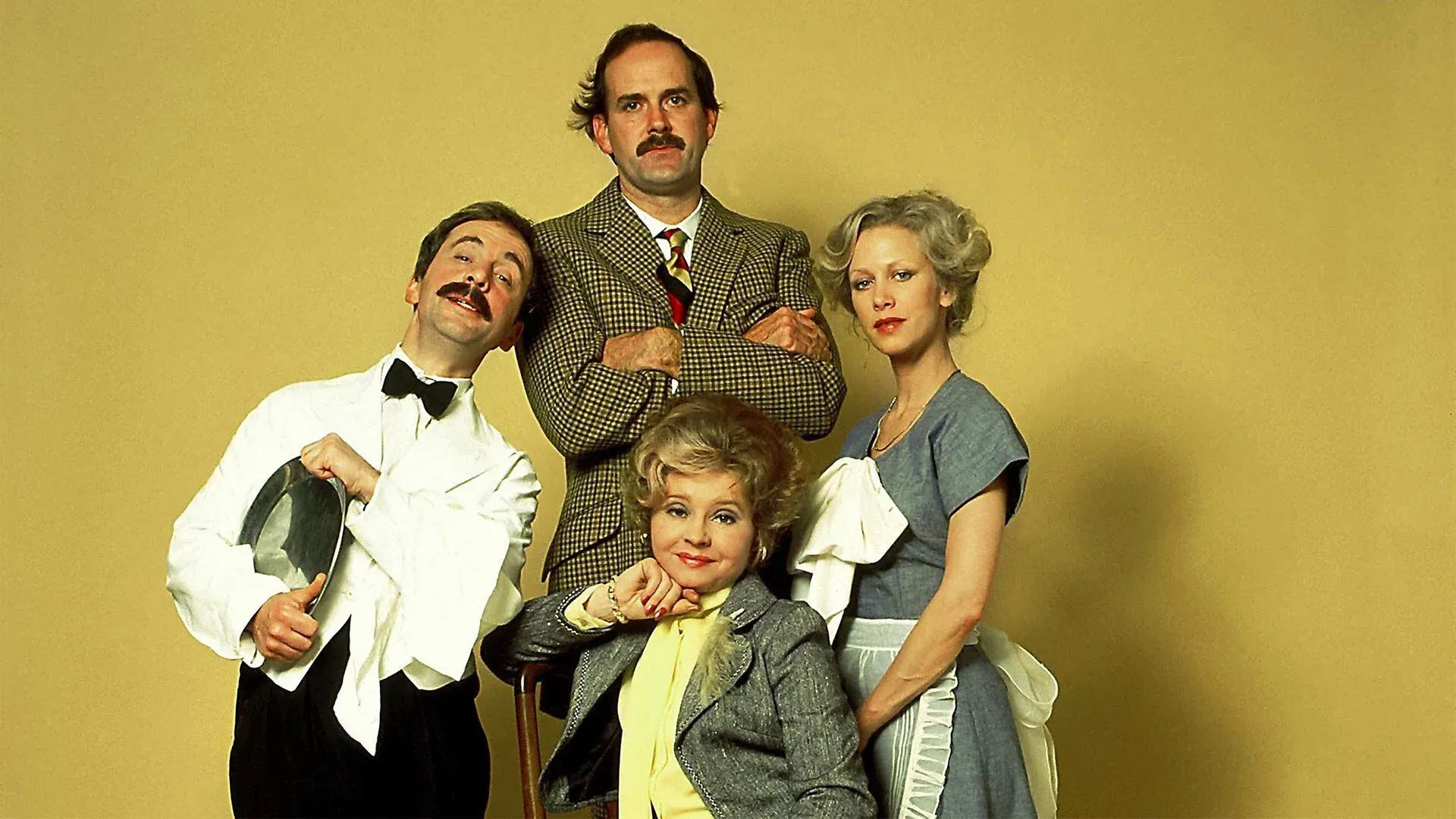 By the 1970s, the BBC had refined its craft to a remarkable degree, and nowhere is that clearer than in Fawlty Towers, created by and starring John Cleese and Connie Booth.
The character of Basil Fawlty was inspired by Donald Sinclair, a real hotel owner at the Gleneagles Hotel in Torquay, whose notoriously abrasive behaviour left a lasting impression on Cleese. That real-world inspiration gives the show an edge of truth that elevates the comedy beyond pure farce.
Across just 12 episodes, Fawlty Towers achieves something extraordinary. Every line, every pause, every escalation is precisely calibrated, creating a level of comedic efficiency that still feels unmatched. It's not just funny, it is meticulously constructed.
The 1980s: Television as a National Event
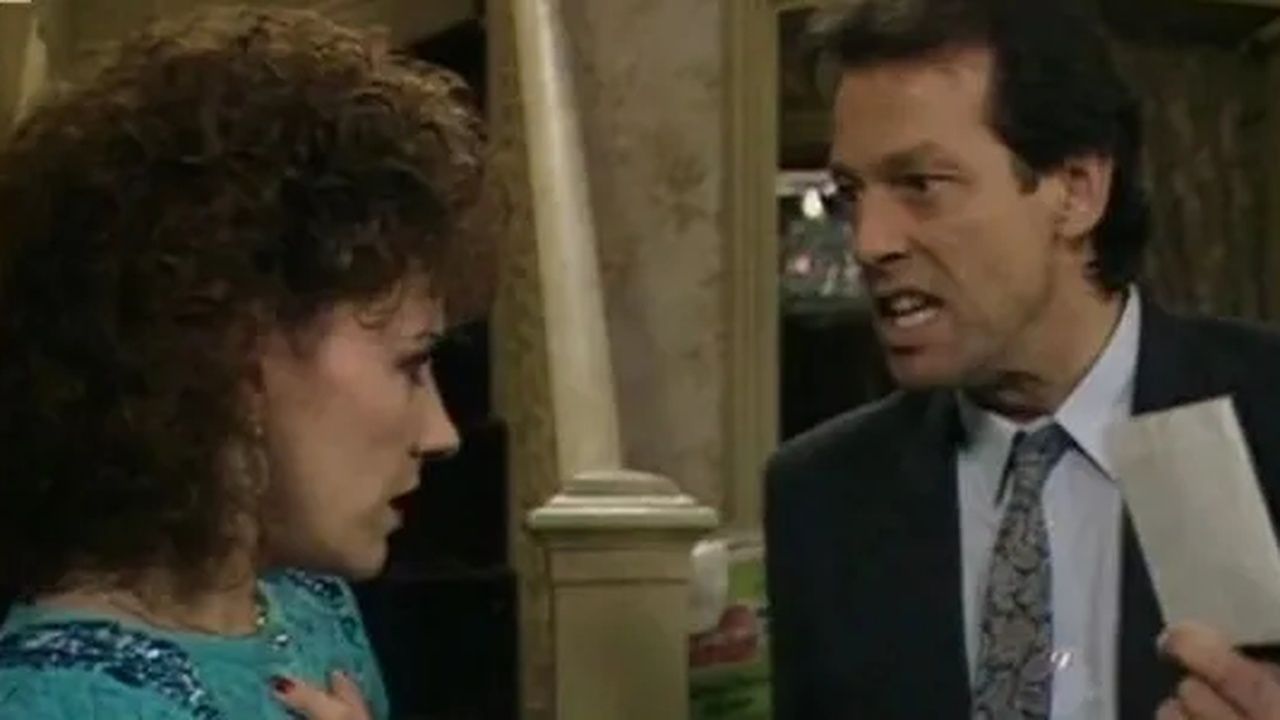 With EastEnders, the BBC didn’t just create a successful show, it created moments that defined a nation.
The 1986 Christmas Day episode, where Den served Angie divorce papers in the Queen Vic, drew an audience of over 30 million viewers, making it one of the most-watched broadcasts in UK television history and a defining example of shared national viewing.
This was television at its most communal, where storylines didn’t just entertain but became part of everyday conversation across the country.
The 1990s: Ambition Returns
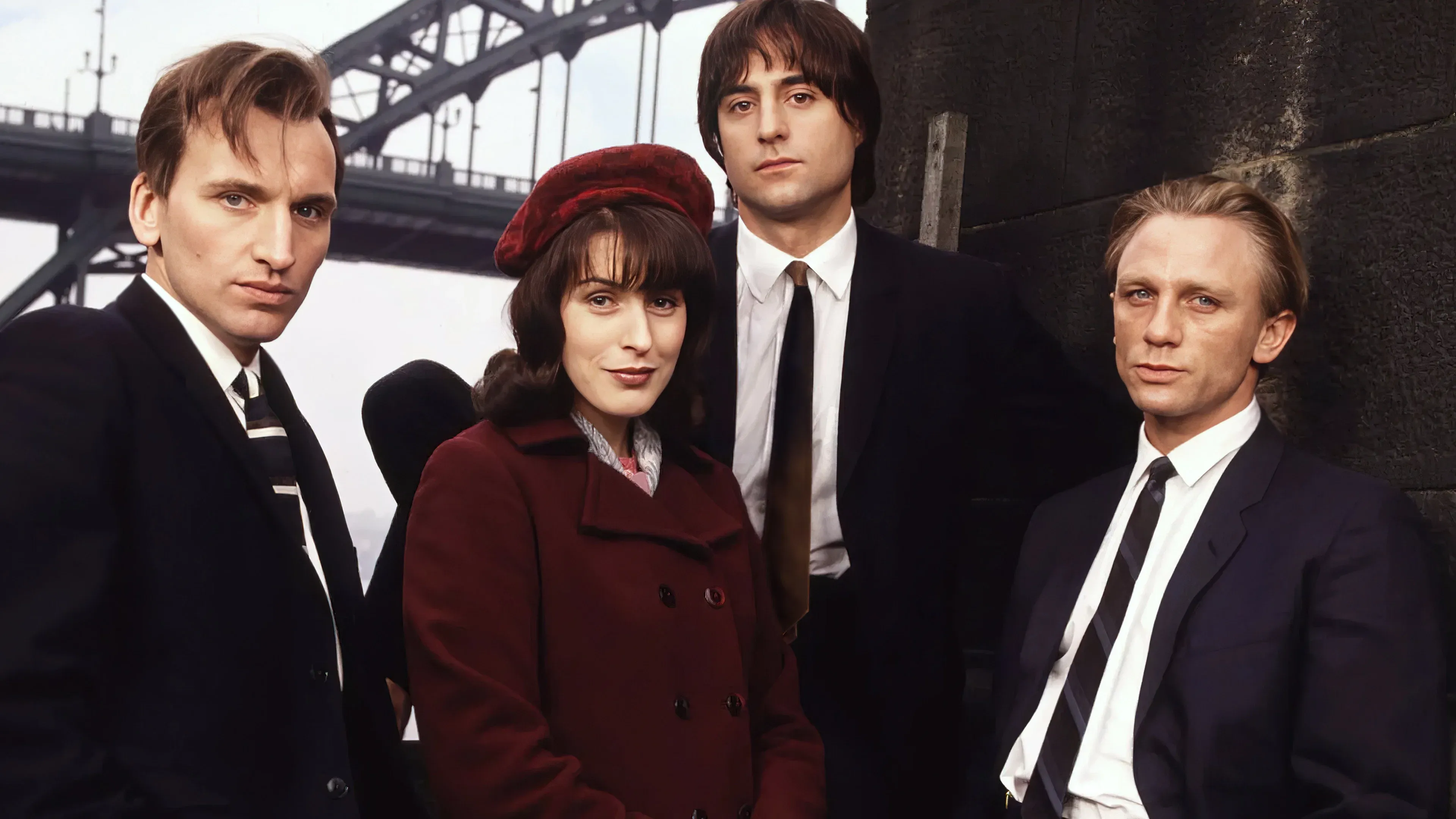 The 1990s saw the BBC push its storytelling ambition once again, and Our Friends in the North stands as a defining example of that shift. Spanning over three decades and tackling themes of politics, class, corruption and identity, it brought a level of scale and narrative depth that felt closer to cinema than traditional television, while still remaining grounded in character. The structure allowed audiences to grow with the characters, creating a long-form emotional investment that was still relatively rare at the time.
It also introduced a generation of actors, including Daniel Craig and Christopher Eccleston, who would go on to define British screen culture, reinforcing the BBC’s role not just as a broadcaster, but as a launchpad for talent.
This was television that felt expansive, confident and unafraid to take its time, laying the groundwork for what would later be called prestige drama.
The 2000s: Raising the Bar Globally
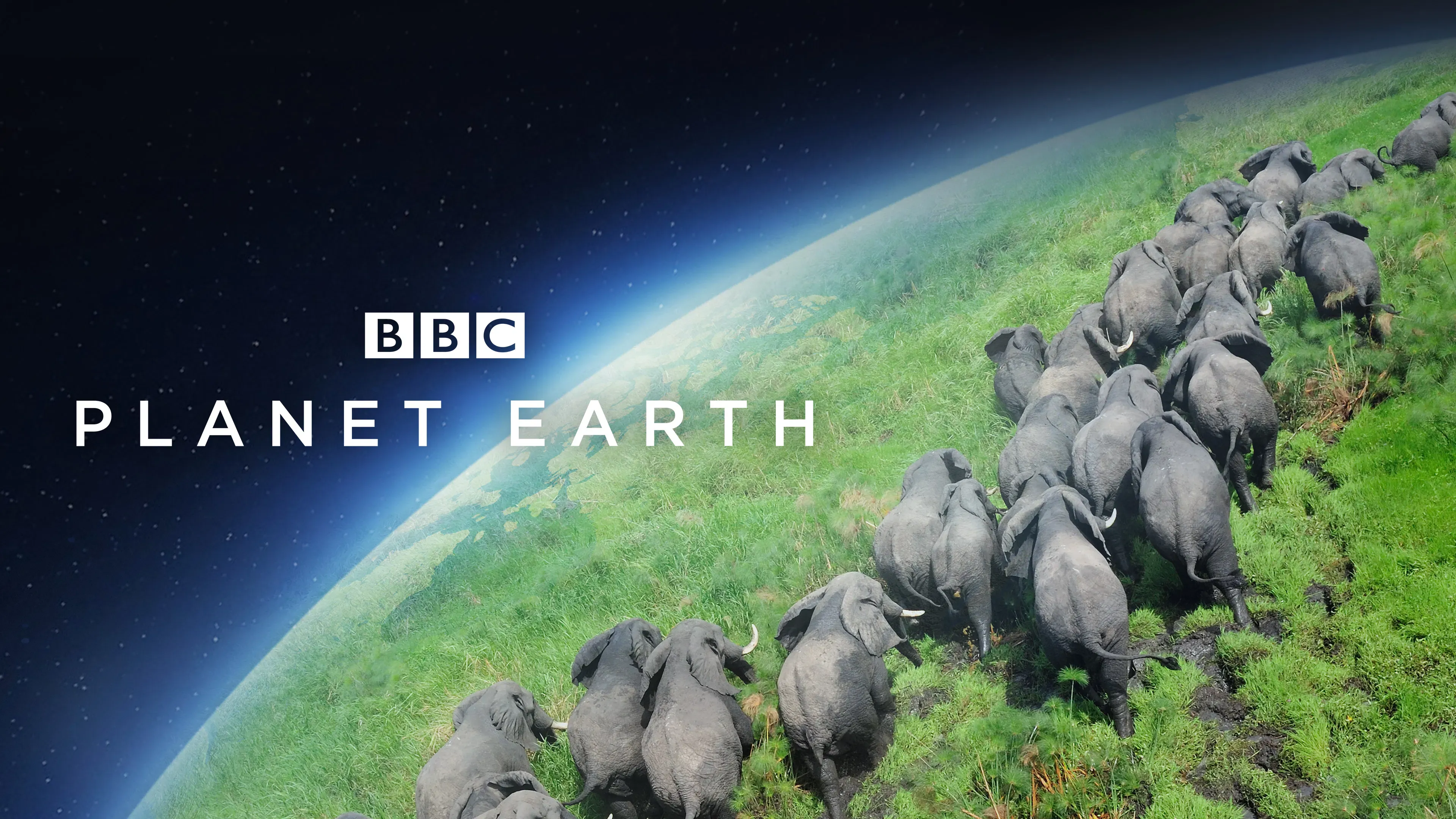 With Planet Earth, the BBC once again redefined expectations. Combining groundbreaking cinematography with the narration of David Attenborough, it set a new global benchmark for factual storytelling and visual ambition. The use of emerging HD technology allowed audiences to see the natural world in a level of detail that had simply not been possible before, turning familiar landscapes into something extraordinary.
It wasn’t just admired, it was exported, imitated and studied, becoming a reference point for how premium documentary television could look and feel. Broadcasters and streamers around the world would spend years trying to replicate its scale and polish.
In many ways, it reinforced the BBC’s position not just as a public service broadcaster, but as a global creative force capable of setting the agenda for an entire genre.
The 2010s: The Nation Watches Together Again
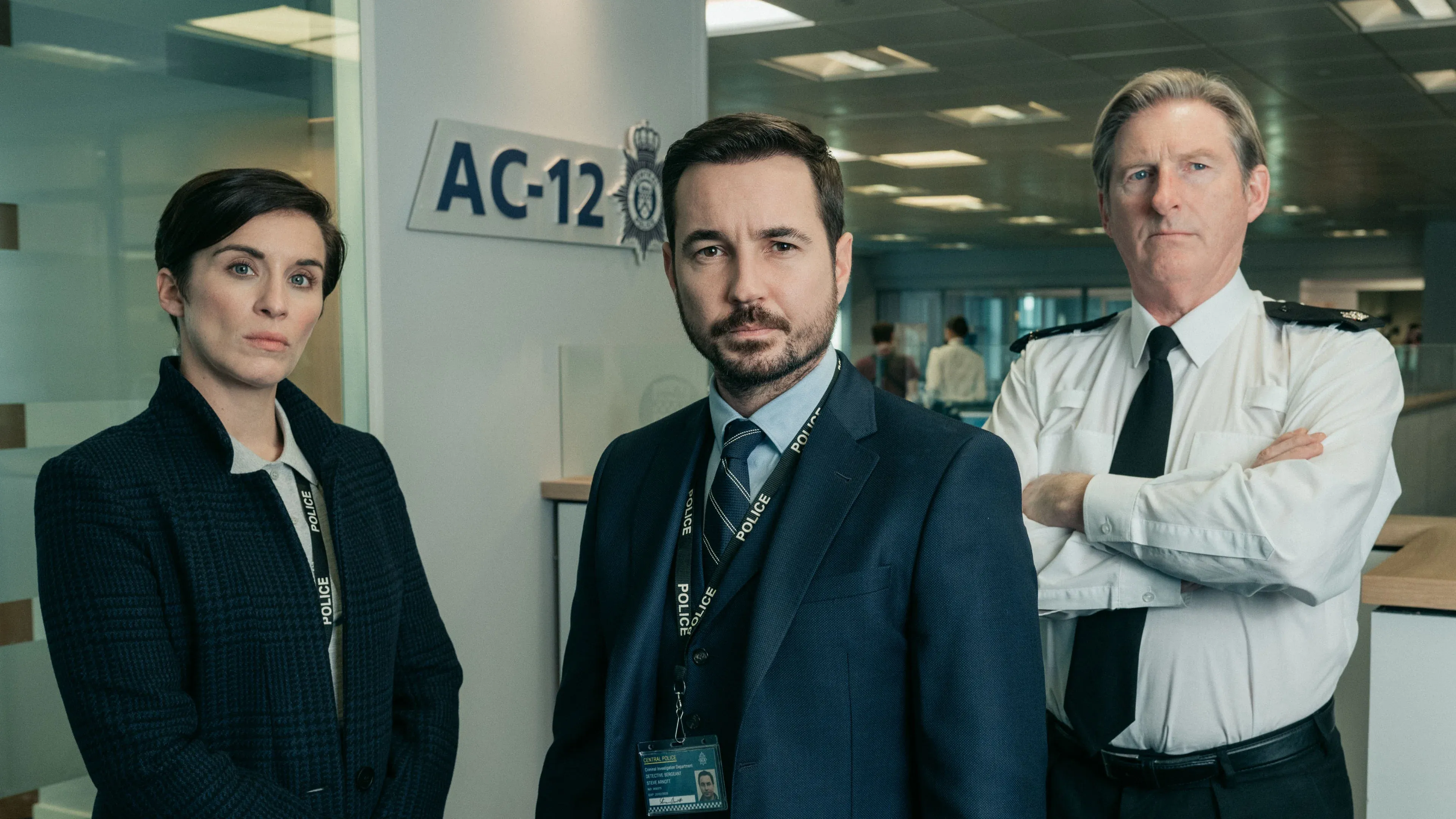 In an era dominated by on-demand viewing and increasing fragmentation, Line of Duty did something that felt increasingly rare. It brought audiences back together, week after week, for a genuinely shared experience.
The interrogation scenes became the show’s defining feature, turning dialogue into edge-of-your-seat drama and elevating performance and writing to the centre of the spectacle. Each episode fed speculation, with theories building across social media and workplaces in real time, creating a rhythm of anticipation that carried through entire seasons.
The weekly release schedule became part of the experience itself, proving that audiences would still choose appointment viewing when the content demanded it. It wasn’t just watched, it was dissected, debated and lived with between episodes.
It was a powerful reminder that even in a streaming-first world, television can still dominate the cultural conversation when it gets everything right.
The 2020s: The Group Chat Era
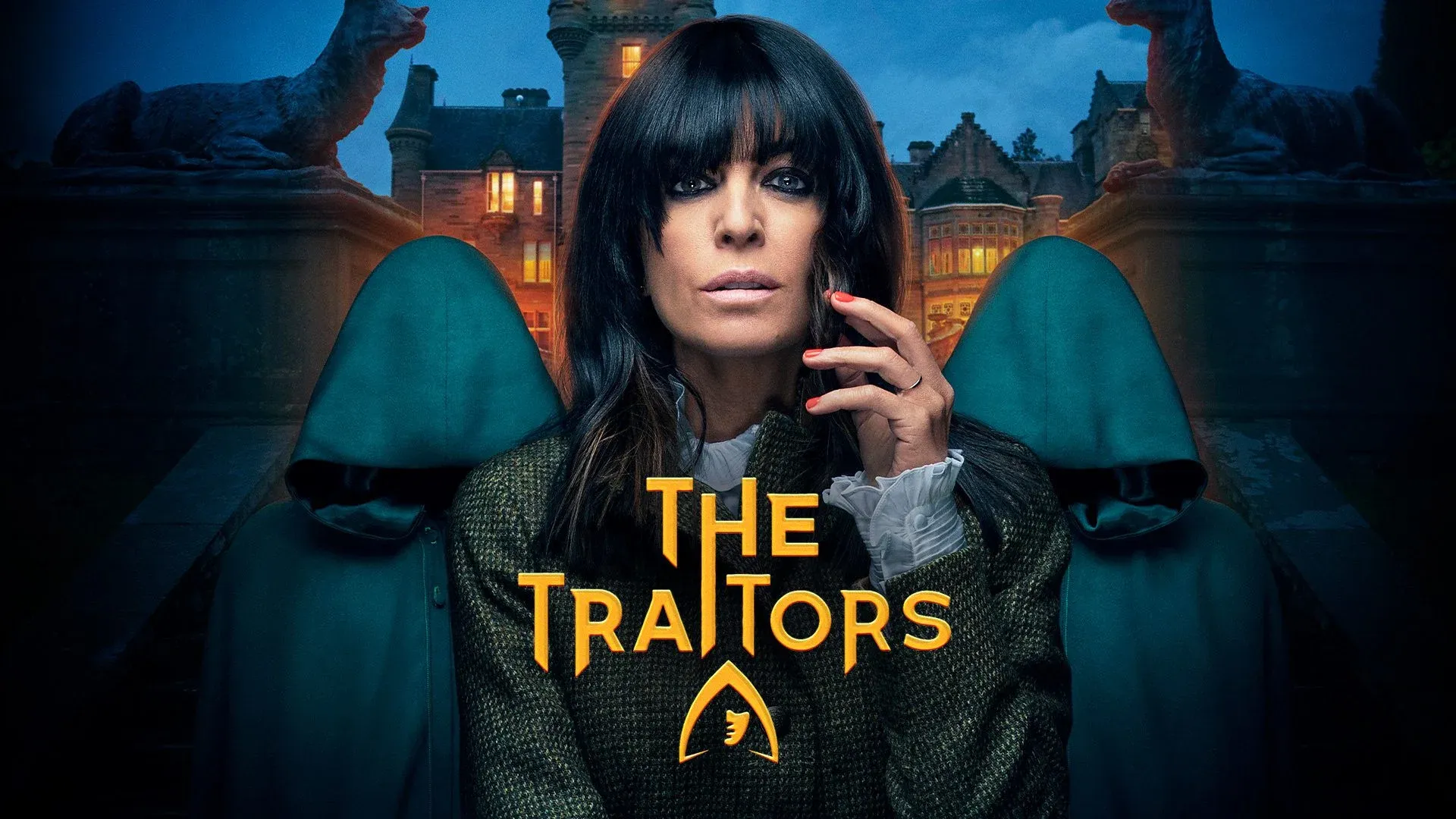 With The Traitors, the BBC has once again adapted to the moment, this time by embracing both the globalisation of formats and the power of independent production.
Originally based on a Dutch format, De Verraders, and produced for the BBC by independent production company Studio Lambert, the show represents a modern commissioning model where ideas, formats and production expertise move fluidly across borders. What the BBC brings is scale, platform and cultural relevance, turning a strong format into a national obsession.
The format itself is deceptively simple, but the execution is what elevates it. Suspicion, deception and carefully constructed tension combine to create a show that feels almost engineered for real-time reaction, driving conversation across group chats and social platforms from the moment it airs.
It captures something very current about how television is consumed today, where watching and reacting are intertwined, and where the communal experience now lives as much on second screens as it does on the first.
And yet, at its core, it is doing something very familiar. Bringing people together around a shared moment, just updated for a different era and a different way of watching.
Jim Irving
Author