The Bear: The Greatest Meal Television Has Ever Served
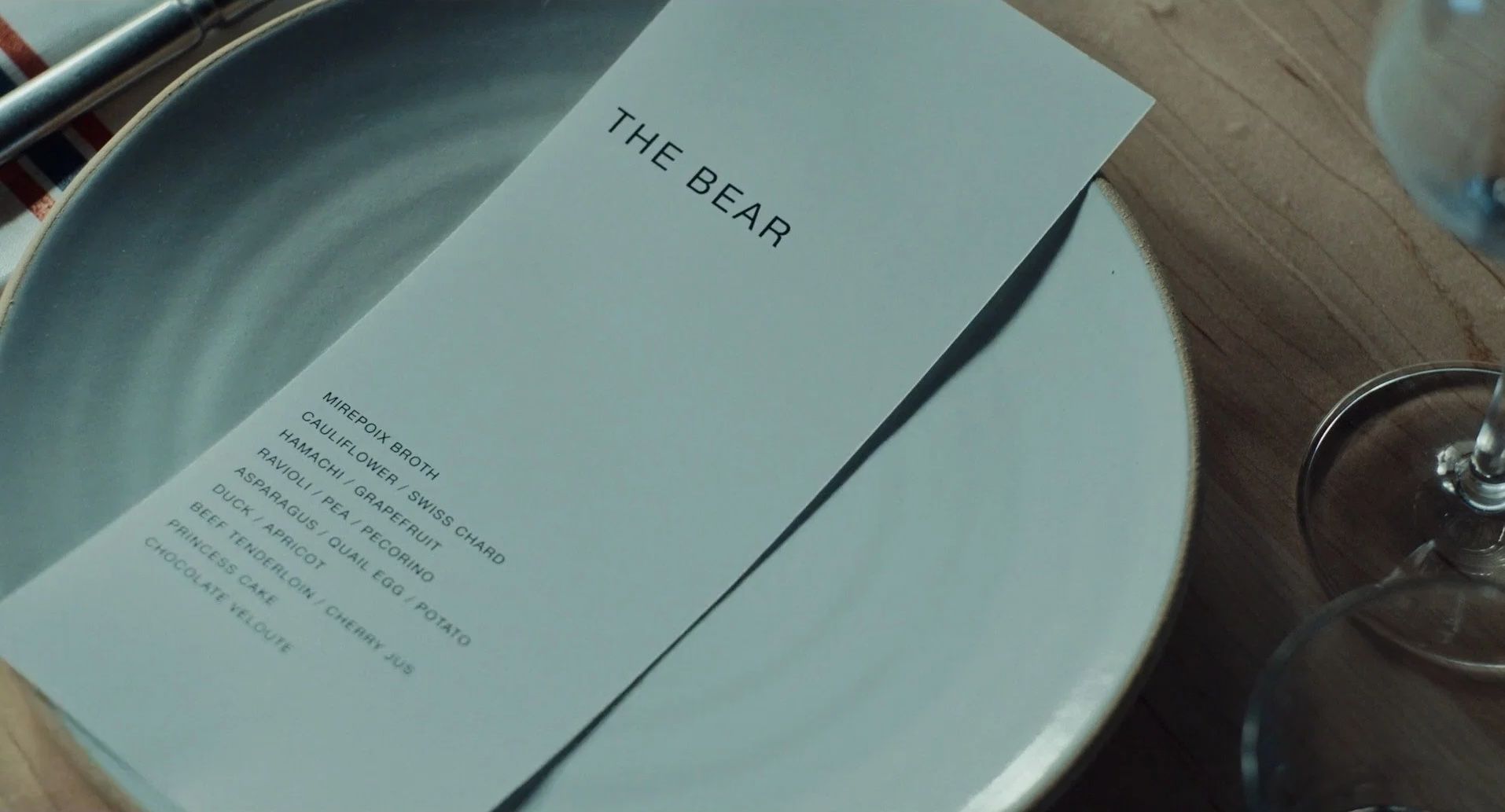
Some television is comfort food. Familiar, satisfying and easy to consume. Some is fast food: enjoyable in the moment, but forgotten almost as soon as the credits roll. Then there are the rare shows that feel like fine dining, meticulously prepared, beautifully presented and designed to linger long after the final course.
The Bear is something beyond even that. It is the best meal of your life.
Not necessarily the easiest meal. At times, it is intense, overwhelming and almost too rich to consume. The kitchen is hot, the voices are loud and the pressure never stops building. But every ingredient has been selected with purpose, every course adds something new, and every moment contributes to an experience unlike anything television has served before.
Welcome to the tasting menu.
Amuse-Bouche: The Writing
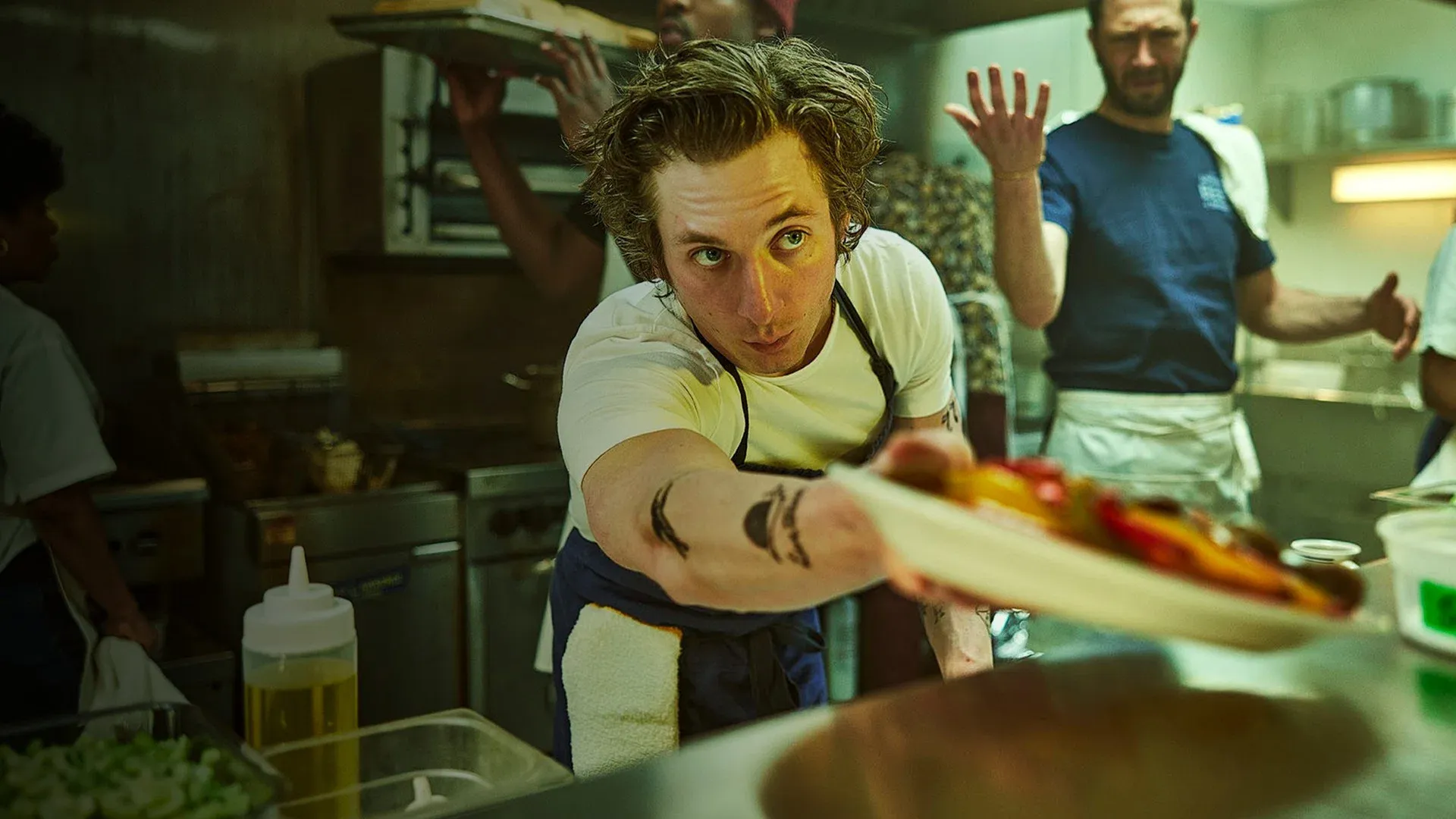 A concentrated opening of razor-sharp dialogue, layered character work and carefully hidden flavours.
The writing in The Bear arrives with the force of a first bite that instantly commands your attention. Conversations overlap. Arguments explode without warning. Characters speak in unfinished sentences, coded references and familiar insults that tell us everything about their relationships without stopping to explain them.
Christopher Storer and his writing team trust the audience. They understand that families, kitchens and damaged people rarely communicate clearly. The truth sits beneath the words: in the pauses, the interruptions and everything left unsaid.
Every episode adds another layer. What initially appears to be a story about saving a struggling Chicago sandwich shop gradually reveals itself as a study of grief, ambition, addiction, anxiety and the impossible standards people place upon themselves.
Nothing is wasted. Every line earns its place on the plate.
Starter: The Performances
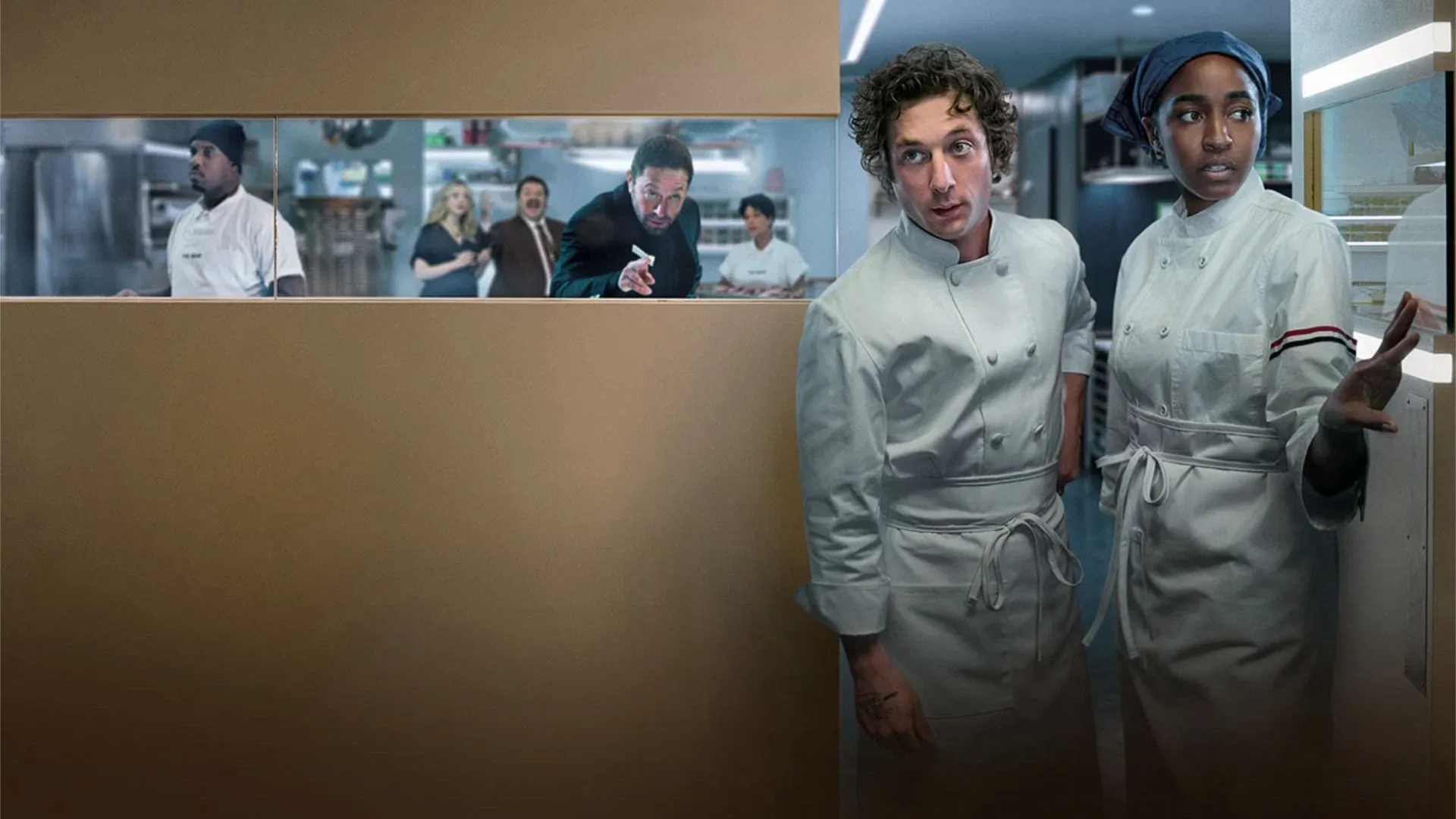 A perfectly balanced ensemble, led by Jeremy Allen White, Ayo Edebiri and Ebon Moss-Bachrach.
Jeremy Allen White plays Carmy like a man permanently holding his breath. He can communicate exhaustion, panic and buried rage with the smallest movement. A glance towards a ticket machine can carry more dread than most shows manage across an entire episode.
Ayo Edebiri gives Sydney ambition, vulnerability, humour and frustration. She wants greatness, but she is still learning what greatness costs. Ebon Moss-Bachrach transforms Richie from the loudest and most abrasive presence in the room into one of television’s richest characters.
Then there is the wider ensemble: Abby Elliott, Lionel Boyce, Liza Colón-Zayas, Matty Matheson and a remarkable collection of guest stars. Nobody feels like a side dish. Every character arrives with their own history, texture and purpose.
Fish Course: The Direction
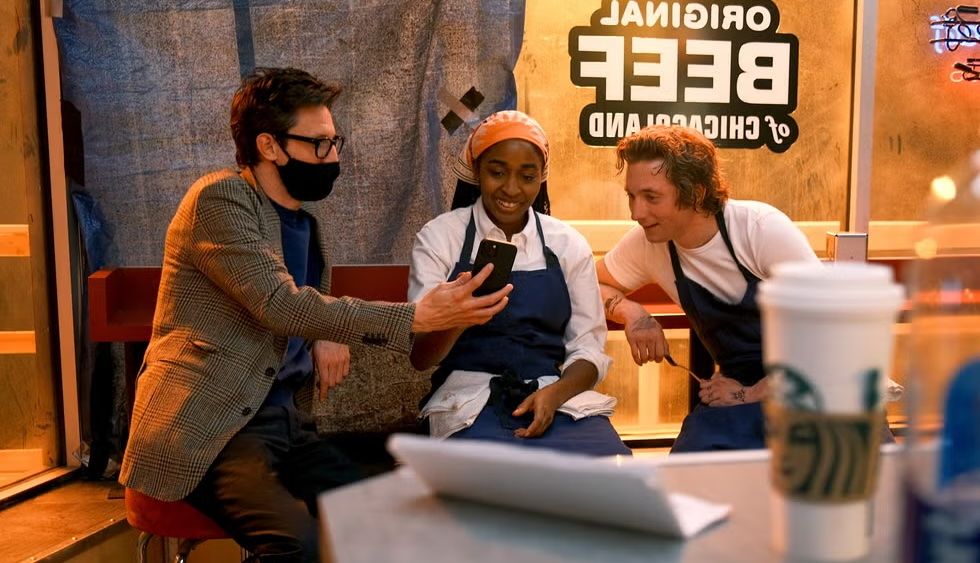 Precise visual storytelling, served with controlled chaos and unexpected delicacy.
The direction constantly changes the temperature. One moment, the camera traps us inside a kitchen where everyone is shouting and the walls appear to be closing in. The next, it allows a character to sit silently, giving the smallest emotion room to breathe.
Episodes such as “Review”, “Fishes” and “Forks” demonstrate the show’s extraordinary range. It can create tension through long takes and relentless movement, then deliver something almost meditative through routine, repetition and quiet observation.
The camera does not simply record the action. It moves like another member of the kitchen.
Main Course: The Editing and Pacing
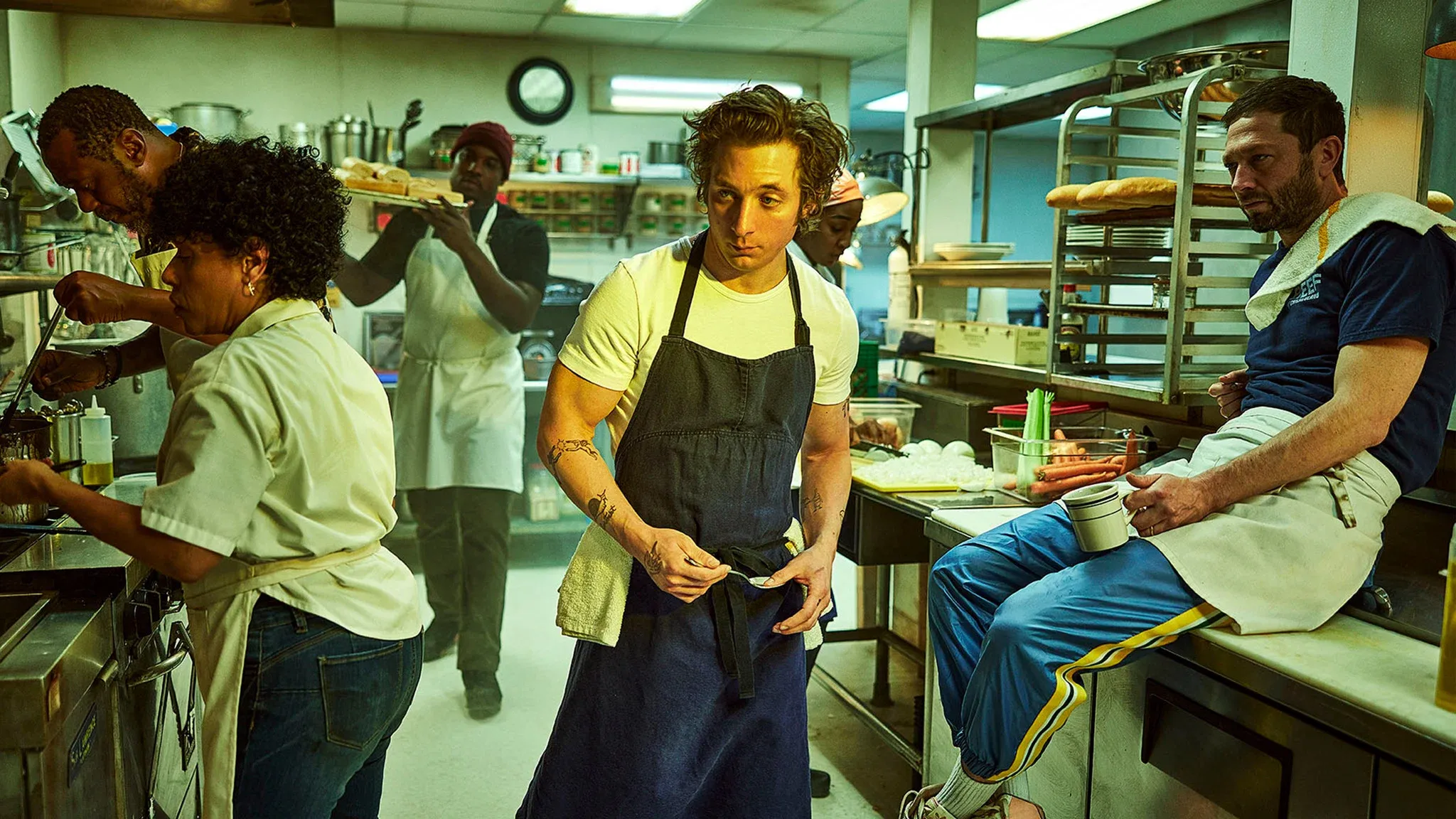 Rapid cuts, slow reductions and perfectly judged moments of release.
The editing is where The Bear becomes almost physical. Images, memories, sounds and fragments of conversation collide, recreating the sensation of anxiety rather than merely depicting it.
The pacing is equally fearless. Some episodes race forward like a disastrous dinner service, every second creating a new problem. Others slow everything down and focus on a single character, task or emotional breakthrough.
That variety gives the series its rhythm. It knows when to increase the heat and, crucially, when to take the pan away from the flame.
Palate Cleanser: The Music
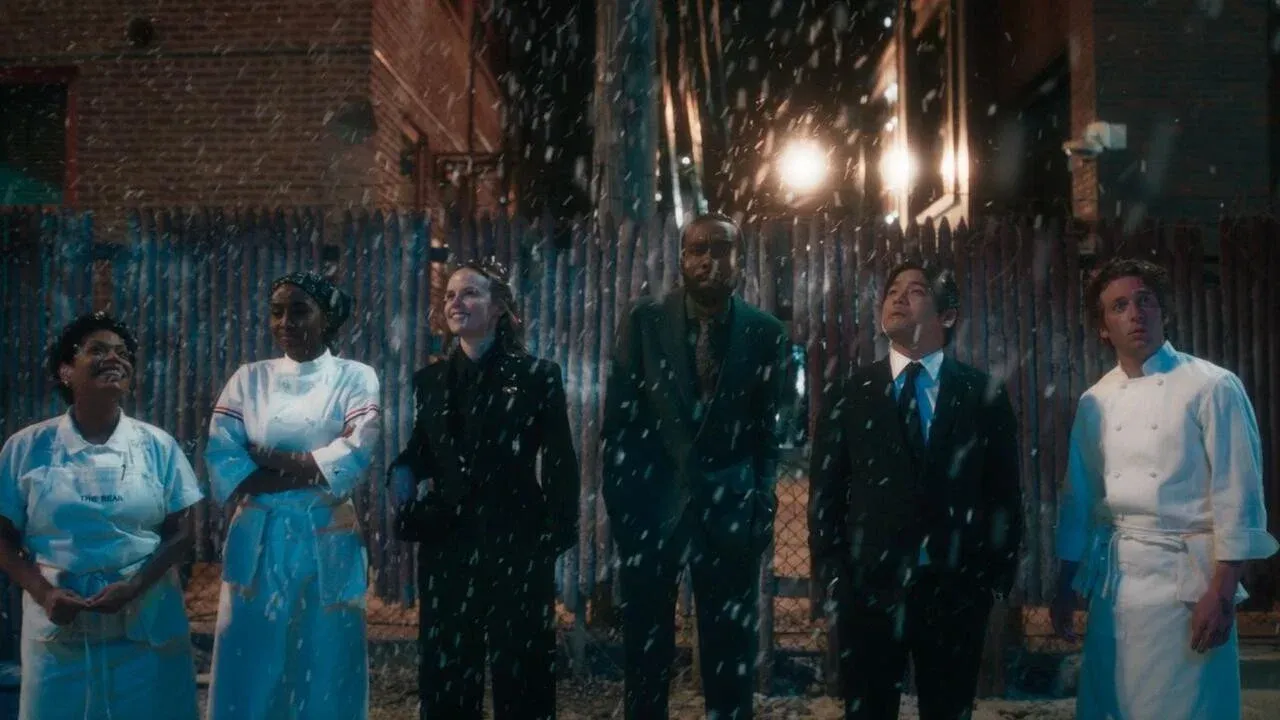 A carefully curated selection of classic tracks, deep cuts and emotional surprises.
The music in The Bear never feels pasted onto the action. It feels chosen by people who understand that the right song can carry memory, place and emotion all at once.
From Wilco and R.E.M. to Pearl Jam, Radiohead and Bruce Hornsby, the soundtrack gives the show another layer of identity. Songs can make Chicago feel romantic, make failure feel strangely beautiful or transform a simple act of preparation into something profound.
Like every great pairing, the music does not overpower the dish. It reveals flavours that were already there.
Shared Plate: The Family
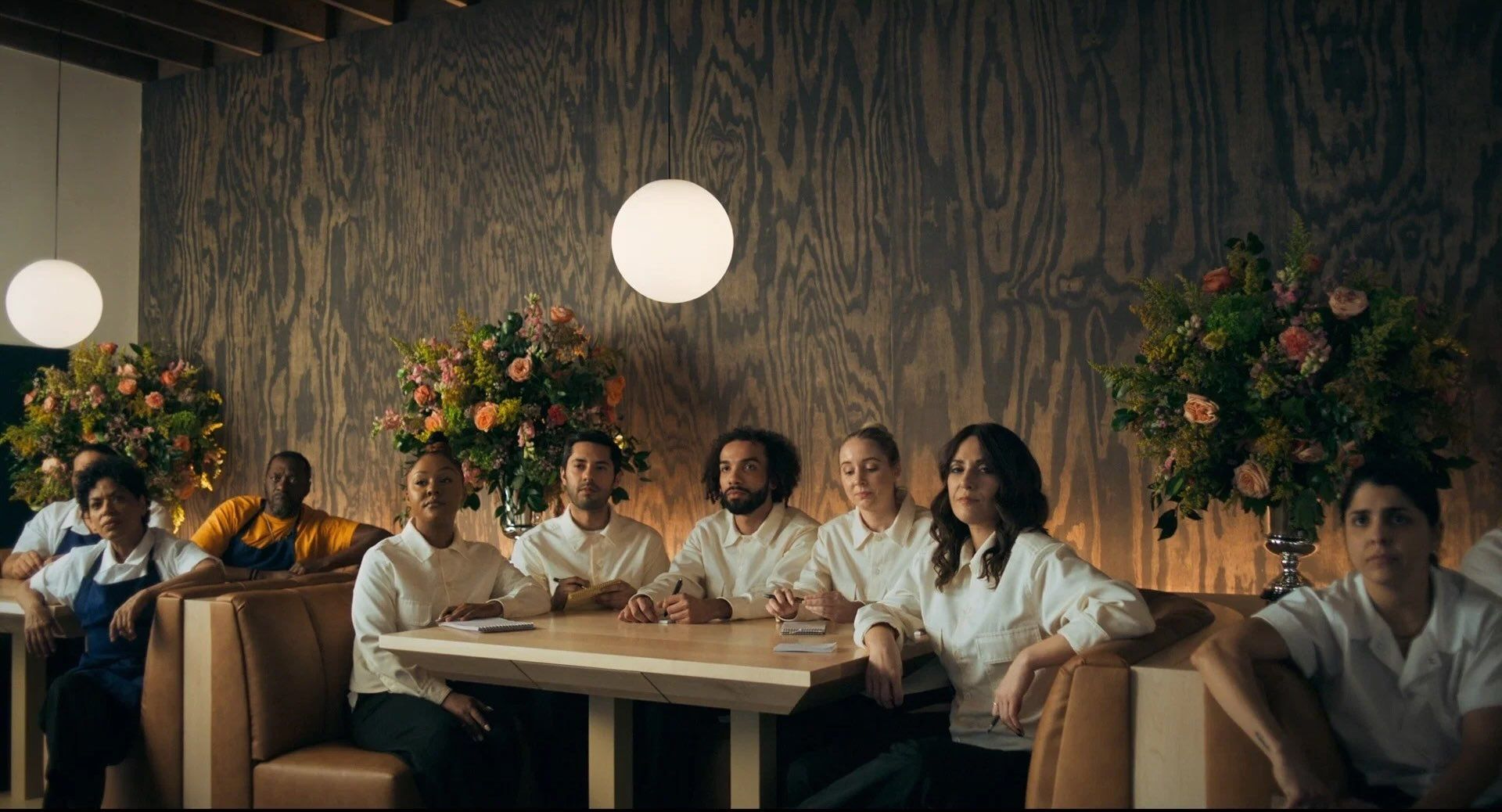 Messy, generous, combustible and impossible to separate.
At its heart, The Bear is about family, the one you inherit and the one you build.
The Berzattos love each other fiercely, but that love is mixed with trauma, resentment, guilt and expectation. Their family gatherings can feel like crowded tables where everyone knows exactly which emotional wound to press.
Yet the restaurant gradually creates another kind of family. Carmy, Sydney, Richie, Tina, Marcus, Sugar and the rest are not bound together by blood. They are connected by pressure, purpose and the belief that they might create something better together.
They hurt each other. They disappoint each other. They also keep showing up.
Dessert: The Emotion
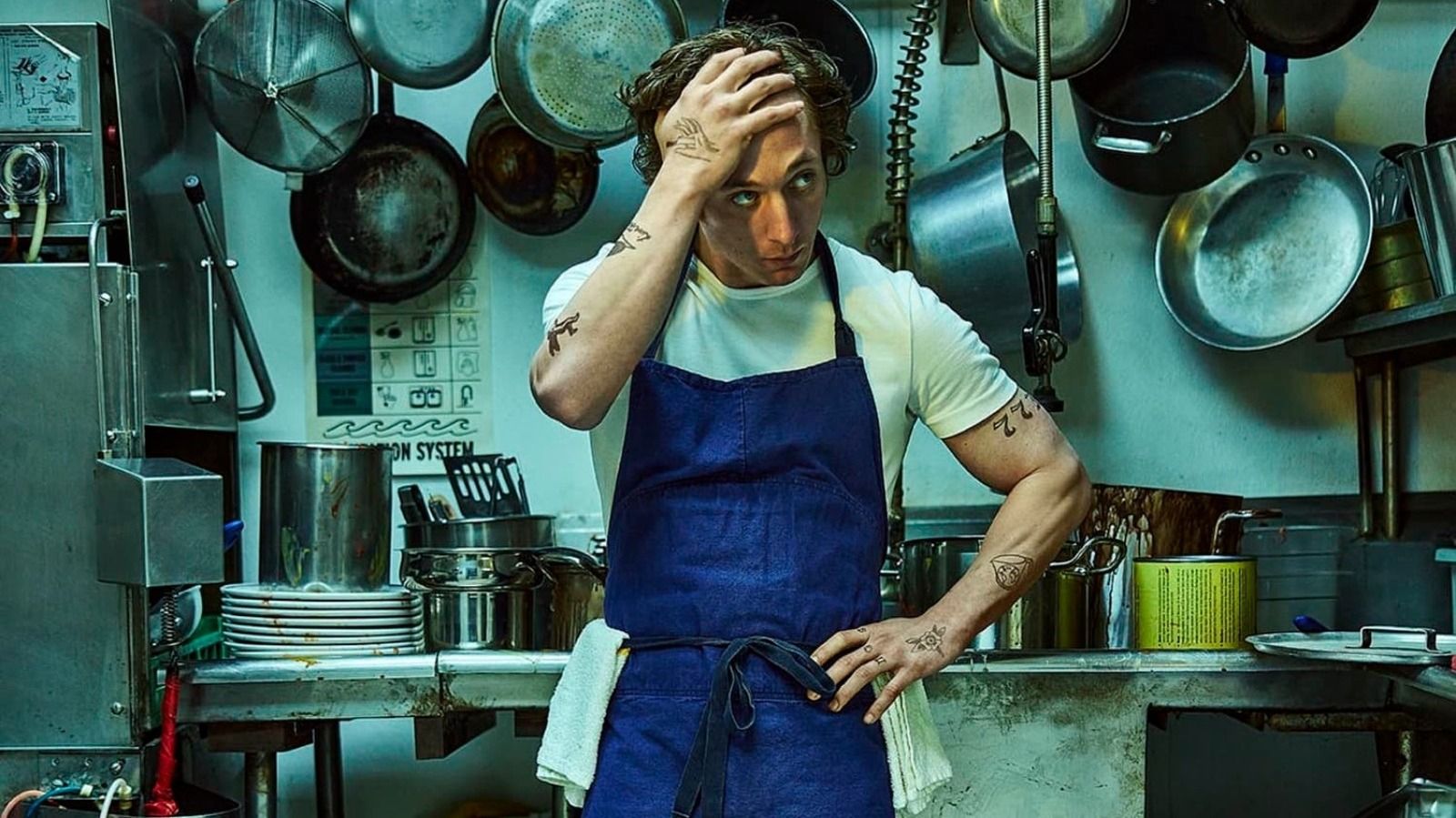 Sweetness, bitterness and a finish that stays with you.
Few shows understand emotion as deeply as The Bear. It does not chase easy tears or manufacture inspirational moments. Its greatest emotional pay-offs are earned through patience.
A character learns to respect service. Someone finds confidence through a new skill. An apology almost arrives. A gesture says what words cannot.
The show understands that transformation is rarely dramatic in the moment. Sometimes it is a person polishing forks, making an omelette or finally discovering where they belong.
Petit Four: The Final Verdict
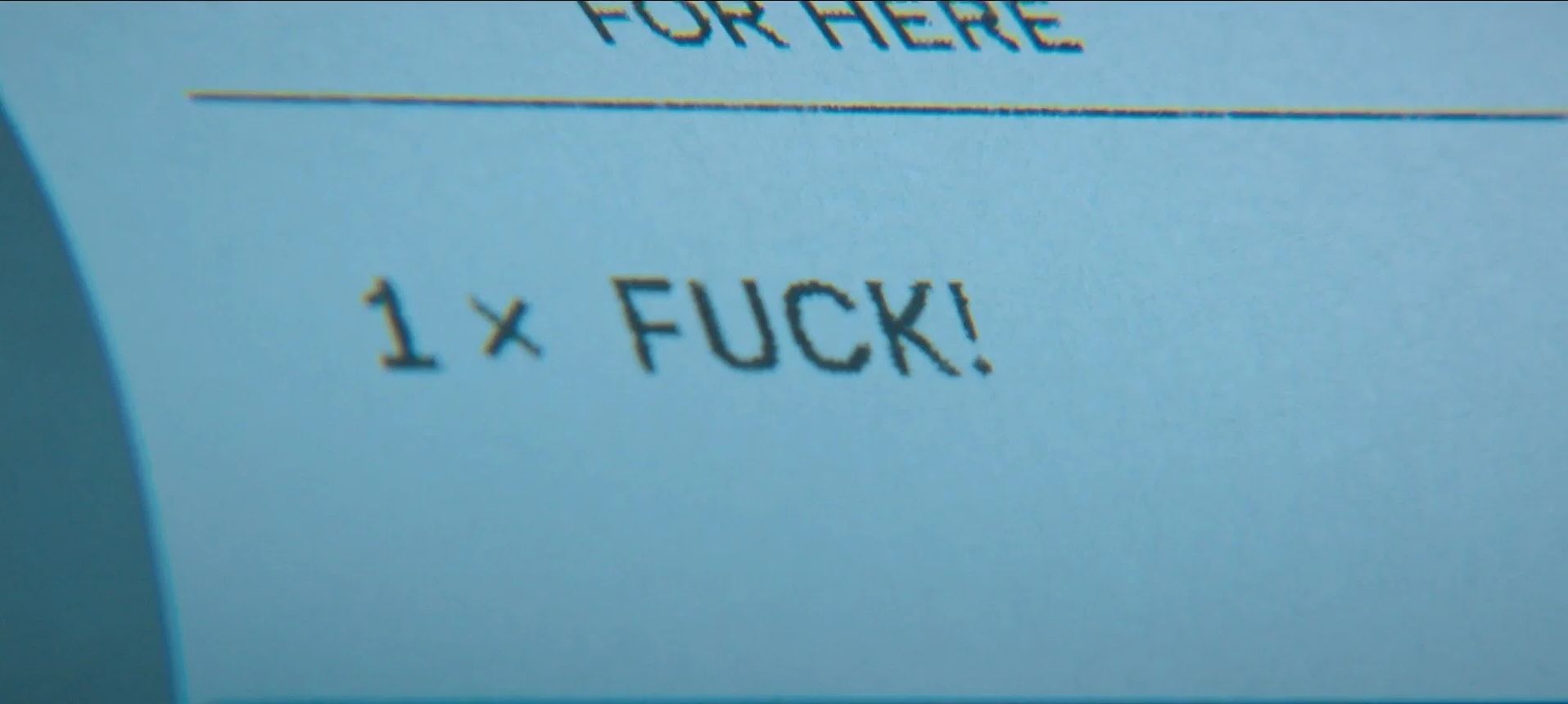 There may be shows with bigger worlds, more elaborate mysteries or longer legacies. But television has never produced anything clearly better than The Bear.
It is beautifully written, perfectly performed and directed with astonishing confidence. Its editing has rhythm, its music has soul and its characters feel more real with every season.
The obvious metaphor is also the correct one: The Bear is like one of the best meals of your life. The longer it continues, the more intimately you know the people preparing it, their ambitions, their mistakes, their scars and their impossible pursuit of perfection.
And somehow, that makes every course taste even better.
Compliments to the chef.
Jim Irving
Author