The World Cup Is Still Television’s Biggest Blockbuster
Streaming may have changed how we watch films and television, but when the World Cup reaches its decisive stages, millions still gather around the same screen at exactly the same time.
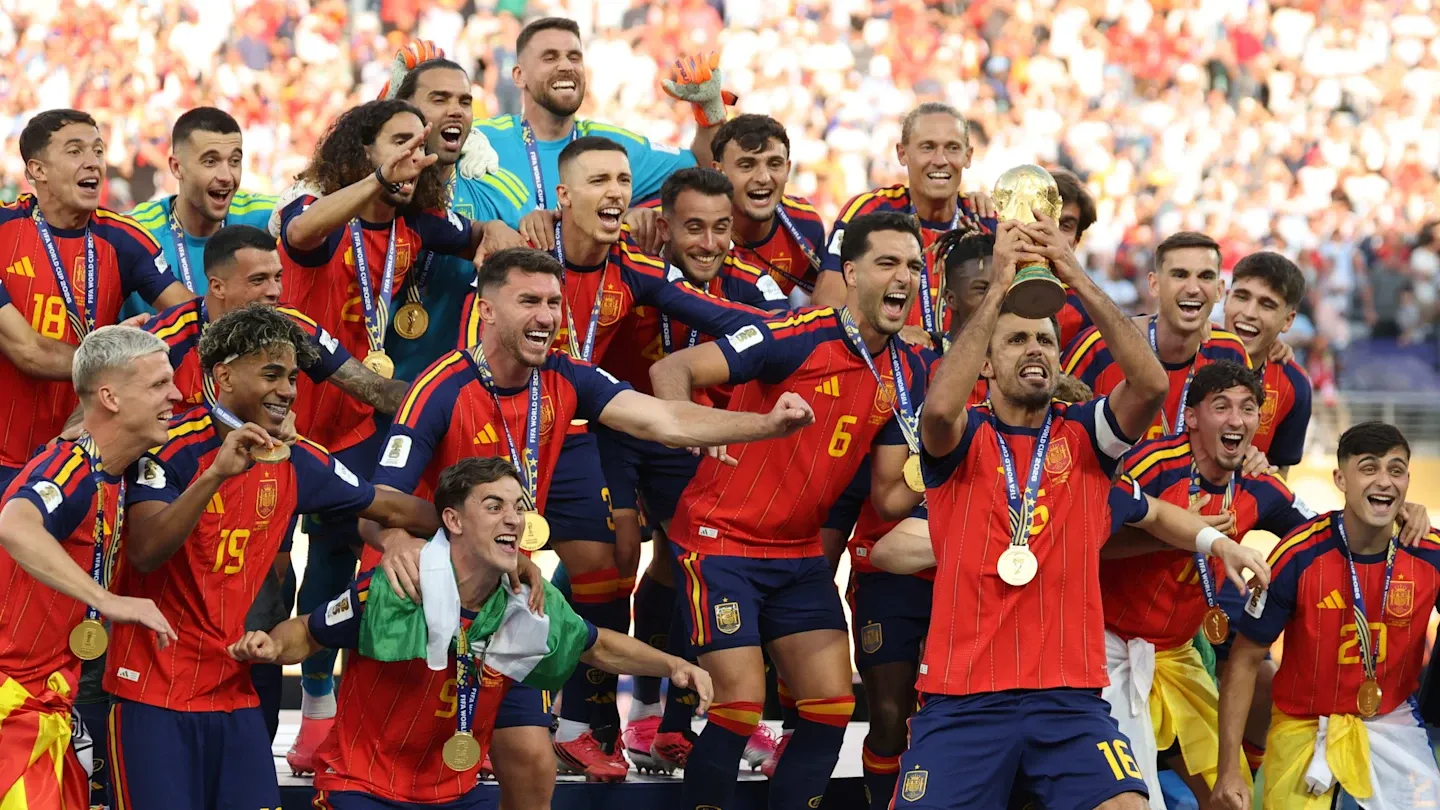
The 2026 tournament has once again proved that football remains television’s most powerful live event. Audiences surged across Europe whenever national teams were still competing, before predictably falling once those dreams had ended. Yet the figures for Spain’s 1-0 victory over Argentina in the final showed that the World Cup can command enormous attention even after the home team has gone home.
According to figures reported by Variety, the final attracted an average Spanish audience of 15.7 million, with an extraordinary 87.1% share across RTVE’s La 1, 3Cat, La 2 and DAZN. In total, the match reached 20.1 million people.
It became the biggest World Cup audience ever recorded in Spain and the second-most-watched television event in the country’s history, behind only Spain’s penalty shootout against Portugal in the Euro 2012 semi-final.
The tension certainly helped. Spain created chance after chance without converting, keeping millions watching through the gaps between their fingers before eventually securing the trophy.
Spanish newspaper El País argued that the team’s diversity, character and style reflected what modern Spain “is and can be in the 21st century”. It was more than a sporting victory. It became a shared national moment.
England Bow Out, But Britain Keeps Watching
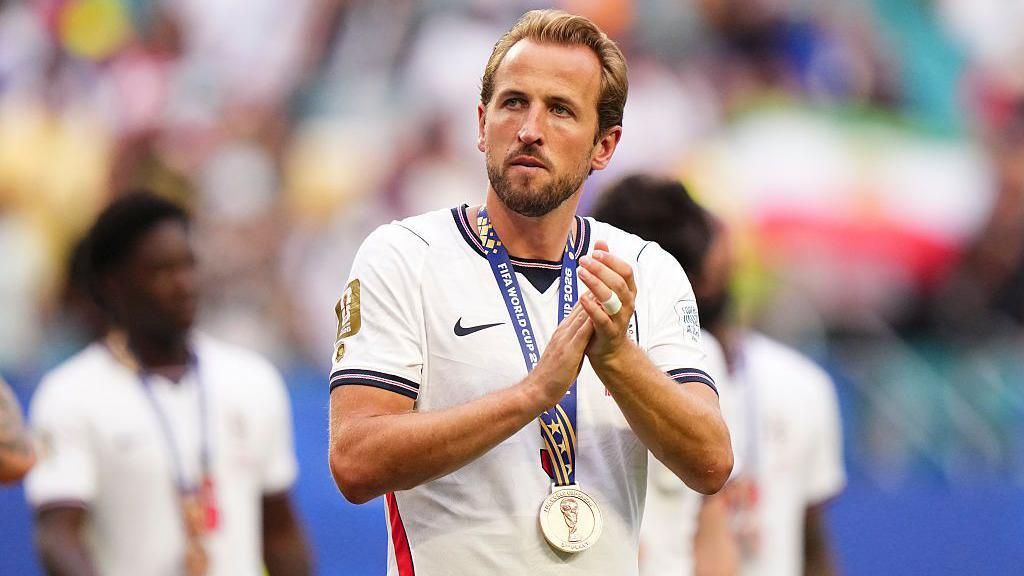
England’s semi-final defeat to Argentina averaged 22.1 million viewers and peaked at 24 million on BBC One, making it the UK’s biggest television broadcast of the year so far.
That is a staggering figure in an era when audiences are increasingly fragmented across streaming platforms, social media and on-demand viewing.
Even after England’s elimination, British viewers remained invested. The final averaged 13.9 million viewers, peaked at 15.8 million and delivered a 64% audience share across BBC One and BBC iPlayer. ITV reportedly added a peak audience of 3.4 million.
France experienced a sharper decline. Its semi-final against Spain attracted 20.2 million viewers and a 73% share on M6, according to Médiamétrie. The final then fell to 12.24 million viewers and a 59.2% share, a drop of roughly eight million people.
Italy provided perhaps the clearest evidence that the tournament could thrive without home-team involvement. Despite Italy failing to qualify, around 12.5 million viewers watched the final on RAI 1, producing a 65% average share that reportedly rose to 74% during extra time.
The audience extended far beyond traditional football fans. Justin Bieber performed at half-time, while Beyoncé, Jay-Z, Rihanna, Tom Cruise, Timothée Chalamet, Kylie Jenner, David and Victoria Beckham, Serena Williams and Tom Brady were among the famous faces in attendance.
And then there is the money.
Fox paid $485 million for the tournament’s US rights and, alongside Telemundo, is expected to generate around $850 million in advertising revenue. SportsPro reported that Fox alone may have earned as much as $250 million from hydration-break advertising.
Netflix, YouTube and Apple are now being linked with future rights, while ESPN chairman Jimmy Pitaro has confirmed the Disney-owned broadcaster’s interest.
The next rights battle could be enormous. Because whatever happens to television, one truth remains: the World Cup is still the biggest show on Earth.
Jim Irving
Author