What is the best way to convince someone to watch a film or TV Show?
I'm at risk of exposing myself as the only one here, but even though I ask people what they watched recently - either a film or a TV show - rarely do I go and watch it. This is even more the case when they praise it to oblivion with reviews that go along the lines of “the acting is amazing, the dialogue is so great.”
For me, what you find interesting might not invigorate my palette. The art of recommendation should not just be an exercise of reeling out top films that knocked your socks off, it should be about the films that would knock off theirs. It might be films that you didn’t enjoy. This advice sounds counterintuitive but recommendation through active personalisation does wonders in beginning to immerse them in the story on the screen.
Can Film and TV act as your Life Counsellor?
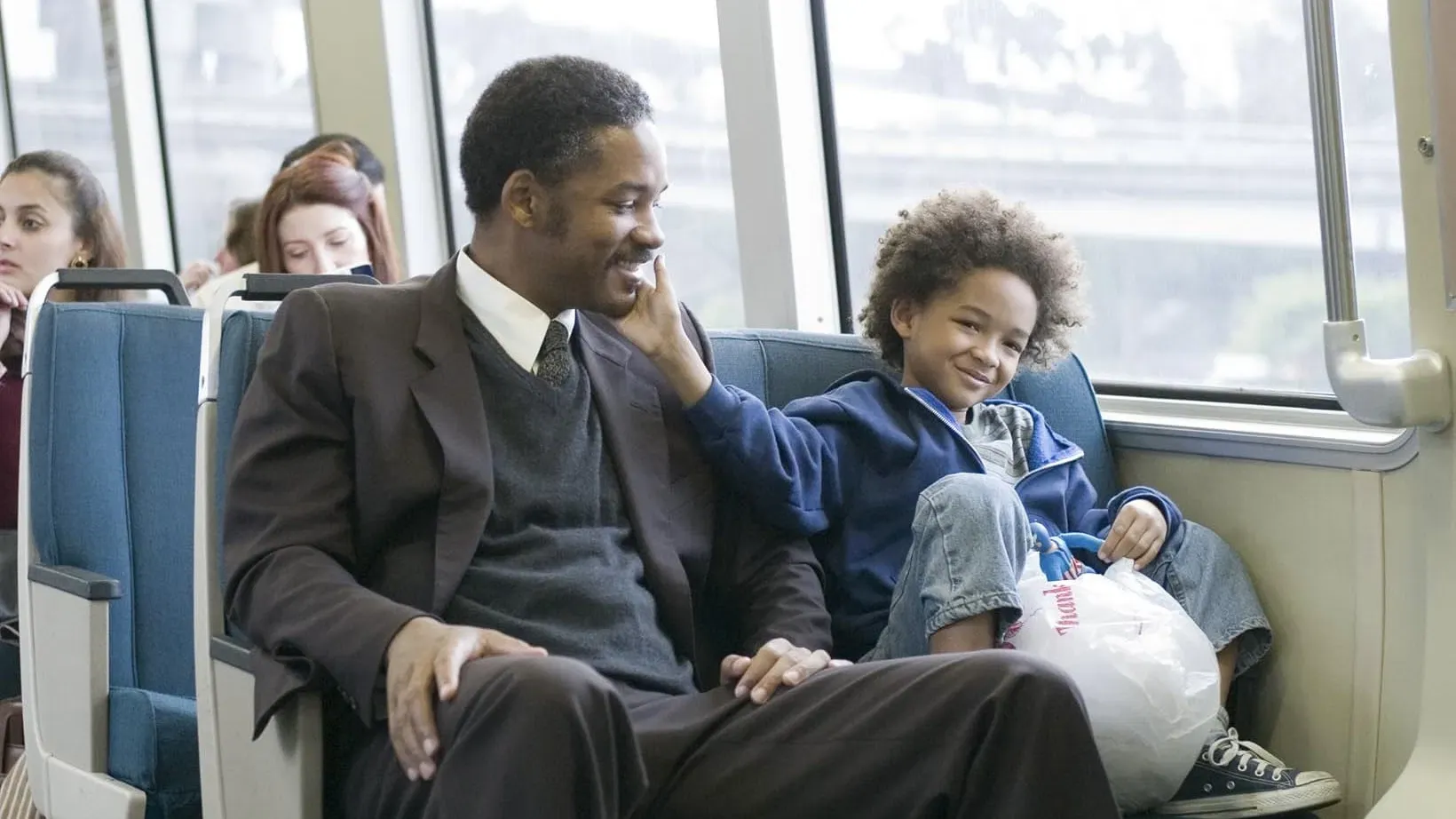
Everyone has an issue in their private lives in which they are embroiled whether personal or philosophical. It’s human. And films and TV, along with books, can be lighthouses that guide us in making decisions in our own lives. Gabriele Muccini’s The Pursuit of Happyness (Will and Jaden Smith) can teach us the power of fatherly love and the unconditional strength to provide for your children in harrowing poverty, Vince Gilligan’s Breaking Bad on how desperation, no matter the morality of the end, can lead you down the path of familial destruction, or, Noah Baumbach’s Marriage Story (Adam Driver, Scarlett Johansson) detailing the brutal and underexplored realities of divorce that change mother and father.
Art like these was obviously not made to directly provide the audience with a neatly plated solution, but watched in a particular mindset they can provide a cautionary tale, a screen test, if you will, of your own life if you mirrored the characters’ decisions.
Watching What You Know Best
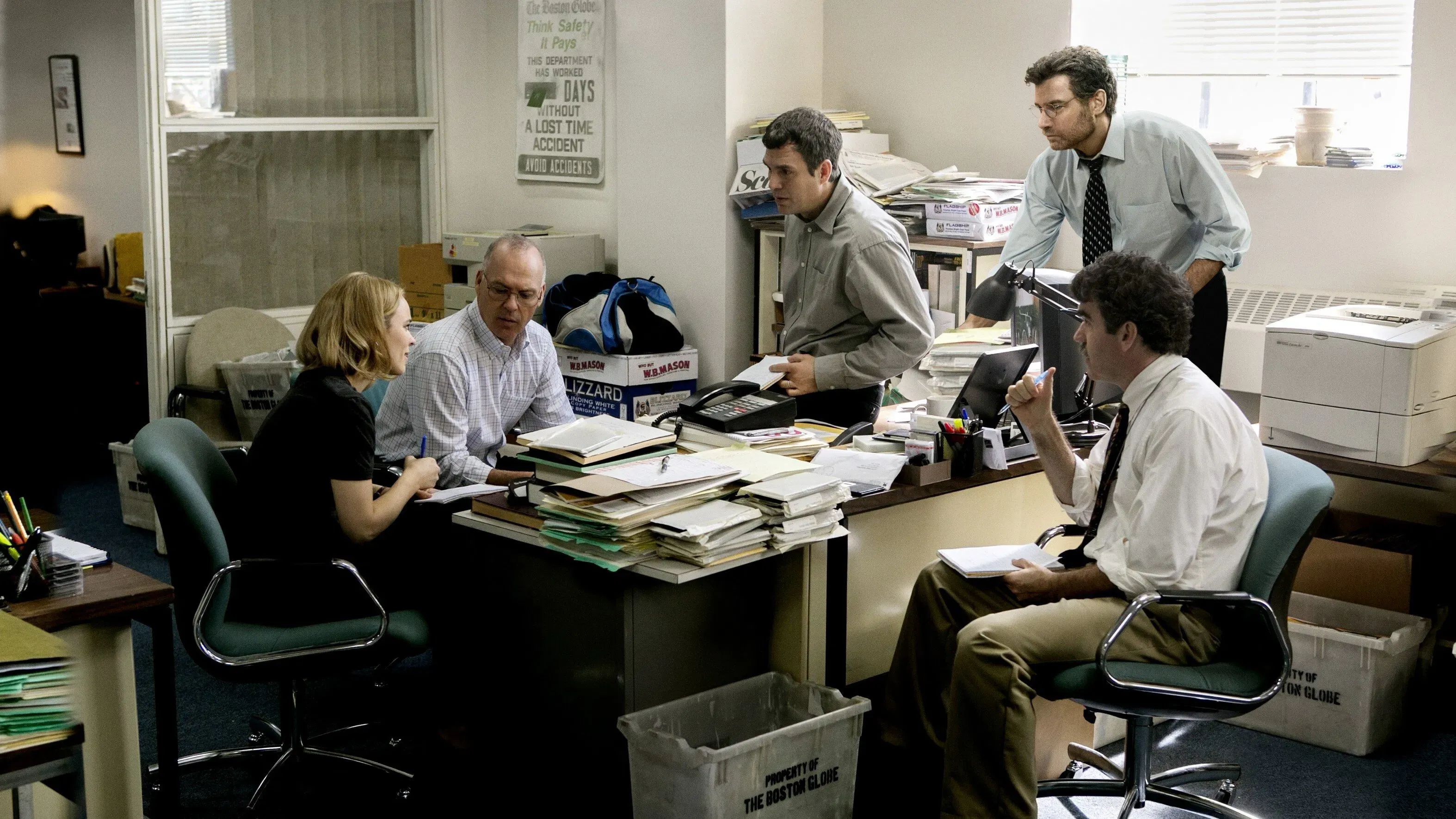 I am by trade a journalist. And it behooves me when colleagues cannot give me an answer to any films about journalists they have ever watched. I recall watching Spotlight revolving around a real case of four Boston Globe reporters on an unwavering quest to expose a child molestation scandal cover-up by the local Catholic Archdiocese. The two-hour film glued me to the screen. Not only was it reassuring to know that I am doing what I love, but it’s fascinating to see how others around the world are operating in my field, the dos and don'ts, the minutiae in cultural differences. If you ever have a friend in finance, suggesting a film like The Big Short or Margin Call might pique their interests.
Directors Playing Hide and Seek
One of the concepts that changed the way I watch films and TV shows is Chekhov’s gun. Essentially, if a character hints at the hunting rifle above the fireplace in the dialogue, chances are that it will launch its ammo into someone’s abdomen in the final act. This is why I love film and TV - the brilliant and ingenious foreshadowing in dialogue, actor blocking, and non-verbal behaviour - they all serve as clues to what may or may not happen as the film unwinds its plot. One small moment that gripped me was in Jordan Peele’s psychological horror Us. It was a prolonged single shot of a toy ambulance acting as a doorstop in the opening act. If you haven’t seen it, I’ll promise not to give the ending away to spoil how Peele uses this as his own Chekhov’s Gun. So many films and TV shows are hidden with subtext. It’s a lifetime journey to hunt for them, each discovery illuminating and heightening the story in perpetuity.
Films and TV are art forms that change lives and it’s not over-dramatic to say so. And when it changes theirs after you convince them to watch, it is as pleasurable as the act of watching it yourself. And perhaps in their own experience of it, they might even point to something you had missed too.
Anthony Cheng
Author