Why Bridgerton Is More Than Just a Guilty Pleasure
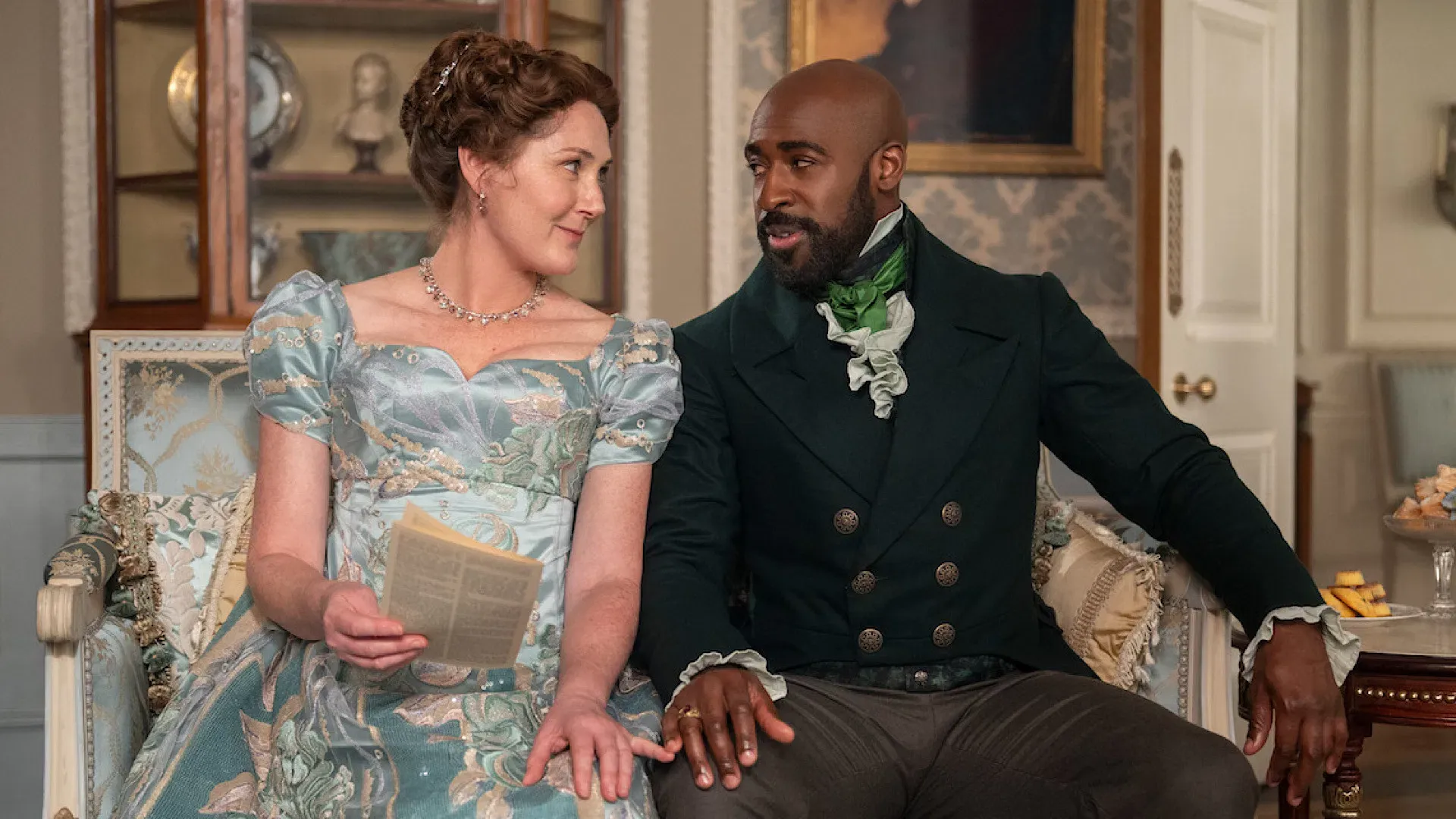
Bridgerton arrived in our living rooms wrapped in silk, scandal and string quartets. At first glance it’s easy to dismiss it as pure escapism, a lavish costume drama with romantic intrigue and a slightly mischievous narrator. In some circles it’s still written off as a “guilty pleasure”.
That label misses something important.
Because beneath the corsets and gossip columns, Bridgerton is quietly doing something culturally significant.
A Regency world reimagined
When the show premiered on Netflix, one of the most striking things about it was the casting. Instead of repeating the traditional, overwhelmingly white depiction of Regency Britain, creator Shonda Rhimes built a world where people of colour occupy the very centre of the story. Not as side characters. Not as background. But as dukes, queens, and romantic leads.
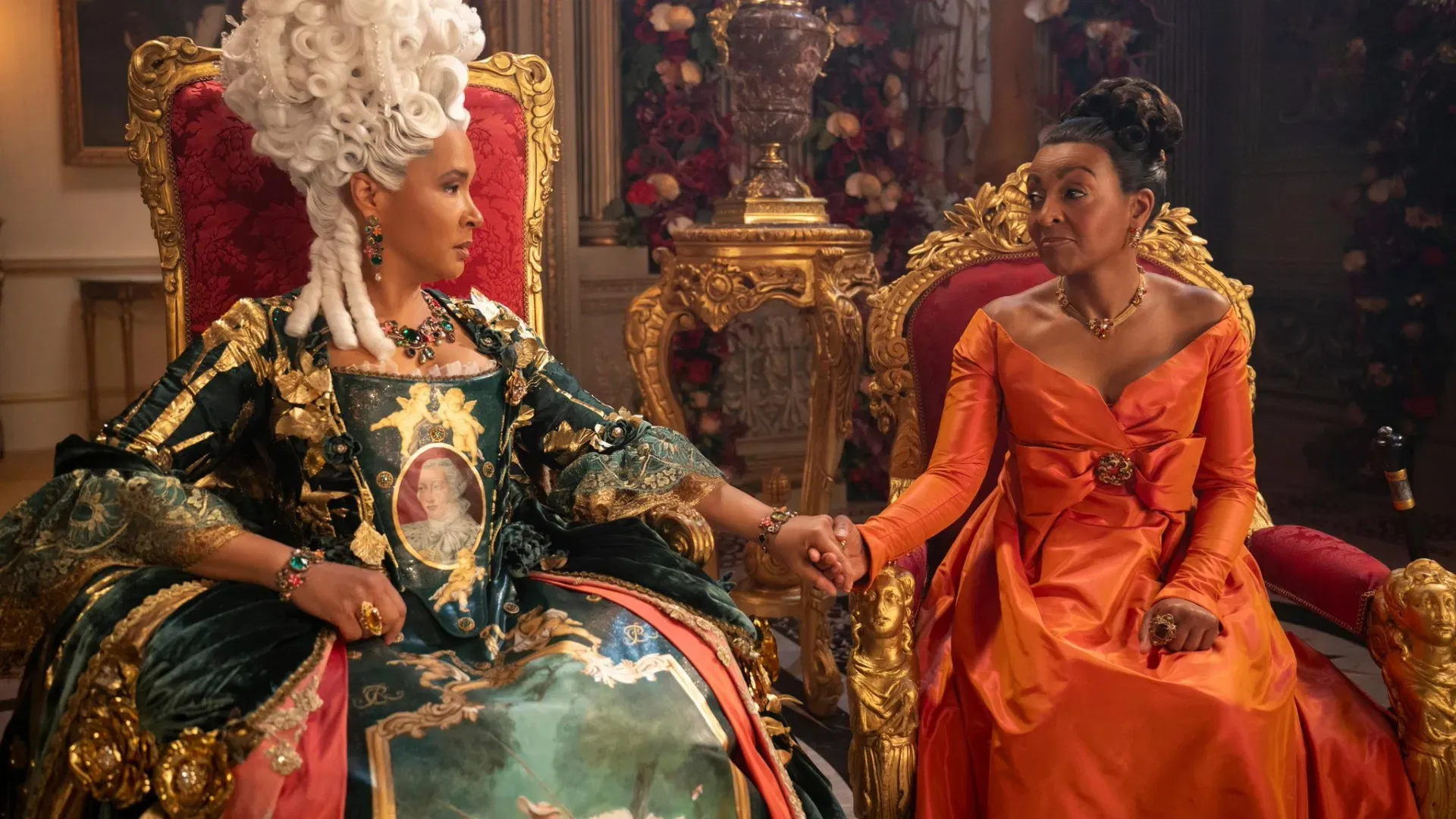 Actors such as Regé‑Jean Page, Golda Rosheuvel and Adjoa Andoh appear not on the margins of high society, but at its very heart. The Duke of Hastings becomes the object of desire. Queen Charlotte rules the court. Lady Danbury commands every room she walks into.
For many viewers, that shift mattered. It’s a reminder that representation isn’t just about presence, it’s about possibility. When audiences see people who look like them inhabiting worlds traditionally closed to them, the cultural impact travels far beyond the screen.
Love stories for a wider world
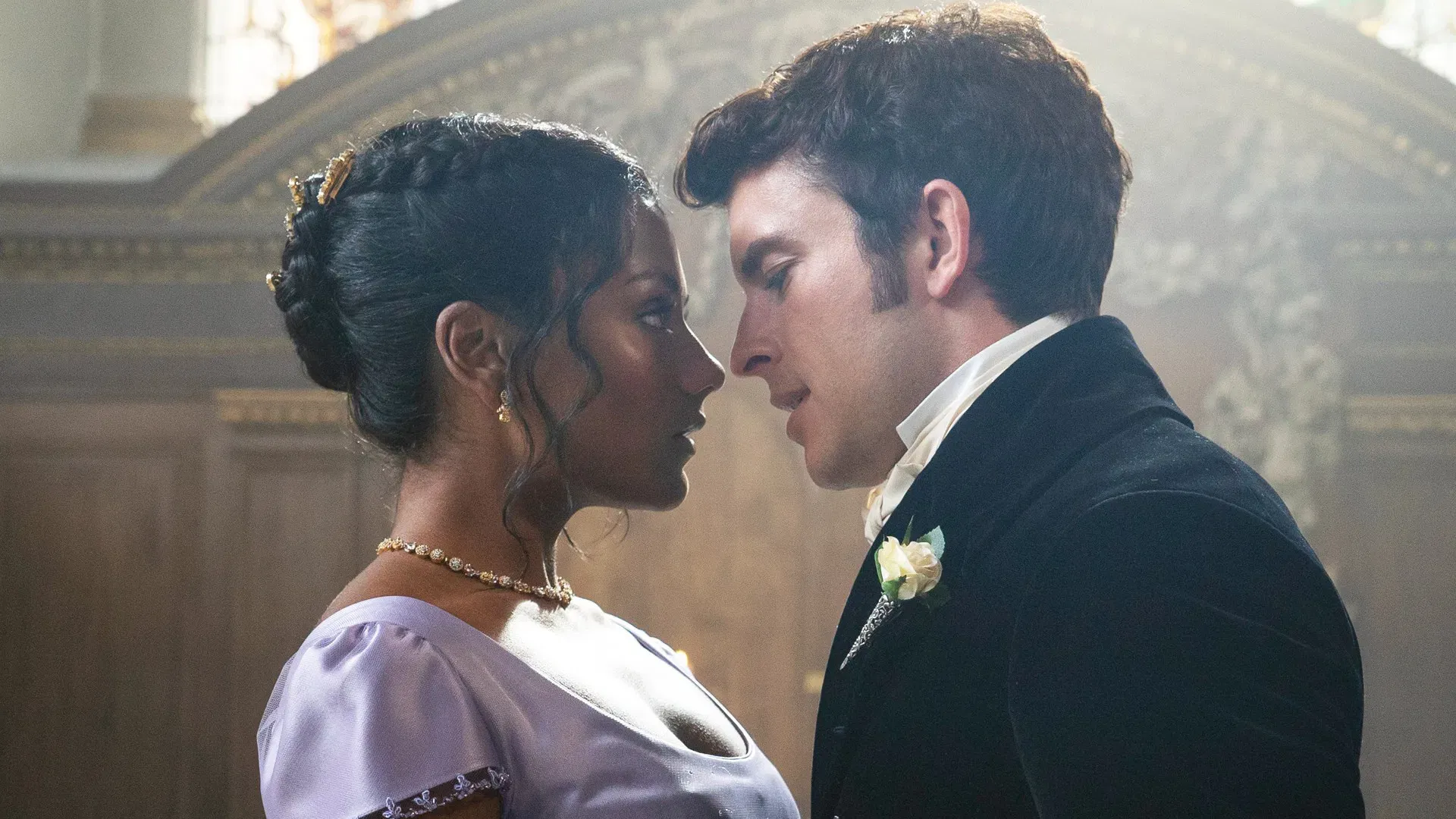 At its core, Bridgerton is still a romance. But even there, it’s pushing the genre forward. Romantic storytelling, especially in period drama,has historically been narrow. The leading couples have overwhelmingly been white, heterosexual and culturally homogenous. Bridgerton breaks that pattern with ethnically diverse relationships and a world where love stories reflect the audience watching them. It’s a simple idea, but a powerful one.
Rhimes herself has pushed back on the idea that stories about women and romance are somehow trivial. Critics who dismiss shows like Bridgerton, she argues, often underestimate the complexity of stories centred on women’s lives. As she put it to Sky News: “There are certain people for whom the world of women will never be considered as serious or as complex or as interesting as the world of men.” In other words, romance can be culturally meaningful too.
The soundtrack that bridges centuries
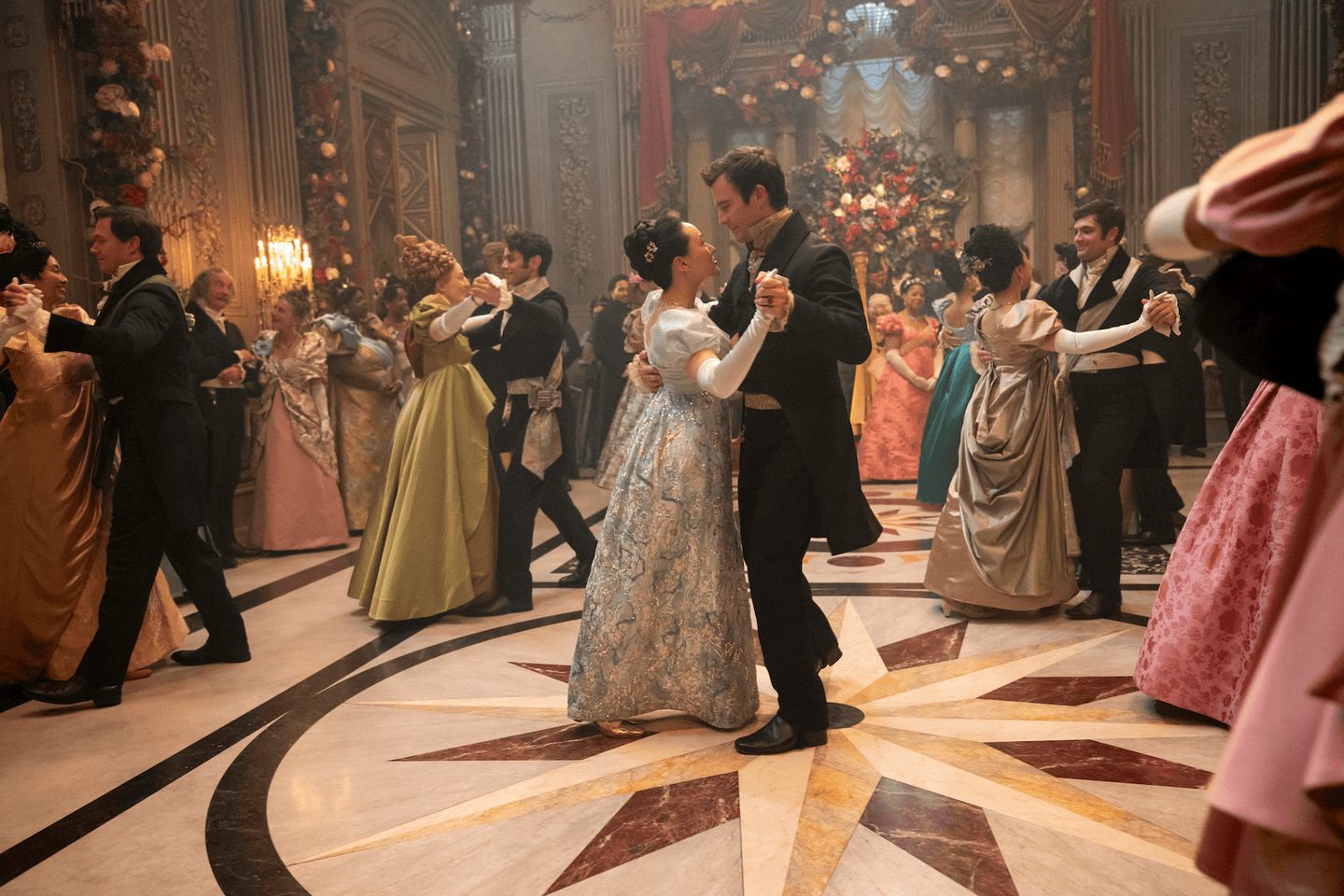 Then there’s the music. One of the show’s cleverest touches is its soundtrack, modern pop songs re-imagined as classical string arrangements. Hits by contemporary artists are transformed into elegant orchestral pieces that sit perfectly alongside ballroom dances and candlelit courtships.
It’s a small creative decision, but it reflects the entire philosophy of the show: the past and the present blending together. The message is subtle but clear, this world may look like Regency England, but it belongs to today’s audience.
More than escapism
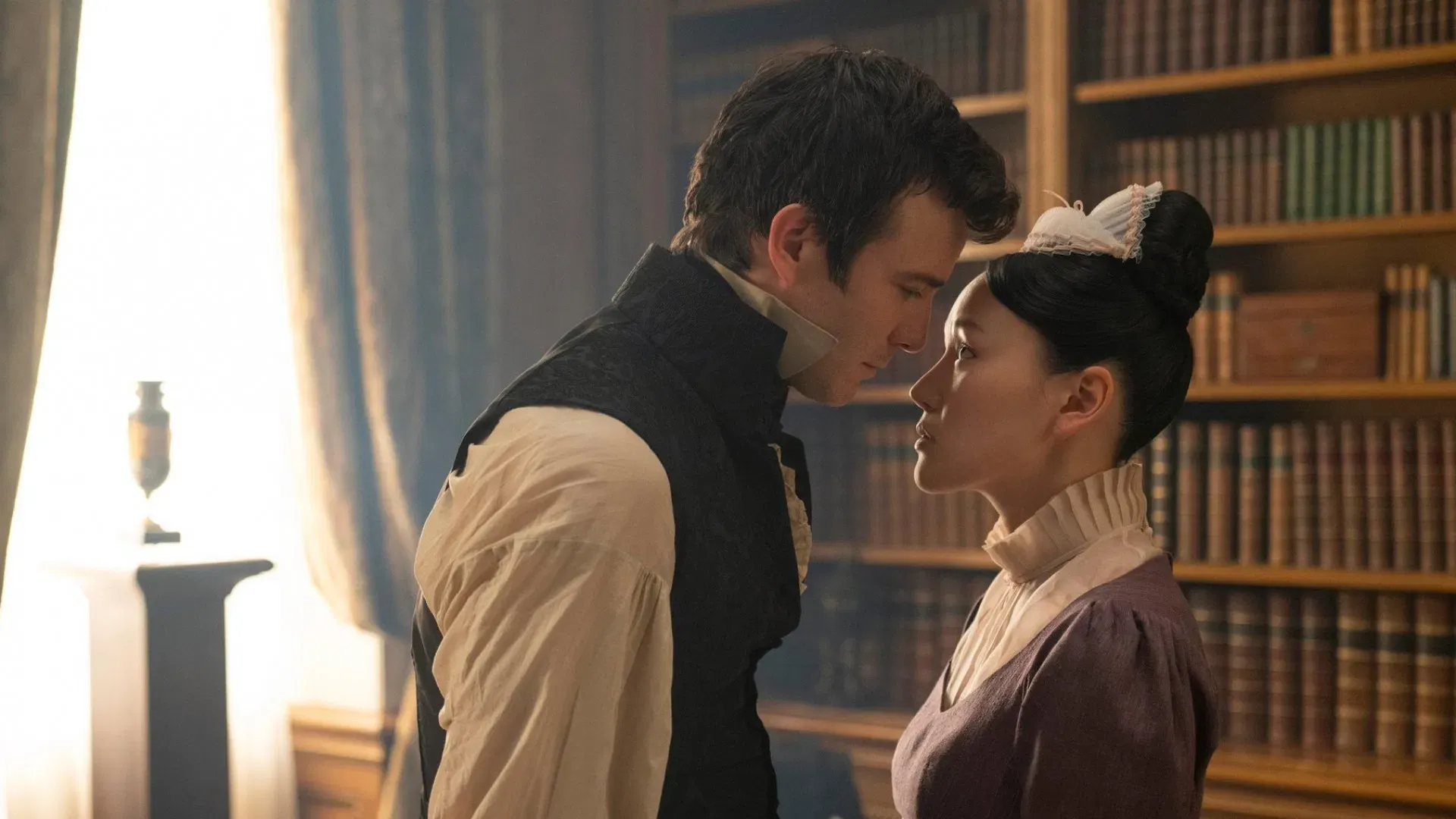 Yes, Bridgerton is entertaining. It’s colourful, romantic and gloriously dramatic. That’s part of its appeal. But it’s also reshaping what period drama can look like, who gets to lead it, who gets to fall in love, and who gets to see themselves reflected in stories of power, romance and possibility.
So call it escapism if you want. Just don’t call it insignificant.
Jim Irving
Author