Why Broadchurch’s Dorset Accent Makes Us Care
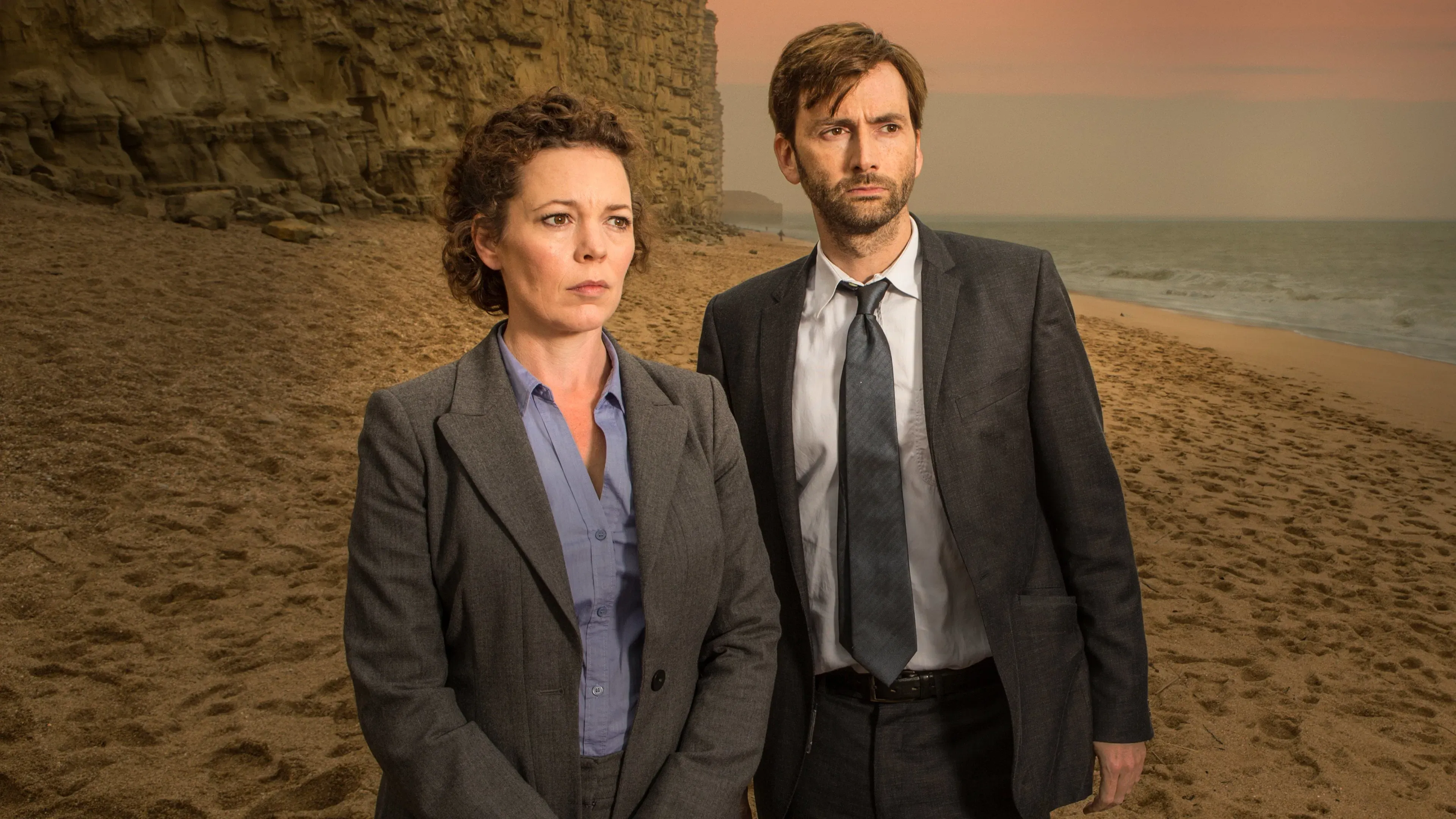
When Broadchurch premiered in 2013, it didn’t redefine the crime drama, but it quietly perfected something far more difficult, emotional credibility. Set against the cliffs and coastlines of Dorset, the series understood that place is not just something you see, it’s something you hear. The Dorset accent, threaded carefully through the show’s ensemble, becomes one of its most powerful tools, grounding the drama in warmth, restraint, and recognisable humanity.
At the heart of Broadchurch is a deliberate clash of voices. On one side are the locals, softly spoken, emotionally guarded, shaped by coastal life. On the other is an outsider whose accent immediately marks him as different.
The Outsider: DI Alec Hardy (David Tennant)
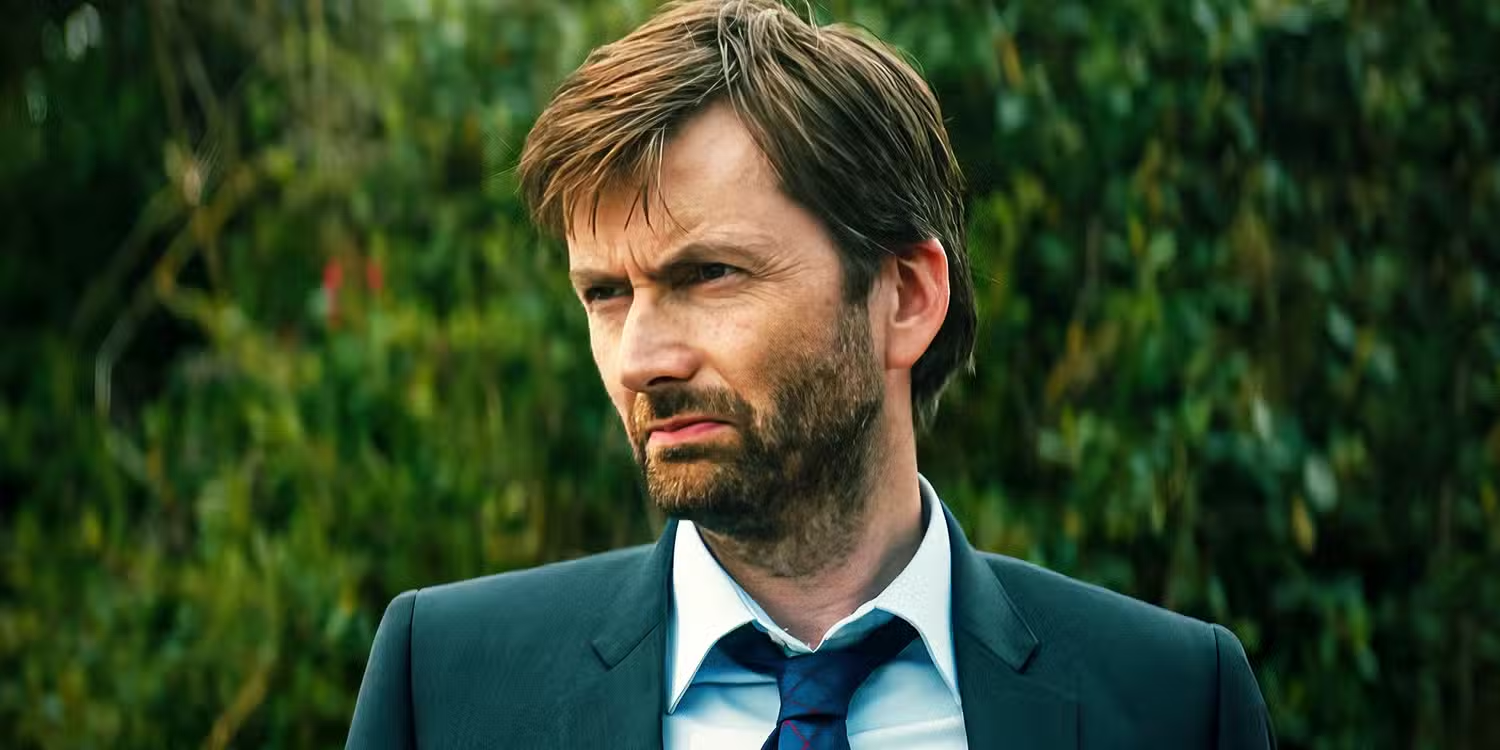 David Tennant’s performance as DI Alec Hardy is defined as much by sound as by temperament. Known globally for his Scottish accent from roles like Doctor Who and later Good Omens, Tennant leans fully into that clipped, abrasive delivery here. Hardy sounds wrong for Broadchurch, and that discomfort is essential. His voice cuts against the Dorset cadences around him, reinforcing his emotional distance, impatience, and unresolved guilt.
Tennant never attempts to soften Hardy to win the audience over. Instead, the surrounding accents do that work. The contrast creates tension, but also empathy. Hardy’s sharpness feels survivable because it exists within a community that speaks more gently.
The Emotional Anchor: DS Ellie Miller (Olivia Colman)
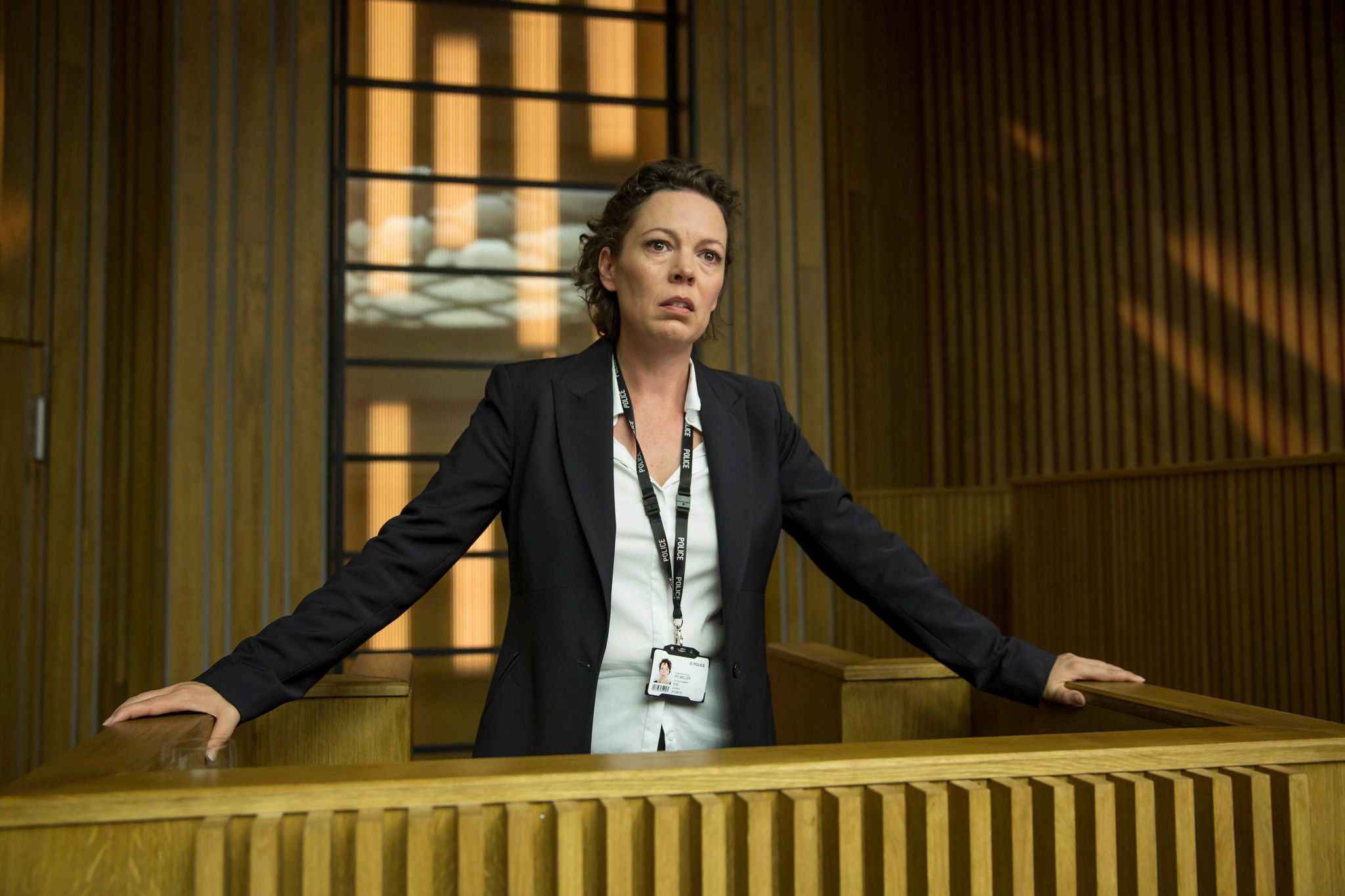 If Hardy is disruption, Olivia Colman’s DS Ellie Miller is emotional gravity. Colman, now synonymous with performances in The Crown, Fleabag, and The Favourite, gives Ellie a warmth rooted in regional cadence. Her voice feels familiar and trustworthy, like someone you would confide in without thinking twice.
Ellie’s accent reinforces the show’s central idea, this is a story about a community first, a crime second. When Ellie is betrayed and wounded, the impact lands harder because she sounds like someone real, someone local.
A Community That Speaks Together
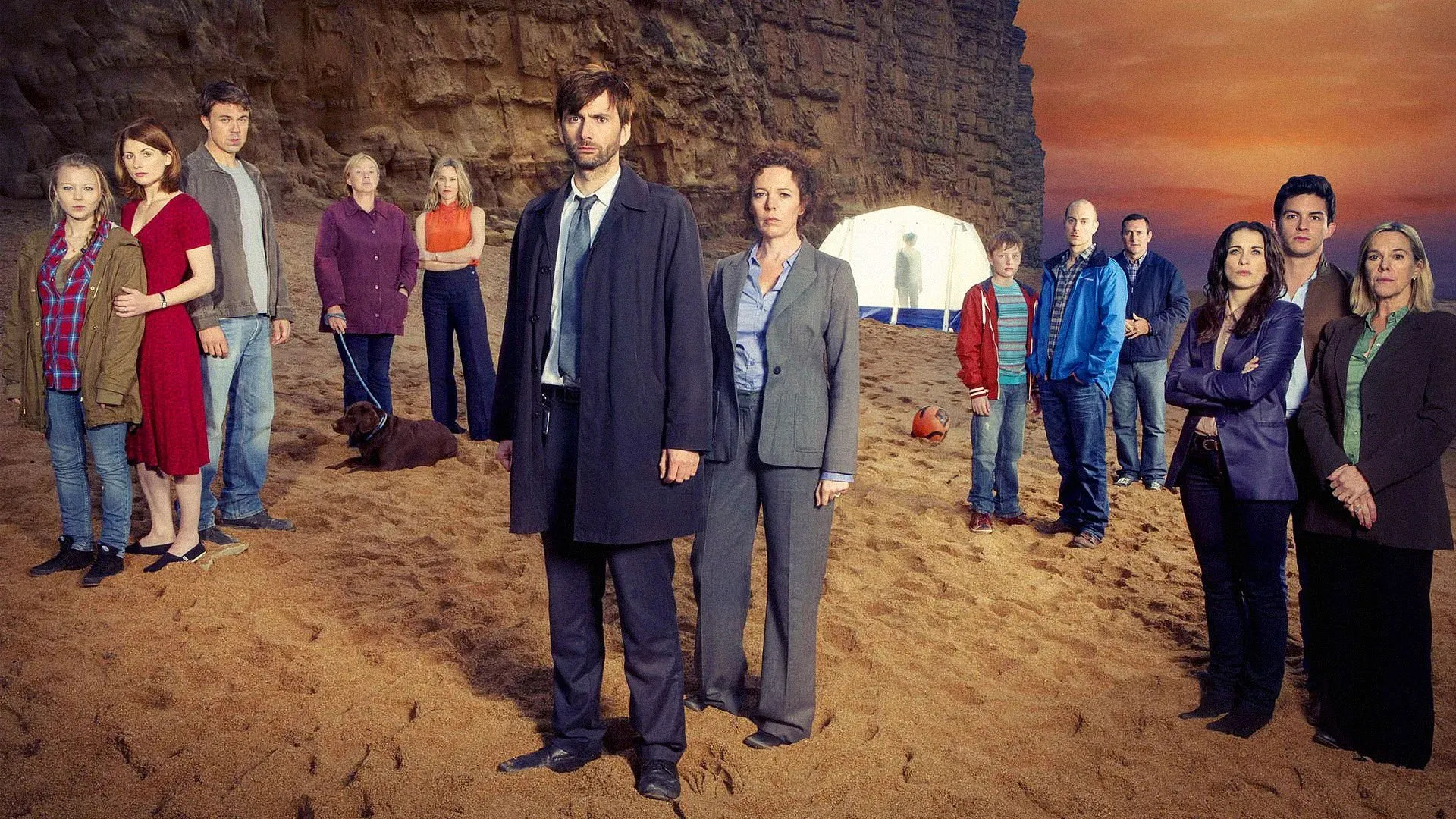 What elevates Broadchurch is its consistency. Performances from Jodie Whittaker, Andrew Buchan, Pauline Quirke, and Arthur Darvill never overplay the regional voice. The Dorset accent is not used as shorthand for class or intellect, it’s simply part of the fabric. The result is a soundscape that mirrors the show’s themes, quiet grief, emotional repression, and devastating release.
This restraint is crucial. Grief in Broadchurch is not explosive, it’s cumulative. It lives in pauses, half-sentences, and voices that strain to stay composed. The accent supports that emotional architecture perfectly.
Why Broadchurch Endures
More than a decade later, Broadchurch remains one of the most emotionally precise British dramas of the 21st century. Its success lies not just in Chris Chibnall’s writing or Ólafur Arnalds’ score, but in its commitment to authenticity through voice.
If the series leaves you craving more South Coast English texture, The Coroner offers a lighter Devon-set alternative, while Doc Martin leans broader but makes excellent use of Cornish voices. Even This Country, though inland, shares the same affection for local cadence and rural specificity.
In Broadchurch, the Dorset accent doesn’t just locate the story. It earns our trust, and reminds us that tragedy feels heavier when it sounds like home.
Simon Jouny
Author