Why We Need The West Wing Now More Than Ever
We tend to keep politics out of Recce Gossip, not because it doesn't matter, but because there is already more than enough noise competing for your attention. Recce is about what to watch, what to feel, and what is genuinely worth your time. But every so often, something cuts through that boundary and demands a place in the conversation. The West Wing is one of those rare shows that no longer feels like simple entertainment, but more like a reminder of what things could be, and perhaps what they once were.
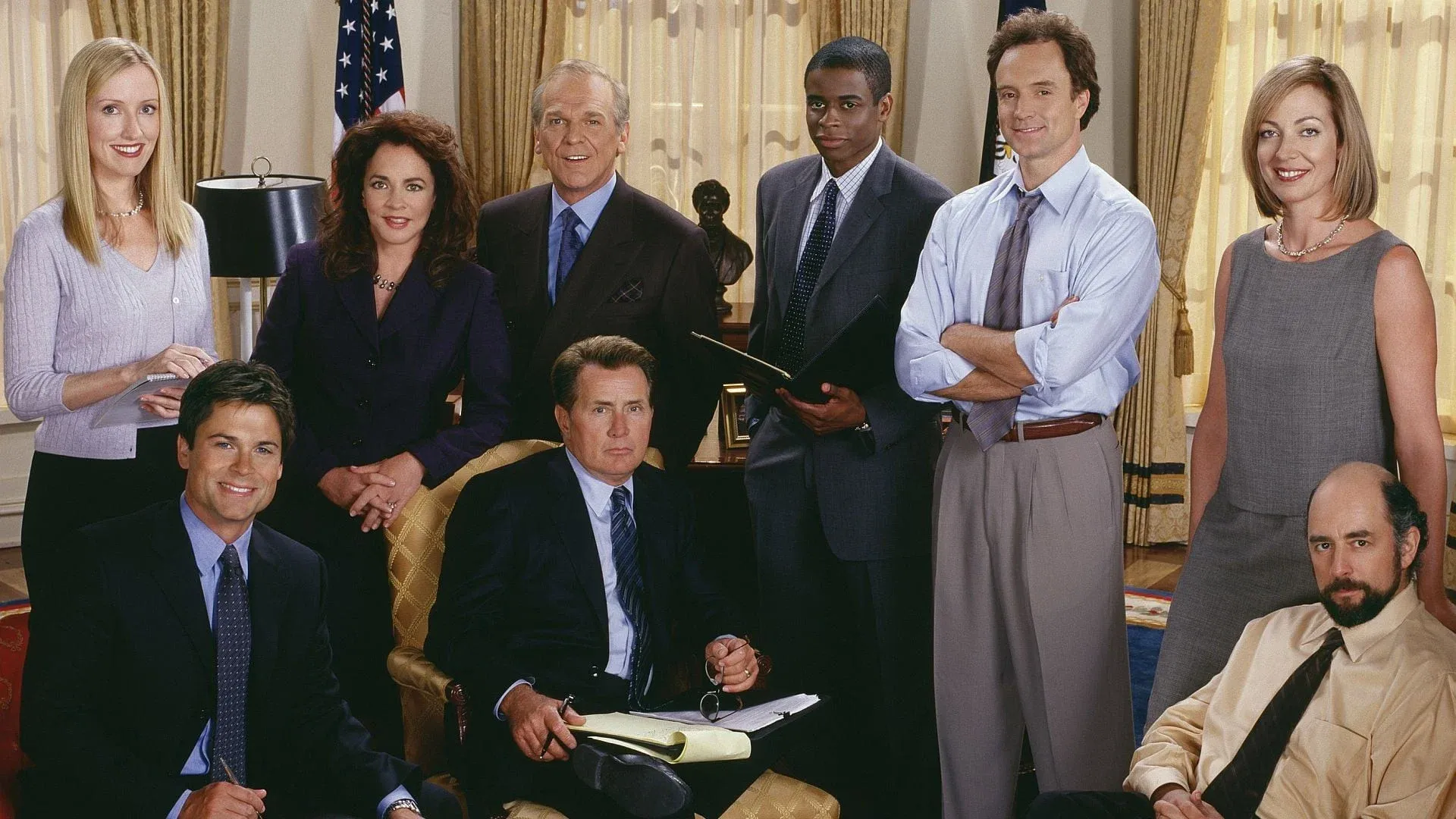 It is often said that art imitates life, but watching The West Wing now, it is hard not to wish that life would return the favour. Created by Aaron Sorkin, the series was never really just about politics. At its core, it was about people trying to do the right thing under pressure, navigating complexity with thoughtfulness rather than speed, and believing that leadership could be intelligent, measured, and fundamentally human in a way that feels increasingly rare.
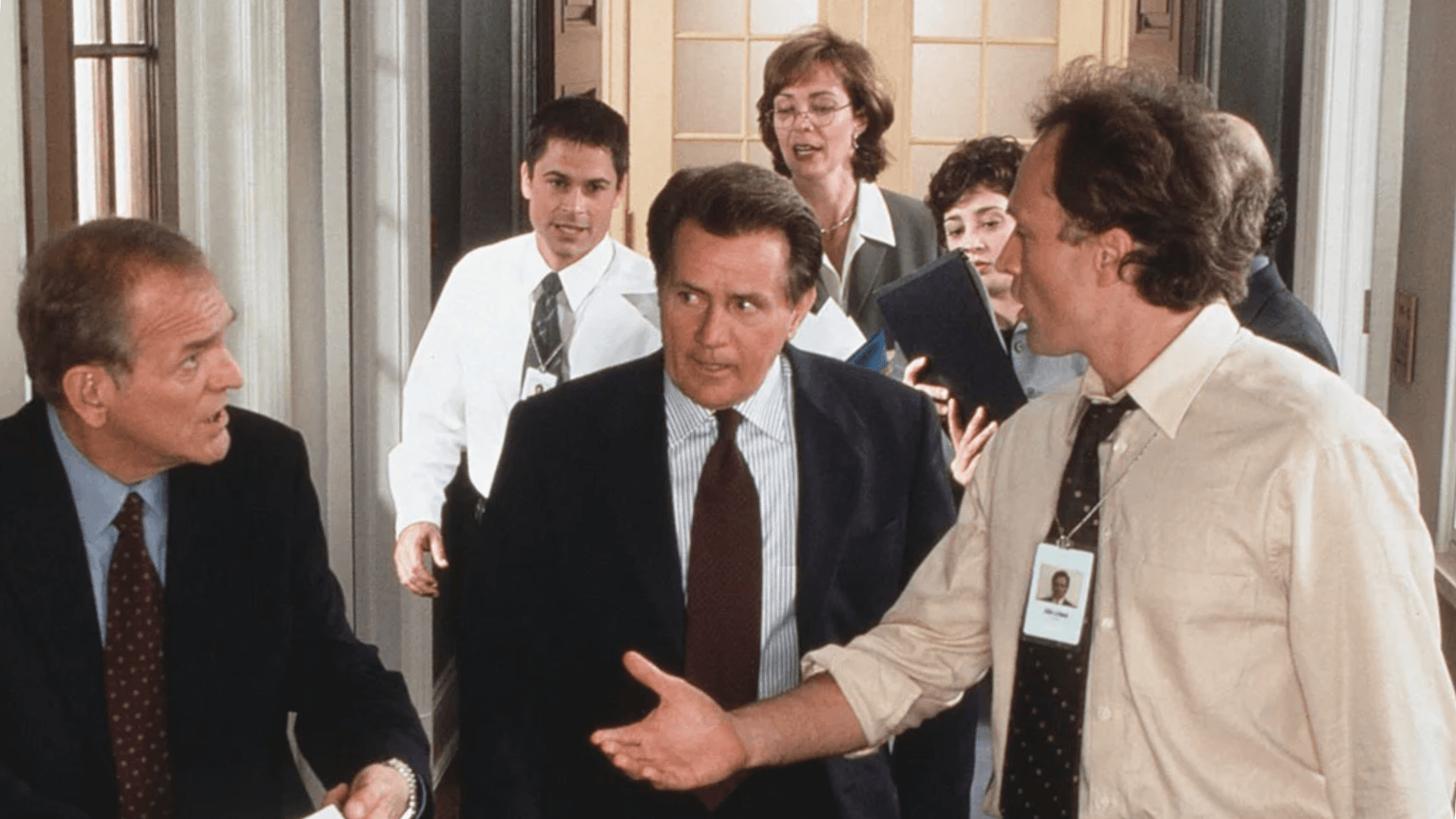 We are living in an age defined by immediacy, where opinions are formed and shared in seconds, headlines are shortened to fit shrinking attention spans, and nuance is often lost in the race to be heard. Politics, like much of modern life, has become part performance and part punchline, with reaction often replacing reflection. Against that backdrop, The West Wing feels almost like a different language. Its famous walk and talk scenes are not just stylistic choices but a reflection of something deeper, where conversations are allowed to breathe, arguments are explored properly, and ideas are challenged rather than reduced to soundbites.
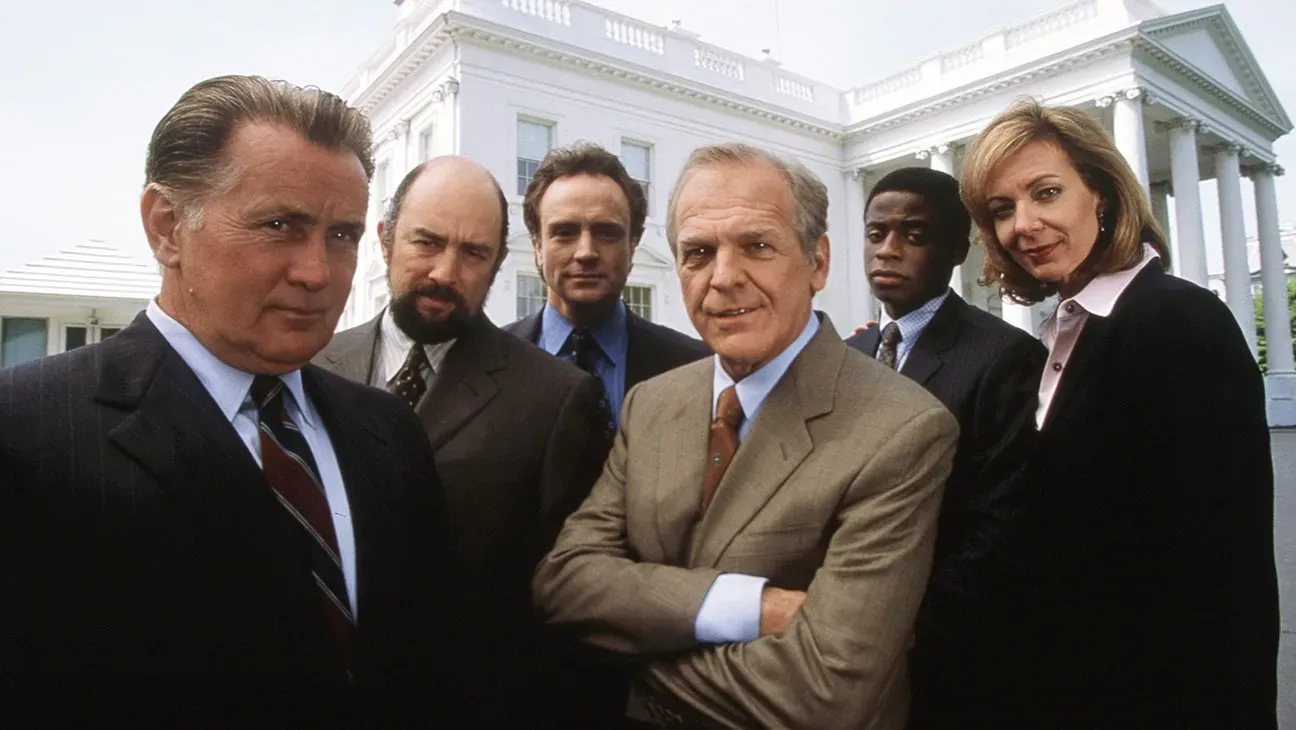
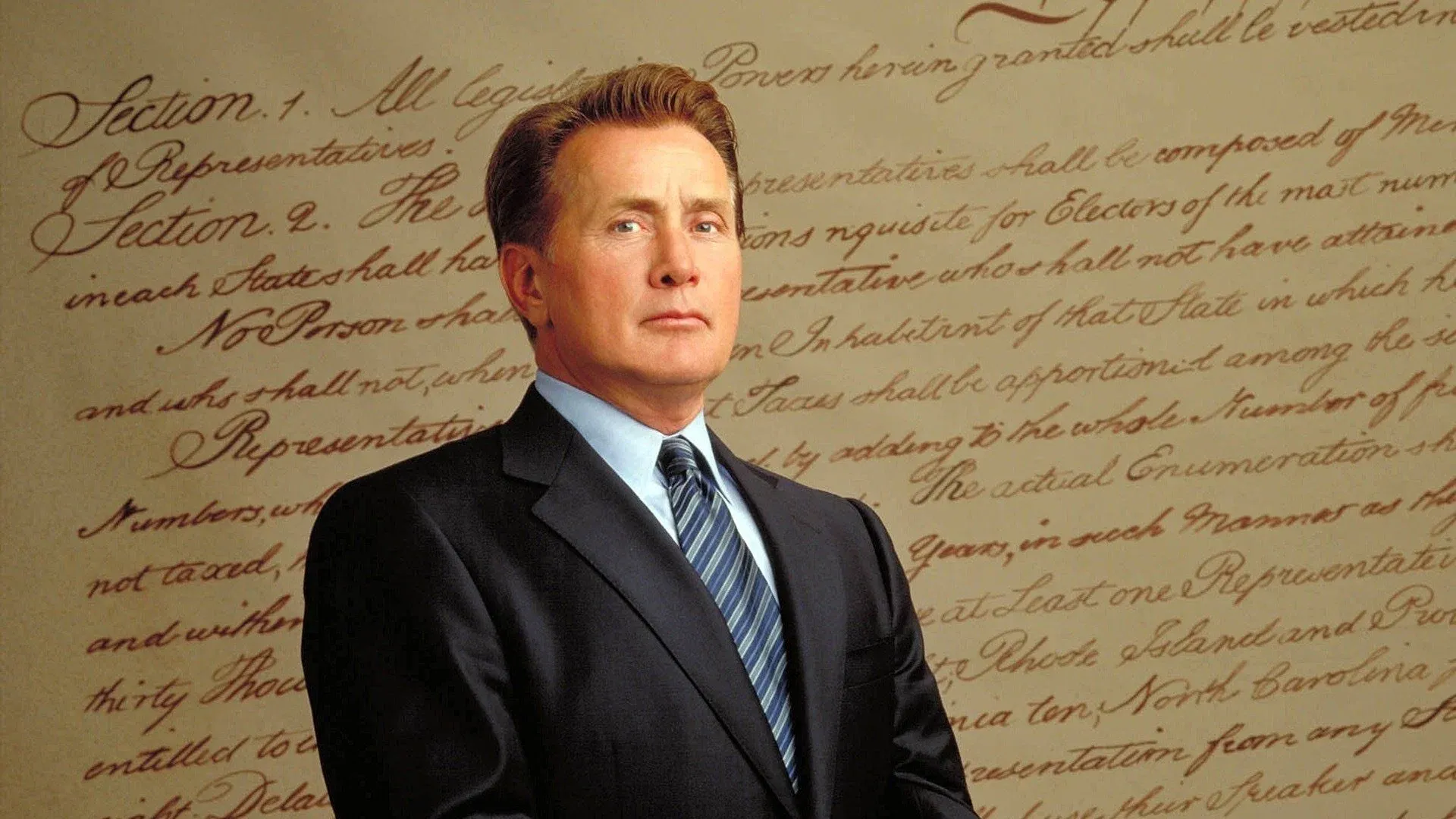 At the centre of it all is President Bartlet, brought to life with remarkable depth by Martin Sheen, a character who is far from perfect but defined by his willingness to think, to listen, and to question himself. He surrounds himself with people who are not afraid to disagree with him, and that dynamic creates a sense of leadership that feels both aspirational and grounded. Alongside him, performances from Allison Janney and Bradley Whitford help build a world where public service is not about performance, but about purpose, and where the people behind the decisions genuinely believe their work matters.
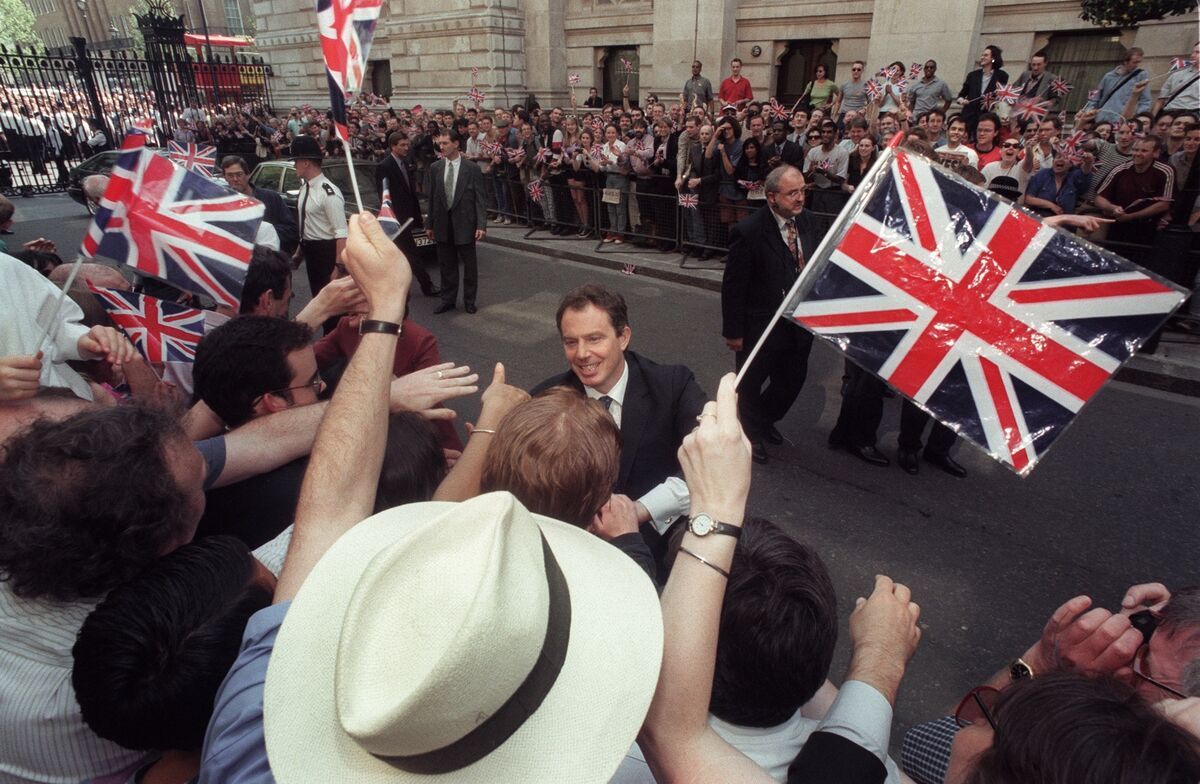 Looking back to the late 1990s and early 2000s, there was a sense of optimism that is difficult to ignore when watching the show today. It wasn't a perfect time, but there was a feeling of momentum, a belief that the future held possibility and that progress, while never guaranteed, was at least achievable. The West Wing captured that mood quietly, embedding it in its tone rather than announcing it outright, and in doing so created a world where thoughtful decision making and meaningful debate felt not only possible, but expected.
That is perhaps why it resonates so strongly now, because the contrast is impossible to miss. Today, certainty often replaces curiosity, complexity is flattened into simplicity, and changing your mind is too often framed as weakness rather than growth. The space for thoughtful disagreement feels smaller, and the middle ground, where most real solutions tend to live, is harder to find.
The West Wing does not pretend to be a perfect representation of politics, but it does offer something equally valuable, which is a vision of what things can look like at their best. It reminds us that intelligence can be compelling, that empathy can sit alongside authority, and that leadership does not have to be loud to be effective. More than anything, it reinforces the idea that behind every decision are people trying to navigate difficult choices with real consequences.
What the show ultimately gives you is something that feels in short supply right now, which is a quieter, more grounded sense of hope. Not the loud, fleeting kind, but the kind that builds through belief, through effort, and through the idea that things can be better if people are willing to rise to the challenge. And perhaps that is why The West Wing feels so essential today, because it does not just show a better version of politics, it reminds us of a better version of ourselves.
Jim Irving
Author