Back to the Emergency Room: The Pitt, ER’s Next Chapter
ER wasn’t just another network drama; it was a shift in how television felt. Created by Michael Crichton, who by the mid-nineties was already globally famous as the author of Jurassic Park, ER arrived in 1994 with a new kind of intensity. The camera didn’t sit still. Dialogue overlapped. Decisions were made in motion.
Most memorably, ER turned the Steadicam into a storytelling weapon. Those long, complicated tracking shots weaving through corridors, bursting into trauma bays, pivoting from one crisis to another without a cut, they became the show’s hallmark. Viewers weren’t observing the chaos; they were inside it.
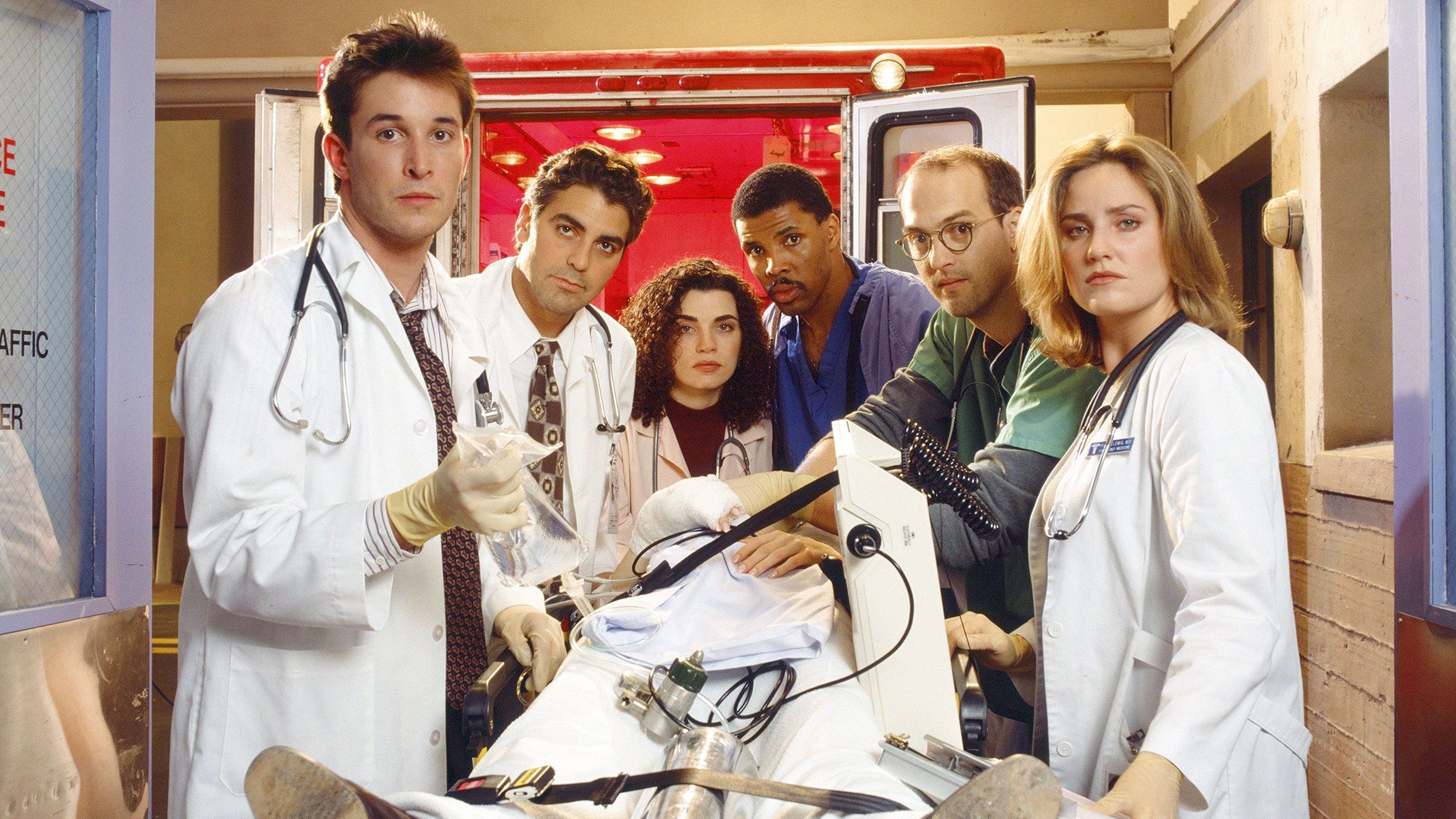 At the centre was Noah Wyle as John Carter, the audience’s way into a world of pressure and learning curves. And then there was George Clooney. ER didn’t just make him famous; it launched him into global superstardom. At its peak, the show pulled in over 30 million viewers an episode in the US and travelled effortlessly to the UK and Western Europe, becoming appointment viewing on both sides of the Atlantic.
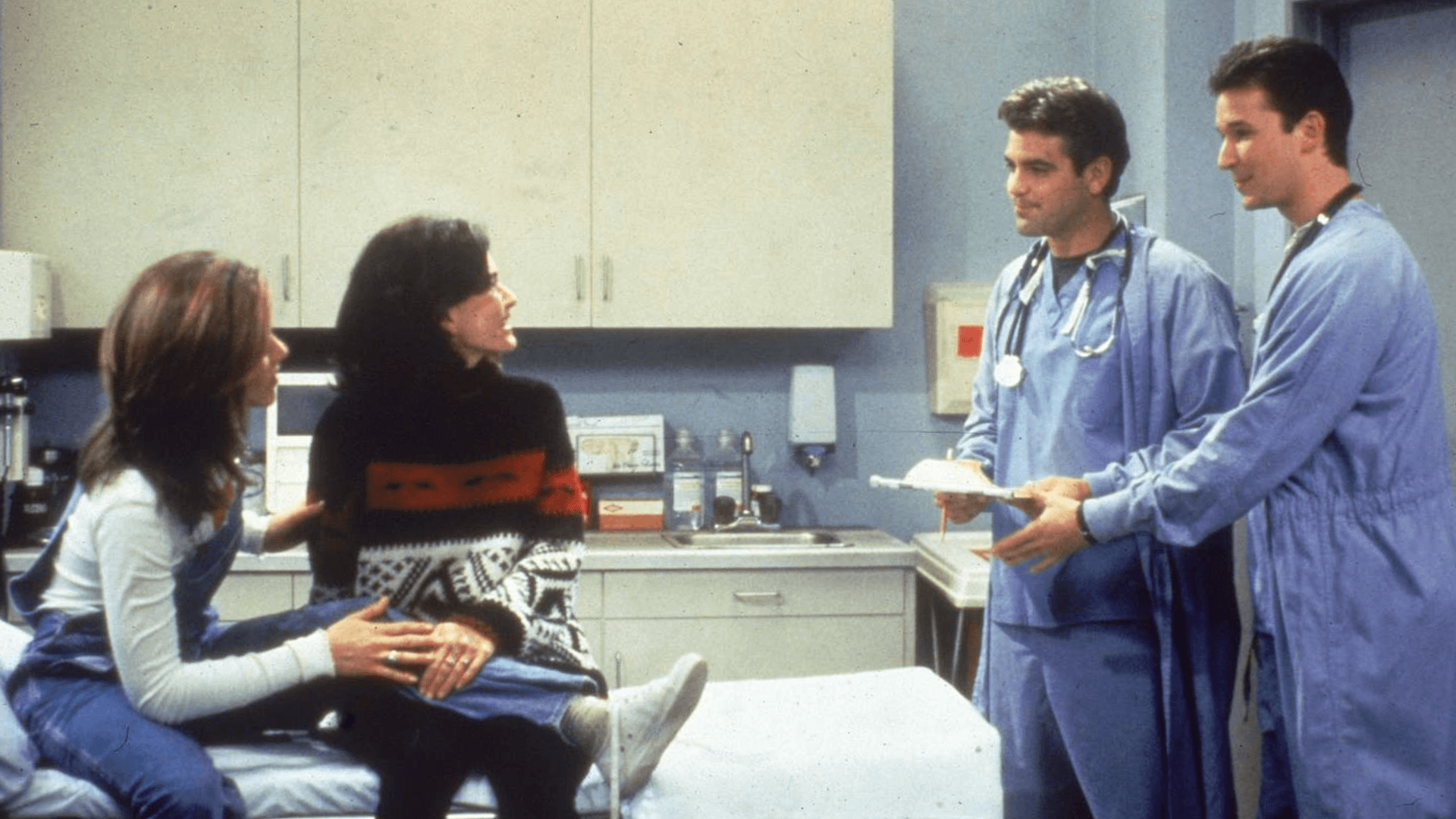 It even crossed genres in a way few dramas could, with Wyle and Clooney appearing in character-adjacent roles on Friends, a rare moment where a hard-edged medical drama bled into peak sitcom culture.
ER reshaped the medical drama. It proved that network television could feel cinematic, urgent and morally complex and for a generation, that was the emergency room.
Now, three decades on, that legacy matters.
On 26th March, The Pitt arrives in the UK and much of Western Europe, carrying clear echoes of what came before, but not trading on nostalgia alone.
In the US, The Pitt has generated serious buzz. It taps into the same DNA, intensity, ethical grey areas, human fragility under fluorescent lights, while updating the context. Post-pandemic healthcare systems feel more strained, more political, more emotionally loaded. The show leans into that reality without becoming heavy-handed.
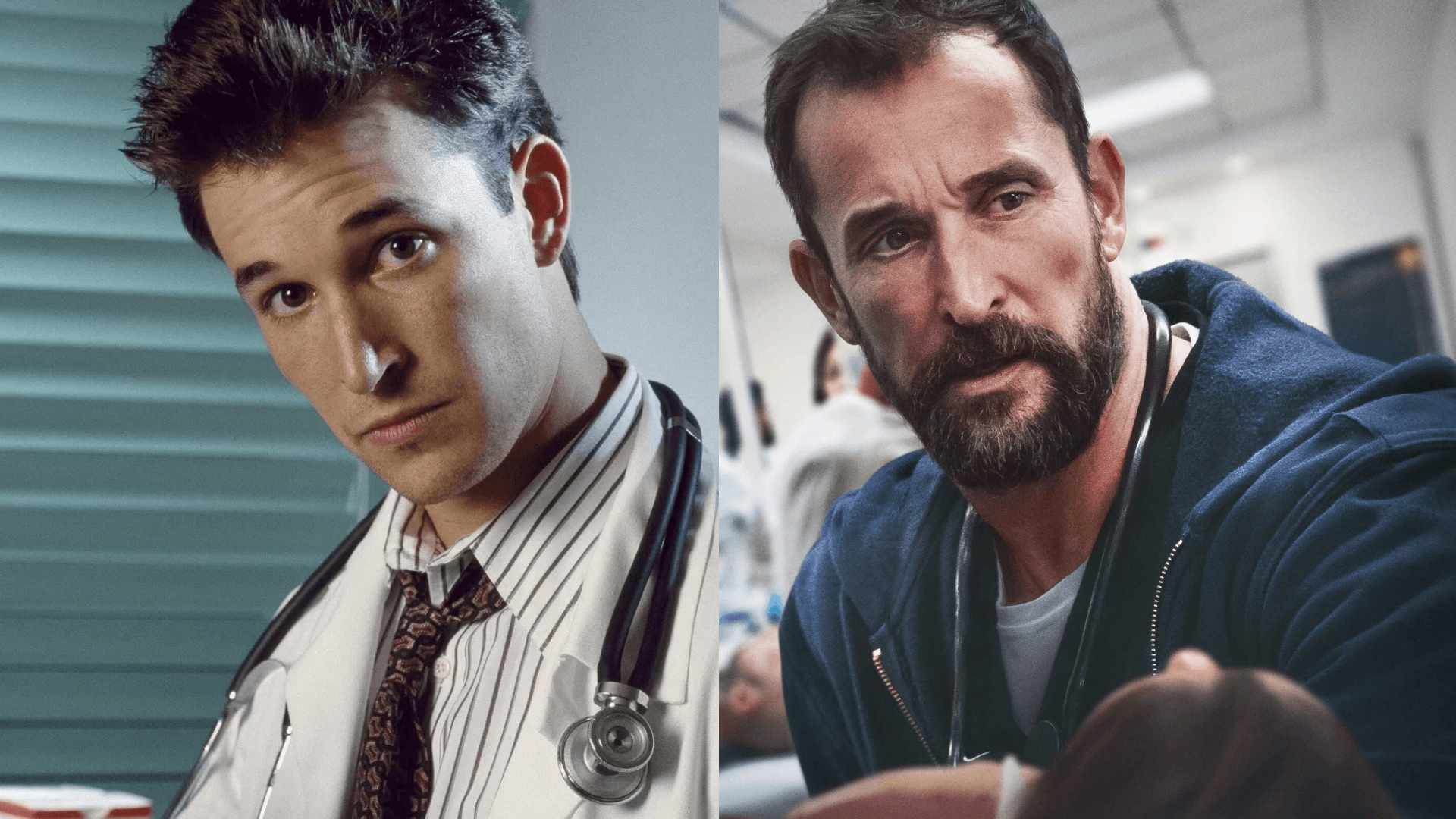
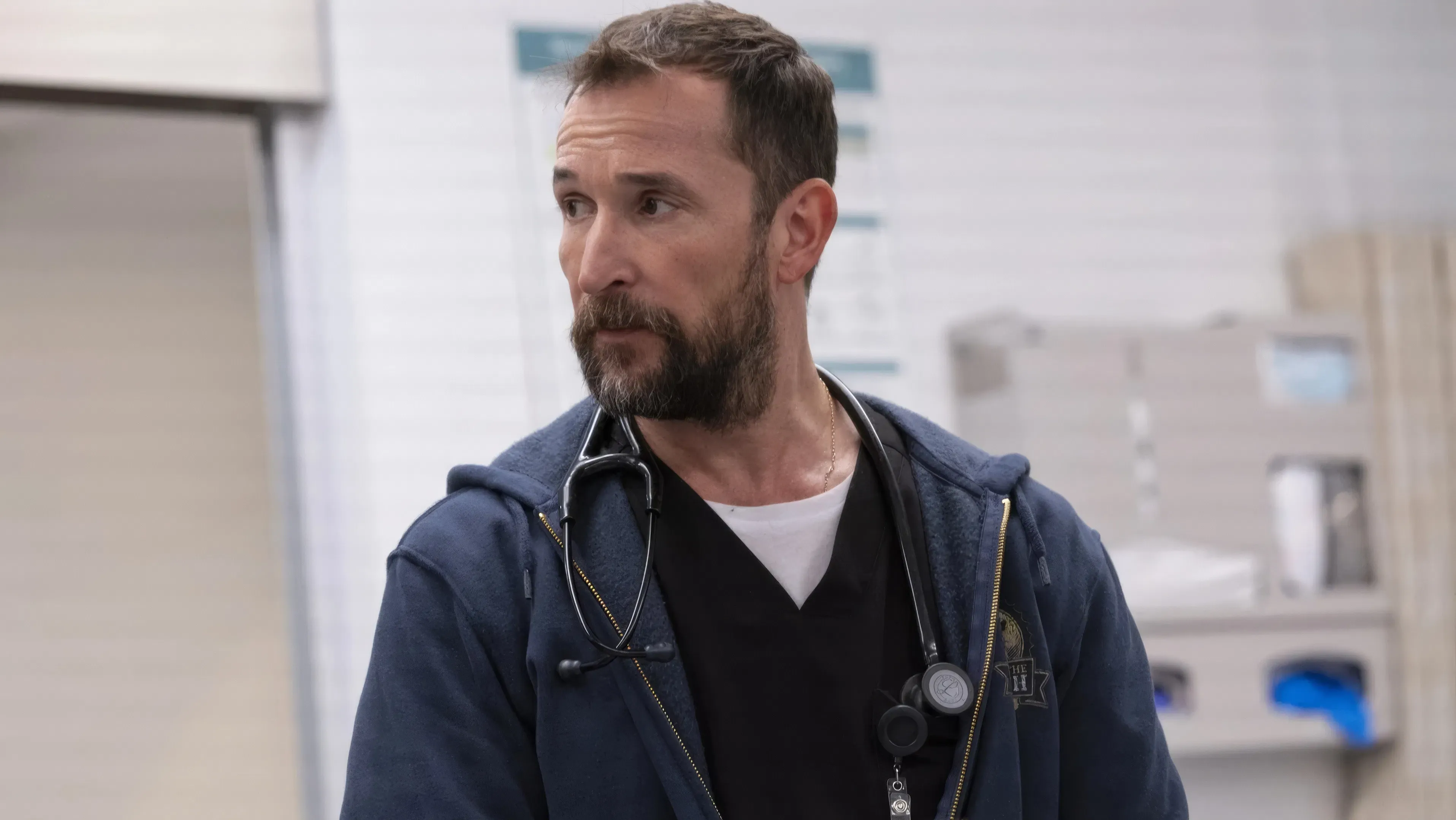 Noah Wyle returns to the frontline, no longer the idealistic student but a seasoned physician navigating a system under visible pressure. That full-circle arc gives the series weight. It’s not a reboot; it’s evolution.
American critics and audiences have responded to the grounded tone and refusal to sentimentalise the work. Social feeds have lit up with comparisons to ER, but the conversation has largely been about quality rather than imitation. In a streaming landscape crowded with prestige drama, that’s not easy.
For UK and European viewers, the timing feels sharp. Public healthcare debates are no longer abstract headlines; they’re lived experience. A medical drama that captures burnout, bureaucracy and quiet resilience alongside high-stakes trauma has a different kind of resonance in 2026.
From a Recce perspective, the interesting question isn’t whether The Pitt can recreate ER’s 1990s dominance, that monoculture is gone. It’s whether it can recreate the urgency. The sense that you need to watch now because the conversation will move fast.
ER changed television with its pace, its craft and those unforgettable Steadicam runs through organised chaos. The Pitt arrives into a more fragmented world, but with momentum behind it.
On 26th March, we’ll see whether lightning can strike in a corridor twice.
Jim Irving
Author