The Real Wolf of Wall Street
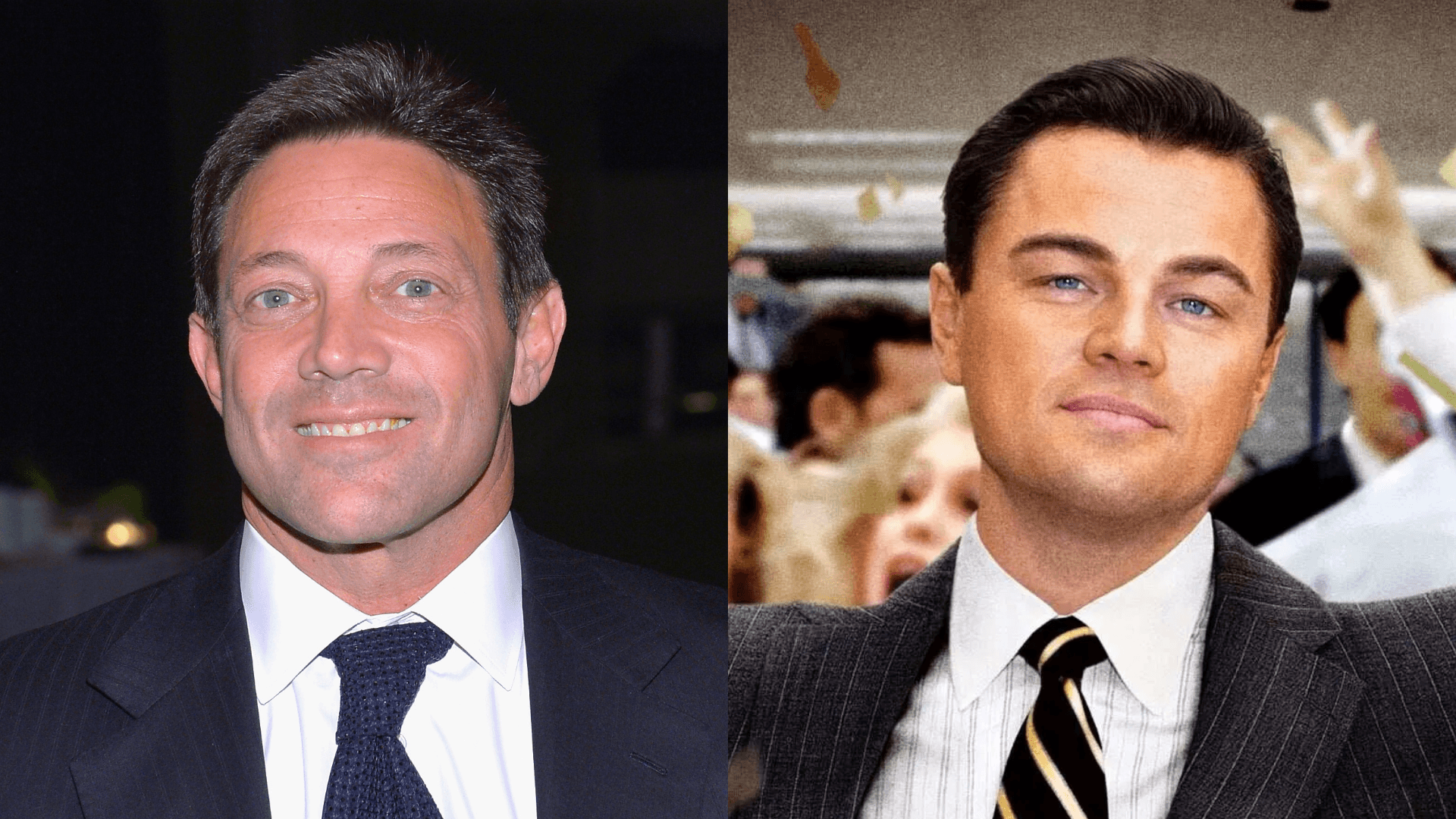
In 2013, The Wolf of Wall Street didn’t so much arrive in cinemas as kick the doors off their hinges. Martin Scorsese orchestrated a three-hour symphony of money, mania and moral collapse. Leonardo DiCaprio went all in, transforming Jordan Belfort into a chest-thumping, microphone-grabbing prophet of greed. It was loud, kinetic, unapologetic. Audiences didn’t just watch it; they absorbed it. The quotes spread like wildfire. The GIFs never stopped. You walked out buzzing.
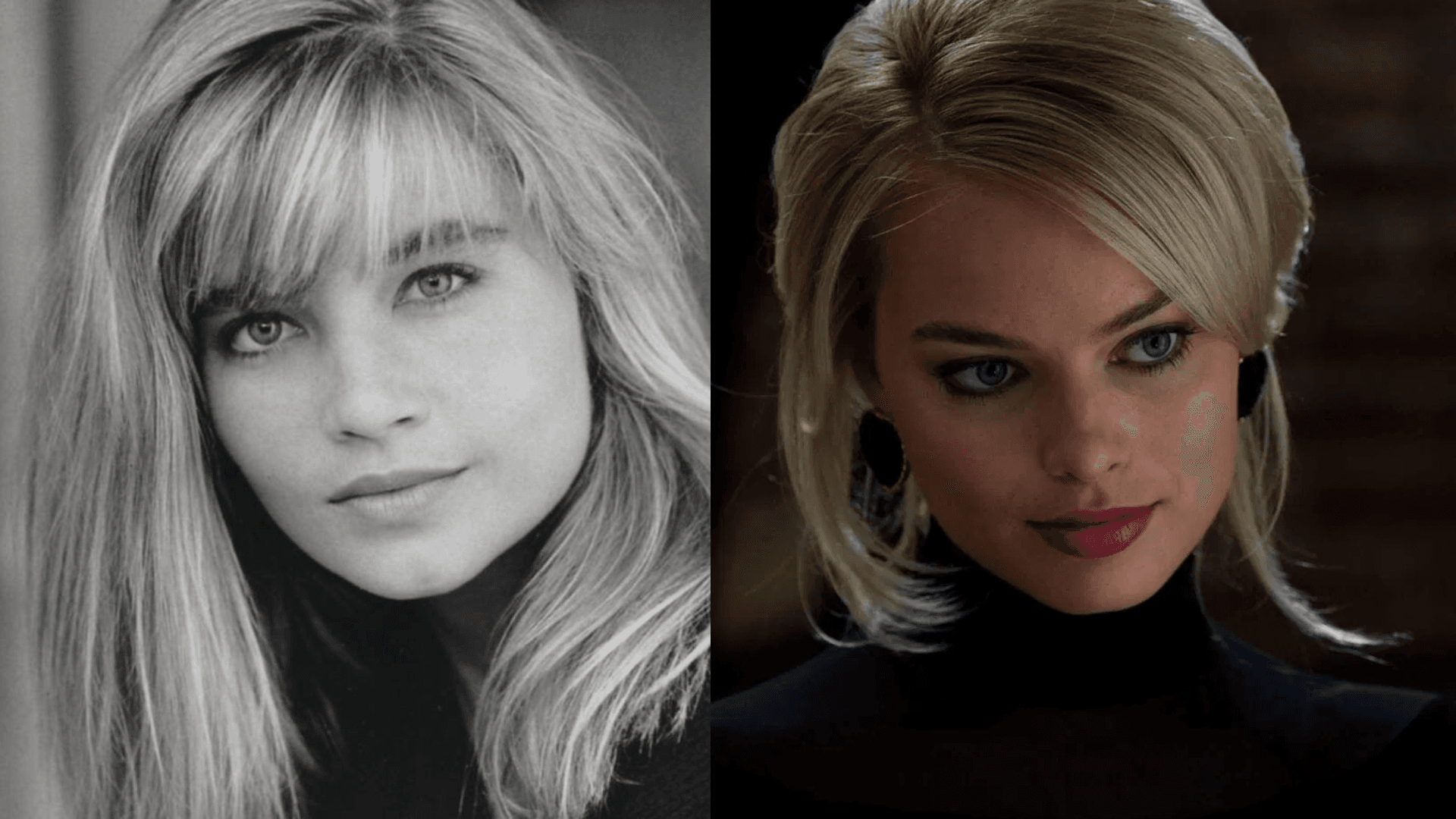
Naomi Lombardo (left), Margot Robbie (right)
Over a decade later, The Real Wolf of Wall Street lands on Paramount+ with a very different energy. This isn’t about spectacle; it’s about scrutiny. Where the film leaned into the chaos, this three-part documentary promises to pick through the wreckage. It revisits Stratton Oakmont not as a stage for bravado, but as a crime scene. Same headline story. Sharper focus. Less myth, more evidence.
Back in 2013, DiCaprio immortalised Belfort as a coke-fuelled ringmaster, a man who could sell anything to anyone, including the illusion of invincibility. The new docuseries suggests that illusion ran deeper and darker than even Scorsese’s epic could show. Produced by Maxine Productions and See It Now Studios, the team behind a slate of hard-edged true-crime investigations, this is positioned not as a companion piece but as a corrective.
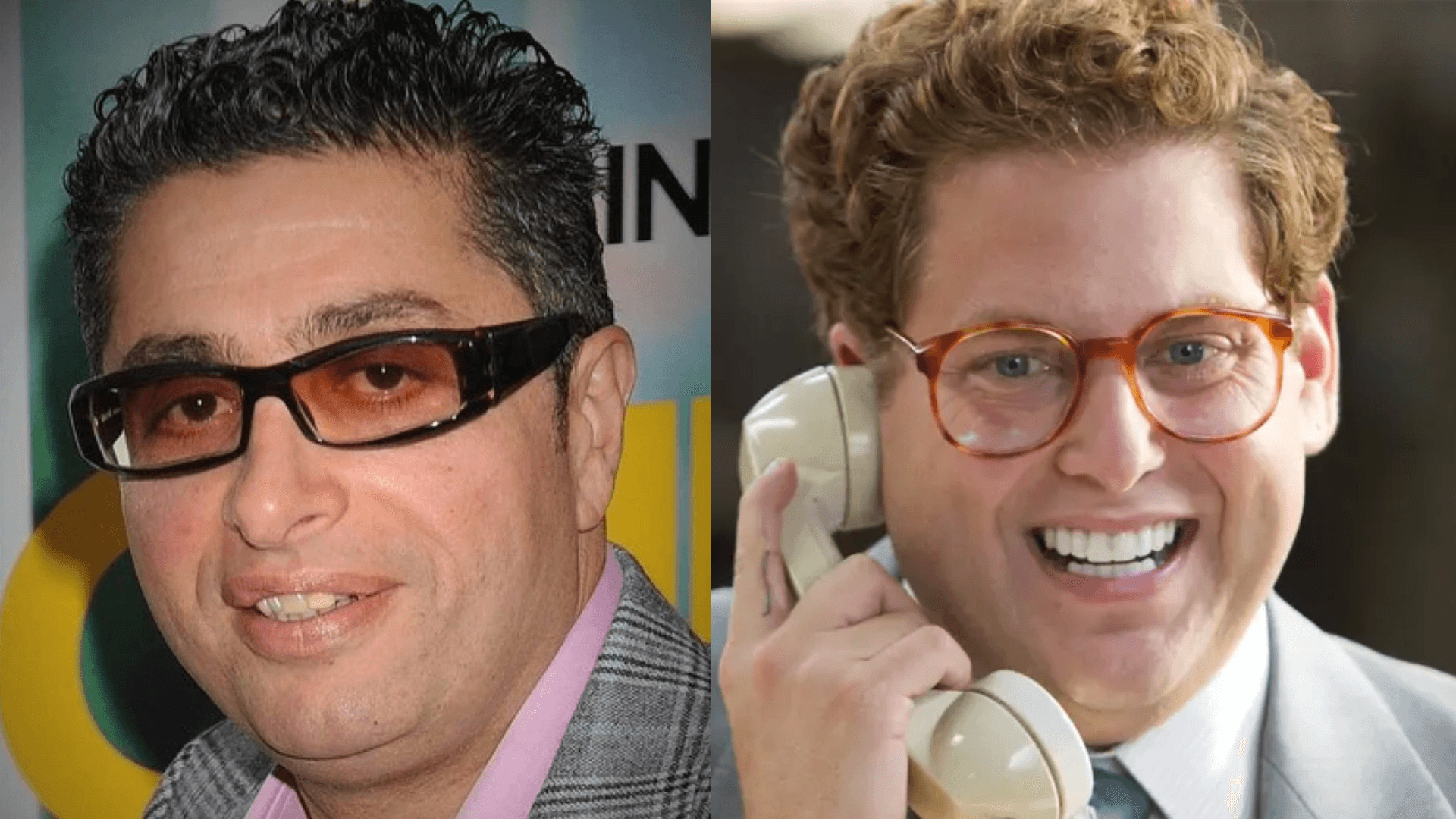
Donnie Azoff (left), Jonah Hill (right)
At the centre is Stratton Oakmont, Belfort’s brokerage firm and the engine room of the excess. Through exclusive interviews with former insiders who have never previously spoken, alongside new footage and access to 15,000 previously unreleased government documents, the series promises to reconstruct how a Long Island boiler room operation became the face of 1990s financial debauchery. Not the champagne-sprayed version. The paper trail version.
The mechanics of the scheme were brutally simple: “pump and dump” penny stocks, artificially inflate their value, then cash out while everyday investors were left holding worthless shares. It was fraud dressed up as ambition. Manipulation sold as hustle. Before regulators closed in, Belfort had become synonymous with outrageous parties, yachts, drugs and a culture that mistook volume for vision.
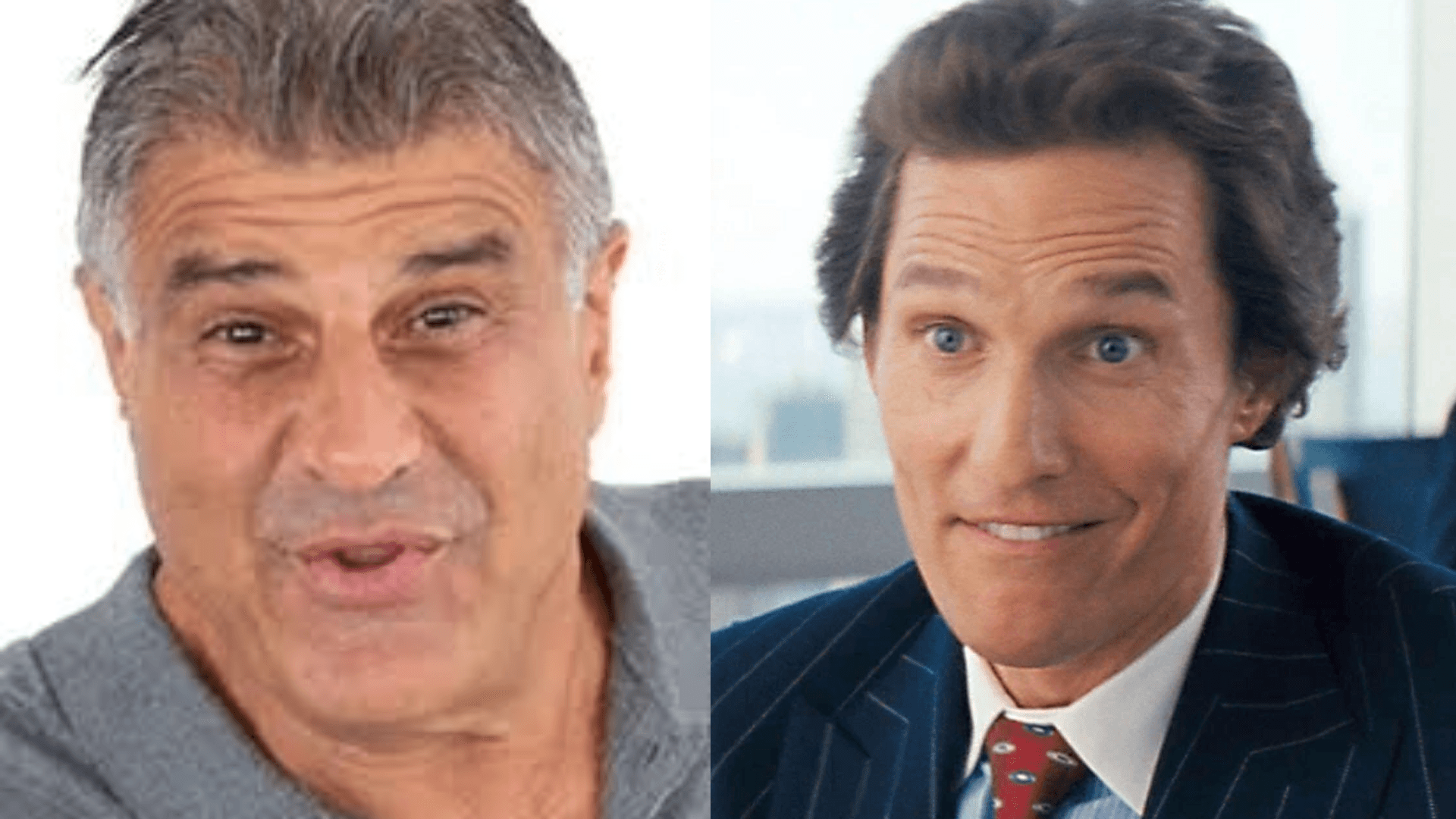
Mark Hanna (left), Matthew McConaughey (right)
In 1999, he pleaded guilty to securities fraud and money laundering. He served 22 months in federal prison, later becoming an FBI informant and testifying against former associates. In 2007, he published his memoir, reclaiming the narrative and reframing the chaos. The Hollywood adaptation cemented his status as a pop culture anti-hero.
And that’s the tension this documentary appears ready to confront. What happens when crime becomes content? When a cautionary tale morphs into entertainment? Belfort is reportedly not involved in this project, which feels telling. This is less about charisma and more about consequence.
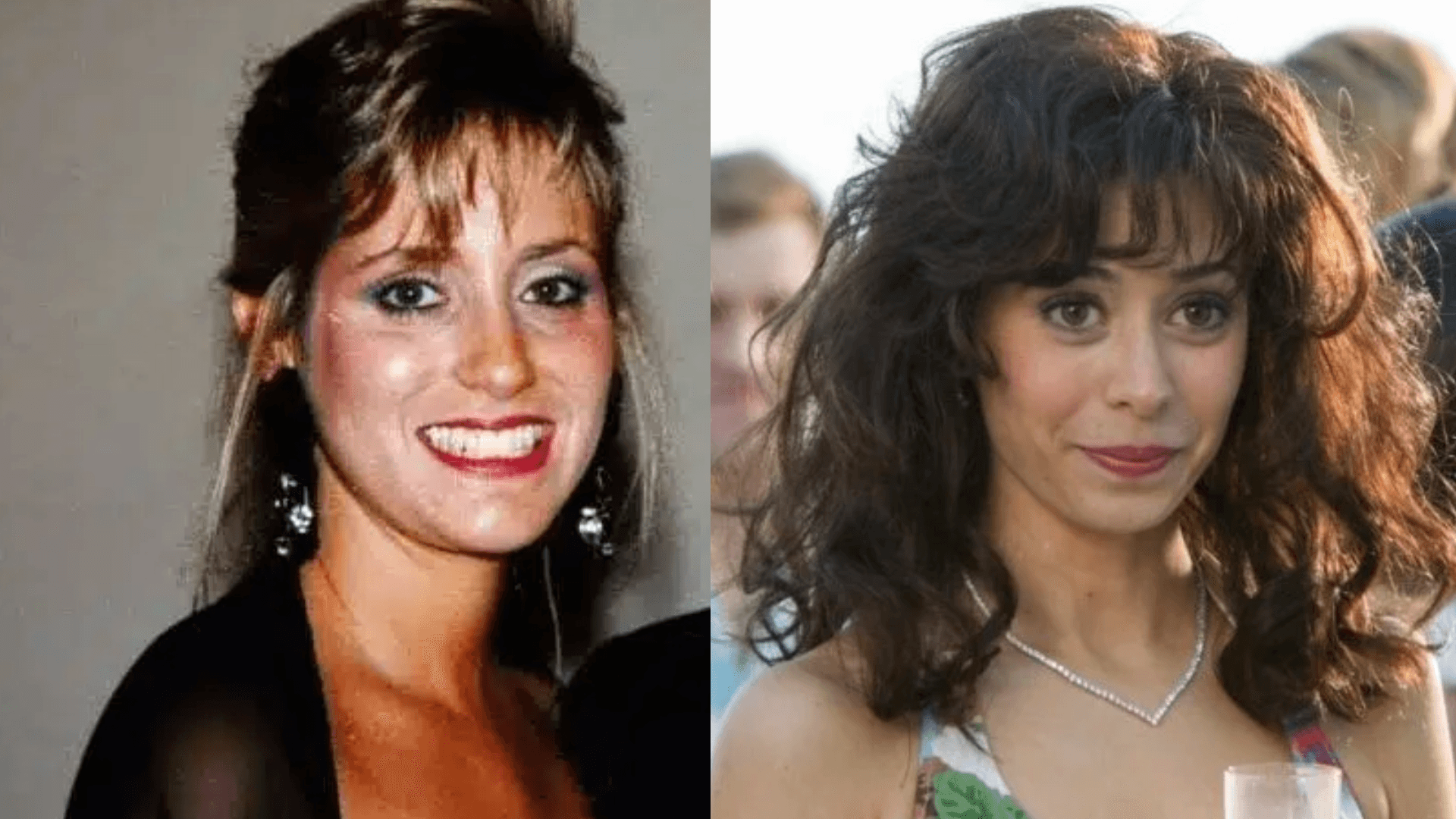
Teresa Pertrillo (left), Cristin Milioti (right)
There’s something compelling about revisiting a story the culture thought it had already processed. The film was about momentum – the rush of the trade, the rush of the party, the rush of the lie. The Real Wolf of Wall Street promises to slow it all down. To focus on the victims, the regulators, the documents, the aftermath.
If the 2013 film left you slightly high, this may leave you clear-headed. Same legend. Different lens. And perhaps, finally, a fuller accounting of the cost behind the chaos.
Jim Irving
Author