Carrie Is Eight Episodes Long. Two Hours Not Terrifying Enough?
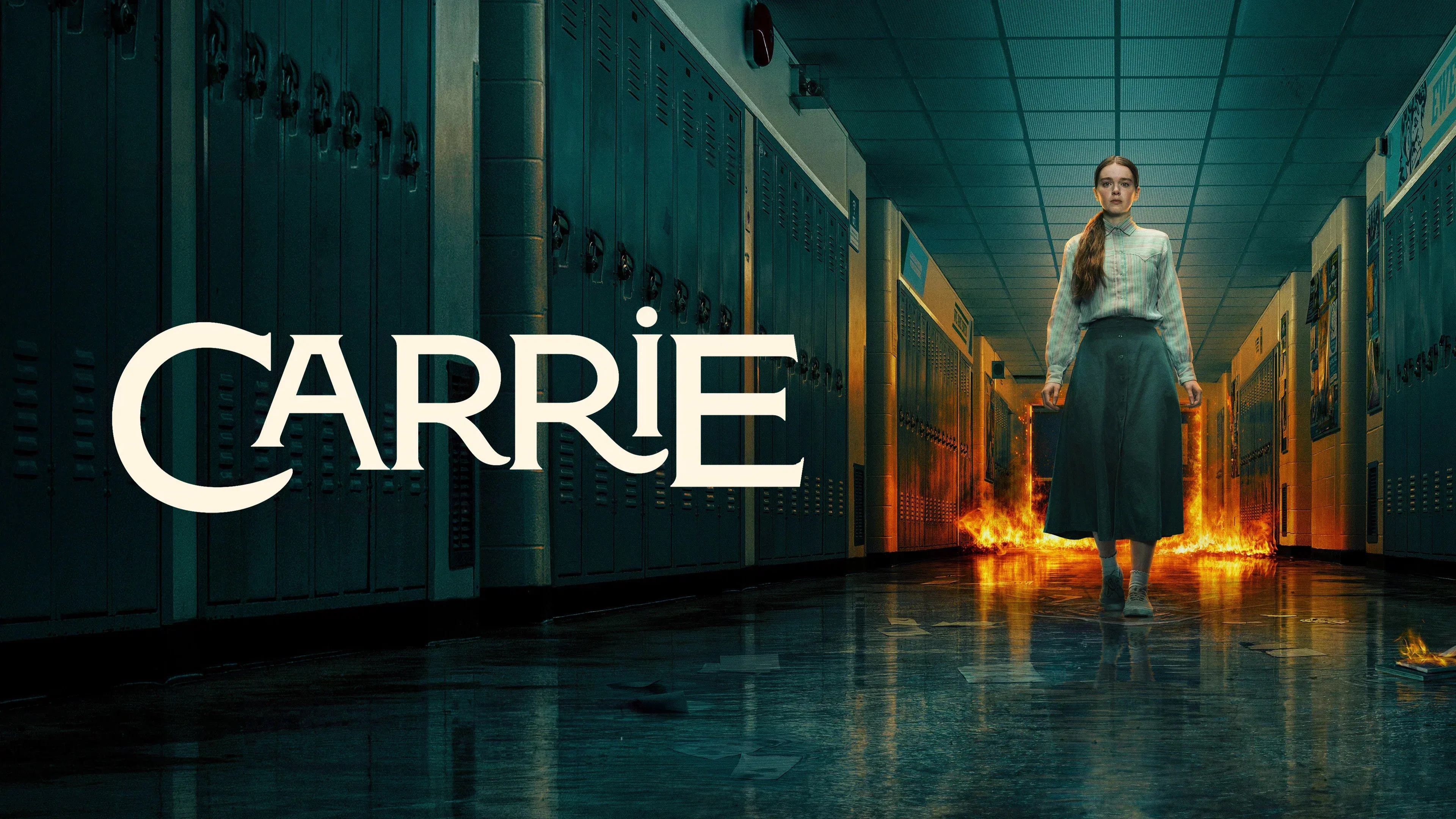
Stephen King’s Carrie is not an especially complicated story. A painfully isolated teenage girl discovers she has telekinetic powers, suffers relentless bullying, goes to the worst prom in cinema history and eventually decides that perhaps everyone around her could have been a little nicer.
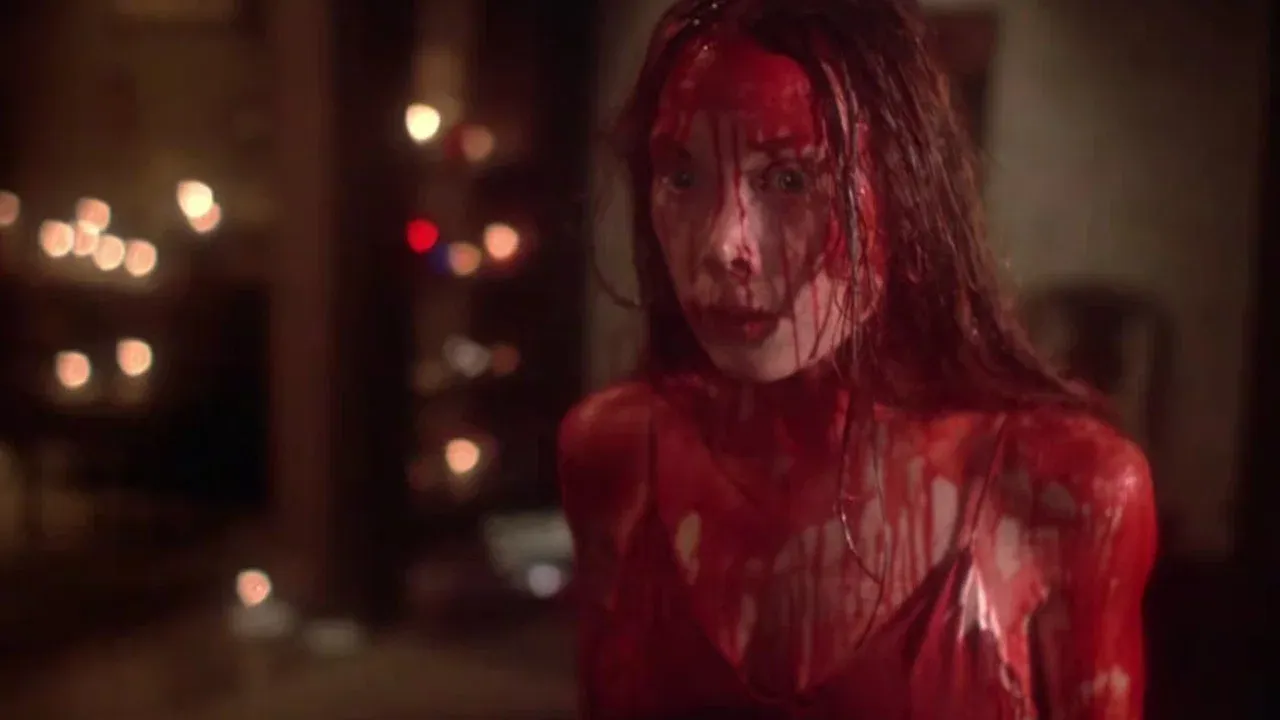 Brian De Palma managed to tell it in 98 minutes.
Mike Flanagan now has eight episodes.
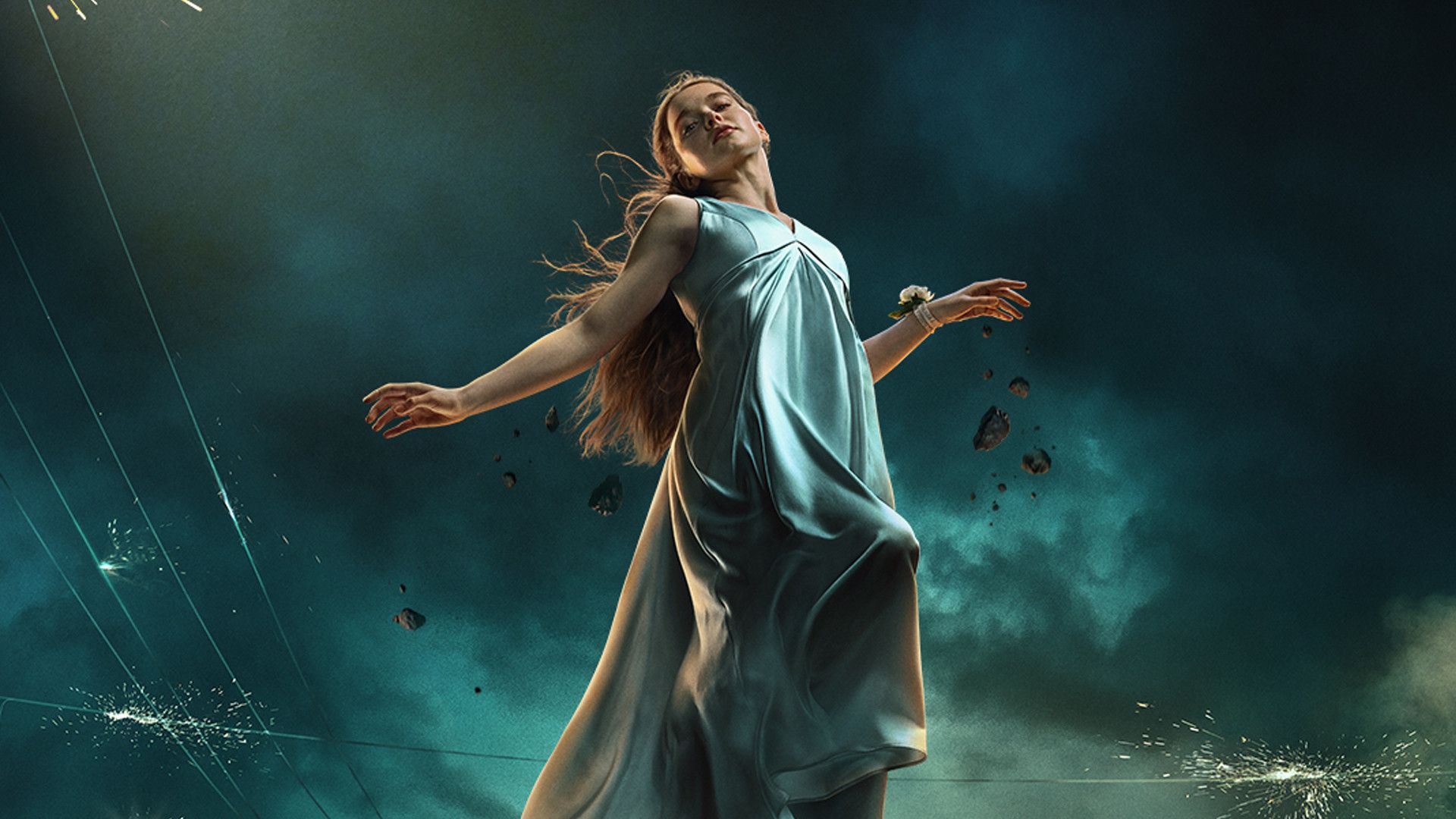
Prime Video’s new adaptation of Carrie has arrived with Flanagan, the man behind The Haunting of Hill House, Midnight Mass and The Fall of the House of Usher, taking another trip into Stephen King territory. It is hardly surprising. Flanagan loves King, King seems to quite like Flanagan, and television executives have discovered that anything capable of filling eight hours instead of two is generally considered progress.
 The obvious question is what exactly goes into all that extra time.
Because Carrie has never really suffered from a shortage of screen adaptations. De Palma’s 1976 version remains the benchmark, with Sissy Spacek and Piper Laurie creating images that have become permanently embedded in horror culture. There was a sequel in 1999, a television version in 2002 and another theatrical remake starring Chloë Grace Moretz in 2013. At this point, anyone unfamiliar with what happens at the prom has shown impressive commitment to avoiding popular culture.
So the new series cannot simply be Carrie, but longer.
Fortunately, Flanagan seems interested in something more ambitious. Television gives him room to explore Carrie White before the blood, before the fire and before the evening turns into the sort of school event that would generate a fairly serious safeguarding review. King’s original novel was always about much more than supernatural revenge. It was about cruelty, religious extremism, adolescence, shame and what happens when somebody is pushed beyond the point where they can cope.
That is where eight episodes might actually help.
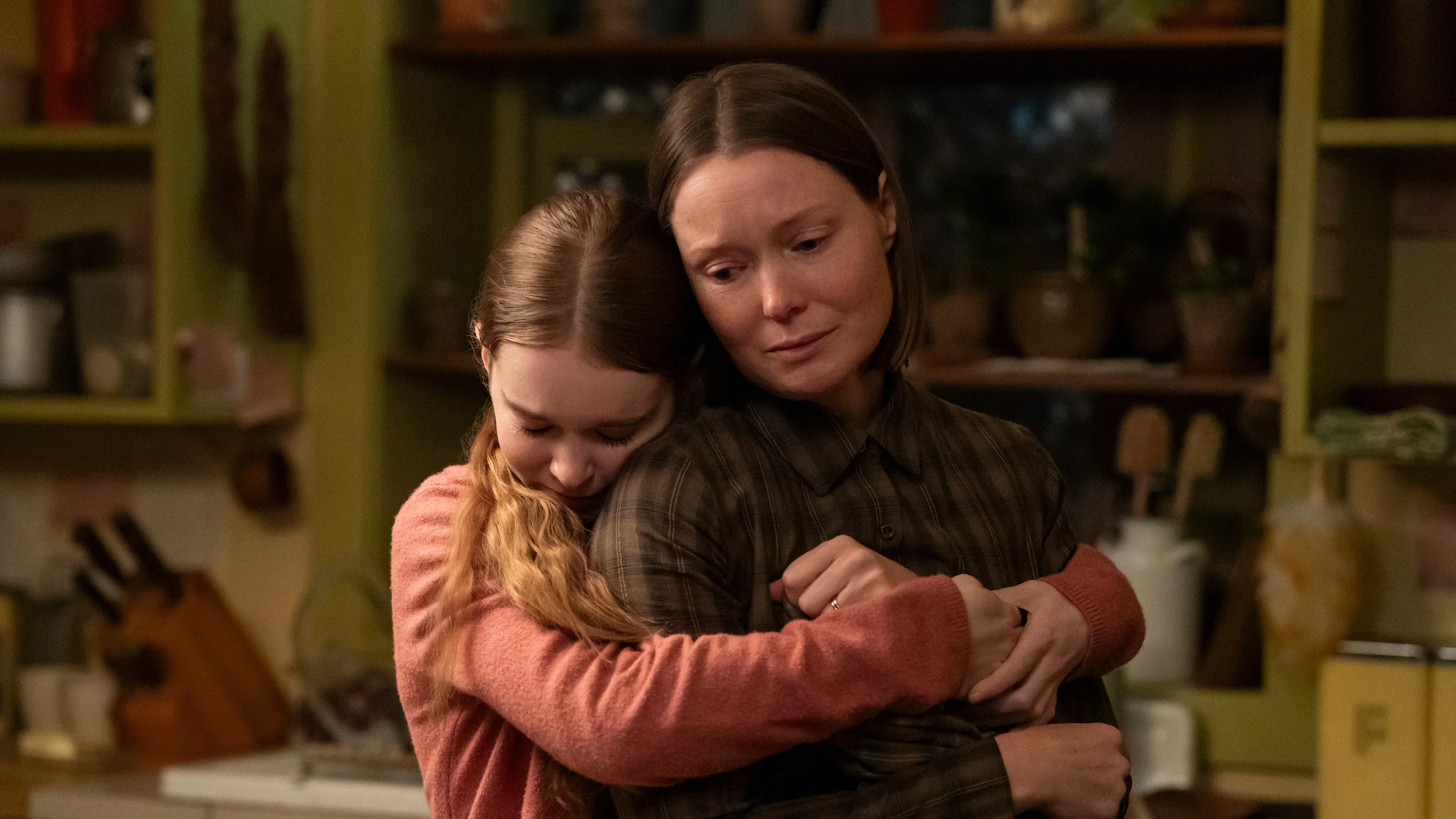
A film naturally races towards the prom because we all know that is where the fireworks are. A series can spend more time understanding the people doing the bullying, the adults who fail Carrie and the suffocating relationship between Carrie and her mother. If Flanagan can make us dread what is coming rather than merely wait for it, the extra hours suddenly begin to make sense.
 There is still a wider question, though, about television’s current obsession with expansion. Books that once became two-hour films now become limited series. Supporting characters receive backstories. Minor incidents become entire episodes. Somewhere, inevitably, there will be a scene explaining why somebody who appeared for three minutes in the original movie has complicated feelings about their father.
Sometimes more story genuinely means more depth. Sometimes it just means more television.
Flanagan has earned the benefit of the doubt because he understands that horror works best when we care about the people before terrible things happen to them. The Haunting of Hill House could have simply been a haunted-house story. Instead, it used ten episodes to make the ghosts almost secondary to grief, family and trauma. If he can perform a similar trick with Carrie White, then eight hours may feel entirely justified. And if he can’t? Well, at least we know the prom will be memorable. Again.
Jim Irving
Author