Hollywood Just Got Even Smaller

Hollywood has spent the last decade worrying about Netflix, Amazon, Apple, TikTok, YouTube and basically anything else capable of stealing our attention.
Its latest solution appears to be simple. Become absolutely enormous.
Paramount Skydance has now completed its $110 billion acquisition of Warner Bros. Discovery, creating a new entertainment giant called Skydance and putting Paramount, Warner Bros., HBO, CBS, CNN, DC, Nickelodeon, Paramount+ and HBO Max under the same corporate roof. Add in franchises such as Mission: Impossible, Top Gun, Harry Potter, Batman, Superman, Star Trek, Game of Thrones and Barbie, and this is not so much a media company as somebody emptying half of Hollywood into one very large shopping trolley.
There is a certain logic to it. The traditional studios are no longer simply competing with each other. They are battling technology companies with enormous balance sheets, streaming platforms that can reach hundreds of millions of homes and social platforms that have trained audiences to find entertainment everywhere except where Hollywood would ideally like them to. Bigger gives Skydance more films, more television, more subscribers, more franchises and more leverage, while the company is promising at least 30 theatrical releases a year and more than 180 television shows and series.
But bigger also means fewer.
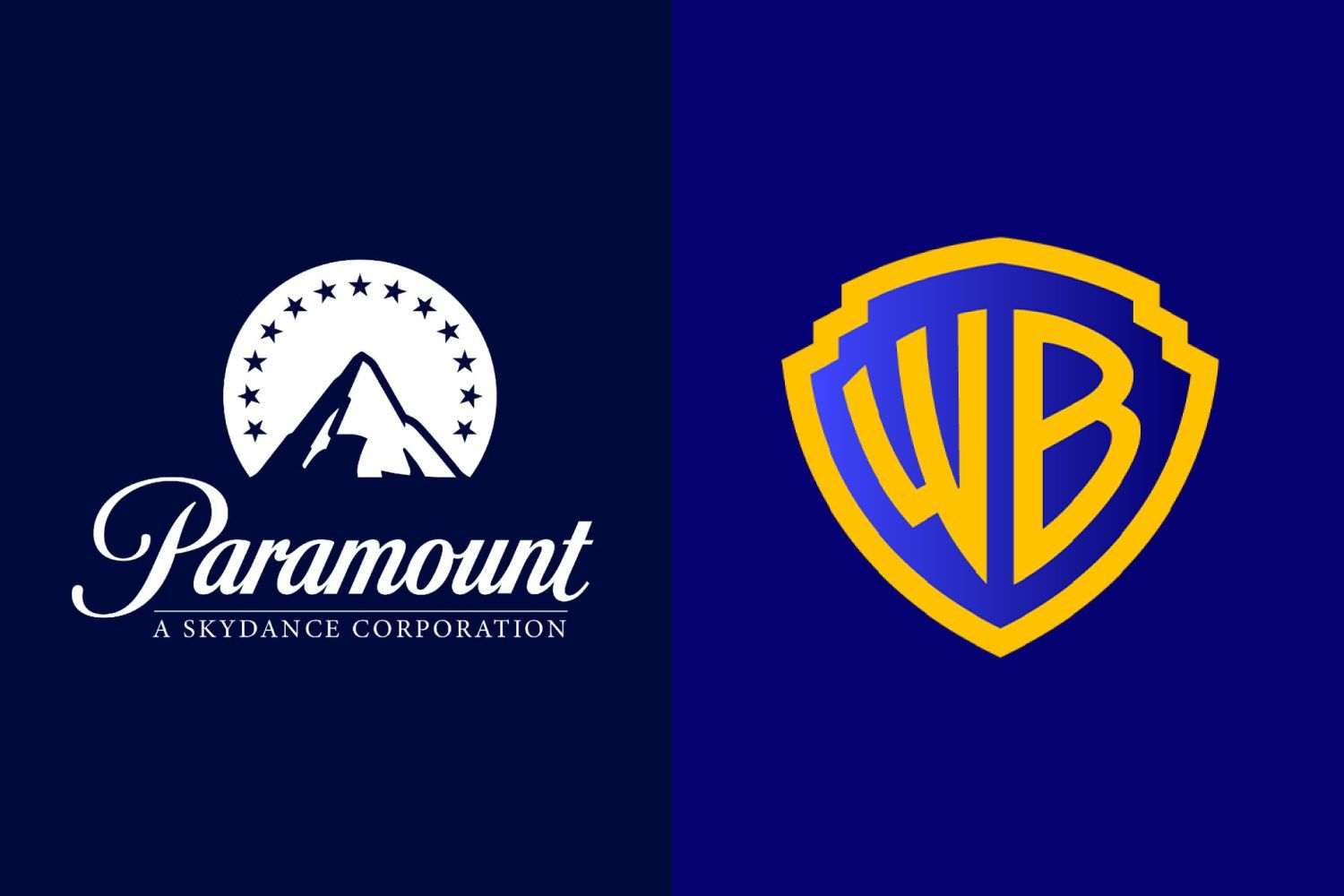 That is the strange contradiction at the heart of modern Hollywood. For decades, Warner Bros. and Paramount were separate studios with their own executives, tastes, rivalries and ideas about what audiences wanted to watch. Now they answer to the same company, just as consolidation elsewhere has steadily reduced the number of genuinely independent major players. One analysis now puts the traditional Hollywood studio landscape at effectively four giants: Disney, Universal, Sony and Skydance.
That matters because films are not toothpaste.
If two toothpaste companies merge, most of us probably cope. If two enormous entertainment companies merge, decisions about which films get made, which filmmakers get backed, what appears in cinemas and which shows survive suddenly sit with an even smaller group of people. The new Skydance is targeting around $6 billion in cost savings, which sounds marvellous in a presentation but tends to sound rather less exciting if you are the person, project or slightly strange little movie being described as a cost.
There is also the delicious irony that streaming helped create this situation in the first place. Netflix arrived, Hollywood panicked, every studio launched its own service, billions were spent chasing subscribers, and eventually everyone discovered that maintaining several rival global streaming platforms was extraordinarily expensive. The response has increasingly been mergers, bundles and consolidation. Paramount+ and HBO Max are now expected to come together in some form, meaning the great streaming war may end not with dozens of competing services, but with a handful of very large ones.
None of this automatically means worse films. Skydance has promised increased theatrical output, and there is every chance that combining resources could help finance ambitious projects that might otherwise struggle to exist.
But there is something undeniably odd about the direction of travel. Audiences have never had more choice. Yet the companies providing that choice keep getting fewer.
Hollywood just got bigger. And somehow, quite a lot smaller.
Jim Irving
Author