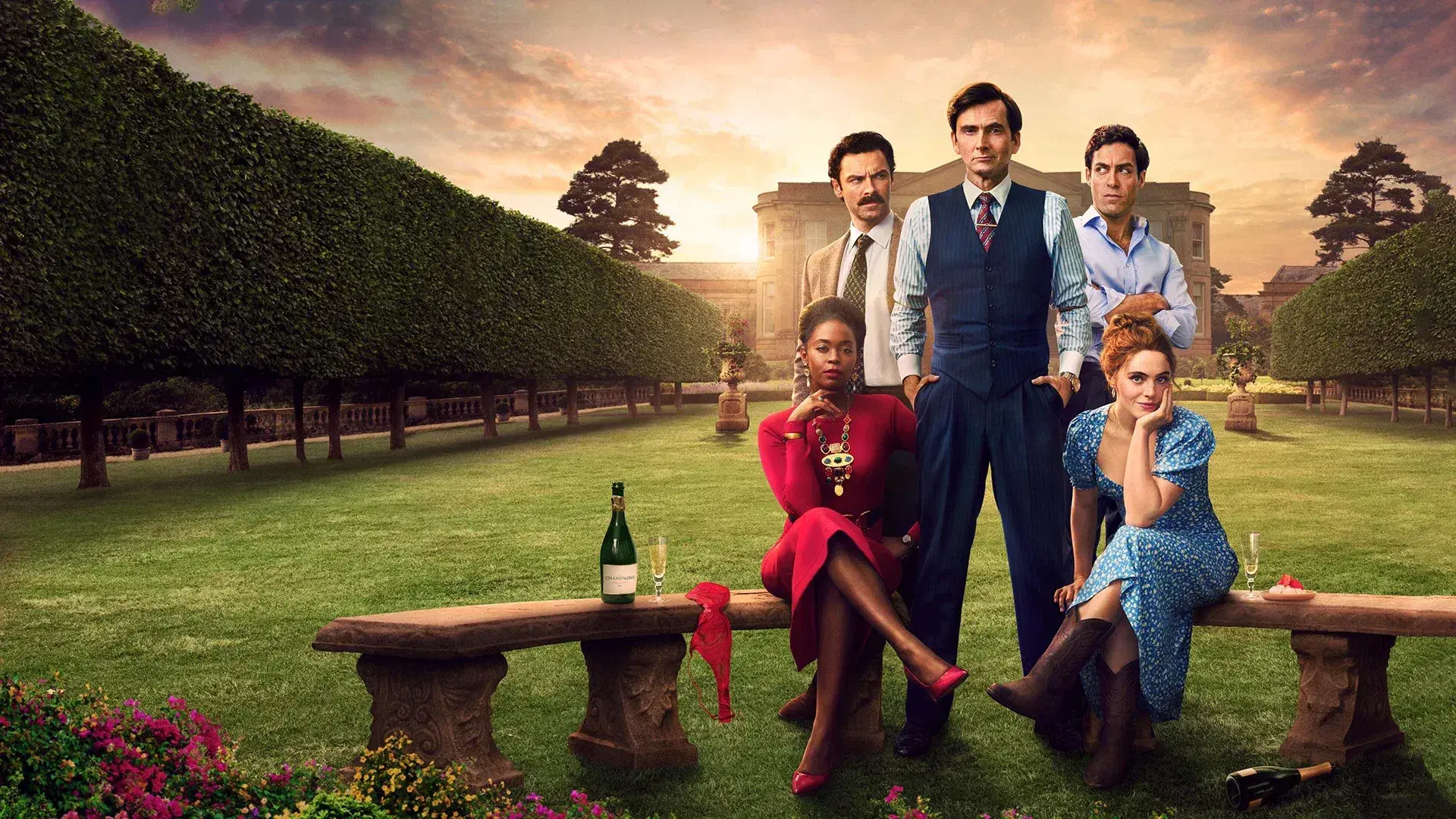
Characters Who Never Leave The Room
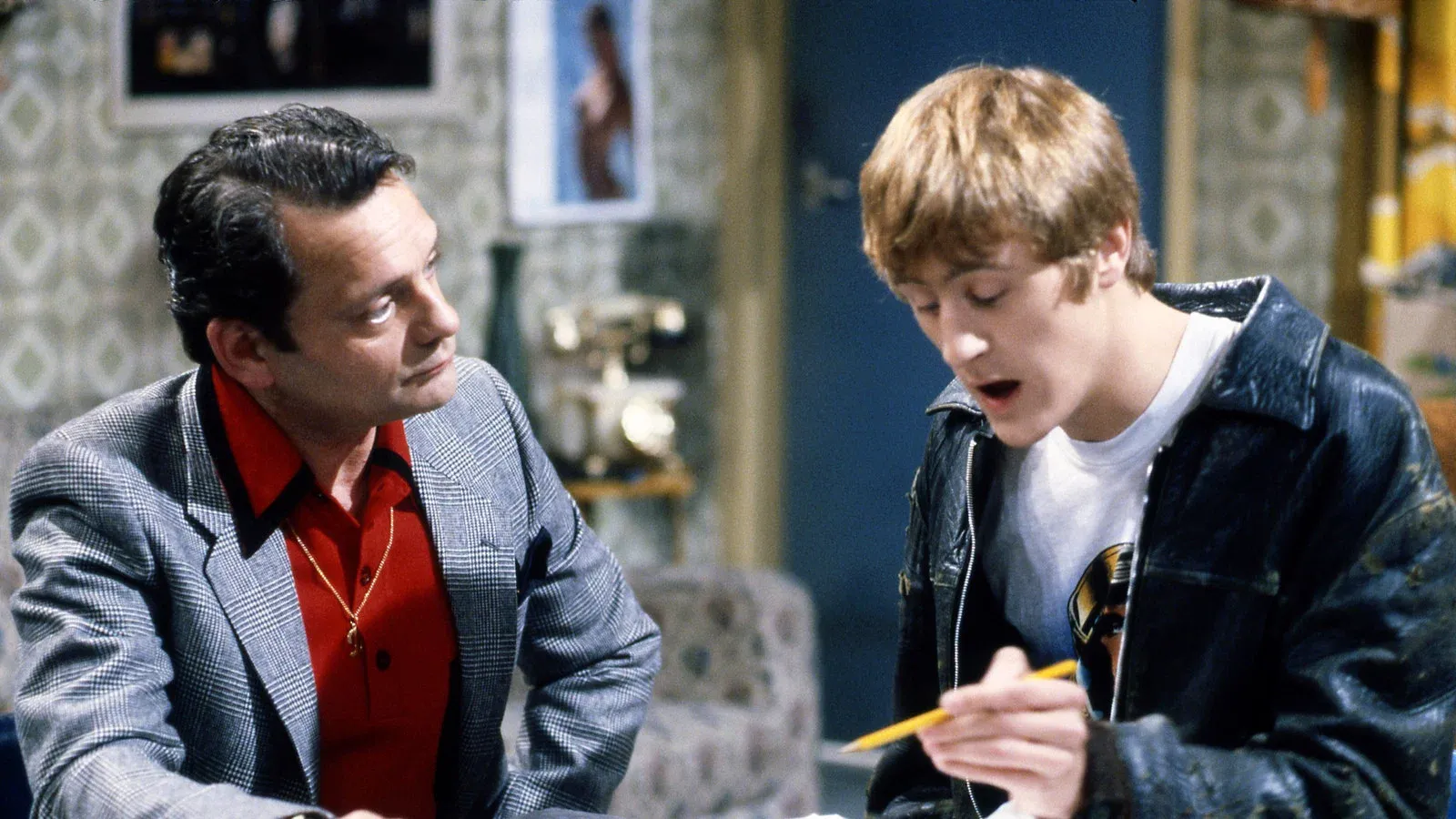
When we think of sitcoms, we usually think of comfort. Familiar characters, easy viewing and a laugh every few minutes. Sitcoms are often treated as light entertainment rather than serious art, yet creating one that lasts for decades requires almost perfect writing. The greatest sitcoms understand people better than many dramas do.
From the late 1970s to the early 2000s, British television produced countless sitcoms built around simple concepts and modest budgets. Their strength rarely came from cinematic visuals. It came from dialogue, timing and character. To save money, writers often created “bottle episodes,” stories confined to one location with very few characters or set changes. Ironically, these cost cutting exercises frequently became the episodes audiences remembered most.
Bottle episodes strip television down to its essentials. Without elaborate plots or constant movement, the writing has nowhere to hide. The audience focuses entirely on character interaction, tension and dialogue. If the characters are weak, the episode collapses immediately. If the writing is strong, even the dullest setting can become compelling.
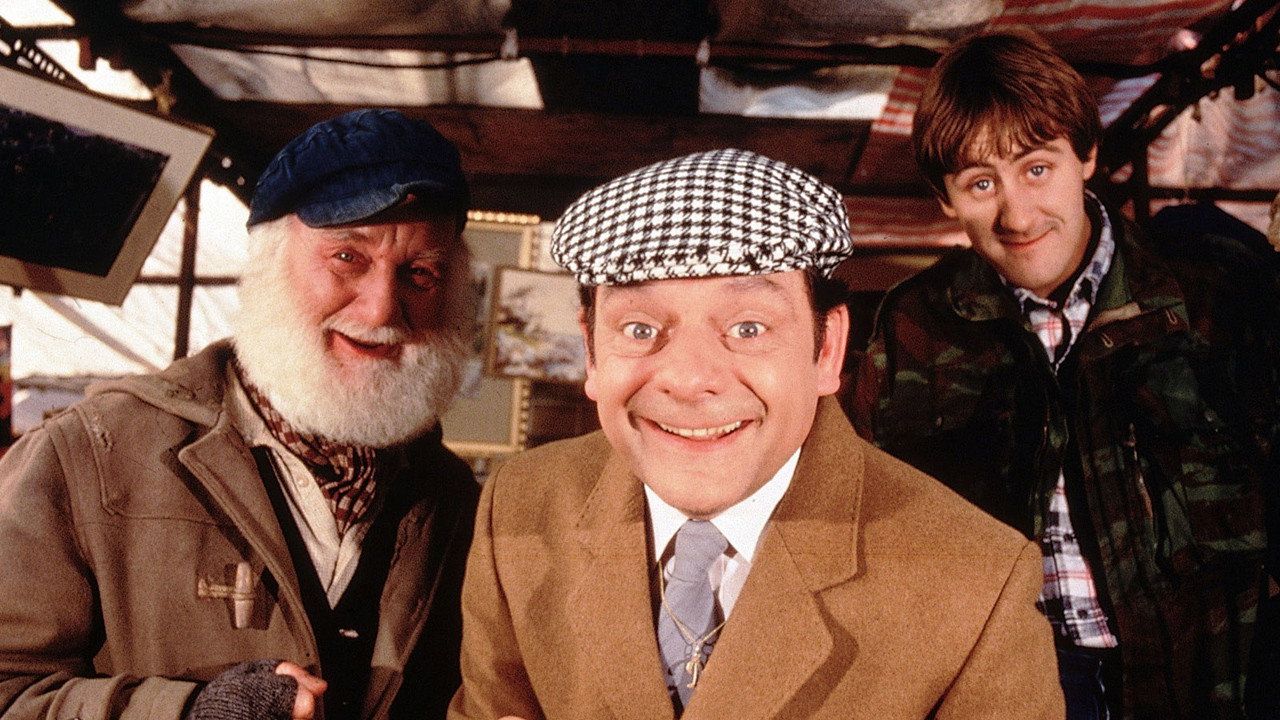 Only Fools and Horses mastered this simplicity. Much of the series revolves around a few familiar locations: the Trotters’ flat, The Nag’s Head pub and the market. These places felt lived in rather than glamorous. In “The Longest Night,” Del Boy, Rodney and Uncle Albert become trapped inside a supermarket overnight. Almost nothing happens, yet the episode remains entertaining because the personalities carry it.
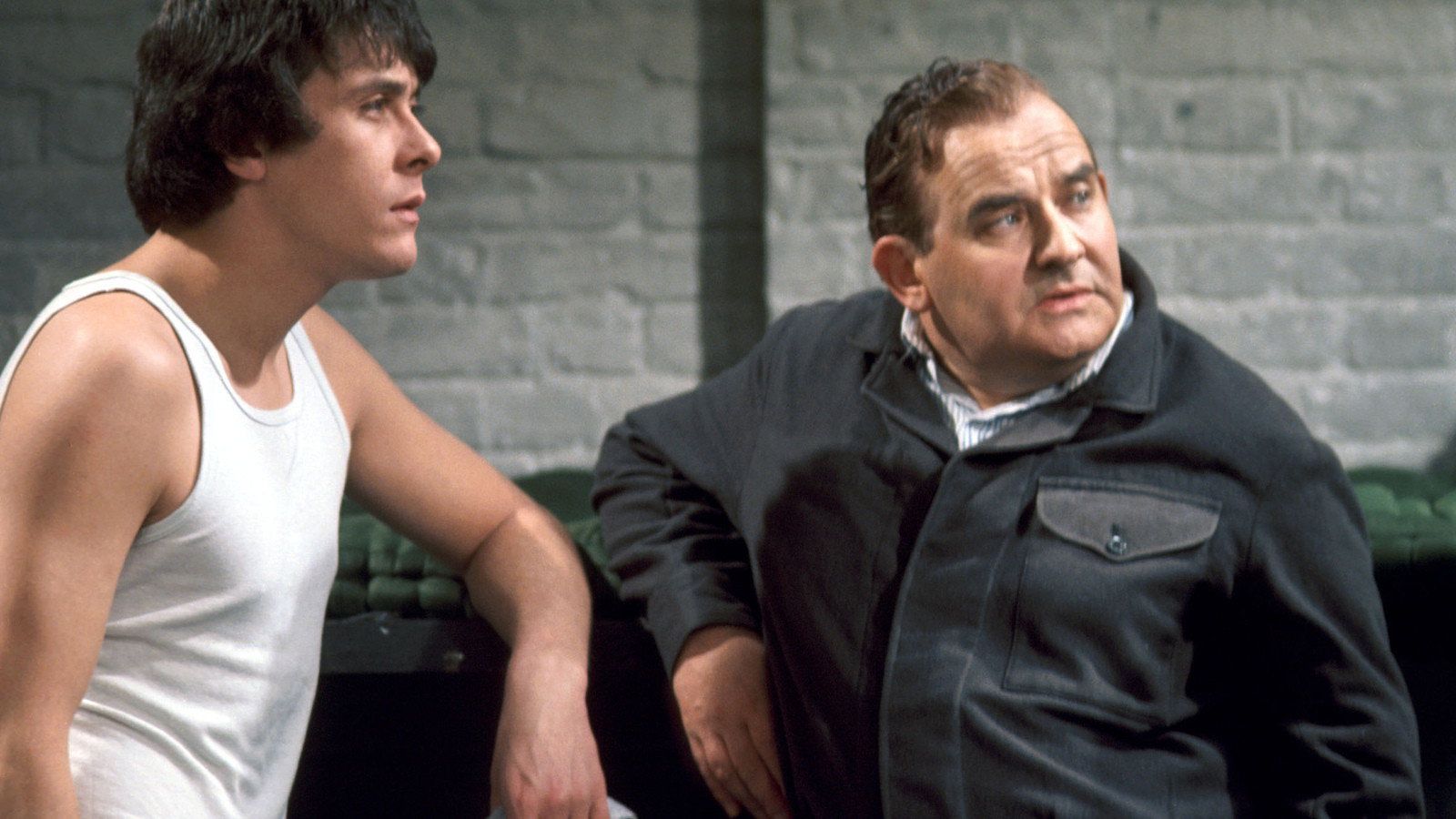 Porridge pushed confinement even further. Set almost entirely inside a prison, the sitcom relied heavily on Fletcher’s wit and observations. The prison setting created both humour and sadness at once. The characters joked because confinement was the only thing making their situation bearable.
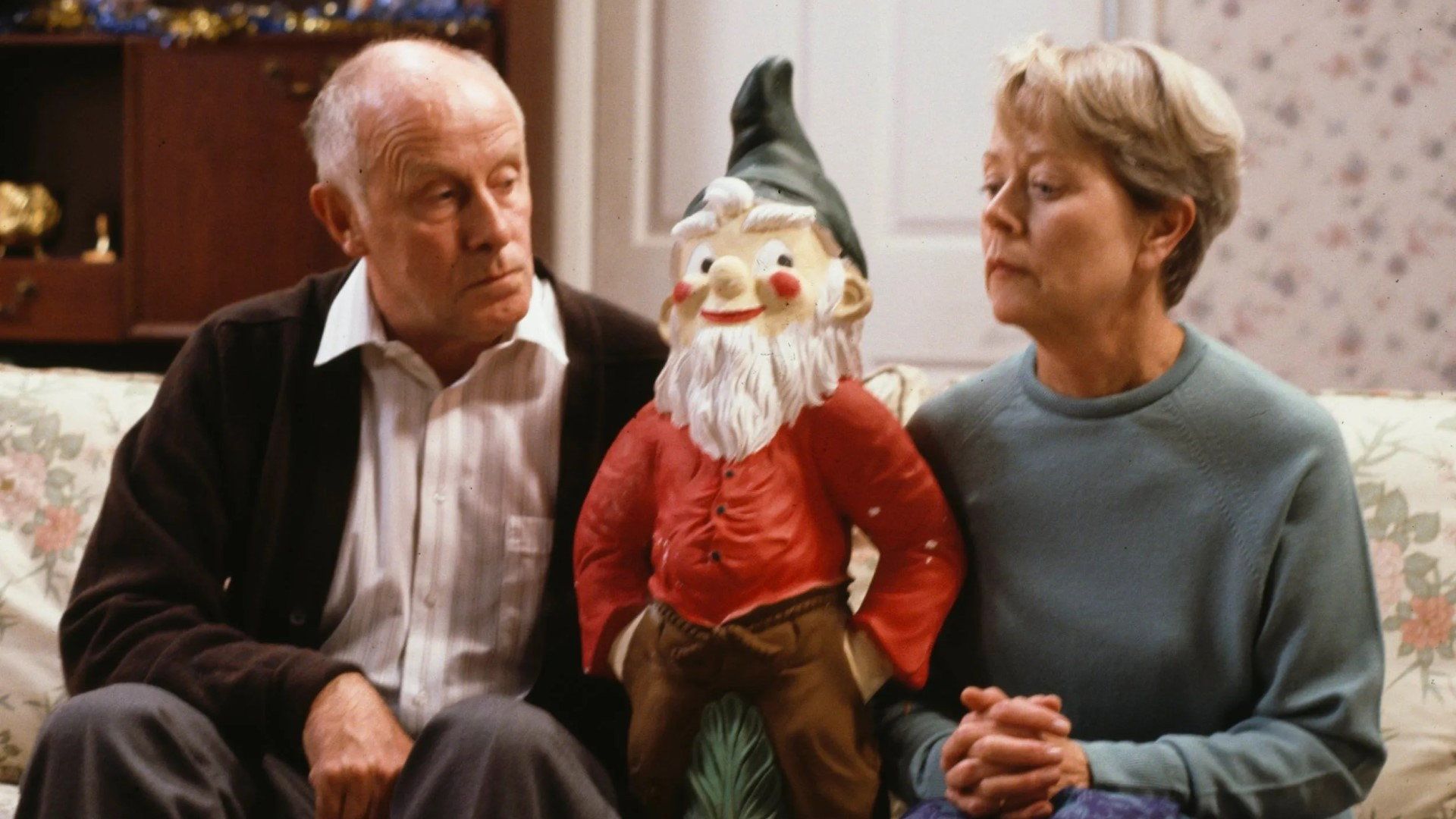 One Foot in the Grave contained one of the strongest examples of the bottle episode format. An episode set entirely inside a waiting room sounds painfully dull on paper, yet the comedy comes entirely from frustration, awkward interactions and the personalities trapped together. The audience recognises the universal experience of waiting endlessly in uncomfortable silence.
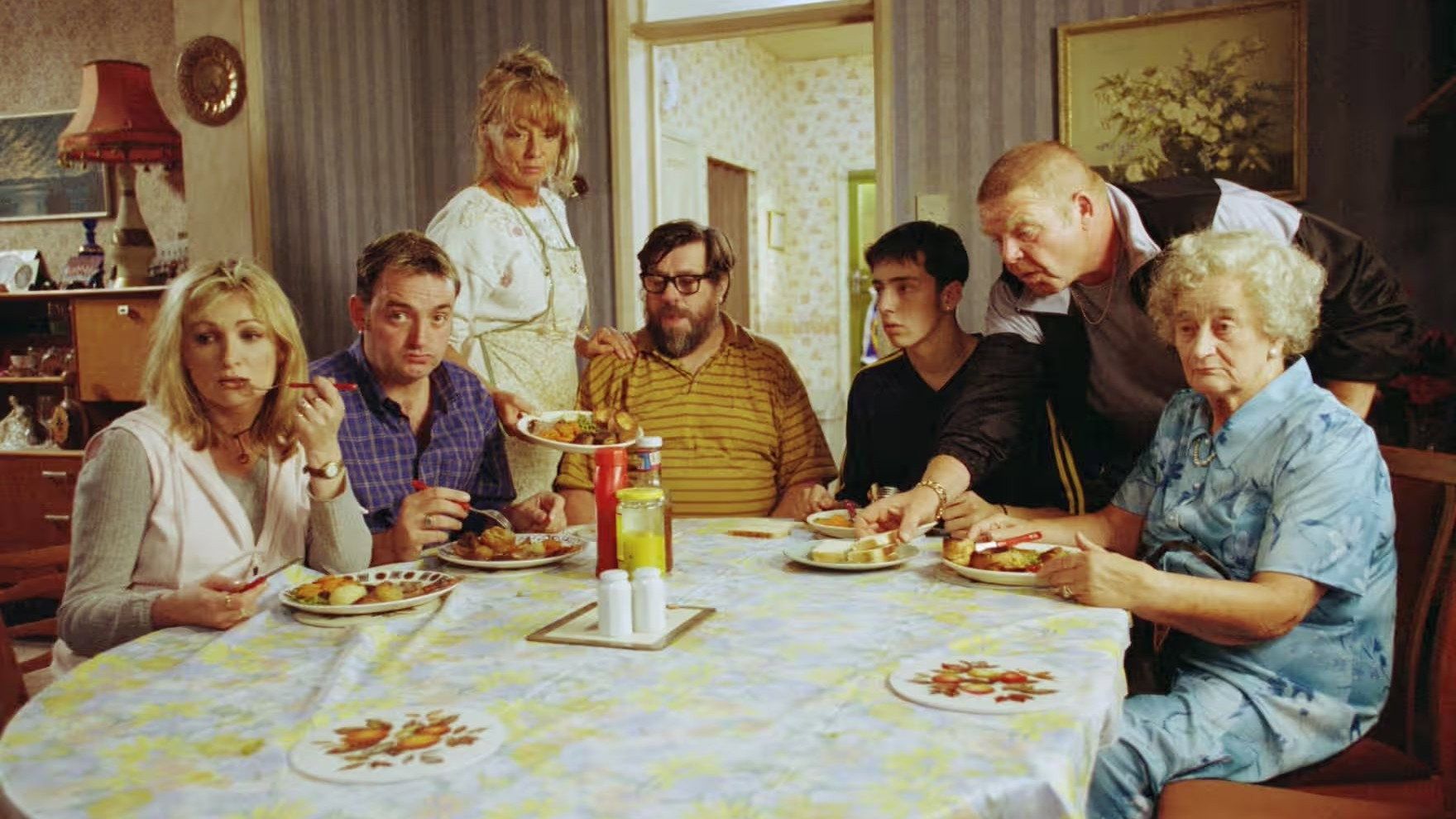 The Royle Family proved that sitcoms did not even need major plots. Most scenes take place in a living room with characters simply talking about everyday life. Yet audiences connected deeply because the conversations felt recognisable and real. Similarly, The Office turned the dullness of office life into comedy through awkward silences and painfully believable social interactions. David Brent worked as a character because beneath the humour was genuine loneliness and insecurity.
This sadness exists underneath many great sitcoms. Del Boy dreams of becoming rich because he fears remaining trapped in poverty forever. Victor Meldrew’s anger in One Foot in the Grave hides fears about ageing and irrelevance. Even Blackadder Goes Forth used humour to mask despair, with its trench setting creating both comedy and dread before its famously tragic ending.
Modern television often favours cinematic visuals, faster pacing and larger budgets. Yet something has been lost along the way. Older sitcoms understood the power of simplicity. A single room can become unforgettable with strong enough writing.
Bottle episodes reveal the true craft behind sitcoms because they expose weak writing immediately. Without impressive visuals or distractions, all that remains is dialogue, timing and emotional truth. That is why so many are still remembered today. Sometimes all a sitcom needs is one room, a few brilliant characters and enough honesty to make audiences laugh while quietly breaking their hearts at the same time.
Peter Hall
Author