Five Movie Worlds That Belong on TV
For more than 40 years, Blade Runner has given us two films, endless arguments about whether Deckard is a Replicant and approximately seven billion shots of rain falling on neon signs. Now, finally, it gets eight hours to breathe.
Blade Runner 2099 arrives on Prime Video on 25 November, with Hunter Schafer and Michelle Yeoh leading a story set 50 years after Blade Runner 2049. It is the franchise’s first proper move into television, and on paper it makes enormous sense. The films created a world much bigger than the stories they had time to tell: replicants, corporations, colonies, artificial memories and an entire society permanently wondering what actually makes somebody human. Television gives that world room.
And it is not alone. Rocky and Creed are heading the same way with Delphi, Prime Video’s forthcoming live-action series following young boxers at the famous Delphi gym. Michael B. Jordan is producing, and while there is no premiere date yet, it is another sign that some film franchises are starting to realise their worlds may be bigger than the characters who made them famous.
Which got us thinking: what other great movie franchises have somehow avoided becoming TV series?
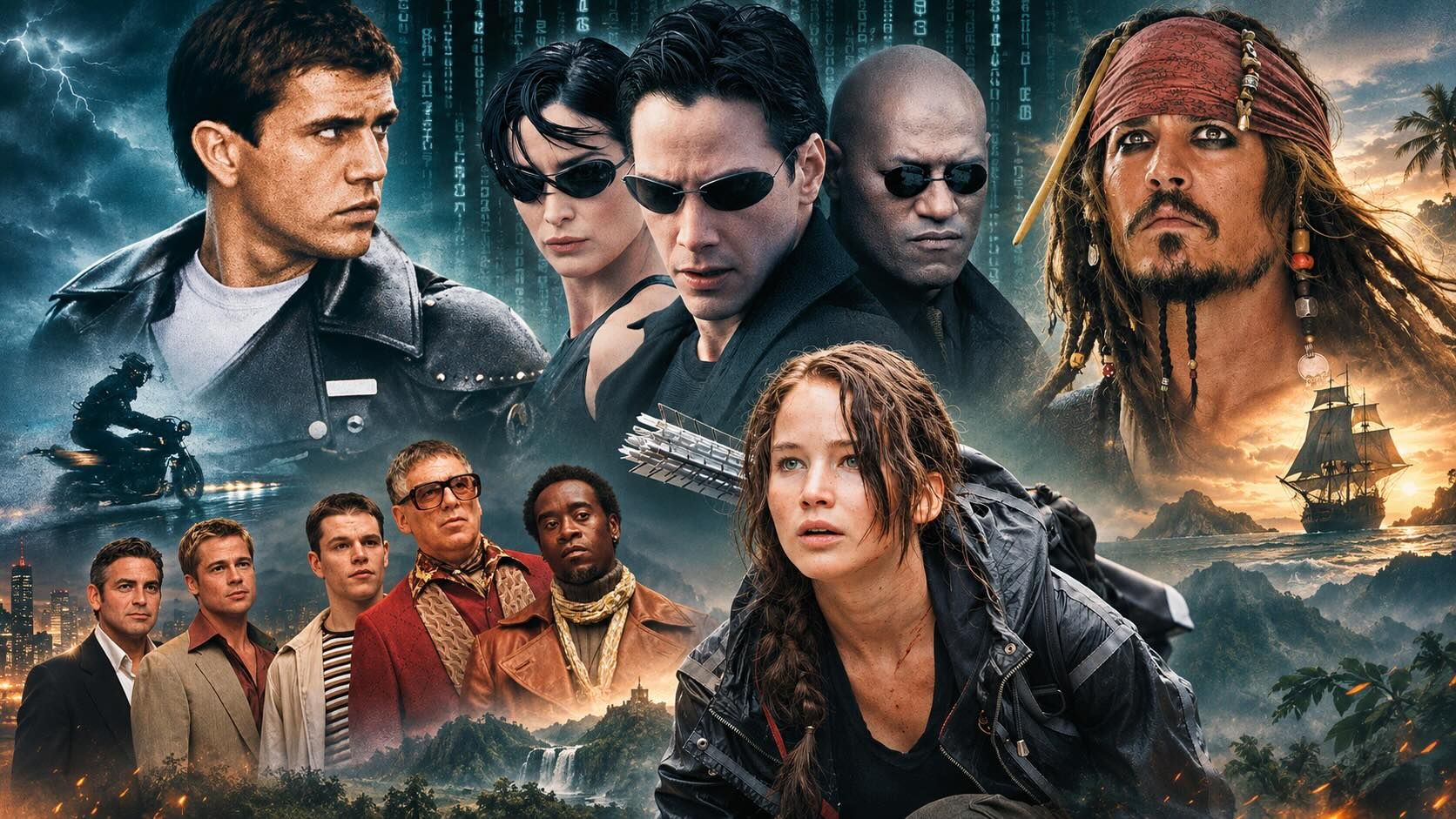
Mad Max
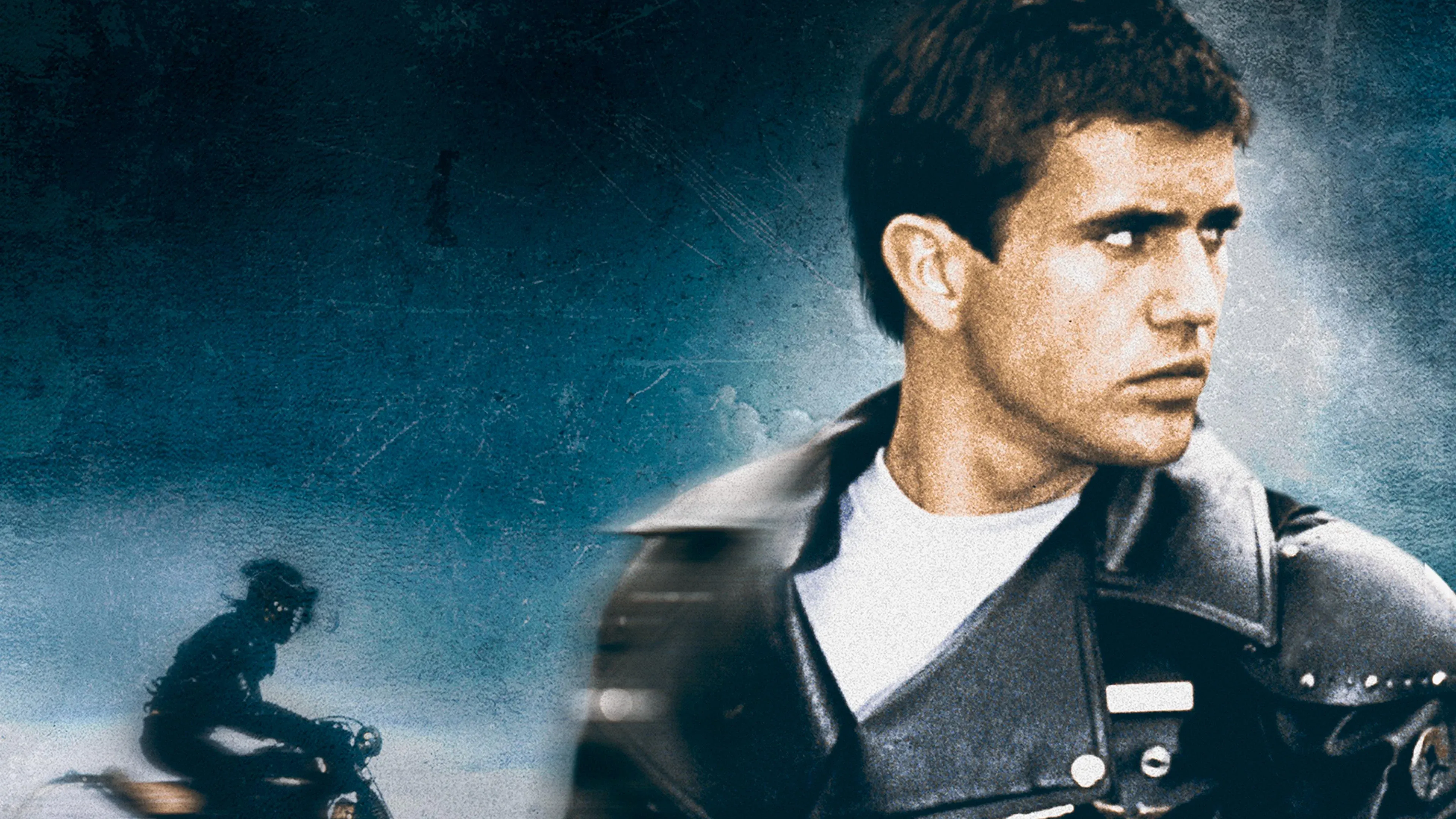 Five films and nearly half a century later, George Miller’s wasteland still feels as though we have barely explored it.
Forget Max for a moment. Imagine an anthology series following different settlements trying to survive after civilisation collapses: warlords, traders, mechanics, families and completely deranged people building vehicles out of whatever was lying around. Furiosa already proved the world works without Max at its centre. A television series could prove the wasteland is bigger than any single character.
And every episode would presumably require at least one person playing a flaming guitar on top of a moving truck.
The Matrix
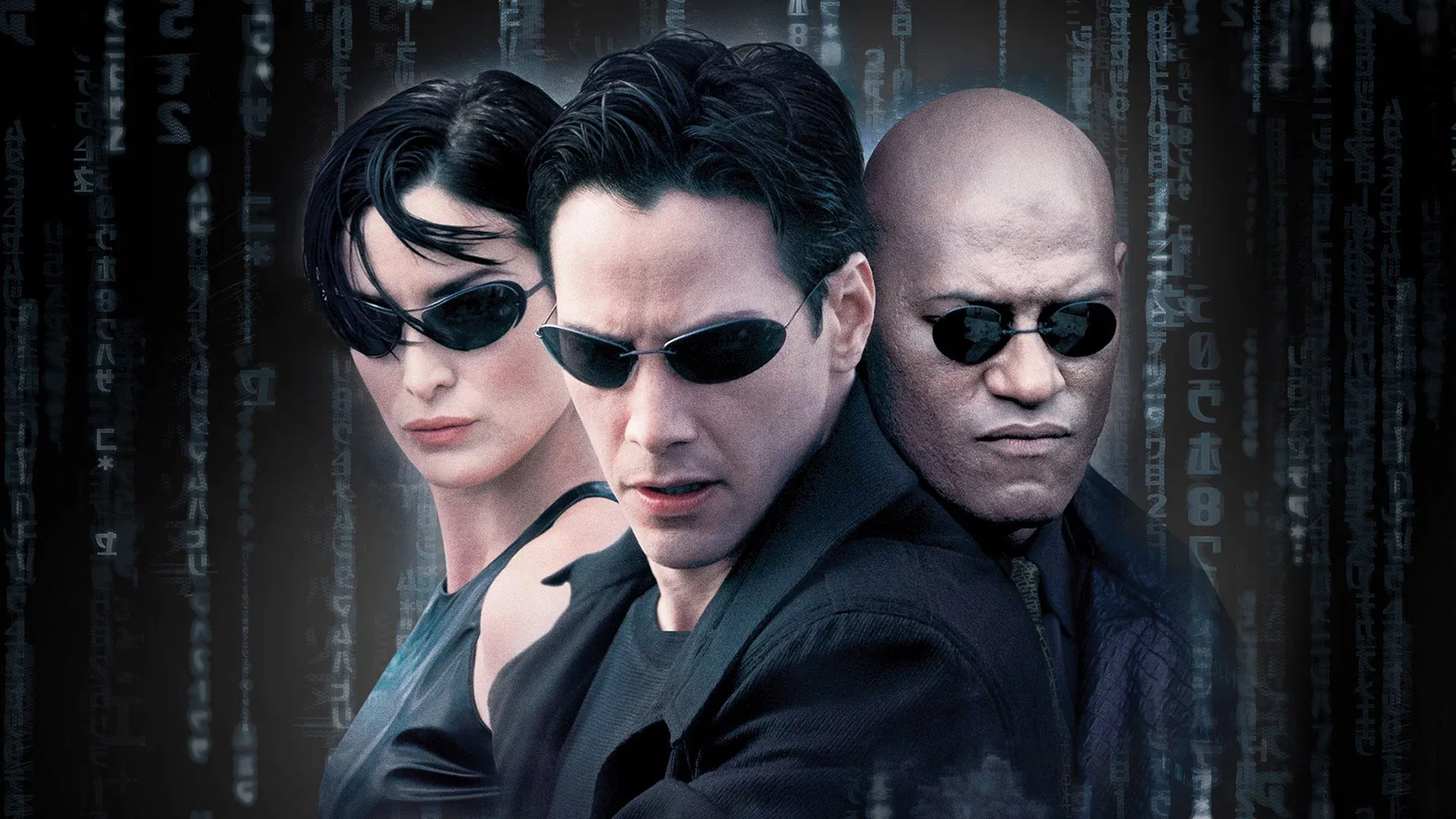 This one feels almost absurd.
The Matrix gave us four films, The Animatrix, games, comics and enough philosophy to keep university students awake until 3am, but never a full television drama.
Yet the concept is almost designed for it. You would not even need Neo. Follow ordinary people beginning to realise their world isn't real. One episode could be a thriller, another horror, another romance. The Agents could drift through all of them. Suddenly the Matrix becomes less about saving humanity and more about the millions of people who never realise they need saving.
That could be brilliant.
Pirates of the Caribbean
 Disney spent five films following Jack Sparrow around while quietly building an enormous supernatural universe behind him.
Ghost ships. Cursed treasure. Sea monsters. Pirate cities. The East India Company. Davy Jones. Mermaids. Ancient legends. Why does this not already have a television series?
You could set it decades before Jack Sparrow, introduce a completely new crew and turn it into a proper seafaring adventure. Think Black Sails with considerably more ghosts and slightly less concern about historical accuracy.
Ocean’s
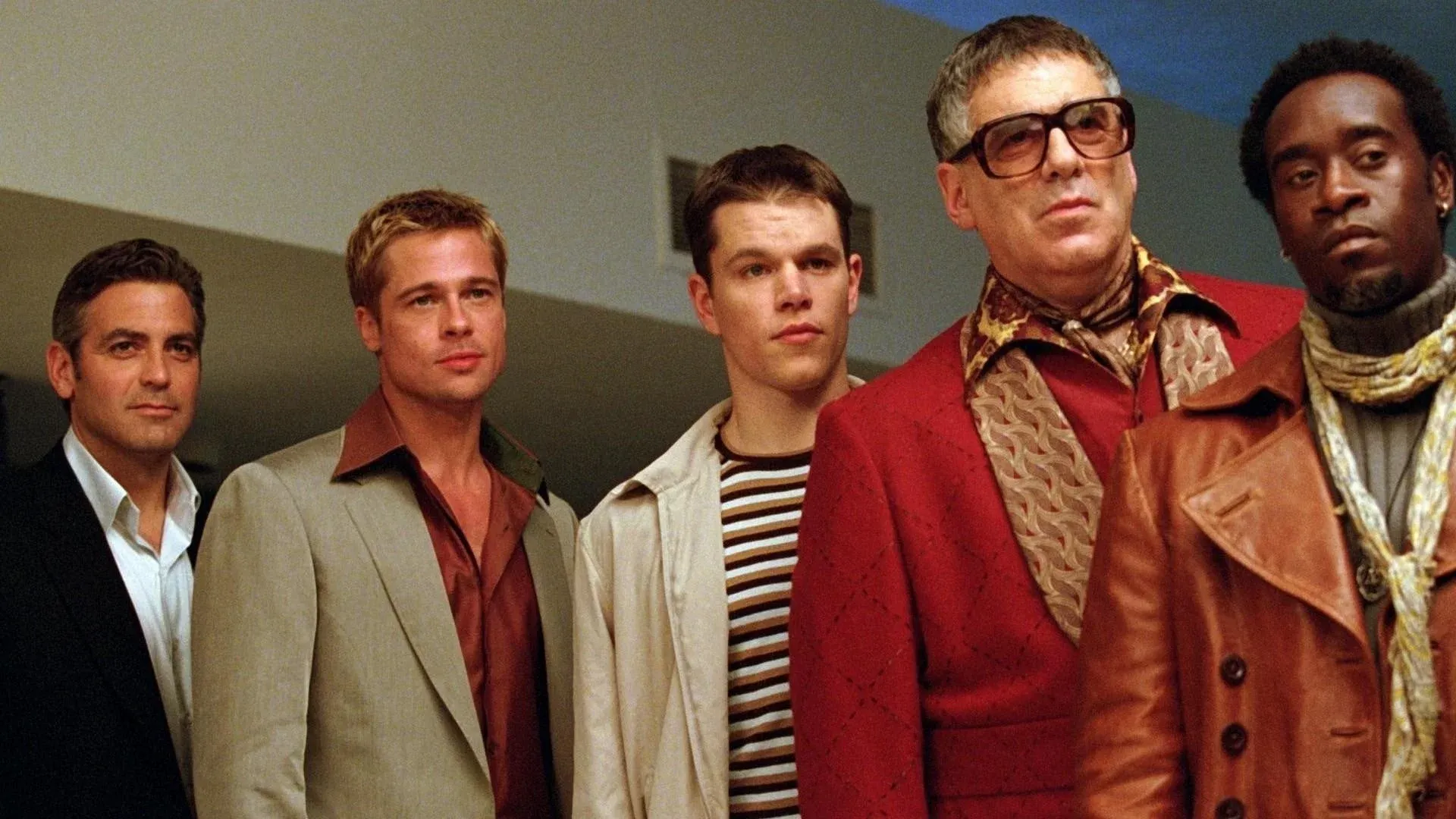 Not every expanded universe needs dragons. The Ocean’s films work because we enjoy watching very clever people execute impossibly complicated plans while wearing extremely nice clothes. That seems perfect for television.
A different heist every season. Monte Carlo. Tokyo. London. Dubai. Art galleries, casinos, auctions, private islands. Build a team, devise the ridiculous plan, discover somebody has betrayed everybody else, then reveal that the betrayal was actually part of the plan all along.
Basically Ocean’s Eleven meets The White Lotus. We would watch immediately.
The Hunger Games
 This may have the richest opportunity of all. Six films in, Panem has still never become a television series. The movies have concentrated on Katniss and then moved backwards through prequels, most recently with Sunrise on the Reaping, but the world Suzanne Collins created is far larger than any one character. Every Hunger Games created its own winners, losers, political dramas and acts of resistance.
A television anthology could visit a different Games or district each season without simply recreating Katniss’s story. More interestingly, it could explore the people around the spectacle: broadcasters, stylists, mentors, Capitol families and ordinary citizens slowly becoming uncomfortable with what they are watching.
Done properly, it could be less about another battle arena and more about how a society learns to accept one. That is perhaps why Blade Runner 2099 feels like such an interesting experiment.
Rocky/Creed is about to try it too. And if Delphi works, studios will surely look again at all those film franchises where the world has always been bigger than the hero.
The best movie franchises do not merely give us characters we want to see again. They create worlds where we suspect thousands of other stories are happening just outside the frame.
Cinema shows us the world. Sometimes television lets us live there.
Jim Irving
Author