Is Christmas TV Getting Smaller?
Christmas television used to feel enormous.
You bought the Radio Times double issue, somebody attacked it with a highlighter, and the family negotiated Christmas Day viewing with the sort of diplomacy normally reserved for international peace talks. There were big dramas, comedy specials, entertainment shows and at least one film everybody had already seen seven times but somehow watched again anyway.
This Christmas, there is still plenty on television. But does it all feel just a little smaller?
The question is worth asking because British television is heading into the festive season under significant financial pressure. ITV has announced £30 million of temporary savings, including £25 million from programming, while figures from the British Film Institute show UK film and high-end television production spending falling from £7.26 billion to £5.2 billion over the year to September. Meanwhile, a new report warns that BBC television content spending could more than halve in real terms over the next decade if the current licence-fee model continues.
None of that means the Christmas schedules are suddenly empty. ITV still has The Royal Variety Performance, The Masked Singer, The 1% Club, Ant & Dec, Christmas soaps, Royal Carols, Wonka and Indiana Jones: The Dial of Destiny among its festive line-up. There are familiar faces everywhere. But perhaps that is partly the point.
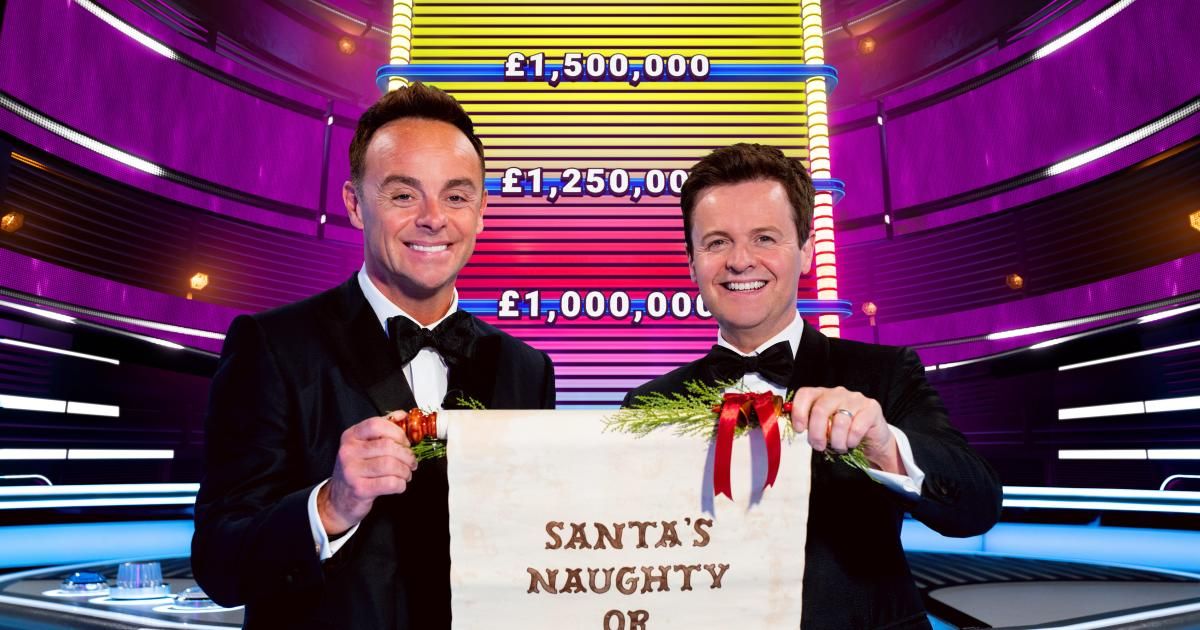 Christmas television increasingly feels built around things we already know. Familiar formats. Familiar presenters. Familiar films. Familiar specials. That can be comforting (Christmas is hardly the traditional season for experimental Lithuanian drama) but the great festive schedules also used to contain programmes that felt genuinely made for the occasion. Big one-offs. Expensive event television. Shows you knew everyone else would be talking about the next morning. Even the idea of waiting for them is changing.
This year the BBC will make some of its Christmas programmes available on iPlayer from 27 November, almost a month before their traditional television transmission. The BBC says audiences increasingly want festive programming throughout December, while major shared events such as Strictly Come Dancing and Call the Midwife will still be held back for scheduled television. It makes complete sense. It also feels slightly like discovering the presents under the tree in November and being told you can open a few if you fancy it.
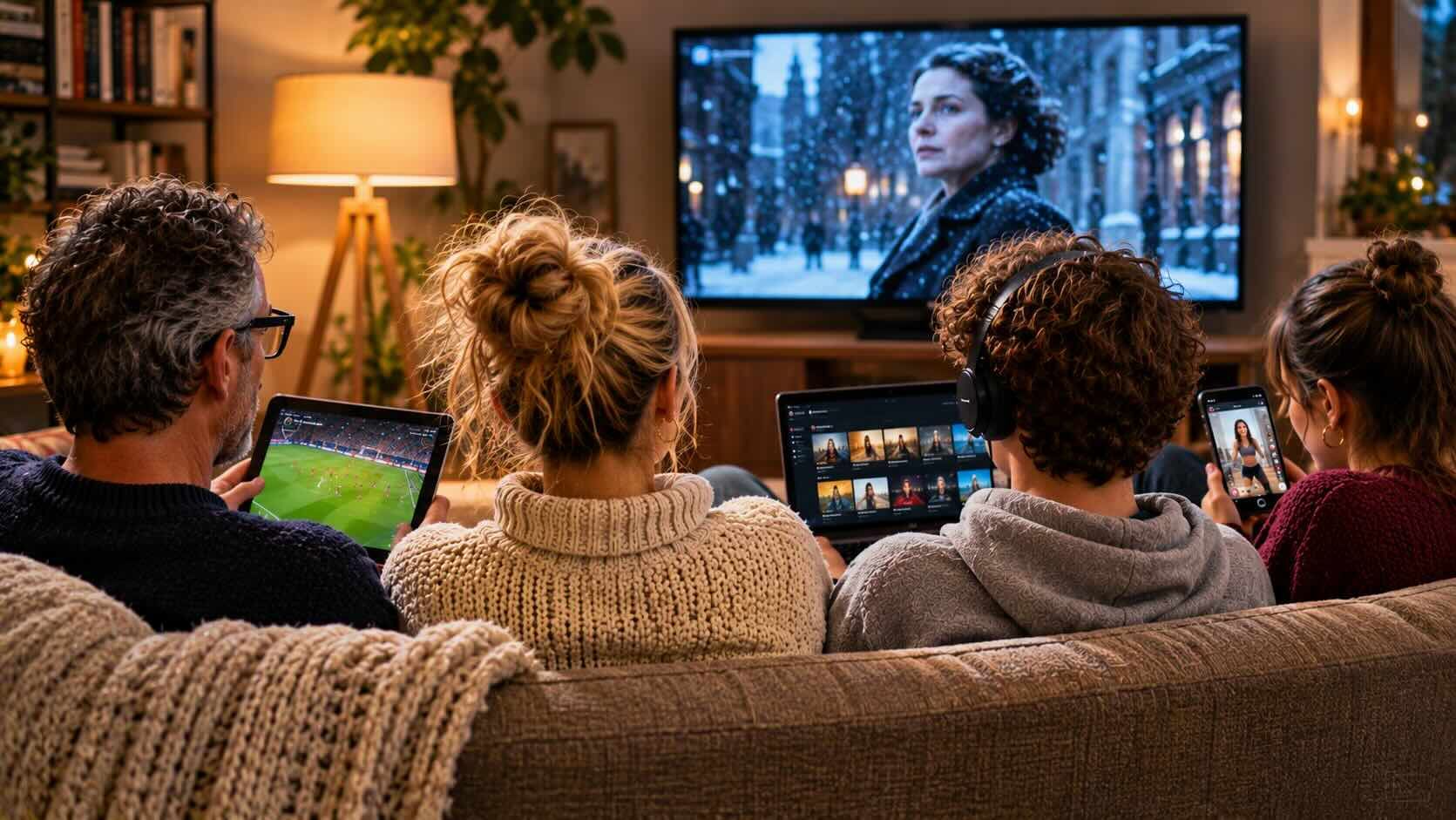
Streaming has changed Christmas television because streaming has changed television. Families no longer necessarily gather around one screen at 8pm. Teenagers may be watching YouTube upstairs, somebody else is halfway through a Netflix series, and Dad has somehow started The Great Escape again despite nobody agreeing to it. That does not mean Christmas TV is dying. It may simply mean that the shared Christmas TV moment is. And perhaps that is the more important change.
For decades, broadcasters could spend heavily on Christmas because enormous audiences were almost guaranteed. Now those audiences are fragmented across Netflix, Disney+, Prime Video, YouTube, TikTok and dozens of other distractions. At the same time, the traditional broadcasters have less money to compete with companies whose global budgets dwarf theirs.
So Christmas television faces a strange problem. We have more things to watch than at any point in history, yet fewer programmes may feel like something everyone is watching together. The schedules are still full. The stars are still there. The Christmas specials certainly aren't disappearing. But the days when 20 million people arranged Christmas dinner around one television programme probably are. Maybe Christmas TV isn't actually getting smaller. Maybe the television is still the same size and the audience has simply scattered across a hundred other screens.
Jim Irving
Author