Hidden Gems #008: Ghostlight
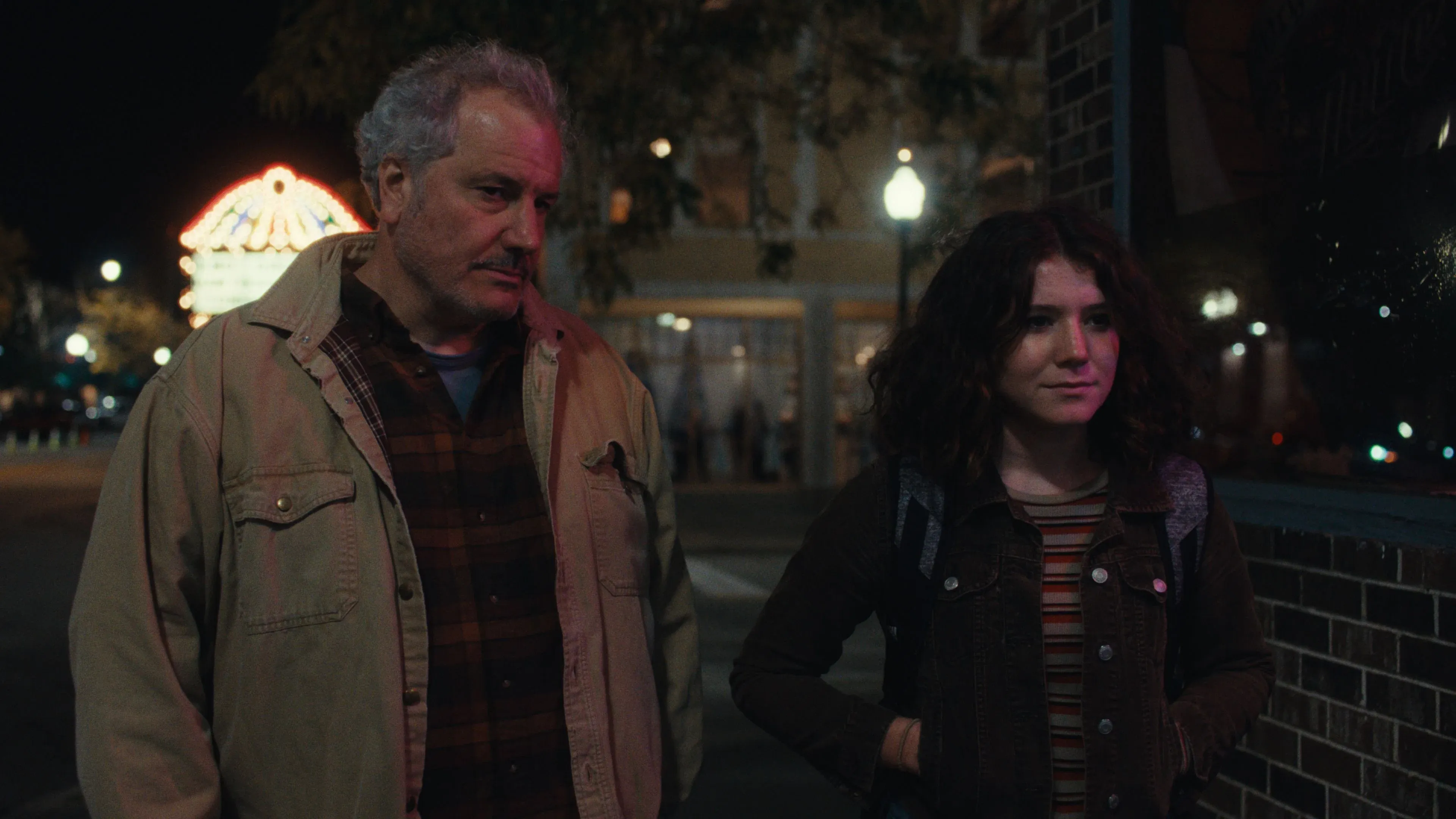
There is something almost defiant about a film that refuses to chase attention. Ghostlight arrived in the middle of summer 2024 with no stars, minimal marketing and almost no cultural footprint, slipping quietly through cinemas while bigger, louder releases dominated the conversation. Most people never even had the chance to choose whether to see it, and yet this is exactly the kind of film that rewards those who discover it late, away from the noise and expectation that so often shape how we watch.
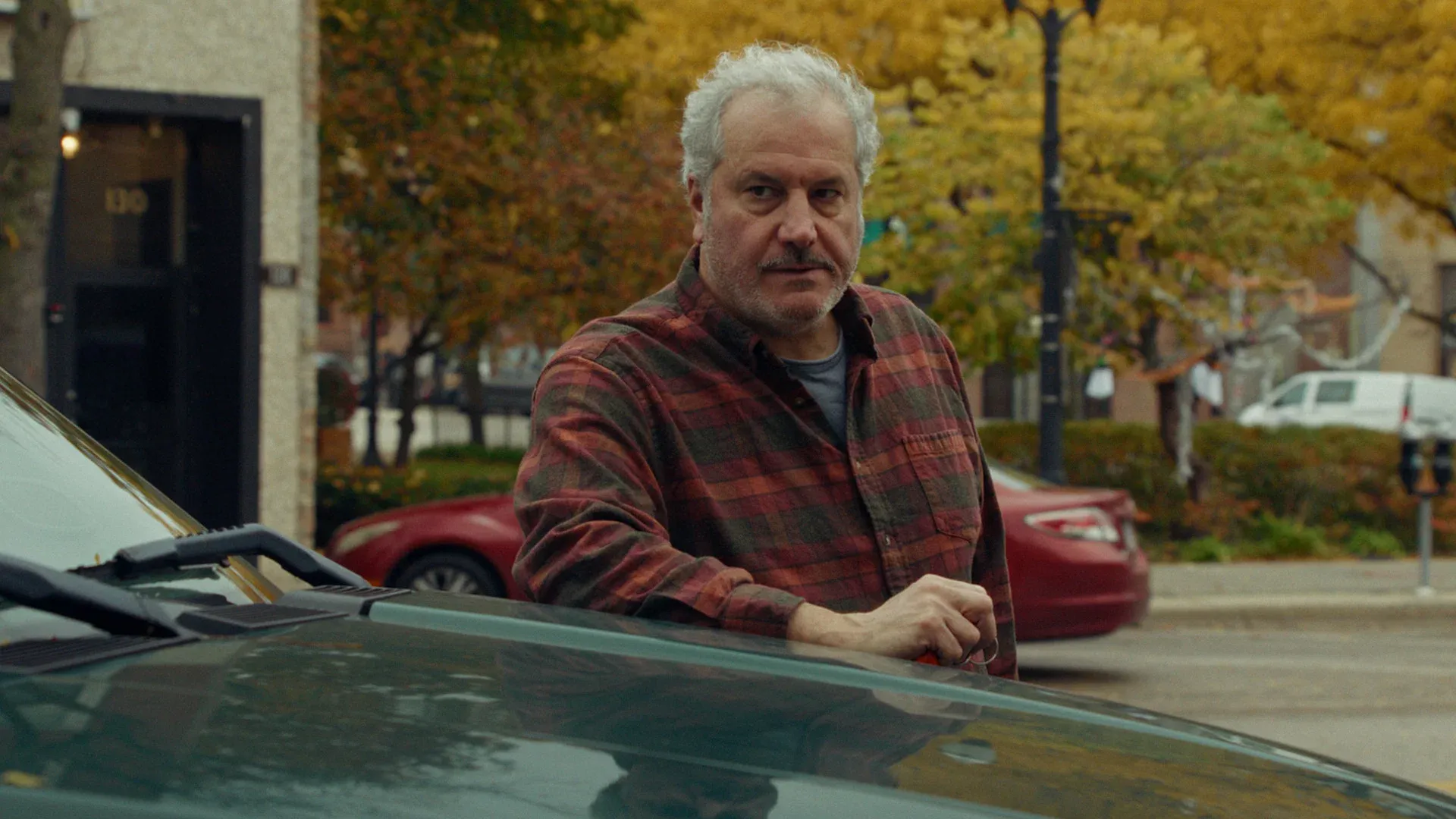 At its centre is Dan, a construction worker played by Keith Kupferer, a man carrying something heavy that the film refuses to immediately explain. He is withdrawn, brittle, and quietly coming apart in ways that feel recognisable without ever being fully articulated. When he is coaxed into joining a local amateur production of Romeo and Juliet, it feels incidental at first, almost like a narrative detour rather than the central thread. A distraction. A way to pass time. Something to fill a gap rather than confront what sits beneath it.
It becomes something much more, and the film is patient enough to let that transformation happen without forcing it.
What Ghostlight does so beautifully is resist the urge to tell you what it’s doing. It does not telegraph its emotional payload or guide you towards a specific reaction. Instead, it allows the story to unfold gradually and with quiet confidence, trusting the audience to piece things together in their own time. The parallels between the play and Dan’s personal life begin as faint echoes, almost easy to miss, before building into something unavoidable. By the time the full weight of the story reveals itself, it does so without warning, and you realise too late that the film has been preparing you all along.
The authenticity of the film is what makes that impact so powerful. Kupferer is joined on screen by his real life wife and daughter, and that dynamic brings a level of truth that cannot be constructed through writing or direction alone. It feels lived rather than performed, with conversations that drift and overlap, silences that carry weight, and emotional shifts that happen in small, almost imperceptible ways. Nothing feels heightened for effect, which makes everything feel more real.
Kupferer’s portrayal of Dan is quietly extraordinary. He does not explain himself or invite sympathy, and the film is stronger for that restraint. Instead, he exists within a kind of grief that is difficult to articulate and even harder to confront, allowing the audience to sit with that discomfort rather than resolve it. As the story unfolds, those emotional barriers begin to loosen, not through dramatic confrontation, but through participation, through storytelling, and through the unexpected connection that comes from being part of something shared.
That is where Ghostlight finds its real power. It understands that art can offer a way into emotions that feel otherwise inaccessible, not as a solution or a cure, but as a quiet opening. It does not promise transformation, but it suggests the possibility of it, and that is often enough.
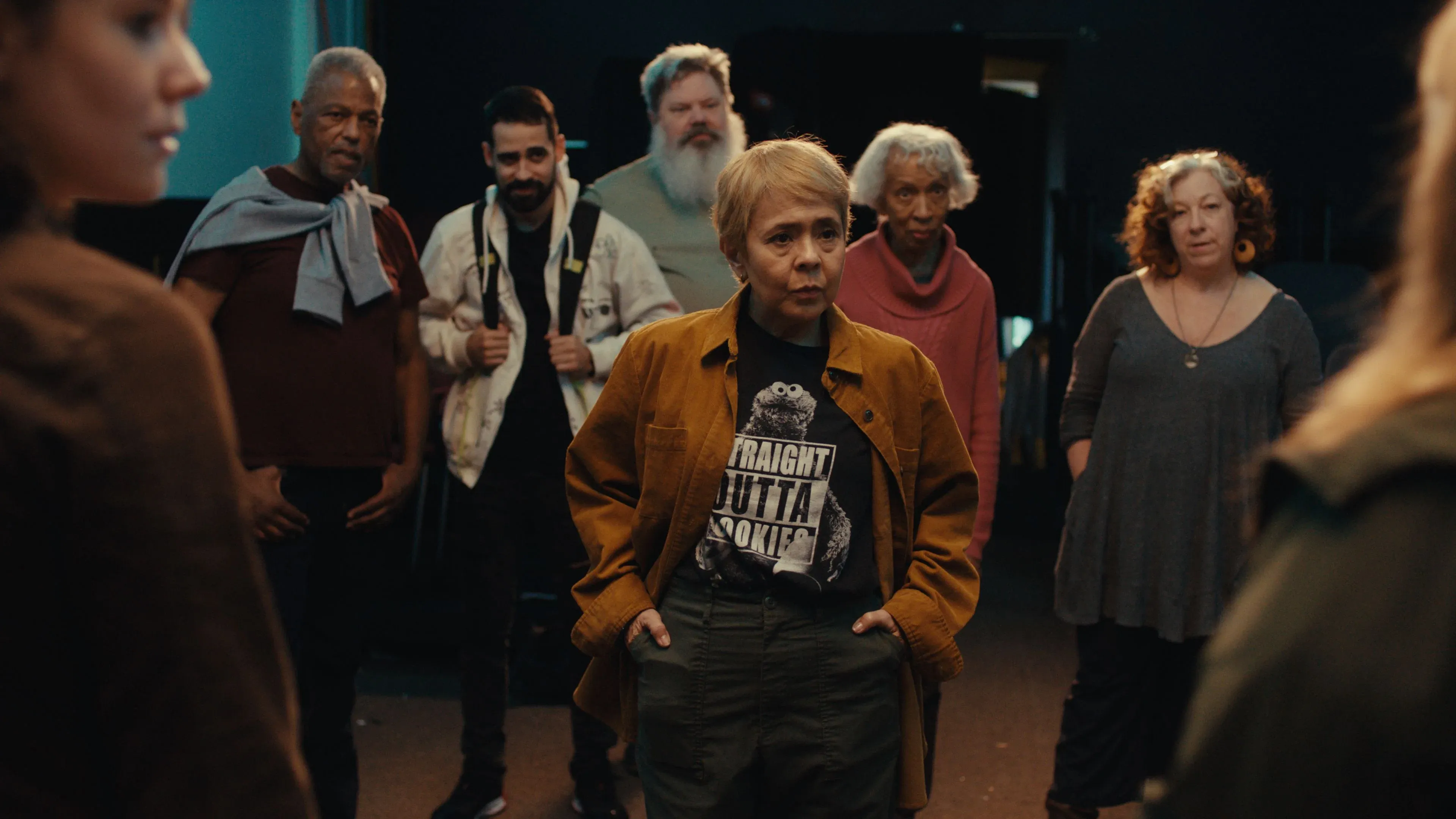 Critics recognised this immediately, describing the film as masterful, magnetic and heartbreaking in the most therapeutic of ways. And yet, despite that response, it passed through theatres with almost no awards recognition and very little wider conversation, a victim of timing as much as anything else. Summer 2024 is not a forgiving window for a film like this, and surrounded by spectacle, Ghostlight simply did not shout loudly enough to be heard.
And that is exactly why it belongs in Recce’s Hidden Gems. Because this is not a film that failed, it is a film that was missed, and there is an important difference between the two. Ghostlight is a reminder that the most powerful cinematic experiences are often the ones that do not announce themselves, that build slowly, settle in quietly, and then stay with you long after you expected them to.
Stalingrad Dollosa
Author