Hidden Gems #009: Ordinary Love

There is a particular kind of film that chooses understatement over impact, trusting the audience to lean in rather than be pulled along. Ordinary Love sits firmly in that space. It is not built around big moments or dramatic declarations. Instead, it focuses on something far more difficult to capture on screen. What it feels like to live through something life changing, day by day, moment by moment, with someone who knows you better than anyone else.
At the centre are Lesley Manville and Liam Neeson, playing a long married couple navigating a breast cancer diagnosis. There is nothing heightened about their relationship. No forced tension, no unnecessary conflict. What you see instead is familiarity, rhythm, and a level of trust that only comes from years of shared experience. They joke, they irritate each other, they fall into silence, and through it all there is an unspoken understanding that neither needs to explain themselves.
The film resists every obvious dramatic instinct. There are no big speeches. No carefully engineered breakdown scenes designed for awards clips. The emotional weight comes from something quieter and far more truthful. Two people facing something terrible and choosing each other, again and again, in small, almost invisible ways. A look across a room. A shared moment of humour when it would be easier to collapse into fear. A willingness to say what needs to be said without dressing it up.
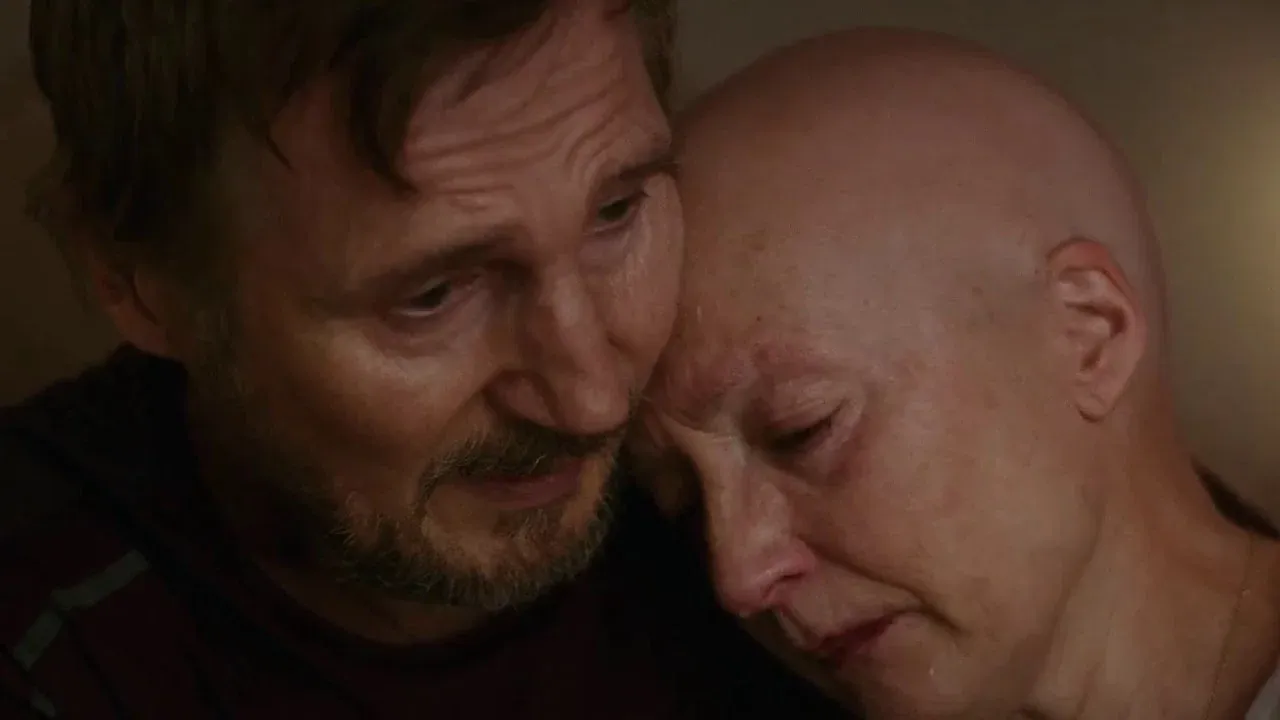 Manville’s performance is extraordinary in its restraint. Critics described it as a performance of heartbreaking delicacy and courage, and that feels exactly right. She never reaches for sympathy or signals importance. Instead, she allows vulnerability to sit naturally within the character, creating a sense of intimacy that feels almost uncomfortable at times. You are not watching a performance. You are watching someone exist within a situation that does not allow for performance.
Neeson matches her with a quiet, grounded presence that avoids cliché. There is strength in his character, but it is not loud or performative. It comes through steadiness, through showing up, through the quiet decisions that define long relationships. Together, they create something that feels completely real. Not idealised, not romanticised, but deeply human.
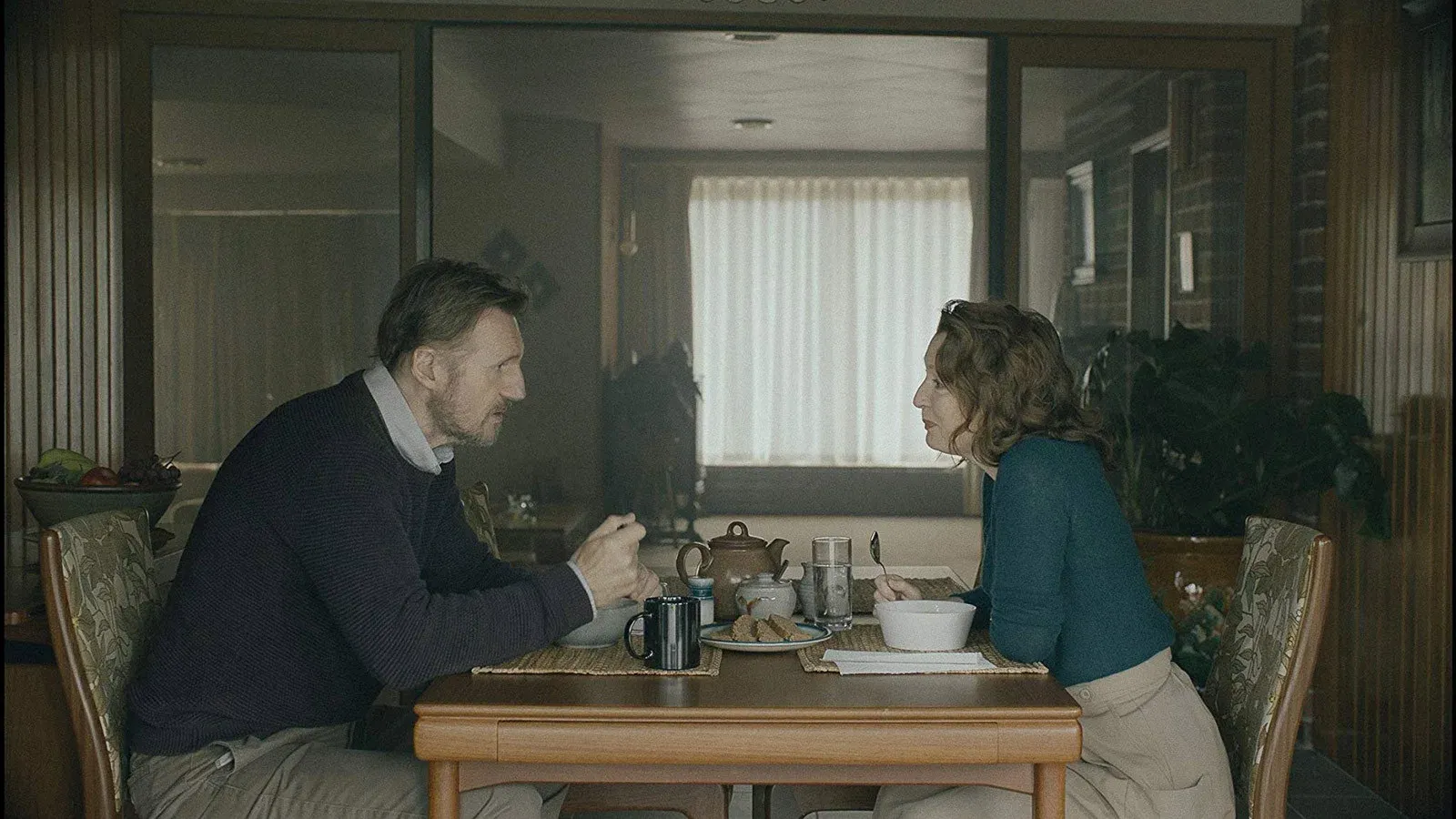 One of the film’s most striking qualities is how it captures the particular kind of intimacy that forms when time becomes uncertain. Conversations become more direct. There is less space for pretence. Honesty takes on a different weight, and the film understands that without ever needing to underline it. It trusts the audience to recognise those shifts, to feel them rather than be told.
And yet, despite its quality, Ordinary Love made almost no commercial impact. It slipped through cinemas, disappeared from the wider cultural conversation, and never generated the awards attention that Manville’s performance in particular deserved. It is exactly the kind of film that tends to resurface years later, recommended quietly by someone who never quite got over it.
That is why it belongs in Recce’s Hidden Gems.
Because this is not a film that failed. It is a film that simply did not fit the moment it arrived in. It does not compete for attention. It waits for it. Ordinary Love is a reminder that the most powerful stories are often the ones that stay closest to the truth.
Hidden Gems are not always about discovery. Sometimes they are about rediscovery.
Stalingrad Dollosa
Author