Hot Fuzz Is the Masterpiece, but Shaun of the Dead Is the Legend
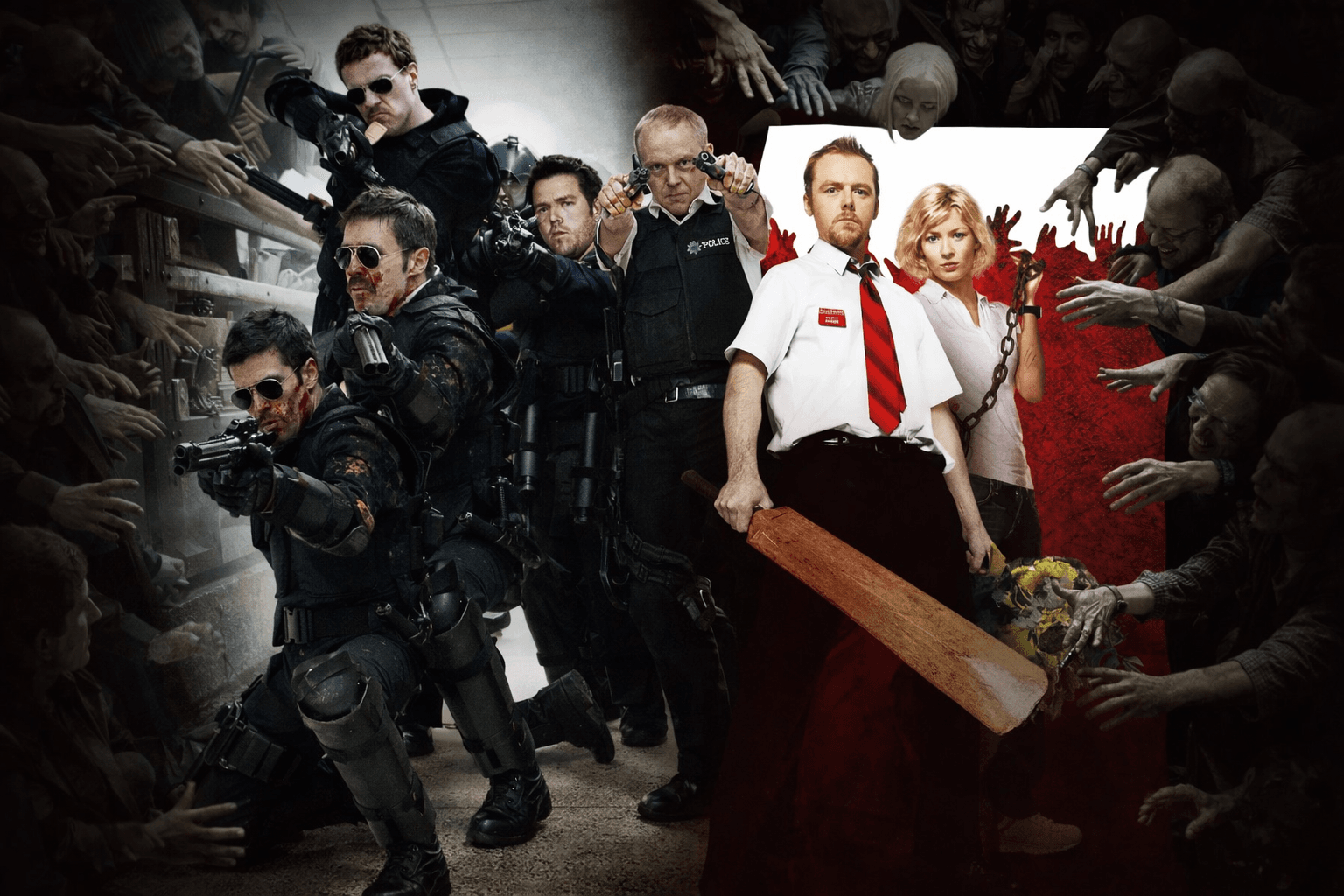
In the hallowed halls of Edgar Wright’s Three Flavours Cornetto Trilogy, the debate over which film reigns supreme remains the ultimate pub argument. While The World’s End has its rightful defenders, the real heavyweight bout has always been between 2004’s zombie rom-com Shaun of the Dead and 2007’s action-satire Hot Fuzz. One is a precision-engineered masterclass in structure and payoff. The other is a cultural lightning strike that defined a generation. If you look at the technical tale of the tape, Hot Fuzz may well be the better-constructed film. And yet, Shaun of the Dead remains the untouchable cult legend. That tension is what makes the debate endure.
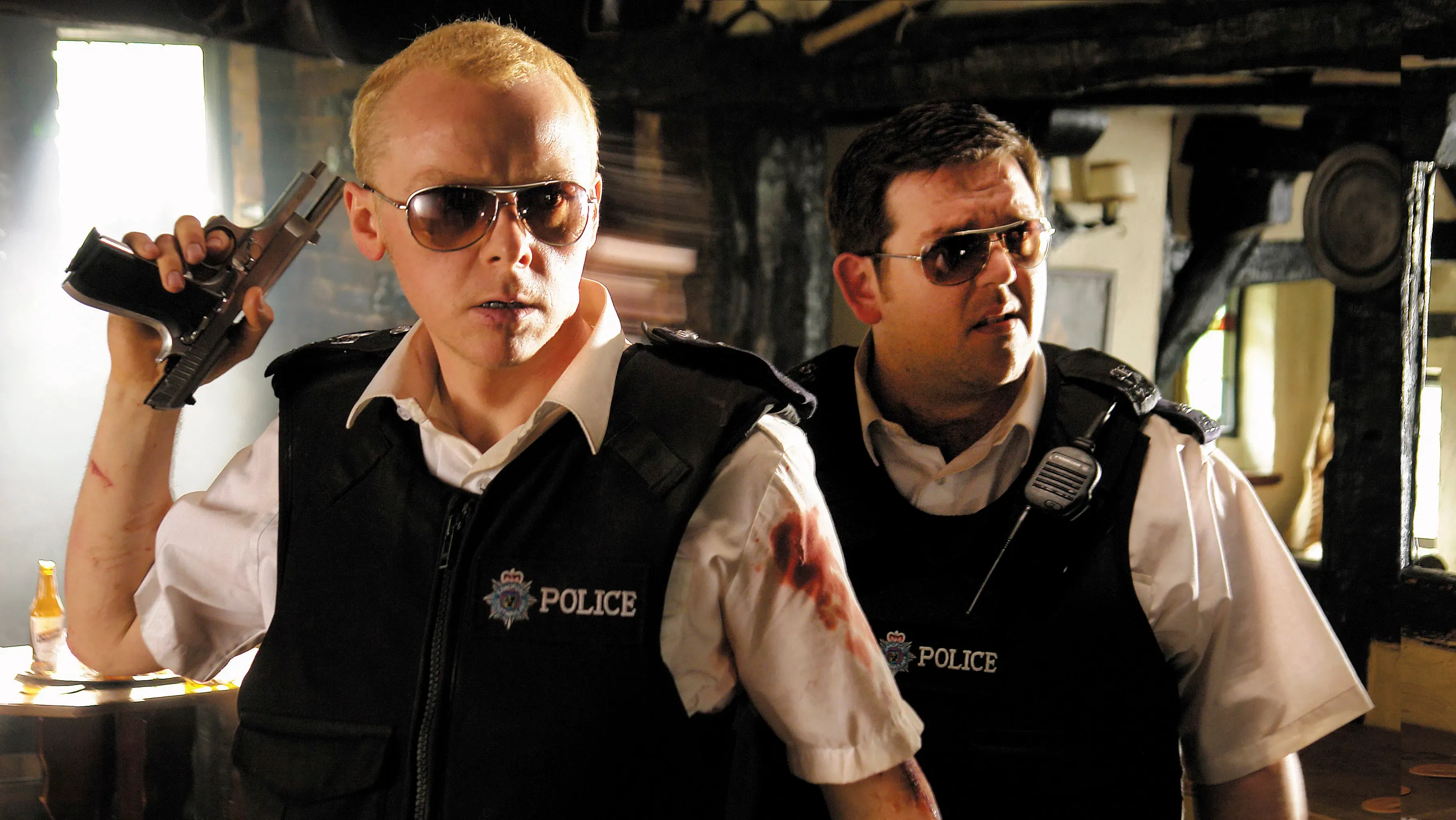 By the time Wright, Simon Pegg and Nick Frost reunited for their second outing, they had a bigger budget, broader ambition and an even sharper creative scalpel. Hot Fuzz is not merely a parody of bombastic Michael Bay-style action; it is a meticulously engineered mystery that just happens to be laugh-out-loud funny. The screenplay operates like clockwork. Almost every line of dialogue in the first act, no matter how incidental it appears, plants a seed that blossoms in the third. Throwaway gags become narrative lynchpins. From the “great big bushy beard” to the escaped swan, the film’s efficiency is staggering. Nothing is wasted. Every joke works twice.
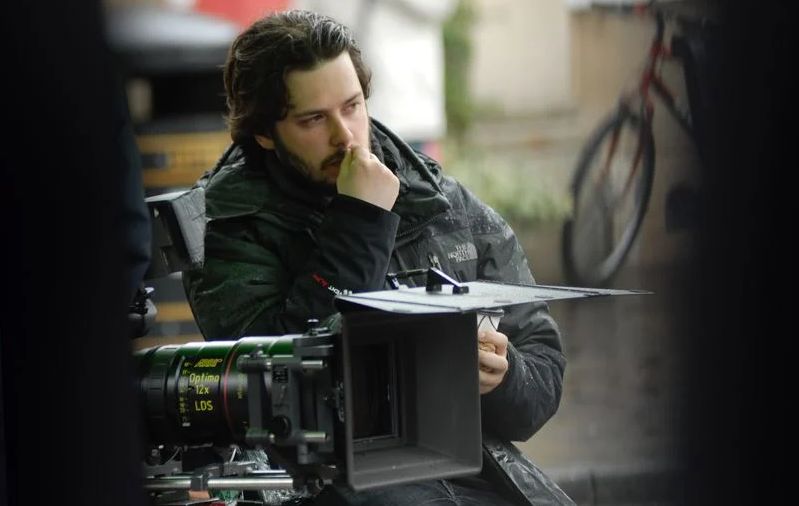 The editing elevates that precision even further. Wright’s signature rapid-fire cutting transforms mundane tasks into adrenaline-fuelled spectacle. A simple montage of Nicholas Angel completing paperwork is edited with the intensity of a car chase. Doors slam like gunshots. Pens click with menace. Filing cabinets become weapons of bureaucratic warfare. Through rhythm and pace alone, a sleepy Somerset village is granted the pulse of a high-stakes thriller. It is filmmaking bravura on display, confident and controlled.
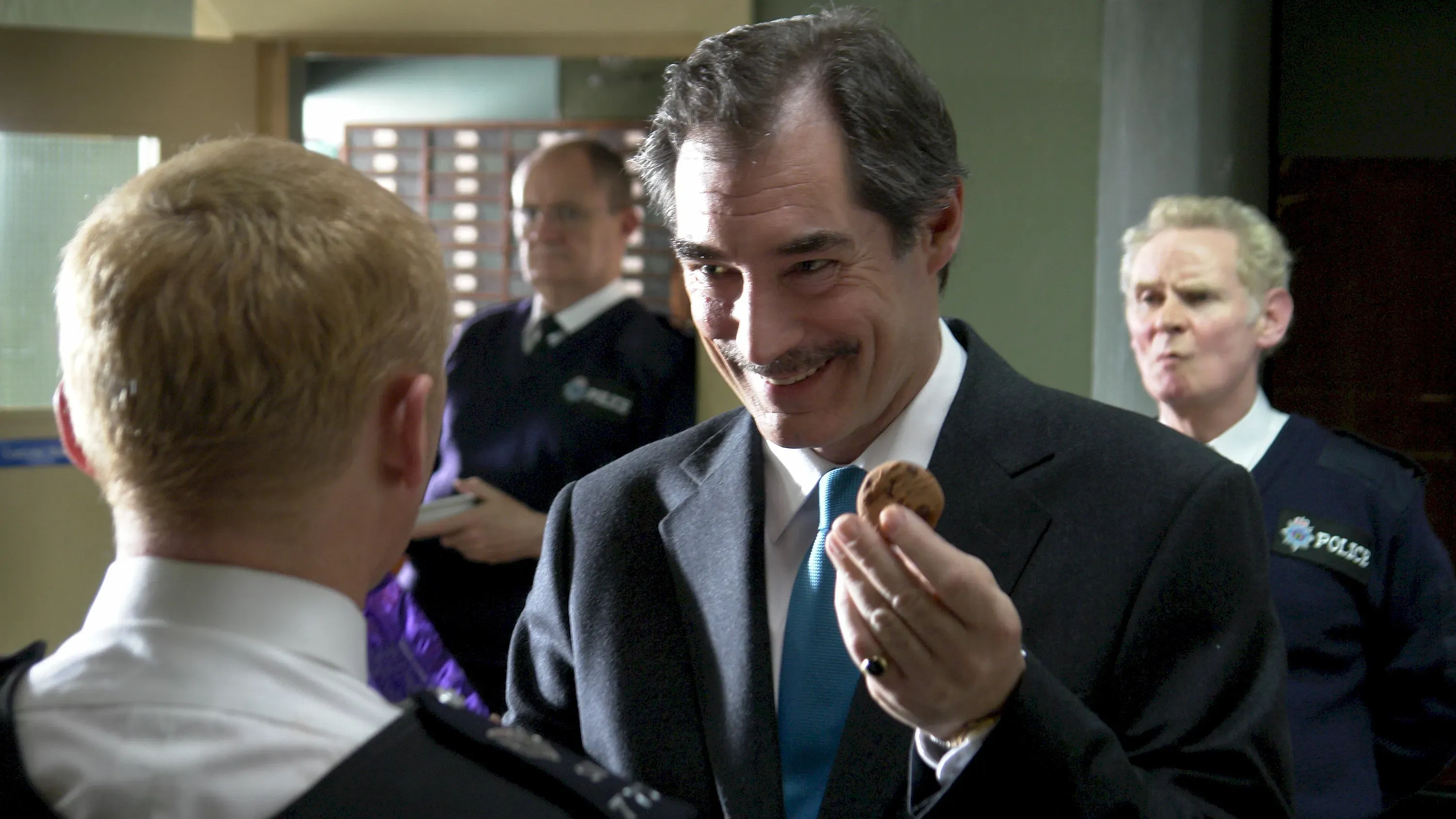 Then there is the ensemble. While Shaun thrives on the intimacy of its core friendships, Hot Fuzz expands its canvas with a legendary supporting cast. Olivia Colman, Bill Nighy, Timothy Dalton and Jim Broadbent lean gleefully into heightened caricature, often playing against type. Dalton in particular relishes his role with theatrical swagger, chewing scenery with knowing delight. The result is a film that feels densely populated, layered and endlessly rewarding on repeat viewings. Each rewatch reveals another planted clue, another visual gag hiding in plain sight.
If Hot Fuzz is a masterpiece of precision, however, Shaun of the Dead is a masterpiece of resonance. It did not just parody the zombie genre; it redefined it for British audiences and captured the drifting, slacker malaise of early-2000s adulthood. Shaun was not a super-cop. He was not particularly brave or capable. He was a man who could not navigate his own breakup, let alone a zombie apocalypse. That was precisely the point.
When Shaun declares the plan to “go to the Winchester, have a nice cold pint, and wait for all this to blow over,” it lands not merely as a punchline but as a generational mantra. It distilled a feeling of postponement, of putting off responsibility and hoping life might sort itself out. In a post-university haze of uncertain careers and stalled relationships, Shaun felt recognisable. His heroism was accidental and reluctant. He stumbled into growth rather than charging toward it.
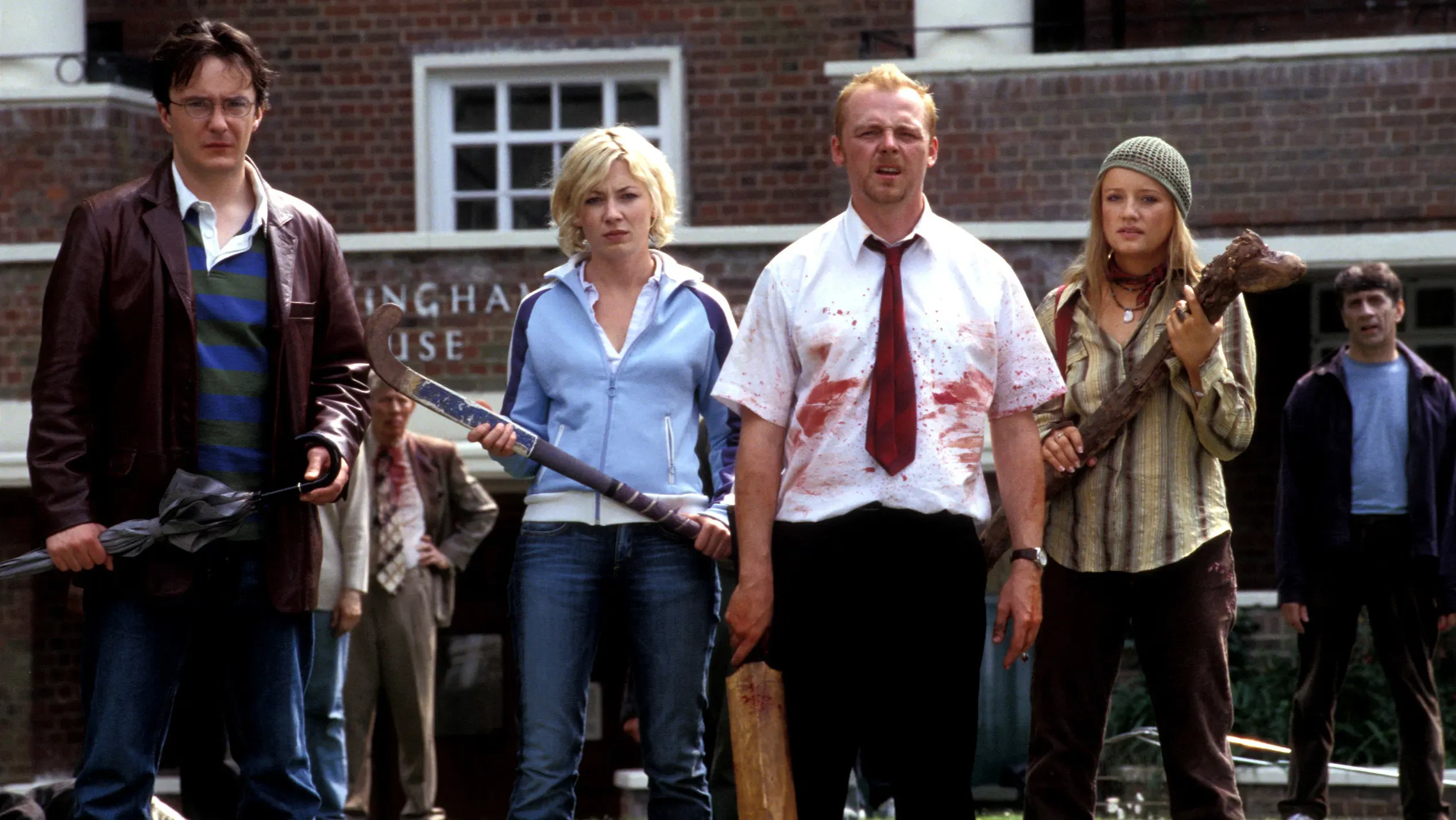 What made Shaun of the Dead even more remarkable was its tonal balancing act. It achieved something close to impossible. It was genuinely scary, sincerely romantic and consistently hilarious, often within the same sequence. The now-iconic scene in which the group beats a zombie in time to Queen’s “Don’t Stop Me Now” is more than a comic high point. It is a foundational memory for 2000s cinema audiences. It felt inventive, playful and rooted in genuine affection for the genre it was skewering. The film was clearly made by fans, for fans.
Where Hot Fuzz impresses through construction, Shaun endures through emotion. Its relationships feel fragile and human. Its jokes feel lived-in rather than engineered. Even as the undead roam suburban London, the film remains grounded in friendship, regret and the painful transition into adulthood. The apocalypse becomes metaphor as much as spectacle.
The distinction between the two films is subtle but vital. Hot Fuzz is the film you show someone to prove that Edgar Wright is a technical genius. It is dense, intricately plotted and endlessly rewatchable, a feat of cinematic engineering that rewards close attention. Every frame feels considered. Every callback lands with precision.
But Shaun of the Dead is the film you carry with you. It is the comfort food of the trilogy. It is the one that defined late nights, shared quotes and a certain era of British pop culture. It proved that you could confront growing up, even when the world was quite literally ending around you.
In the end, the pub debate continues because both films win on their own terms. One is a flawless machine. The other is cultural DNA. And depending on the night, and perhaps the pint in your hand, either might feel like the true champion.
Simon Jouny
Author