How Content Overload Broke TV and How Recce Fixes It

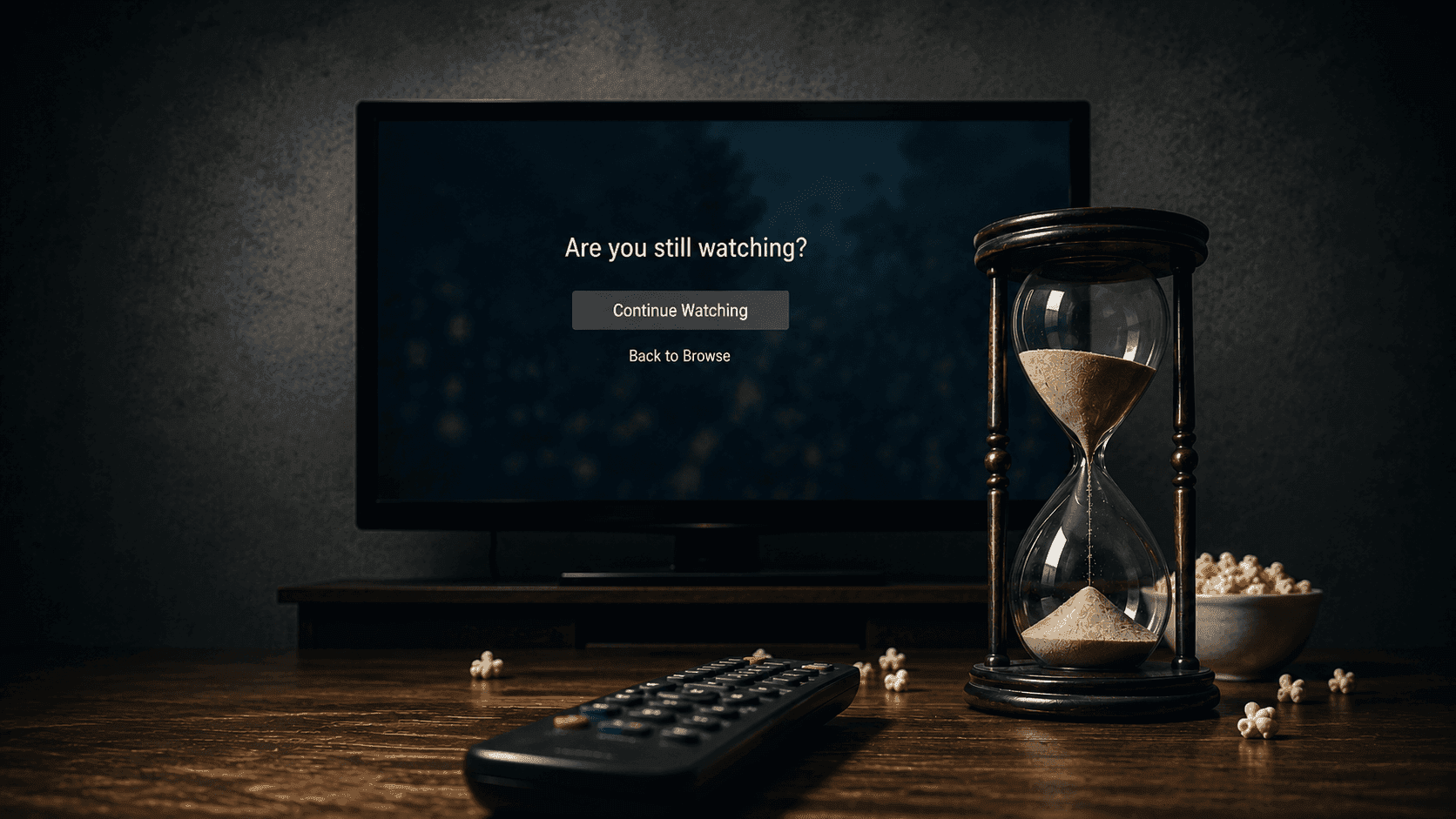
Once upon a time, the hardest decision you had to make about television was whether to stay up past 10pm. Now? You can spend half the evening scrolling, sighing, starting something, abandoning it after seven minutes, and going to bed having watched absolutely nothing. Welcome to the golden age of Content Overload.
We’ve never had so much to watch and never enjoyed choosing it less. Films, series, documentaries, clips, reboots, spin-offs, “limited events” that somehow run for eight seasons… it’s all there, everywhere, all the time. And yet research shows UK viewers now lose the equivalent of more than a full working week every year simply searching for something to watch. That’s not entertainment. That’s unpaid labour.
The cruel irony is that this was meant to be better. Choice was supposed to be freeing. Instead, it’s exhausting. Endless rails of “Recommended for You” that feel suspiciously familiar. The same franchises, the same faces, the same safe bets, served up again and again. You don’t discover so much as surrender.
The problem is the algorithm. Or rather, algorithms. They don’t know you’re tired. They don’t know you want something easy, or funny, or smart-but-not-too-smart. They know what’s new, what’s being promoted, and what keeps you glued just long enough to count as a win. They optimise for platforms, not people, which is why brilliant, surprising content so often gets lost while the loudest titles dominate the front page.
All of this takes a very real toll. Choosing becomes work. Scrolling replaces watching. People default to old favourites because at least they won’t be disappointed. And slowly, trust in recommendations evaporates. When everything is “for you”, nothing really is.
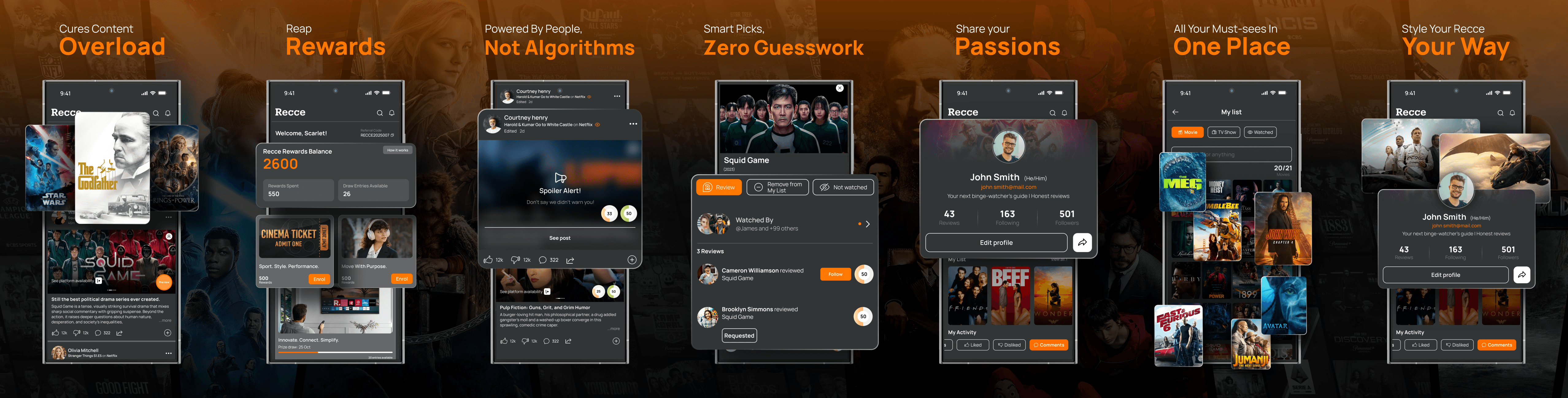 This is exactly the problem that Recce was built to solve.
Recce has a radical idea: what if discovery worked the way it always used to? Through people. People you know. People whose taste you trust. People who can say, “Watch this and here’s why.” Instead of being fed endless algorithmic guesses, Recce lets recommendations travel through real networks. A film isn’t just rated, it’s personally recommended. A series comes with context. A podcast arrives because someone thought of you, not because a machine noticed you paused on something vaguely similar three weeks ago.
The result is less scrolling and more watching. Fewer abandoned pilots. More “how did I not know about this?” moments. Discovery stops feeling like a chore and starts feeling like a conversation. In a world drowning in content, Recce doesn’t try to show you everything. It helps you find the right thing, at the right time, from the right people. Because the future of entertainment discovery isn’t louder algorithms, it’s smarter, more human recommendations.
And honestly, if you can get even half of that lost scrolling time back, that’s a series well watched.
Jim Irving
Author