Michael Moonwalks Past Oppenheimer
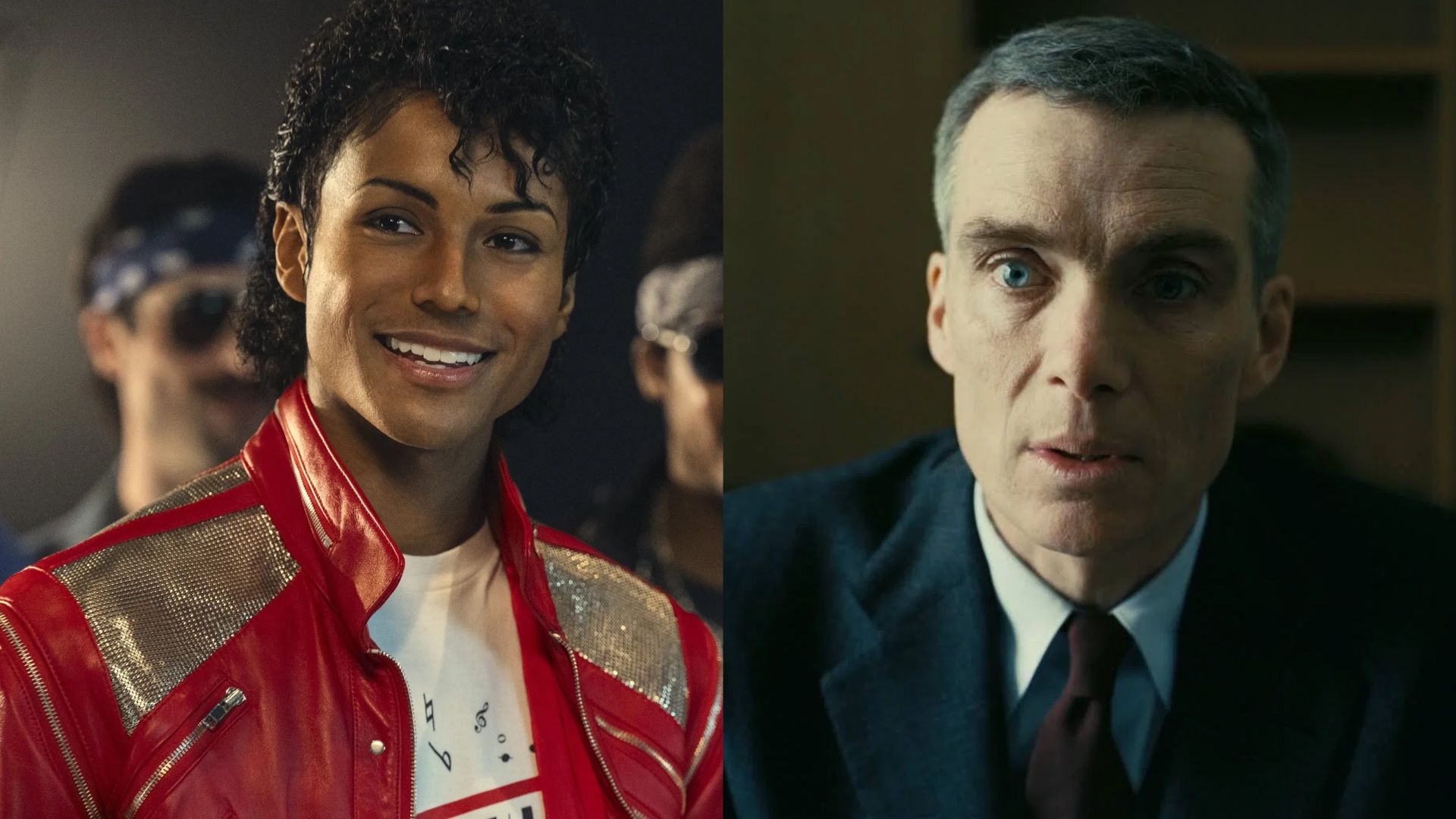
The King of Pop just beat the father of the atomic bomb.
According to BBC reporting, Michael, the recently released Michael Jackson biopic, has now taken $977m worldwide, pushing it past Christopher Nolan’s Oppenheimer to become the highest-grossing biopic of all time. That is not just a big number. It is a full-blown cultural flex.
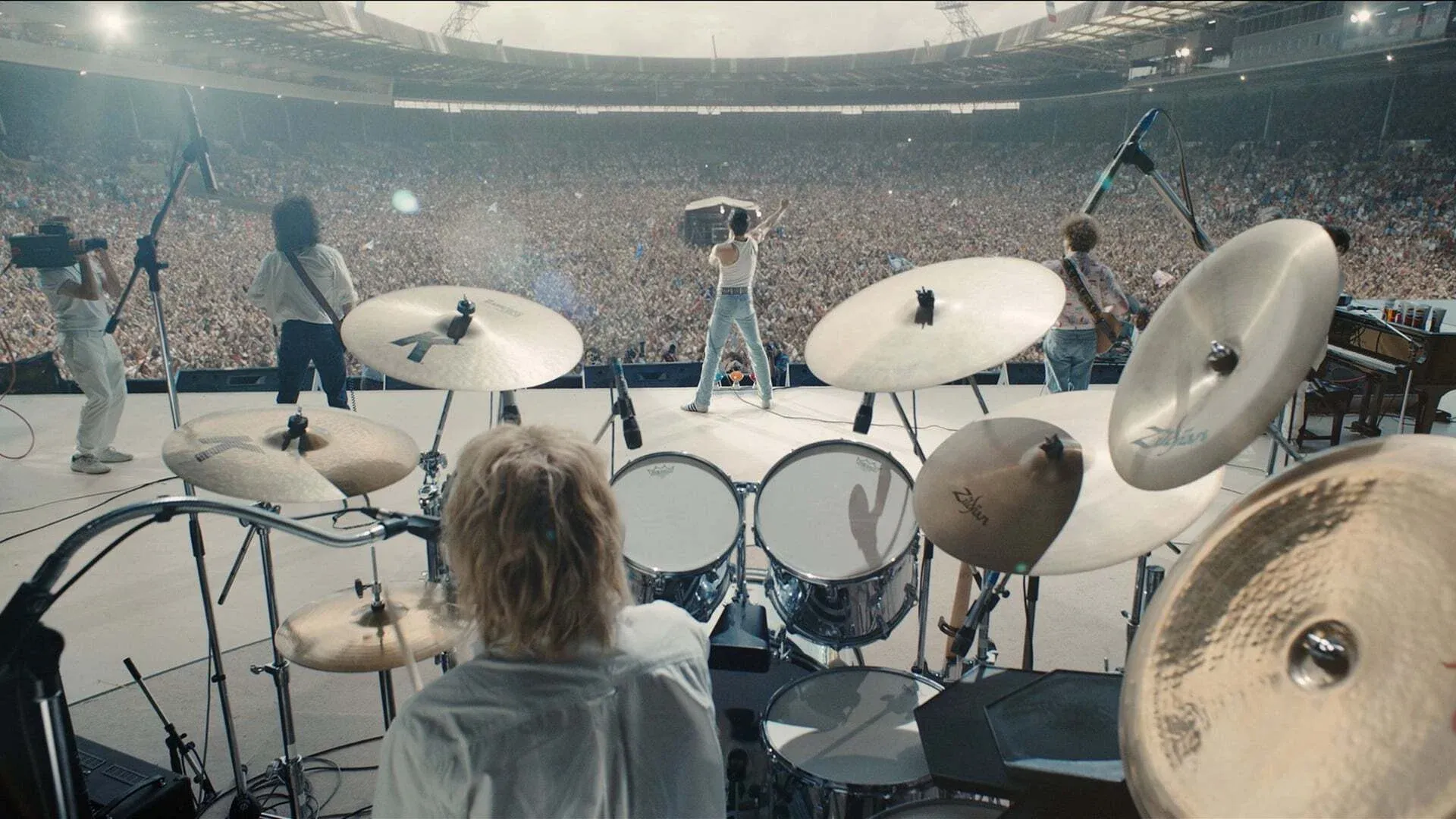 The Antoine Fuqua-directed film was already the biggest musical biopic ever, having overtaken Bohemian Rhapsody, the 2018 Queen juggernaut that turned Freddie Mercury’s story into a global box office machine. But this latest milestone moves Michael into a different league entirely. It has not just beaten the music movies. It has beaten the serious prestige behemoth. The Oscar machine. The Barbenheimer beneficiary. The film that made theoretical physics feel like a summer blockbuster.
And somehow, Michael has moonwalked straight past it.
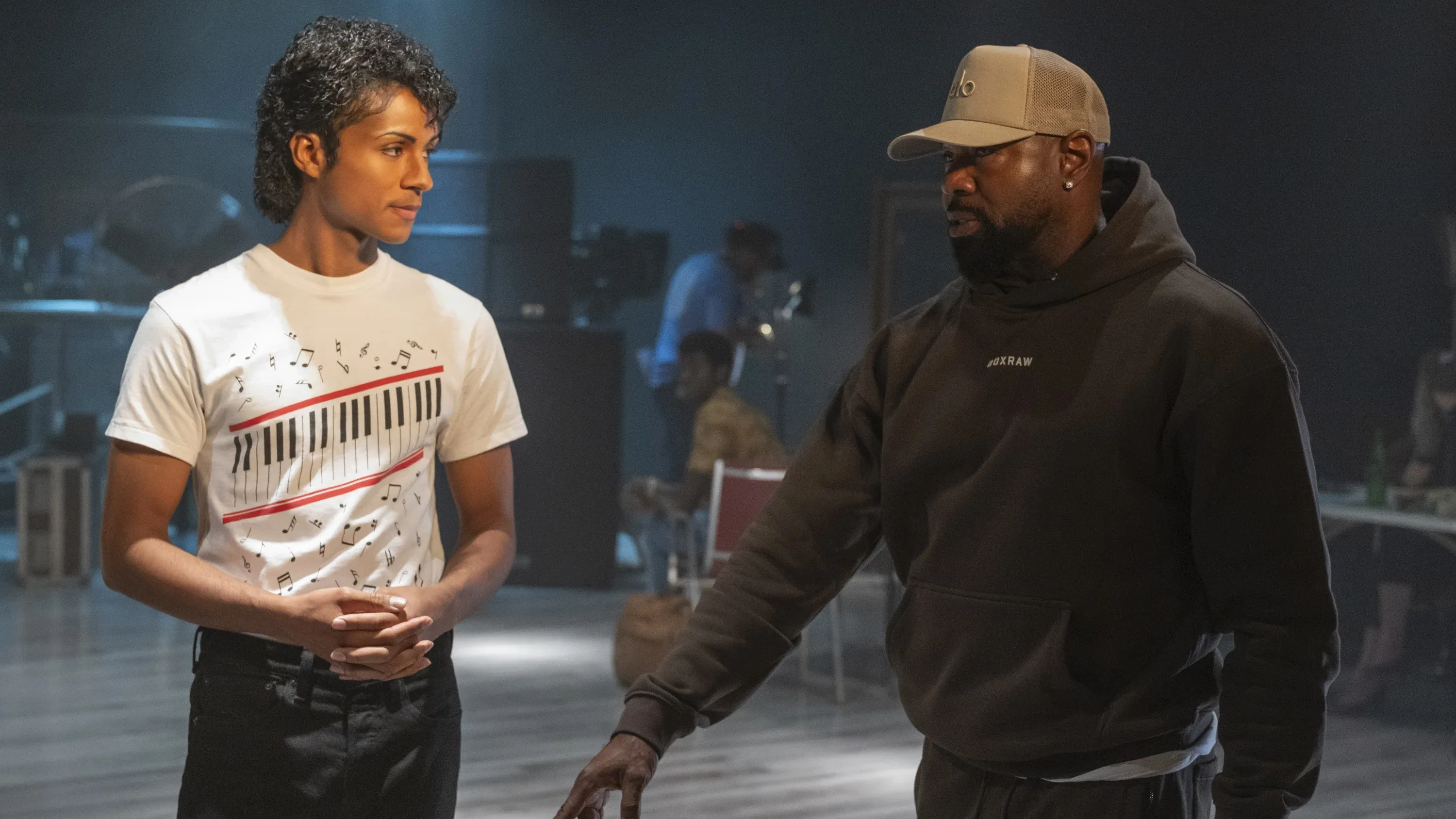 Jaafar Jackson, Michael’s real-life nephew and the son of Jermaine Jackson, plays the title role, with Colman Domingo and Nia Long portraying Joe and Katherine Jackson. The film follows Jackson from child star in the Jackson 5 to solo phenomenon, with the musical numbers powered by Jackson’s original vocals. Unsurprisingly, those recreations of the concerts, the videos and the moves have been a huge part of the appeal.
On release in April, Michael reportedly opened with $217m globally in its first week, overtaking previous music-biopic landmarks including Straight Outta Compton and Bohemian Rhapsody. It has also become Lionsgate Studios’ most successful film, ahead of The Hunger Games: Catching Fire.
But this is where things get complicated.
The film has been embraced by fans, but not by critics. The Hollywood Reporter said it “delivers for lifelong fans who cherish the music”, while The Telegraph argued that it “refuses to address the elephant in the room”. The Independent went much harder, calling it a “ghoulish, soulless cash grab”.
The central criticism is clear: many reviewers believe the film presents a sanitised version of Jackson’s life, particularly because it does not address the sexual abuse allegations against him. Reports have linked that omission to a historic NDA that led to footage being removed. For critics, that makes the film less biography and more estate-approved mythology.
For audiences, though, the verdict has been different. Review aggregator sites such as Recce show fans rating the film far more warmly than critics. Once again, the gap between critical discomfort and audience appetite is wide enough to drive a tour bus through.
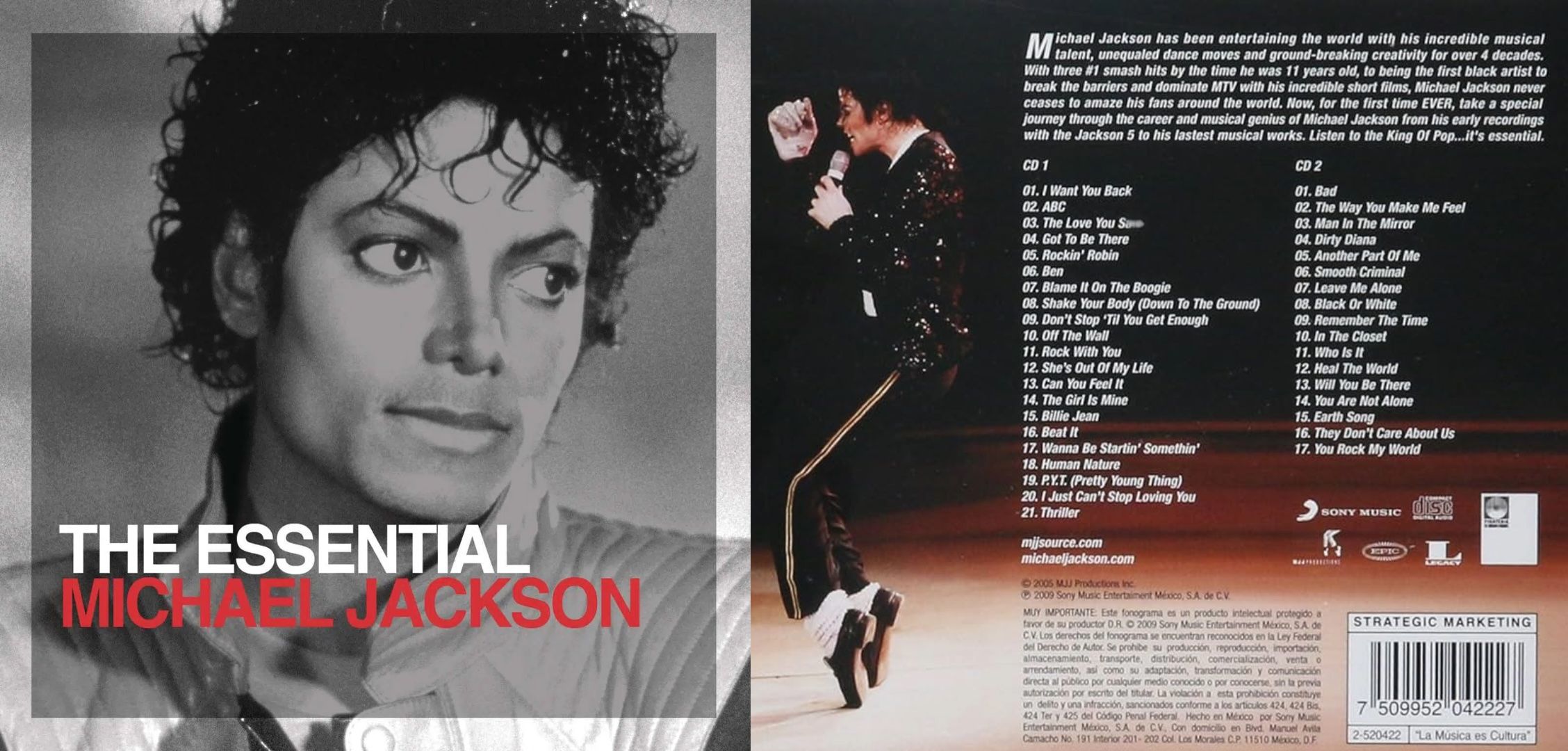 And the impact has not stopped at the cinema door. The movie has sent Jackson’s music surging again. BBC reporting says he has been the most-played artist in the UK on YouTube over the past month, with double the plays of Drake. Billie Jean has also returned to the top of global Spotify listening, while The Essential Michael Jackson has gone back to number one on the UK albums chart, holding off Irish-language rap group Kneecap.
So what does Michael really prove?
It proves that the biopic is no longer just a prestige genre. It is IP. It is catalogue marketing. It is cinema, streaming, nostalgia and fan service all moving to the same beat.
Whether that is thrilling or terrifying depends on what you want from movies. If you want spectacle, Michael is a monster hit. If you want truth, the spotlight gets a lot harsher.
Either way, the numbers are undeniable. The glove still sells.
Jim Irving
Author