Sam Neill: A Life of Quiet Brilliance on Screen
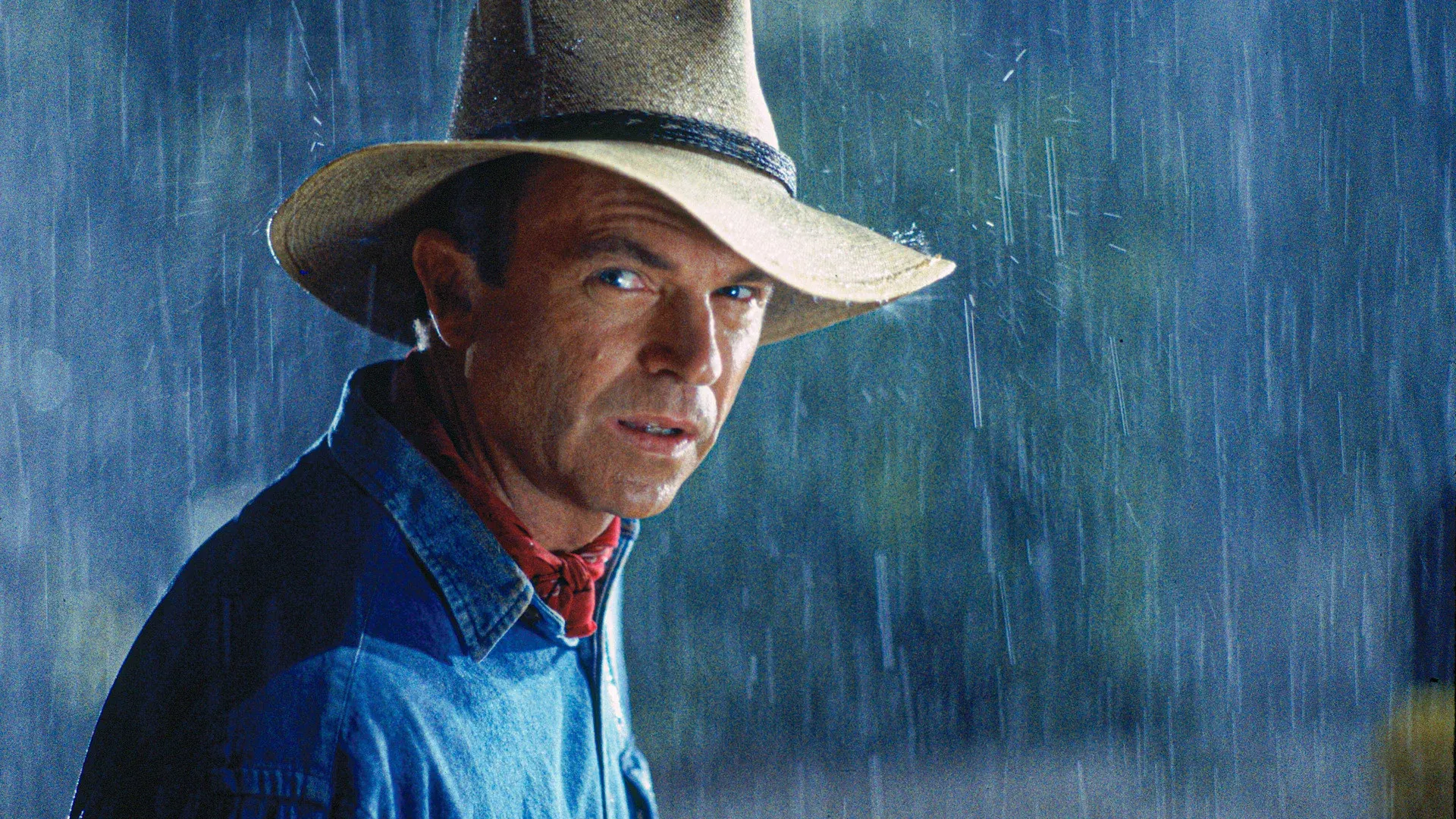
Sam Neill, the acclaimed New Zealand actor whose career stretched across more than five decades, has died at the age of 78.
For audiences around the world, he will always be remembered as Dr Alan Grant, the calm, intelligent and quietly courageous palaeontologist at the heart of Jurassic Park. Yet Neill’s career was far richer and more varied than any single role. He was an actor of extraordinary range who could move effortlessly between blockbusters, intimate dramas, psychological horror, period television and sharply observed comedy. Whatever the genre, Neill brought the same qualities to the screen: intelligence, restraint, warmth and a sense that there was always something deeper happening beneath the surface.
His family confirmed that he died in Sydney on Monday, 13th July, surrounded by those closest to him. They described his death as sudden and unexpected, while sharing that he had remained cancer-free following treatment for a rare form of blood cancer.
Born in Omagh, Northern Ireland, in 1947, Neill moved to New Zealand with his family as a child. It was there that he began the journey towards becoming one of the country’s most internationally recognised actors.
His breakthrough came in the 1977 political thriller Sleeping Dogs, one of the most important films in New Zealand cinema history. From there, Neill built a career that would take him from local productions to major international films, never losing the understated quality that made him so distinctive.
Neill did not need to dominate a scene to own it. He had a rare ability to draw the audience towards him without appearing to demand their attention. His performances often relied on the smallest of gestures: a pause, a look, a slight change in tone. He made complicated characters feel human and extraordinary situations feel believable.
When Steven Spielberg cast him as Dr Alan Grant in Jurassic Park, Neill was already in his mid-forties and had established himself as a respected international actor. The film transformed him into a global star. Grant could easily have been overshadowed by the groundbreaking dinosaurs surrounding him, but Neill gave the film its human centre. His reaction to seeing a living dinosaur for the first time remains one of cinema’s great expressions of wonder. It is not loud or exaggerated. Instead, disbelief slowly gives way to astonishment, allowing the audience to experience the moment through him.
Neill also gave Grant a wonderfully dry sense of humour and a believable emotional journey. Initially uncomfortable around children, he gradually becomes a protector to Lex and Tim, revealing a tenderness beneath the character’s guarded exterior. He returned as Grant in Jurassic Park III and again in Jurassic World Dominion, reuniting with Laura Dern as Dr Ellie Sattler. Their chemistry helped make Grant and Sattler one of the franchise’s most loved pairings.
In Possession, he delivered one of the most intense and unsettling performances of his career. In Dead Calm, he helped turn a simple maritime thriller into something unbearably tense. In Jane Campion’s The Piano, released in the same year as Jurassic Park, he played a rigid and deeply troubled husband with remarkable complexity.
He also appeared in Event Horizon, The Tudors, Peaky Blinders, Omen III: The Final Conflict and The Hunt for Red October, demonstrating an ability to be reassuring, threatening, romantic or deeply vulnerable, sometimes within the same role.
Neill was also famously considered for the role of James Bond in the 1980s, screen-testing as a possible successor to Roger Moore before Timothy Dalton was ultimately cast. It is easy to understand why. Neill possessed the intelligence, dry humour and understated authority required for the part, although his career ultimately benefited from being impossible to confine to a single character.
Away from the screen, Neill became just as loved for his wit, generosity and warmth.
During the pandemic, he shared music, stories and playful videos from his New Zealand farm, introducing followers to animals named after famous actors and performers. His pigs, chickens, cows and ducks became unlikely social media stars, while Neill offered moments of humour and comfort during an uncertain time.
In 2023, he revealed that he had been diagnosed with stage-three angioimmunoblastic T-cell lymphoma, a rare form of blood cancer. He wrote candidly about his illness in his memoir, Did I Ever Tell You This?, approaching the subject with the honesty, dignity and humour that characterised so much of his life.
Neill once said that he was not afraid of dying, although it would annoy him because he still had so much he wanted to see and experience. It was a typically Neill response: thoughtful, unsentimental, funny and quietly moving.
Sam Neill was never simply a movie star. He was something rarer: an actor whose presence made almost every film or television series better. He brought credibility to fantasy, humanity to villains and emotional depth to characters who might otherwise have remained distant. He never appeared to be chasing attention, yet audiences were always drawn to him. His passing leaves an enormous gap in cinema, but also an extraordinary body of work.
Sam Neill made us believe in dinosaurs, submarines, haunted spaceships and damaged people. More importantly, he made us care about them.
Sam Neill’s Five Biggest Performances
Dr Alan Grant, Jurassic Park
1993, Director: Steven Spielberg
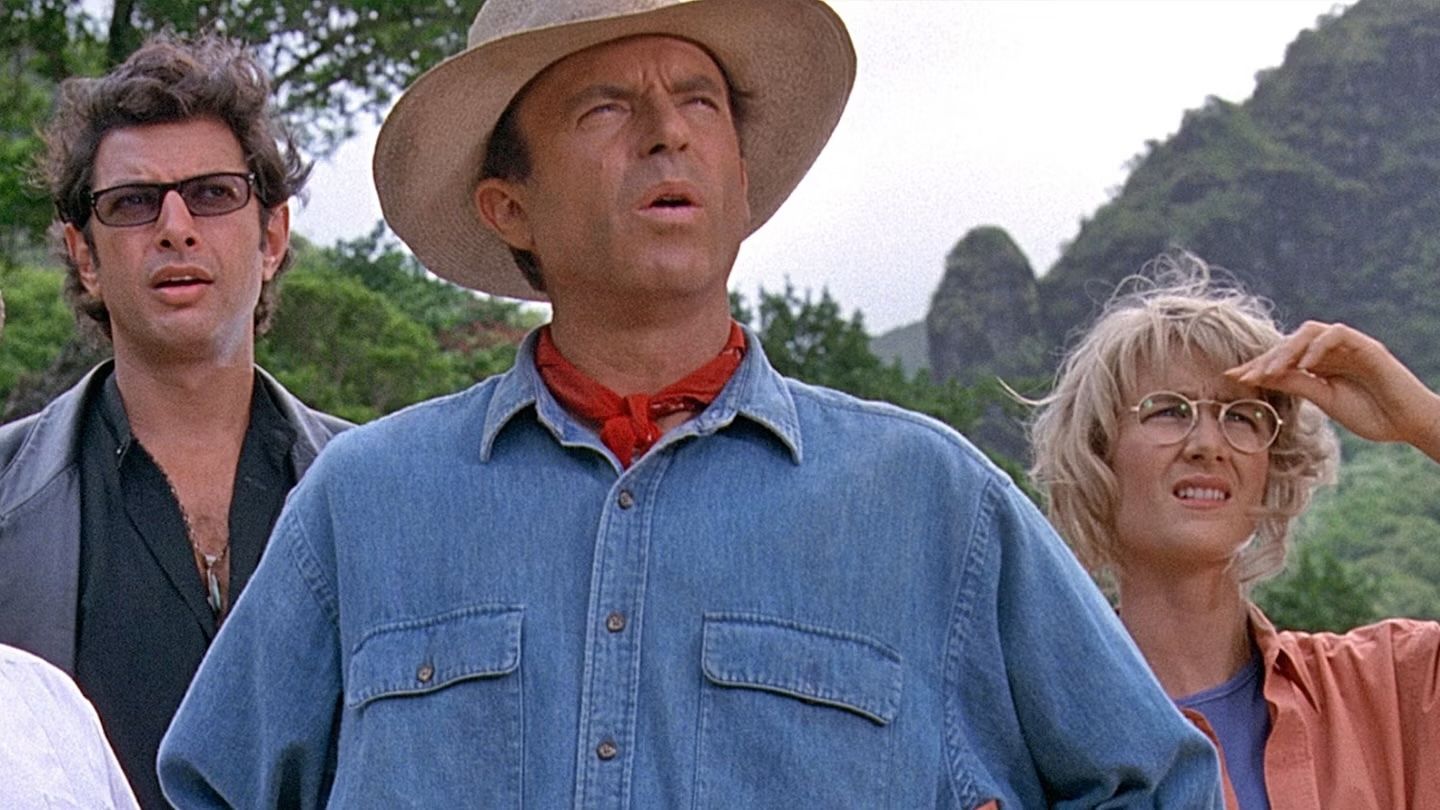 The role that made Sam Neill a global star remains his most iconic performance. As palaeontologist Dr Alan Grant, Neill brings intelligence, humour and quiet authority to a film filled with unprecedented spectacle.
Grant begins the story as a man far more comfortable with fossils than children, but his relationship with Lex and Tim gradually reveals the warmth beneath his guarded exterior. Neill’s performance gives the film its emotional foundation and ensures that the dinosaurs never overwhelm the human story.
His first reaction to seeing a living Brachiosaurus remains one of the most memorable moments in blockbuster cinema.
Mark, Possession
1981, Director: Andrzej Żuławski
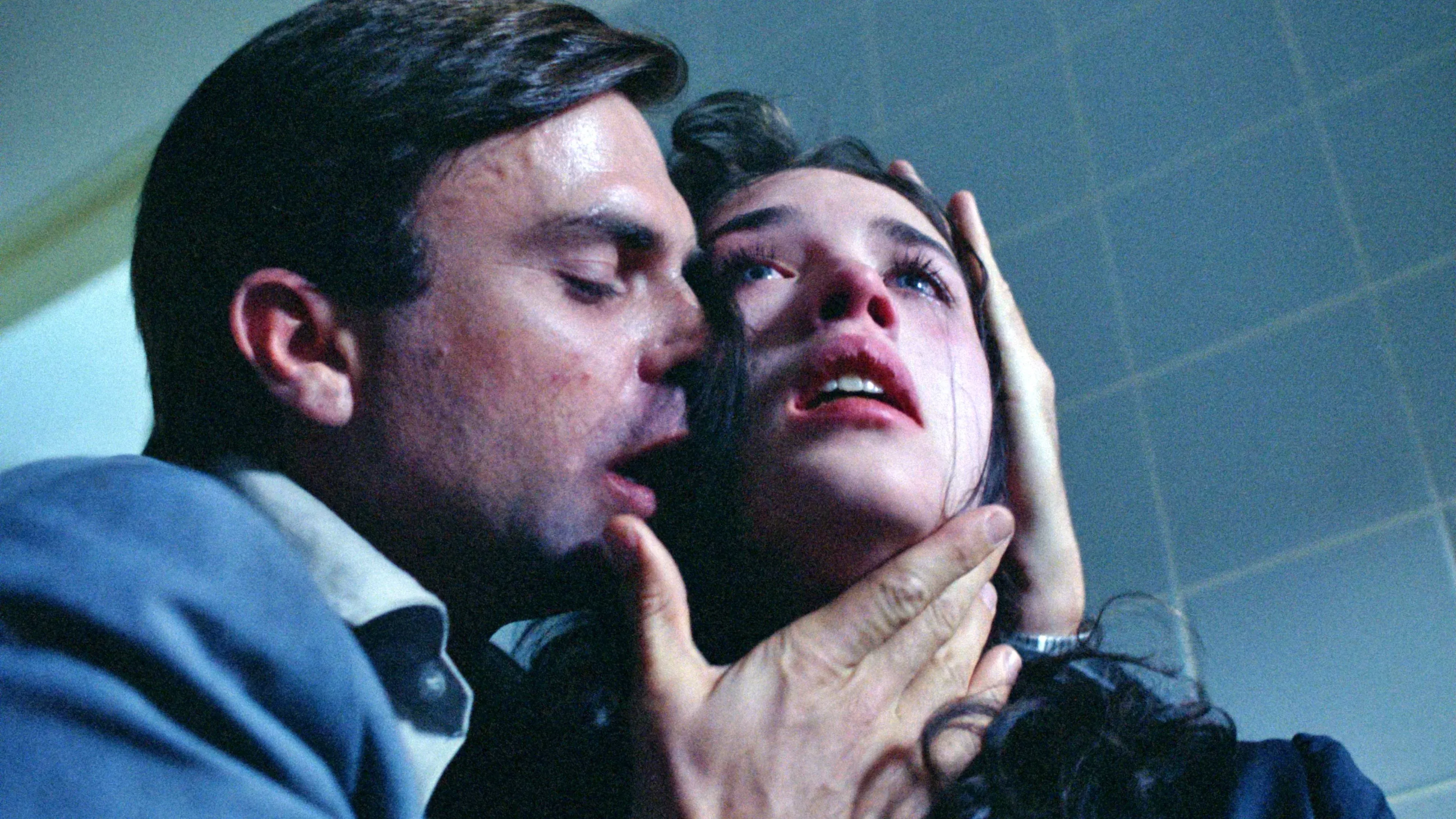 Andrzej Żuławski’s Possession demanded an extraordinary level of emotional commitment from its actors, and Neill delivered one of the most fearless performances of his career.
As Mark, a man returning home to discover that his marriage is collapsing, Neill moves through jealousy, anger, confusion and psychological terror. The film becomes increasingly surreal, but his emotional intensity keeps it grounded.
It remains one of the clearest demonstrations of Neill’s willingness to take risks and venture into deeply uncomfortable territory.
John Ingram, Dead Calm
1989, Director: Phillip Noyce
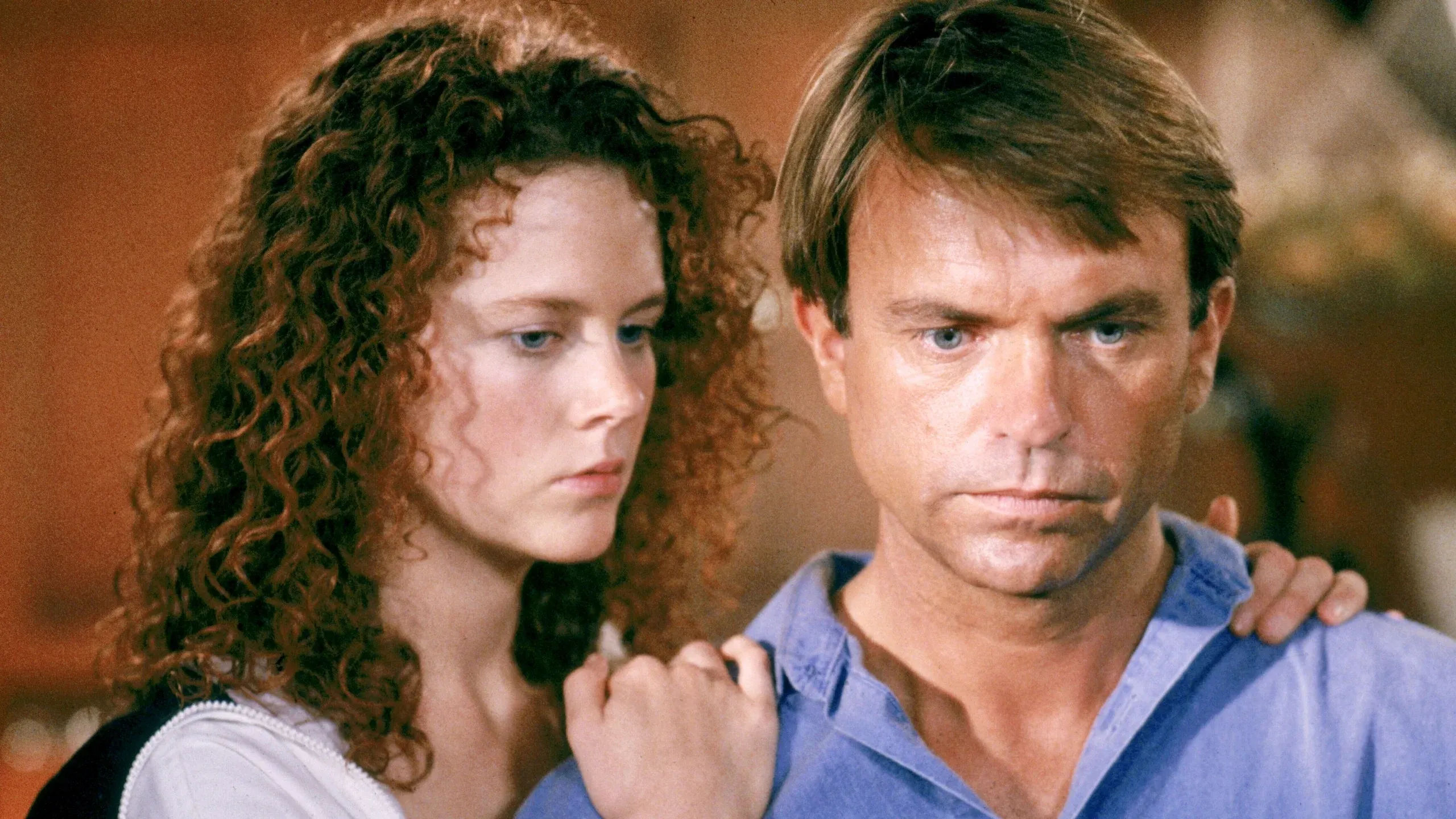 In this gripping psychological thriller, Neill stars alongside Nicole Kidman and Billy Zane as John Ingram, a naval officer whose yacht is hijacked by a dangerous stranger.
Separated from his wife and stranded at sea, John must use his intelligence and physical endurance to find a way back to her. Much of Neill’s performance is restrained and solitary, but he communicates urgency and desperation without ever overplaying the situation.
His calm presence makes the mounting tension even more effective.
Alisdair Stewart, The Piano
1993, Director: Jane Campion
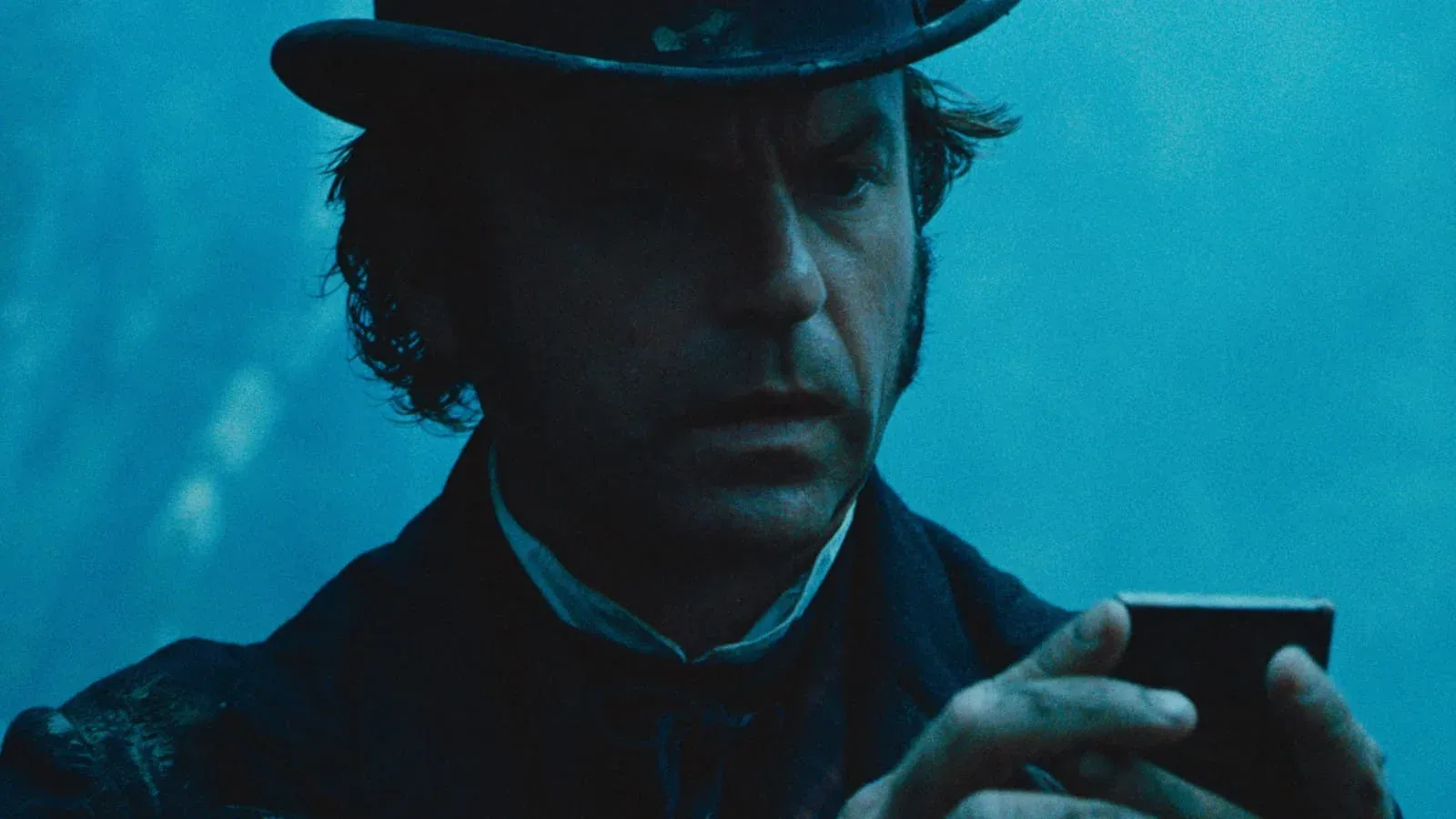 Released in the same year as Jurassic Park, Jane Campion’s The Piano showcased a very different side of Neill.
As Alisdair Stewart, he plays a landowner whose arranged marriage to Holly Hunter’s Ada gradually descends into jealousy, frustration and cruelty. Neill refuses to present Alisdair as a simple villain. Instead, he reveals a lonely, emotionally limited man unable to understand or control the world around him.
It is a difficult and deeply uncomfortable performance, but also one of his most layered.
Captain Vasily Borodin, The Hunt for Red October
1990, Director: John McTiernan
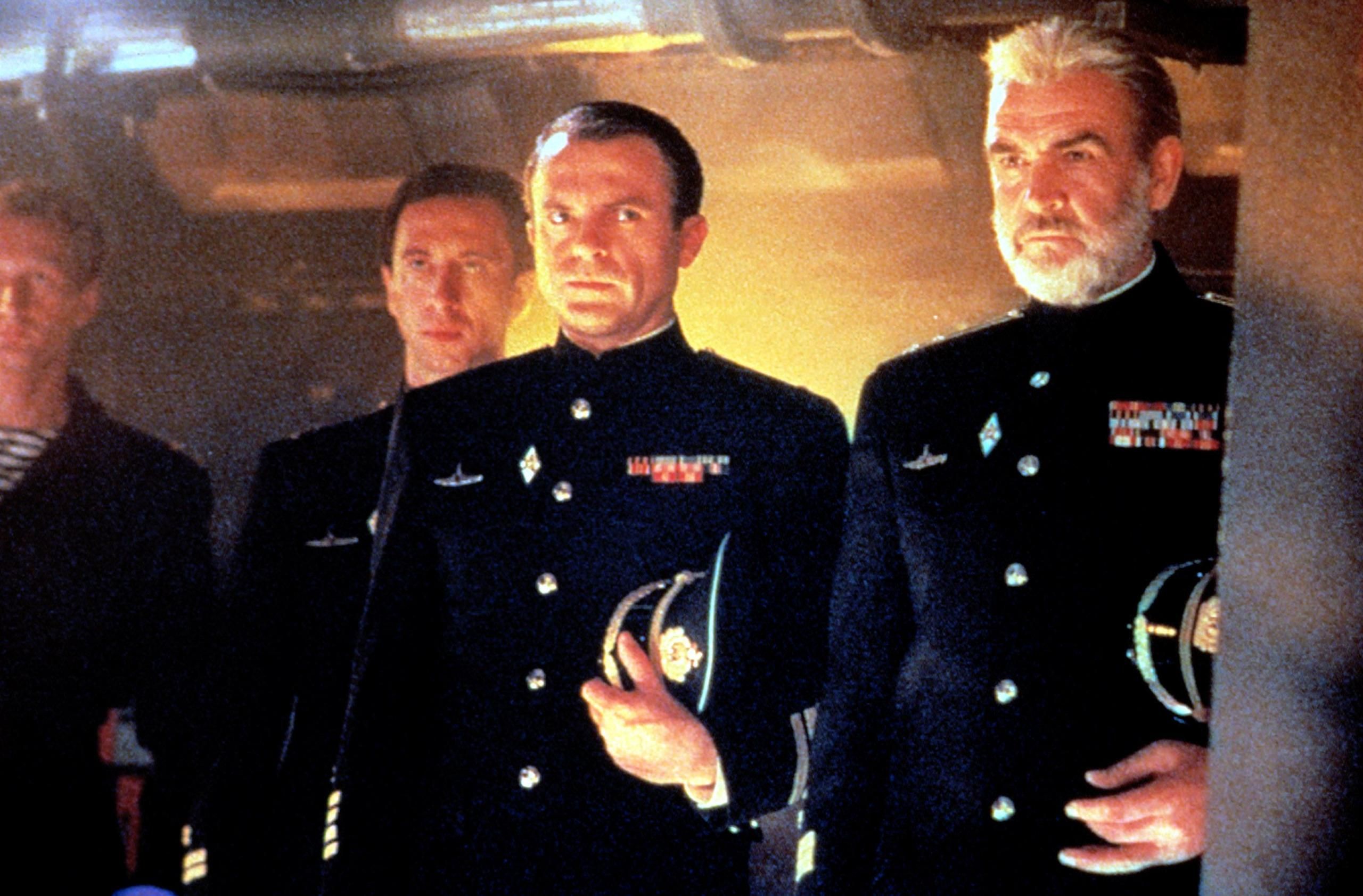 Neill brought warmth and humanity to one of the greatest Cold War thrillers ever made.
As Captain Vasily Borodin, second-in-command aboard the Soviet submarine Red October, he provides a gentle contrast to the tension and military manoeuvring surrounding him. Alongside Sean Connery’s Captain Marko Ramius, Borodin dreams of beginning a new life in America.
Neill plays those hopes with beautiful understatement. His quiet enthusiasm about the future makes the character immediately likeable and ensures that his fate becomes one of the film’s most affecting moments.
Jim Irving
Author