Spielberg & Williams: Still Making Movie Magic
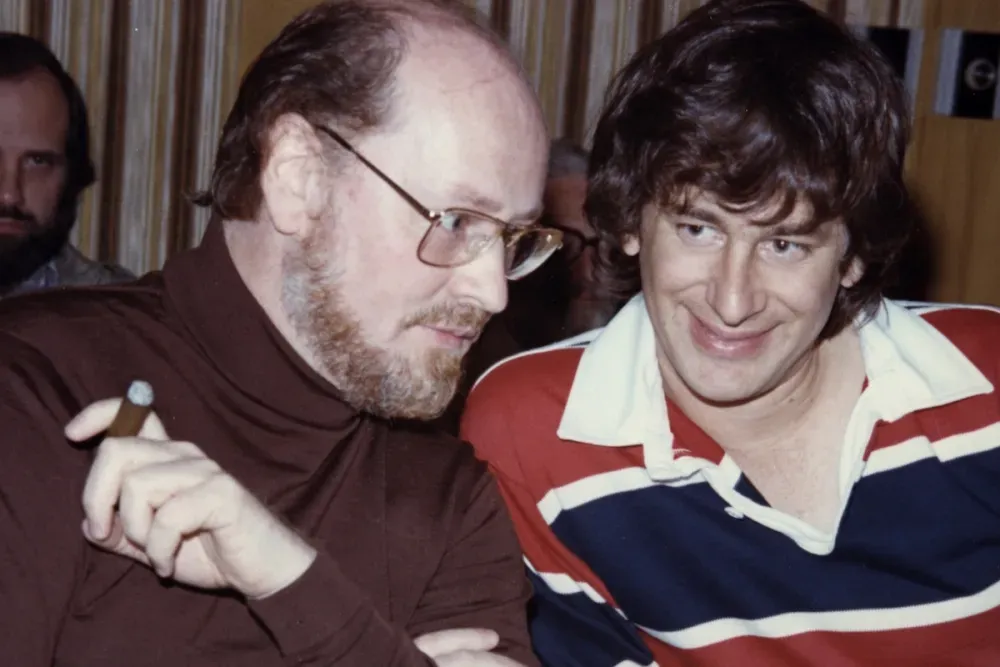
Some creative partnerships define a genre. A rare few define cinema itself.
Steven Spielberg and John Williams belong in that second category. For more than half a century, their collaboration has given audiences some of the most recognisable, emotional and spine-tingling moments in movie history. The two-note terror of Jaws. The five-note wonder of Close Encounters of the Third Kind. The heroic rush of Indiana Jones. The awe, danger, innocence and adventure of Spielberg’s films have so often arrived wrapped in Williams’ music.
Now, with Disclosure Day, the pair have reached an astonishing milestone: their 30th film together. Their first was The Sugarland Express in 1974. Fifty-two years later, Williams, now 94, has returned to score what could possibly be his final work for cinema.
No one is officially calling it that. Spielberg has already said he has spoken to Williams about doing their 31st film together. But there is no escaping the weight of this moment. Williams previously hinted that The Fabelmans might be his farewell to movie scoring, and when Spielberg approached him for Disclosure Day, the composer even suggested four other names who could take his place. Spielberg, clearly, was having none of it.
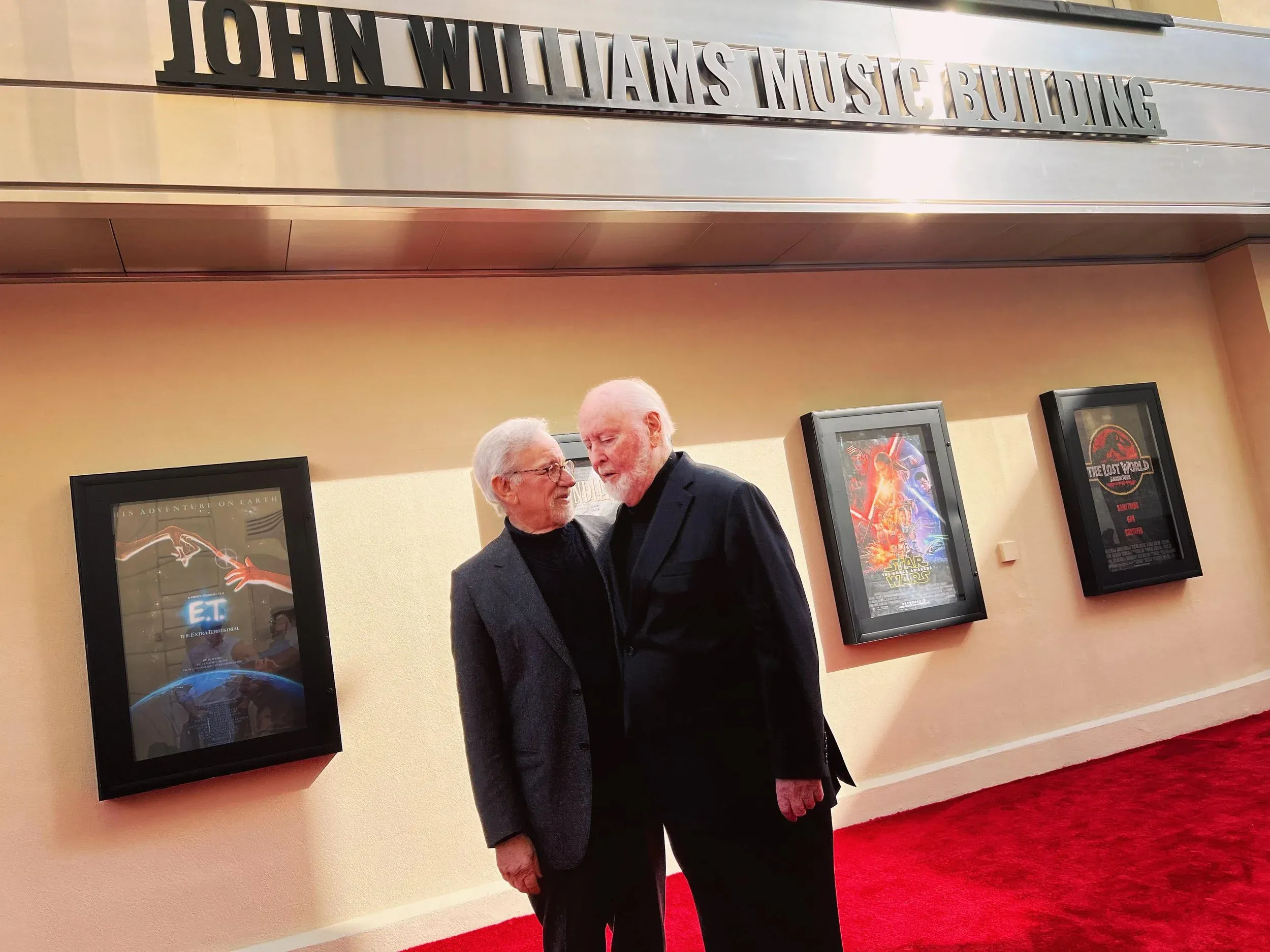 Instead, he made the process work around Williams. Rather than the usual intense week or two of recording sessions, Disclosure Day was built slowly and carefully across seven sessions over six months. Williams began writing last summer, with the first recording date taking place at Sony’s newly renamed John Williams Music Building on September 11, 2025. The orchestra was huge: 96 players, two harps, piano, celeste, synthesizer and, for one especially dark cue, four bassoons. Later, a 30-voice female choir joined the orchestra, recording live in the same room rather than separately, just as Williams prefers.
That detail matters. At 94, facing reported health challenges, Williams was still obsessing over the human feel of the music: rhythm, nuance, breath, timing. Those in the room described him as gracious, focused and full of energy. Spielberg sat nearby, watching the film on a small screen with Williams and music editor Ramiro Belgardt, while the footage remained hidden from the wider room.
And the score itself? Not the obvious thunder you might expect from the man who helped invent modern blockbuster music. Spielberg has described it as perhaps the most restrained score Williams has ever written for one of their films. It sits slightly behind the movie, pushing it forward without overwhelming it. Until, of course, it chooses not to.
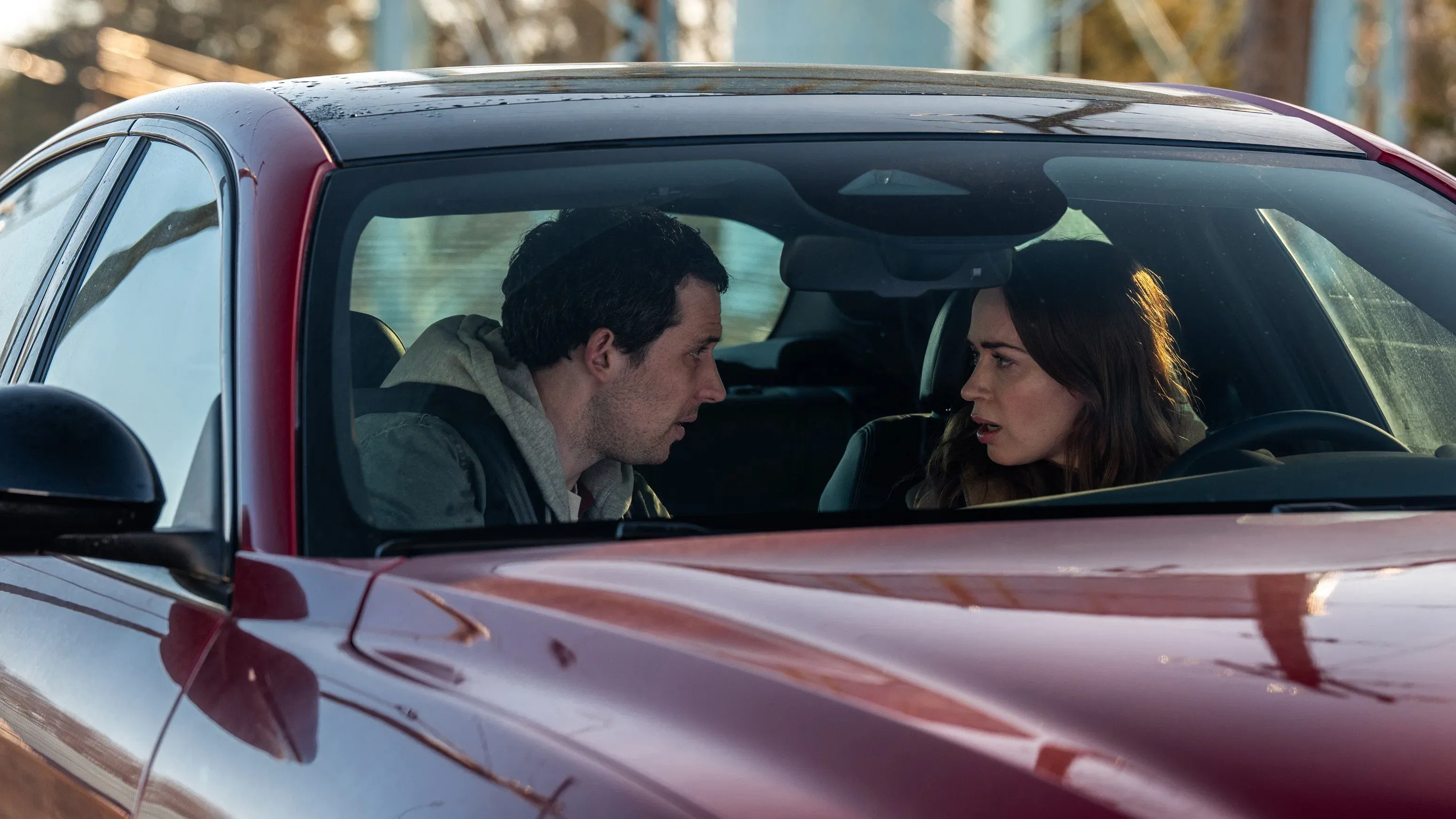 That restraint feels fitting. Disclosure Day is not just another Spielberg spectacle. It is a film about secrecy, fear, pursuit and revelation. Williams answers that not with bombast, but with control. Eerie strings hint back to Close Encounters. Americana shades the film’s middle America setting. Darker passages follow the forces trying to suppress the truth. Faster cues drive Margaret and Daniel as they run.
At the final session, cake and champagne were served. Spielberg reportedly said: “This is our 30th movie together, and we’re still in love.” Williams replied: “Steven’s a man you can’t say no to.”
Cinema should be grateful for that. Because whether Disclosure Day is the end of this extraordinary partnership or simply another chapter, Spielberg and Williams have reminded us of something beautiful: movie magic is not just made by scale, noise or spectacle. Sometimes, it is made by two masters who still know exactly how to listen to each other.
Jim Irving
Author