The NFL Was Made for the Movies
American football may be the most cinematic sport ever invented.
Huge stadiums. Ridiculous shoulder pads. Coaches screaming at people from three inches away. Slow-motion collisions. Last-second victories. Owners behaving like Bond villains. And approximately 400 people standing on the sidelines apparently employed solely to wear headsets.
So with Nicolas Cage pulling on the headset as John Madden, it seems a good moment to celebrate the movies that discovered long ago that the NFL and Hollywood were practically designed for each other.
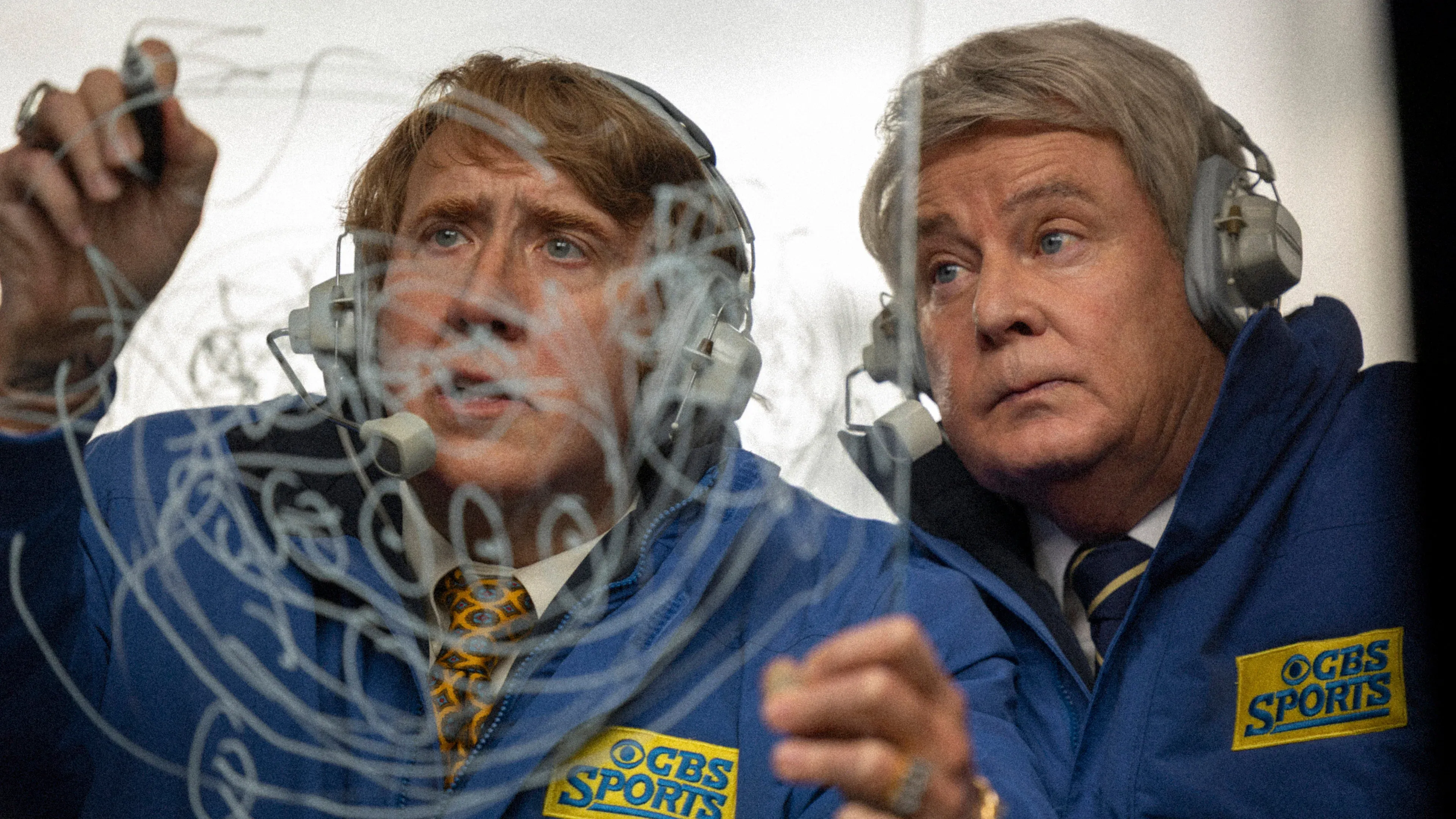 Madden arrives on Prime Video on 18 November, with Cage playing the legendary Raiders coach opposite Christian Bale as owner Al Davis. The film follows Madden from his Super Bowl-winning years in Oakland through broadcasting and eventually into the video-game empire that made his name familiar even to millions of people who had never watched him coach.
But Madden is joining a surprisingly strong squad.
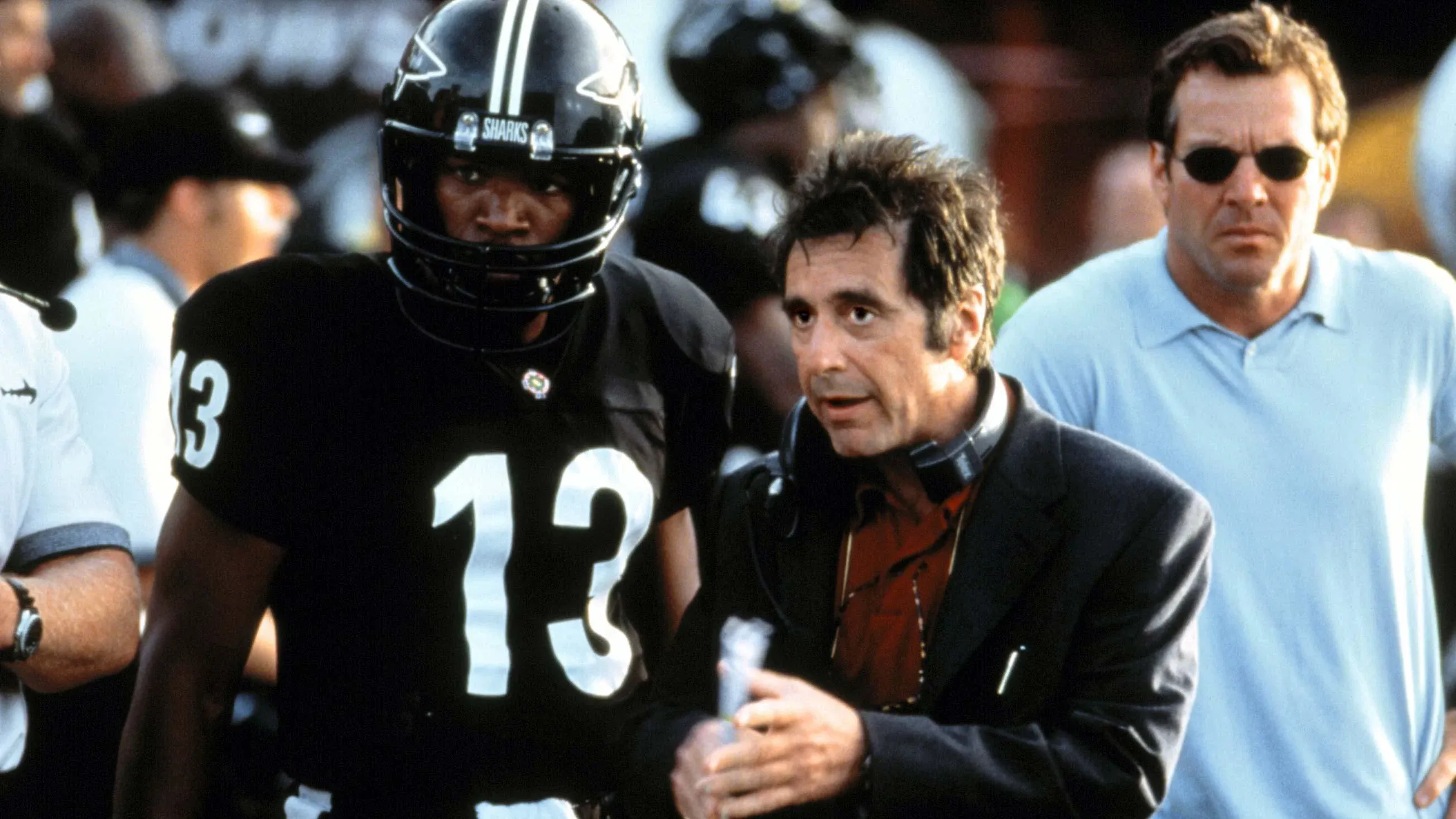 Any Given Sunday remains perhaps the ultimate Hollywood version of professional football. Oliver Stone throws Al Pacino, Jamie Foxx, Cameron Diaz and Dennis Quaid into a fictional franchise where almost everybody is either furious, injured or both. Pacino’s famous locker-room speech is so good that real sports teams have probably played it before matches ever since. The actual football is almost secondary. This is a film about ego, ageing, money and what happens when enormously competitive people realise somebody younger is coming for their job.
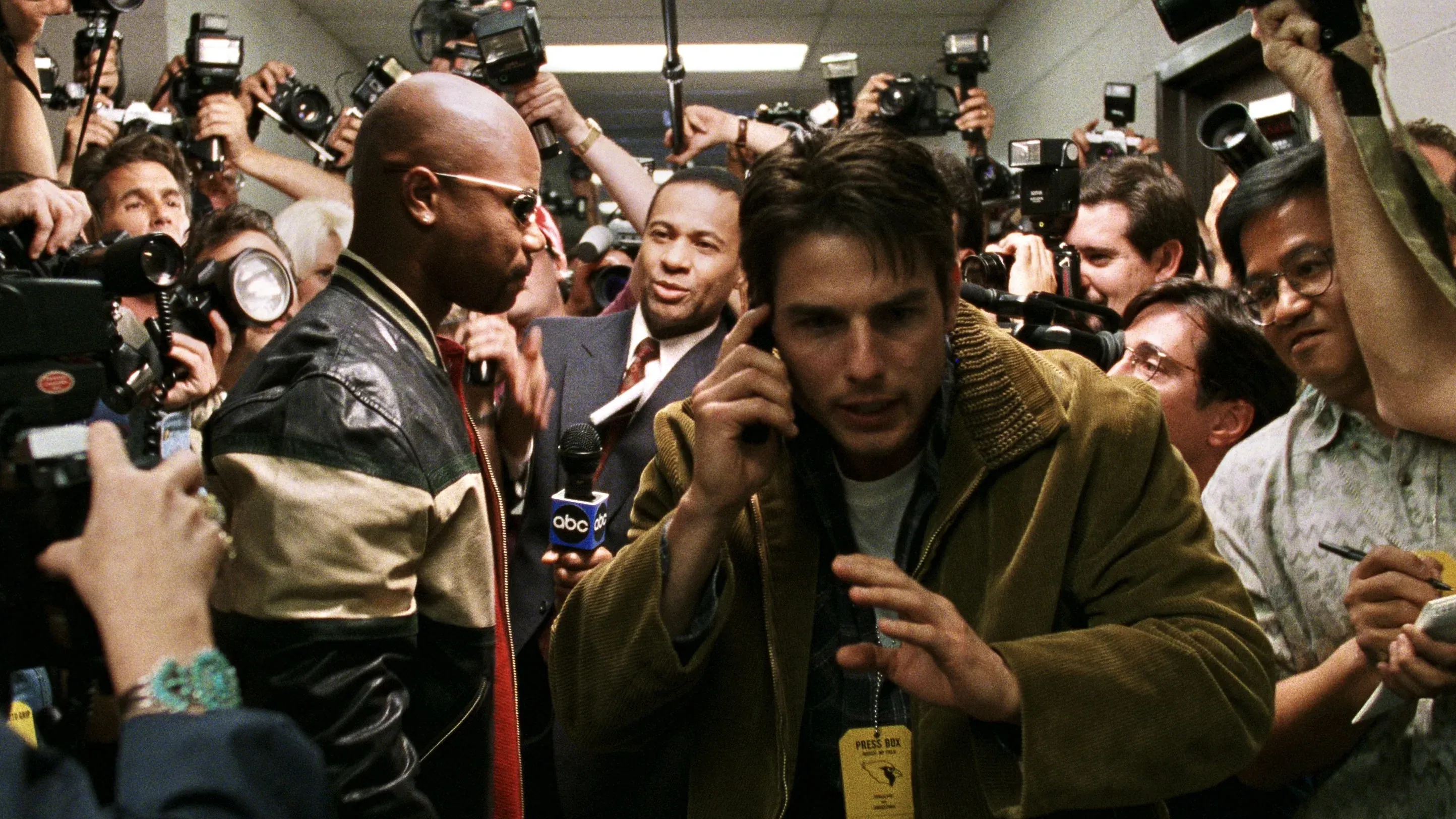 Then there is Jerry Maguire, which somehow turned an NFL contract negotiation into one of the great romantic comedies. Cuba Gooding Jr.’s Rod Tidwell gave us “Show me the money!”, while Tom Cruise spends much of the film discovering that representing one difficult wide receiver may be more useful to his soul than having an entire agency full of clients. Few sports films have understood better that the business surrounding the game can be every bit as dramatic as the game itself.
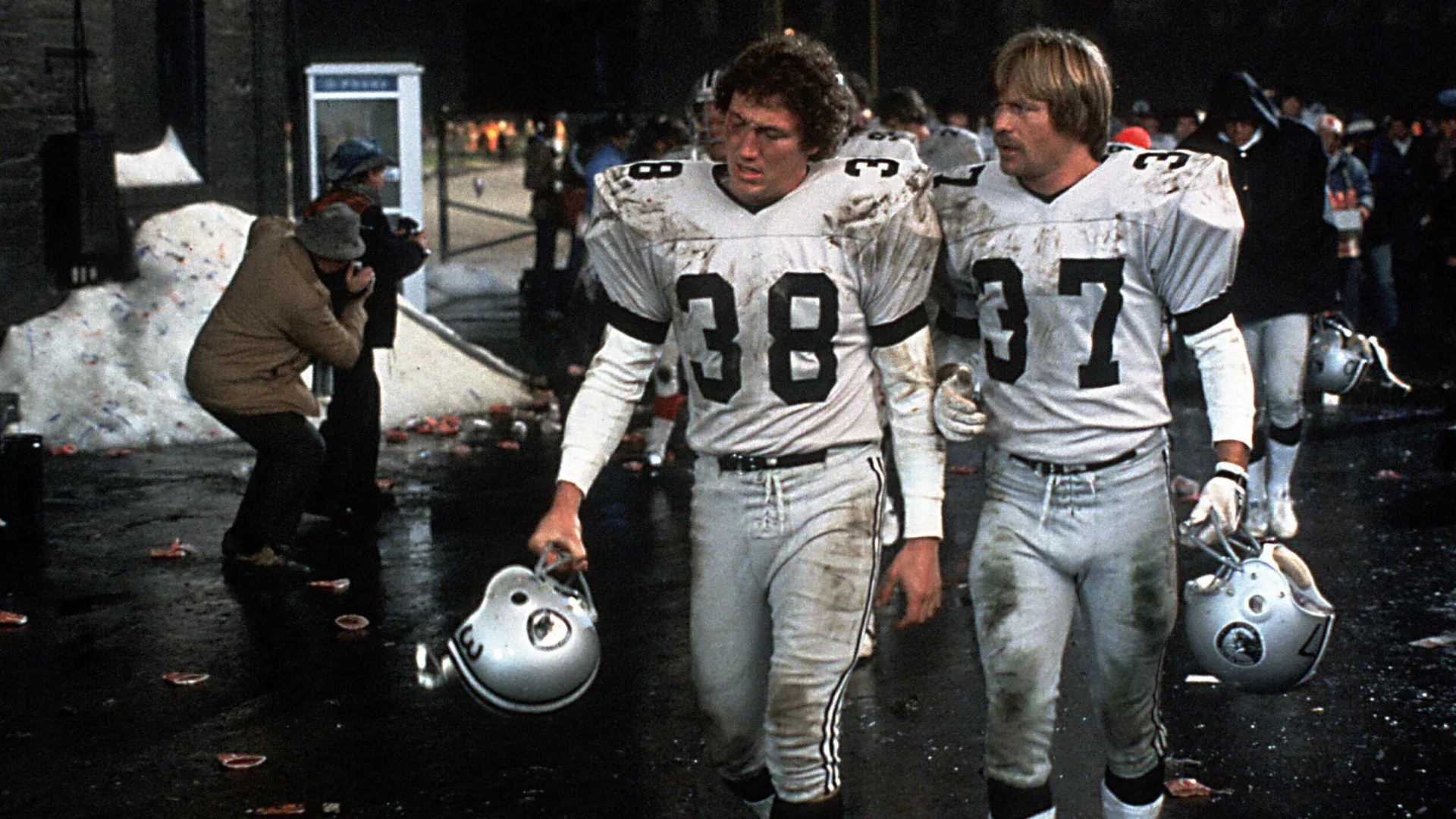 North Dallas Forty went considerably darker. Nick Nolte’s battered receiver wakes up each morning needing painkillers simply to move, in a 1979 film that stripped away much of the mythology around professional football decades before conversations about player welfare became mainstream. It is funny, cynical and still surprisingly uncomfortable.
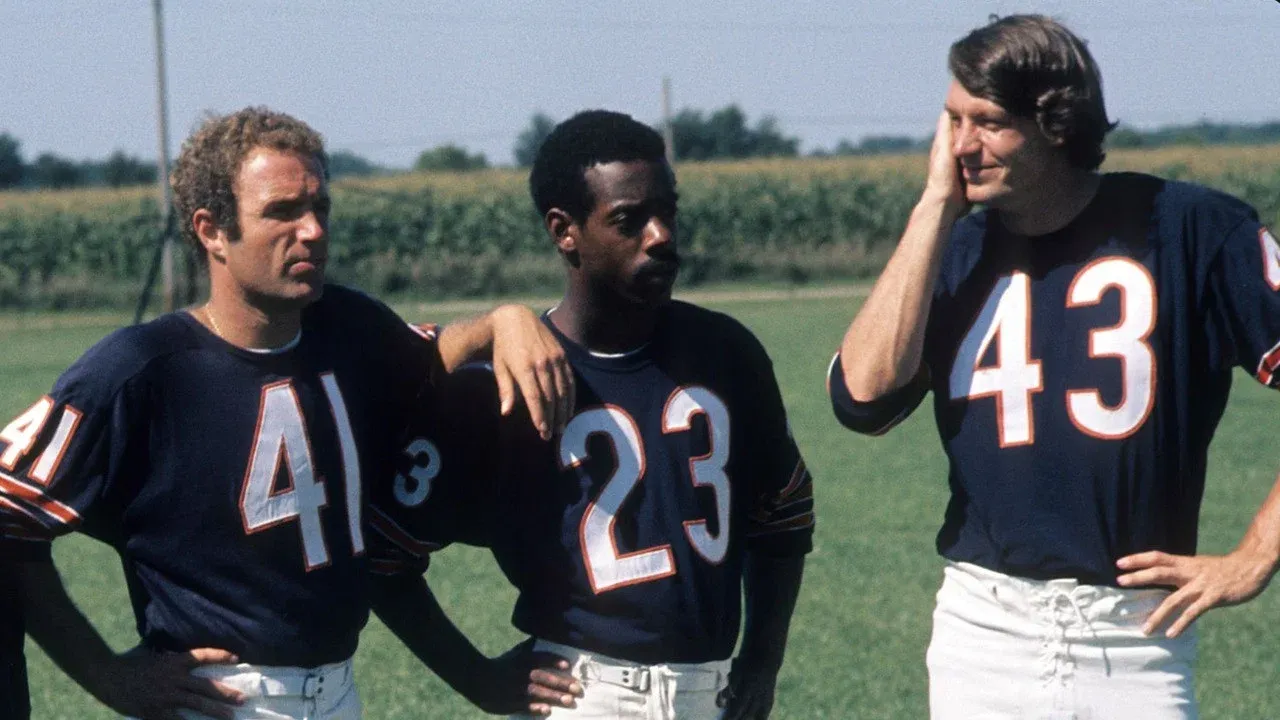 At the opposite emotional extreme sits Brian’s Song, the 1971 television film about Chicago Bears teammates Brian Piccolo and Gale Sayers. It's technically a football movie, but really it's about friendship, illness and two men who became extraordinarily close in a sport not particularly famous at the time for encouraging emotional vulnerability. If you finish it completely dry-eyed, congratulations on your lack of emotional intelligence.
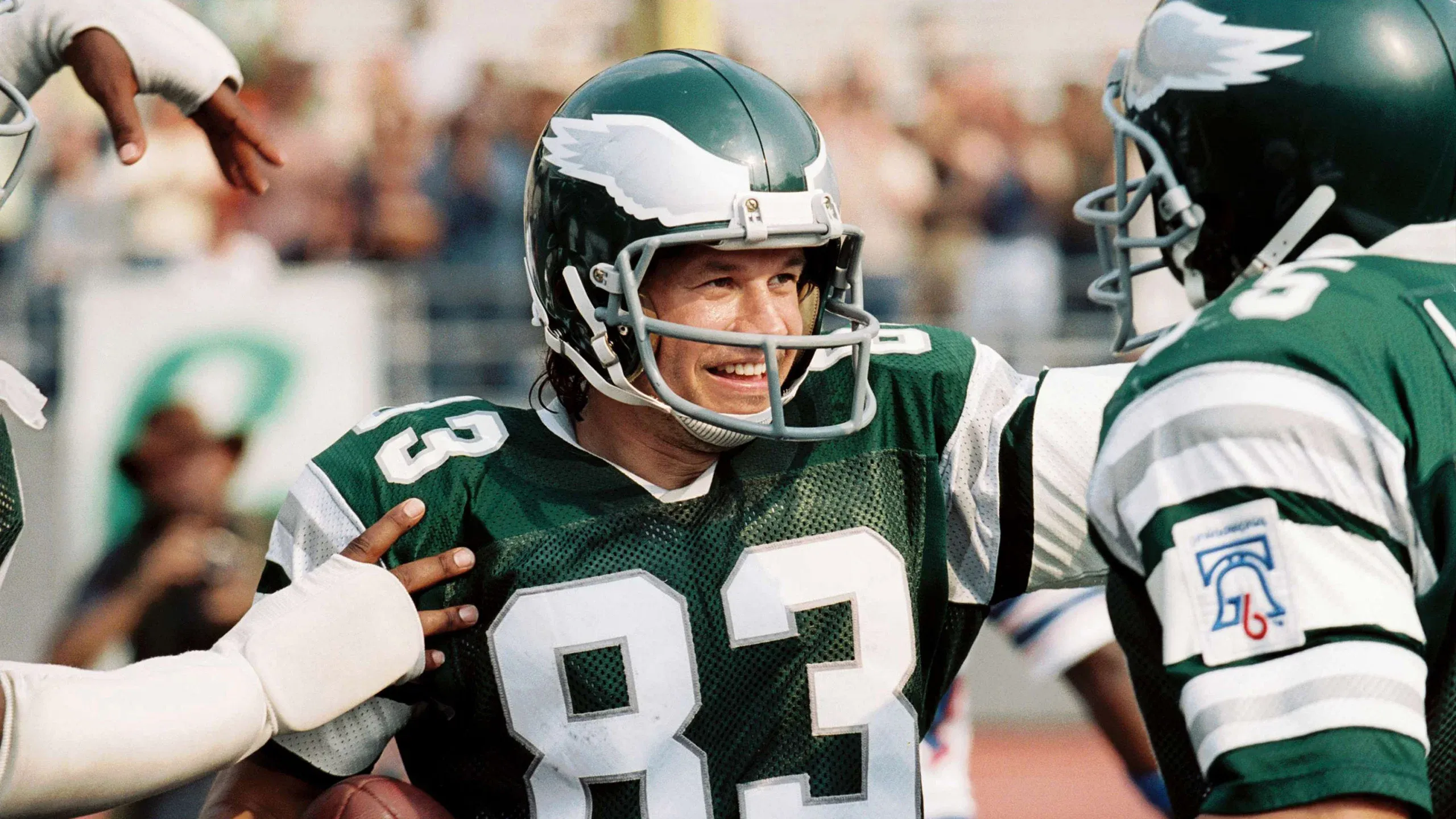 Invincible gives us the traditional crowd-pleaser: Mark Wahlberg as Vince Papale, the Philadelphia bartender who improbably earned a place with the Eagles. It is shamelessly inspirational and knows exactly which buttons it is pressing. Sometimes that is absolutely fine.
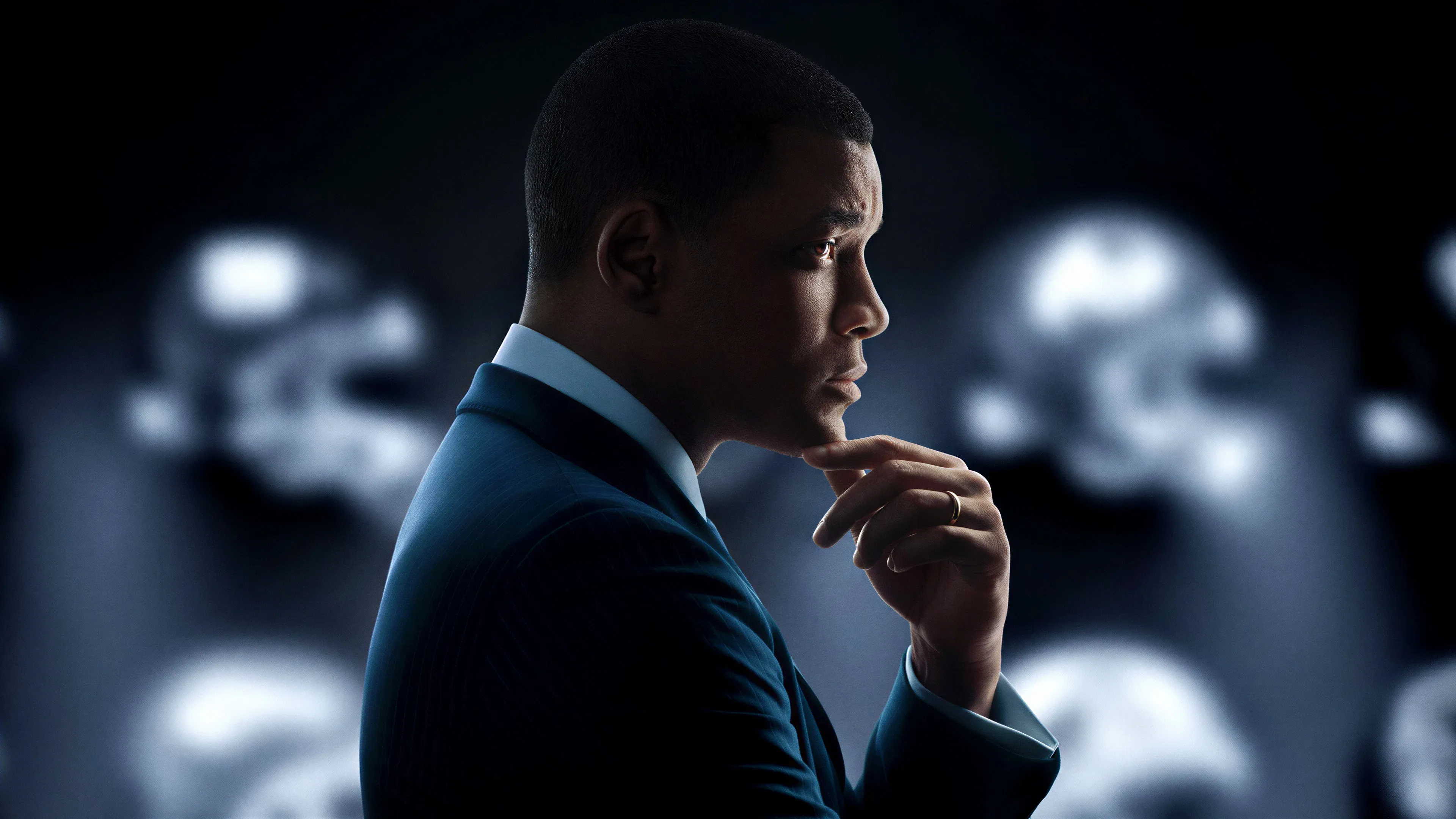 And then there is Concussion, with Will Smith as Dr Bennet Omalu, the pathologist whose research into brain damage among former NFL players put him into conflict with the league. Suddenly all those spectacular collisions look rather different.
That range is exactly why American football works so well on film. The sport can give you triumph, comedy, corporate warfare, friendship, money, race, class, injury and enormous men smashing into one another at frightening speeds.
Madden now gets its turn. With Nicolas Cage playing one of the loudest personalities in NFL history, subtlety may not be the first thing on the team sheet.
Frankly, we wouldn’t want it any other way.
Jim Irving
Author