What Happened to the 22-Episode TV Show Season?

We used to rent DVDs and watch TV live before streaming. Young people might find that strange now, but back then, it was normal. Audiences spent over half the year with the same characters and never seemed to get bored or wonder what to watch.
Prime-time series usually aired from September to May to fill a weekly broadcast slot. Plots unfolded across seasons and were wrapped up in mid-season or season finale episodes, allowing new twists and cliffhangers. Popular teen drama Gossip Girl treated fans to salacious long seasons that kept the girlies returning.
The Changing TV Format
Back when 22-episode seasons ruled TV, ratings were the gold standard for measuring success. Networks like The CW and NBC relied on them to judge a show’s audience and advertising value, ultimately deciding whether a series was renewed or cancelled.
Today, traditional ratings matter far less. Streaming platforms measure success through watch time, completion rates, and subscriber retention. Now, seasons are released every few years with around 8 to 12 episodes.
So, in 2026, the 22-episode season feels like a relic, but what the hell happened to it?
Why Did The 22-Episode Season Die?
Cost and Time to Create
Creating a 22-episode season takes effort and is expensive. Huge teams of writers, directors, and actors were needed to do it. But time is money, so the staff was pressured to keep episodes, plots, and entire shows interesting.
At the height of this format, networks spent millions. In 1998, NBC spent a jaw-dropping $286 million for a season of its medical drama ER. ER ran for 15 seasons, and is one of the network’s most popular shows. But popularity…it bites. Demand equals more episodes, and more episodes incur higher production costs and salaries. Time was wasted, and excessive spending occurred.
The Takeover of Streaming
Streaming replaced 22-episode seasons because it was efficient and lucrative. Streaming rendered long seasons useless, as viewers began to enjoy the binge format; no longer did they wait for weekly episodes or watch countless advertisements. With streaming, viewers watched new content when and how they wanted.
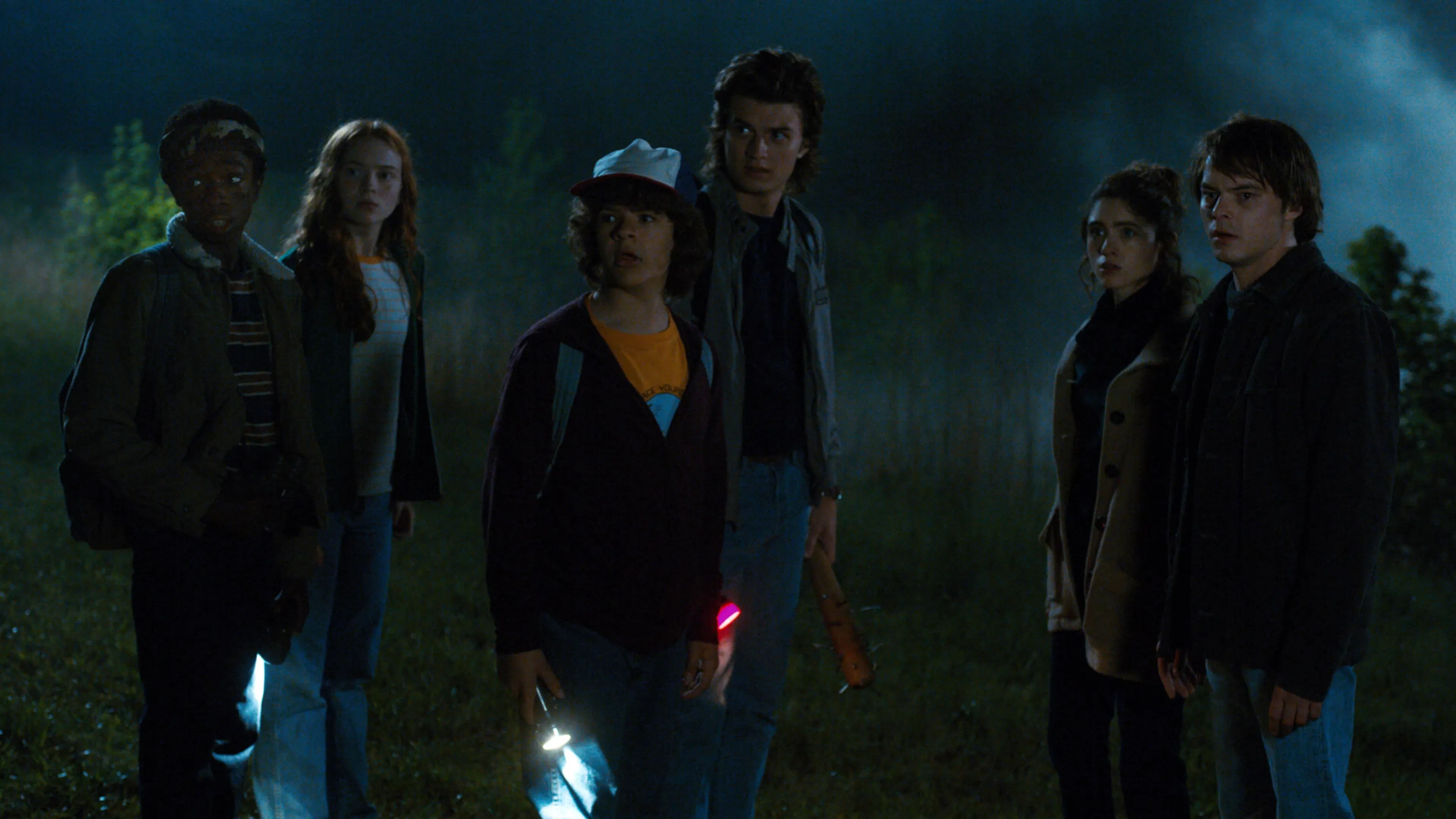
Hits such as Stranger Things and The Boys made millions, resulting in higher budgets and better
episodes.
 Gradually, expectations changed. Viewers started demanding superior television. Think HD visuals,
high-tech effects, and complex storytelling. Slowly, the digital era took over, in favour of instant
watching.
Gradually, expectations changed. Viewers started demanding superior television. Think HD visuals,
high-tech effects, and complex storytelling. Slowly, the digital era took over, in favour of instant
watching.
Content Overload Ruined TV Watching
Content overload affected streaming and helped tank the traditional 22-episode season. Having 22 episodes with consistent and strong storylines was tricky, so shows relied on filler episodes to reach episode quotas. Over time, viewers grew frustrated with low-quality or out-of-place episodes, and audiences dwindled. There was simply too much content, and not enough time to watch, making shorter seasons alluring.
Even showrunners have reflected on the pressure of the format. Alex Kurtzman, a showrunner of Star
Trek: Discovery, told CinemaBlend that writers of other Star Trek shows were often “just trying to get
to a 22-episode season” to secure renewal and compete with other titles.
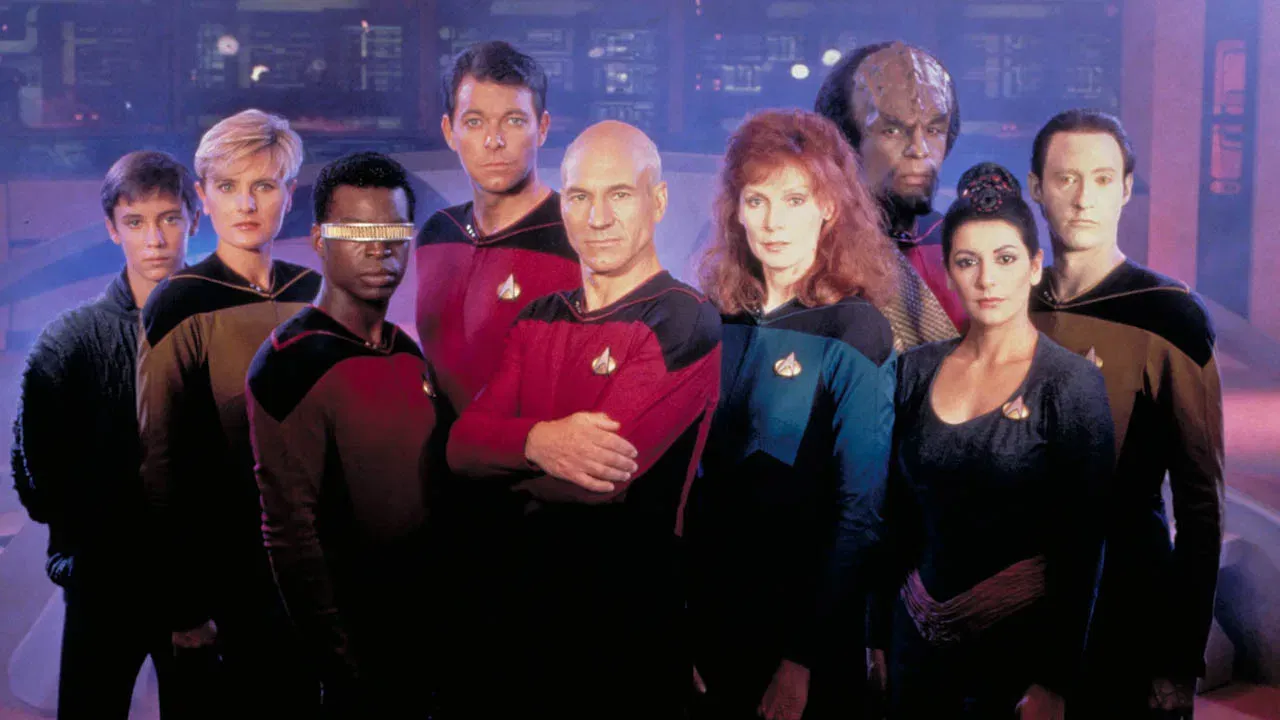
22-Episode Seasons: The End of An Era
Despite nostalgia for the 22-episode season, it’s unlikely to return. The digital era has shifted television toward subscription models, where audiences expect higher-quality, cinematic storytelling rather than filler episodes. No single factor ended the format; rising production costs, declining network ratings, and the rise of streaming all contributed.
The 22-episode season may be gone, but its influence on entertainment consumption won’t be forgotten.
Sophie Humphrey
Author