AI Has Entered Hollywood. Now What?
Hollywood has spent the last few years asking whether artificial intelligence is coming for the film industry.
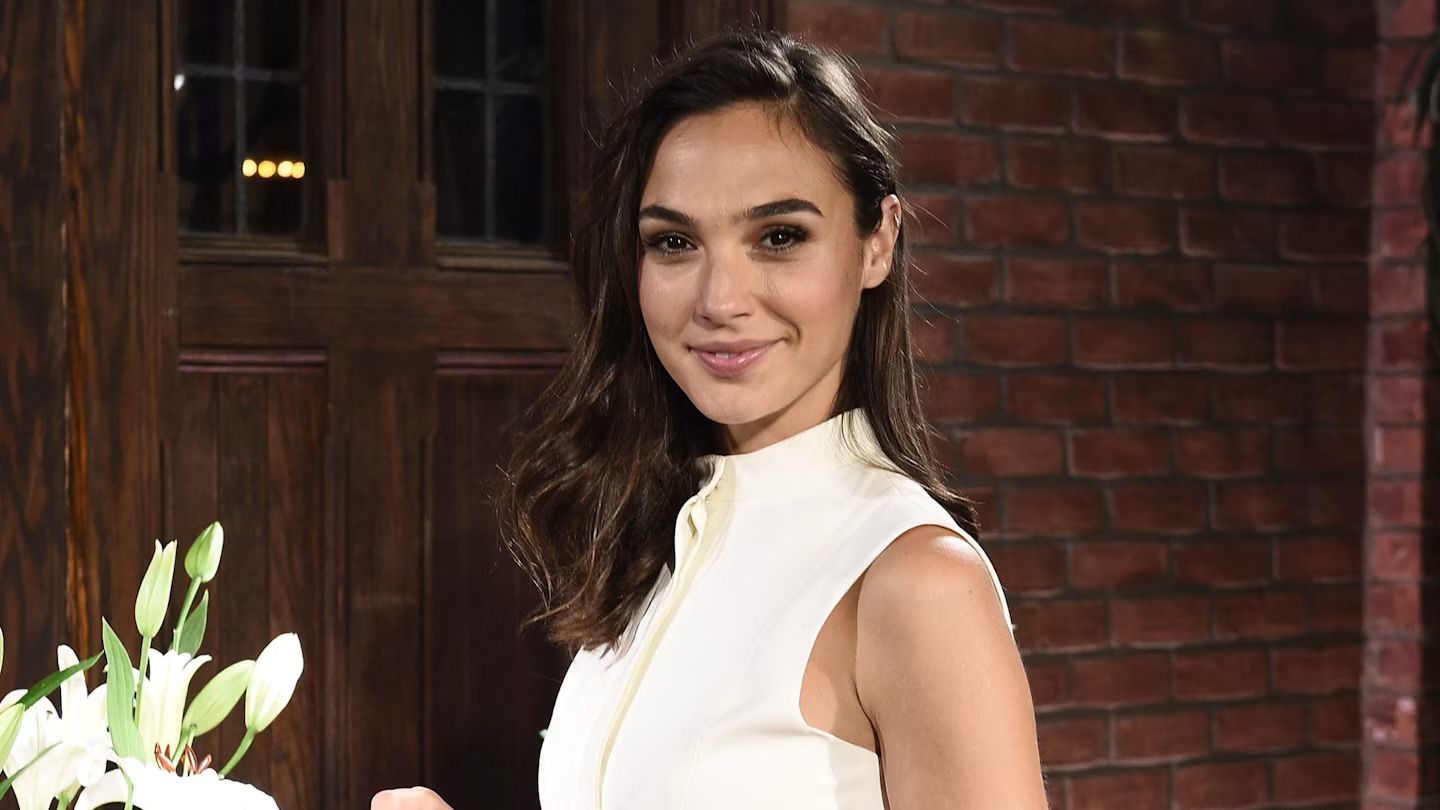
Gal Gadot has a slightly different answer. It’s already here.
The former Wonder Woman star has defended her decision to appear in Doug Liman’s upcoming film Bitcoin, which used AI to create sets and lighting around the actors. Gadot, Casey Affleck, Pete Davidson and Isla Fisher reportedly performed in an almost completely bare space, with much of the environment added later using AI technology. Producer Ryan Kavanaugh claims the $70 million production saved more than $200 million by working this way.
Which, depending on where you sit in the film industry, either sounds revolutionary or absolutely terrifying.
Gadot herself seems to understand both sides. She has admitted she is afraid of AI, but argues that ignoring it is no longer an option. Her rather brutally simple assessment is that filmmakers and actors will either learn how to work with the technology or risk being left behind. “The train has left the station,” she said while promoting The Runner.
The interesting part is that Gadot didn’t simply shrug and hand over her digital likeness. Quite the opposite. Her lawyers apparently spent six months working through the contract to make sure AI could not alter her performance. Gadot says she wanted absolute protection around her acting, with SAG even contacting her legal team for advice that could potentially help protect other performers in future agreements. And that might be where the real future of AI in Hollywood gets decided.
Not in some dramatic battle between humans and machines, but in the boring stuff: contracts, rights, permissions and exactly what studios are allowed to do with someone’s face, voice and performance. Because there is a huge difference between using AI to build a city skyline and using it to replace the actor standing in front of it. There are obvious attractions.
Film sets are expensive. Lighting takes time. Locations cost money. Crews can spend hours waiting while equipment is moved, weather changes or somebody decides that a lamp needs to be six inches further to the left. Gadot says filming Bitcoin felt almost like theatre because the actors could keep performing without constantly stopping while the technical side caught up.
For filmmakers, that sounds incredibly seductive. For production designers, lighting crews, visual-effects artists and thousands of other people whose jobs exist precisely because filmmaking is complicated, perhaps slightly less so. And that is the tension Hollywood is going to have to navigate.
AI will almost certainly become another tool. Cinema has absorbed sound, colour, CGI, digital cameras, motion capture and virtual production before. Every new technology arrives with predictions that it will destroy filmmaking as we know it.
Usually it changes filmmaking instead. But AI feels different because it doesn’t simply improve what humans can do. In some cases, it threatens to remove humans from the process entirely. That is why Gadot’s position is interesting. She isn’t pretending AI is harmless. She is saying it is inevitable. And perhaps that is where Hollywood now finds itself.
The question is no longer whether AI belongs on a film set. It is how much of the film set we are prepared to let it take over.
Jim Irving
Author