Zendaya Is Becoming Hollywood’s Safest Bet for Strange Movies

Zendaya is going back to science fiction, but this time there are no sandworms, spice fields or Timothée Chalamet staring solemnly into the middle distance.
Her next project is an untitled A24 sci-fi film from Alex Garland, the director behind Ex Machina, Civil War and Warfare. Plot details are being kept tightly under wraps, which feels appropriate for a filmmaker whose idea of a relaxing evening usually involves artificial intelligence, collapsing societies or somebody discovering that reality is considerably worse than expected. What makes the project interesting, though, is not simply that Zendaya is doing sci-fi again. It is the kind of career she is quietly building.
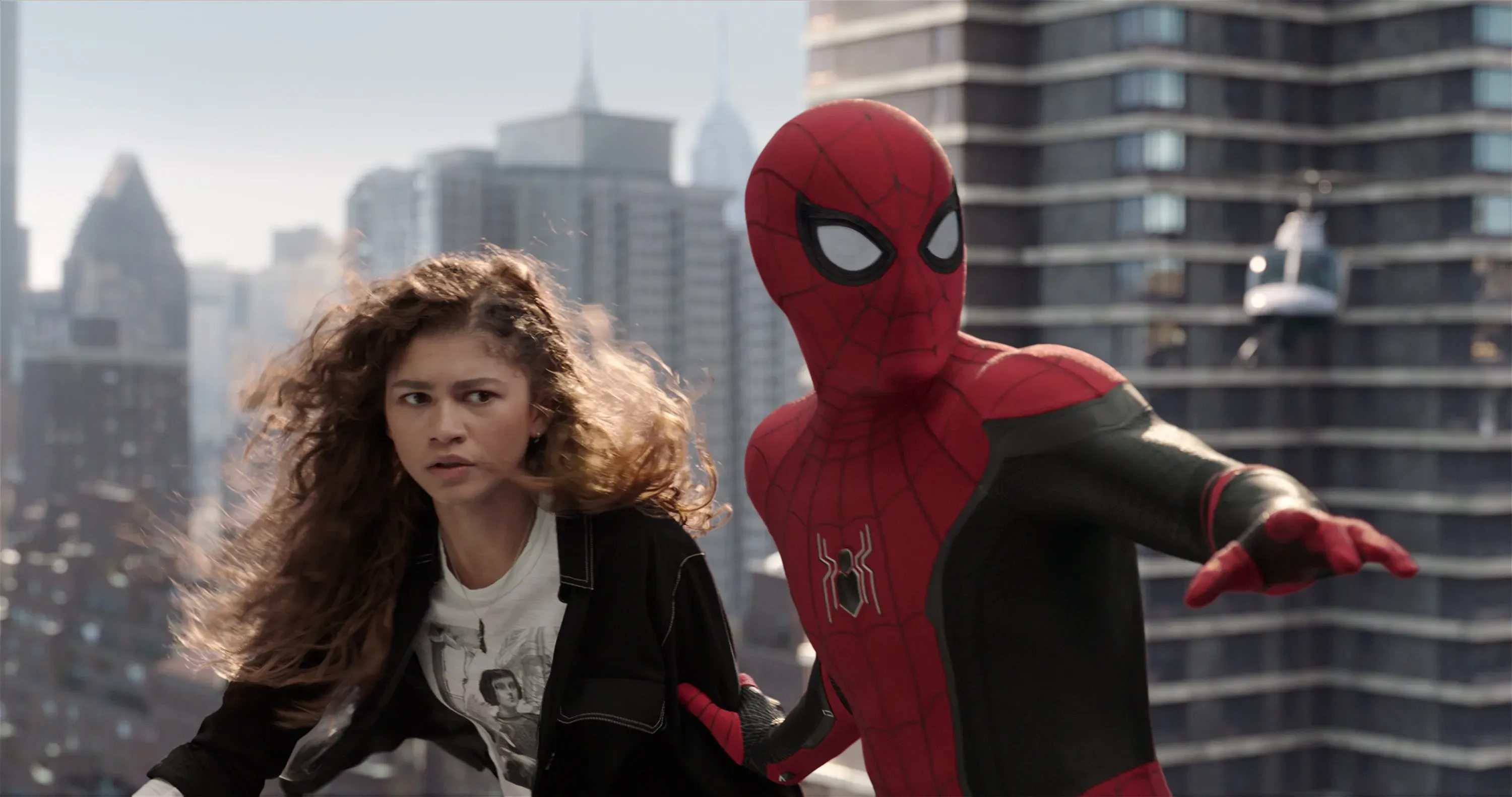 At 30, Zendaya has somehow become one of the few actors who can move comfortably between enormous studio franchises and much stranger filmmaker-driven projects without either side feeling like a detour. She can disappear into Dune, return to Spider-Man, make Challengers with Luca Guadagnino, head into Christopher Nolan’s The Odyssey, then sign up for whatever unsettling thing Alex Garland has decided humanity needs next.
That is a surprisingly rare position in modern Hollywood.
Franchises have a habit of swallowing actors whole. Once audiences associate someone strongly with a superhero, fantasy character or billion-dollar series, studios tend to keep feeding them similar material because familiarity is wonderfully reassuring to accountants. Zendaya has gone the other way. The bigger her profile becomes, the more freedom she seems to have to make something slightly odd.
And A24 is almost the perfect place to test that.
The studio has built its reputation on films that can be commercially ambitious without feeling remotely generic. Garland fits that world perfectly, particularly because his science fiction usually uses technology or spectacle as a way into something much more uncomfortable. Ex Machina was technically about artificial intelligence, but really about power and manipulation. Civil War was an action movie that seemed deeply suspicious of anyone enjoying the action too much.
Put Zendaya in that world and the possibilities become immediately more interesting.
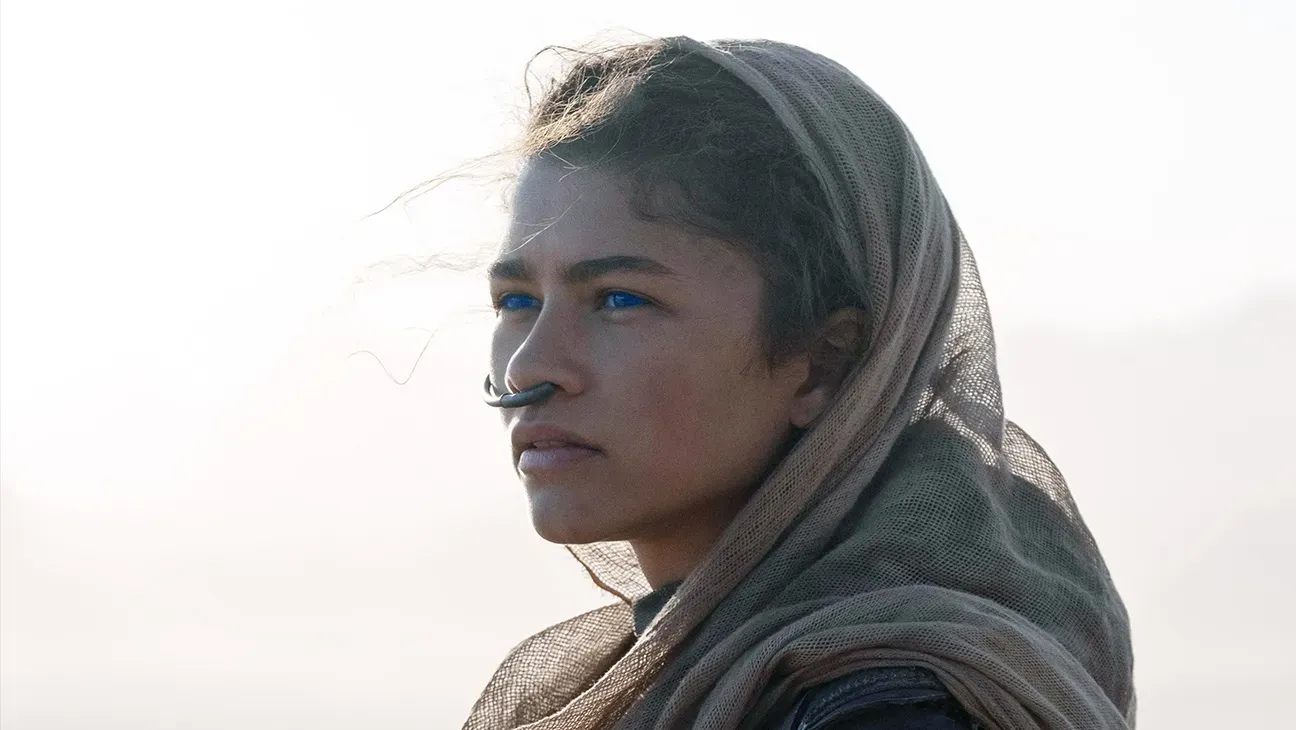 There is also something clever about where her career sits right now. She is famous enough to get a difficult original science-fiction project financed and young enough that audiences still do not quite know what kind of actor she will ultimately become. That unpredictability is increasingly valuable in an industry obsessed with recognisable brands.
Zendaya herself may now be the brand.
That does not mean every project will work, of course. Having one of the world’s most recognisable actors does not magically turn complicated science fiction into a blockbuster, and Garland has never exactly specialised in comfortable Friday-night entertainment. But that is partly what makes the combination appealing.
Hollywood spends enormous amounts of money building franchises because audiences like familiarity. Zendaya seems to offer a different version of the same thing: audiences will follow her somewhere unfamiliar because they trust the person taking them there.
So yes, Zendaya is going back to sci-fi. But the more interesting story is that one of Hollywood’s biggest stars is using her blockbuster success to keep making increasingly unpredictable choices. That might be the smartest franchise of all.
Jim Irving
Author