You’ve Got Mail. Again.
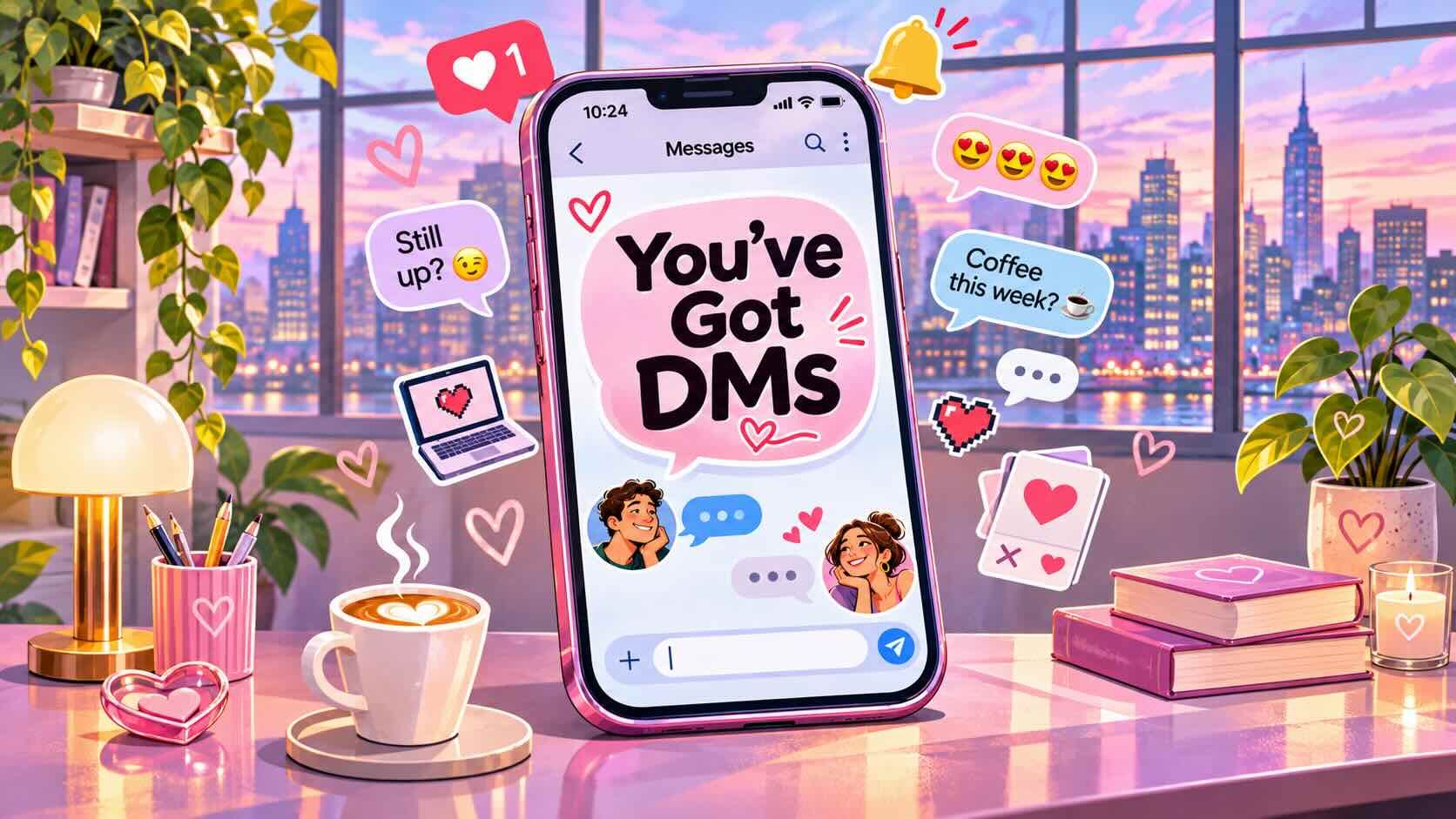
In 1998, three words could make your heart beat slightly faster. “You’ve got mail.”
In 2026, the same three words usually mean your electricity bill has arrived, LinkedIn thinks you might know someone from a conference in 2017, or a gentleman you have never met urgently needs your bank details to release several million dollars.
Which makes Warner Bros.’ decision to bring back You’ve Got Mail rather fascinating.
A new version of Nora Ephron’s much-loved romantic comedy is officially in development, with I Want You Back director Jason Orley set to write and direct. There is no cast yet and plot details are being kept secret, but the original formula is one almost everybody remembers: Tom Hanks and Meg Ryan play Joe Fox and Kathleen Kelly, two people who dislike each other enormously in real life while unknowingly falling in love through anonymous messages online.
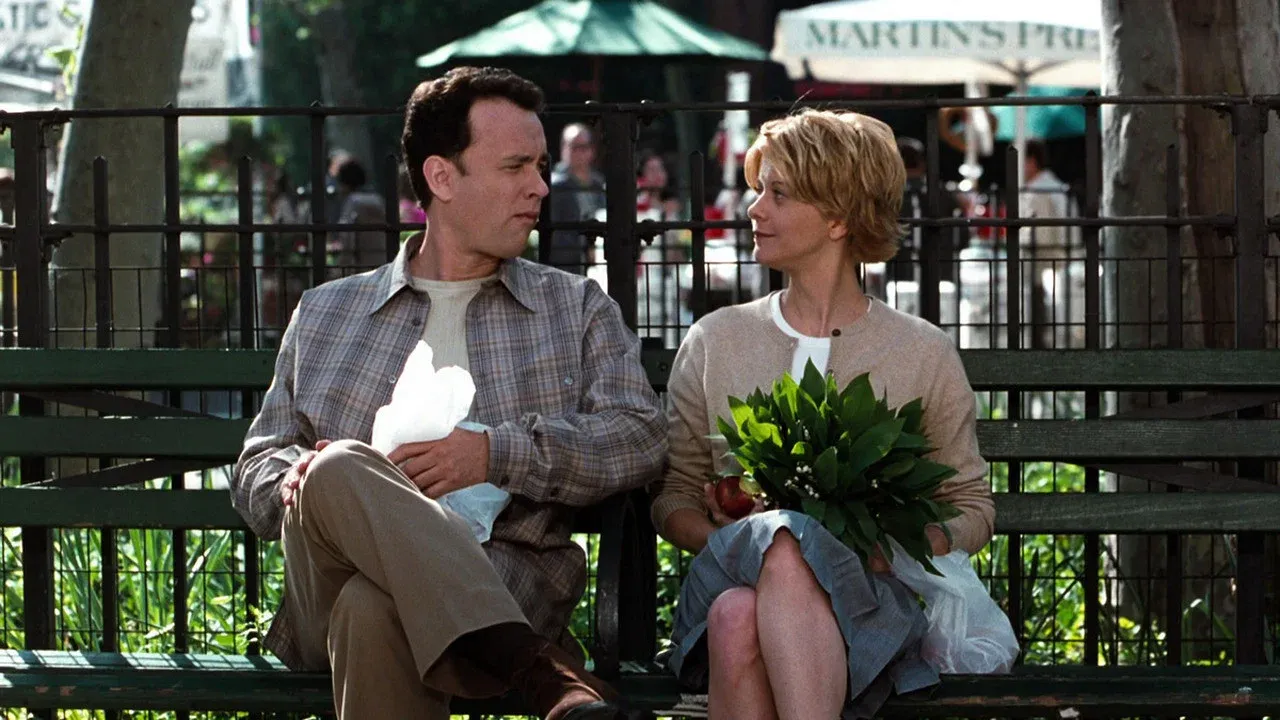 It was romantic partly because the internet was romantic. That sentence sounds almost deranged now, but in 1998 the idea of meeting a stranger online still felt mysterious. AOL chat rooms were exciting. Email was new enough to be flirtatious. Receiving a message required sitting at an actual computer, connecting to the internet and listening to noises that sounded like two robots arguing over a fax machine.
Today, Joe and Kathleen would probably have found each other on Hinge, checked each other’s Instagram accounts, found several mutual friends, watched three years of holiday photos and known where the other went for brunch before exchanging a single meaningful sentence.
Which is the central problem facing the remake. How do you recreate anonymity in an age when nobody is anonymous?
The clever thing is that You’ve Got Mail was itself already a remake. Ephron’s film drew from Miklós László’s 1937 play Parfumerie, which became the 1940 James Stewart film The Shop Around the Corner and later inspired In the Good Old Summertime and the musical She Loves Me. The technology has repeatedly changed, but the idea underneath it has survived: two people fall for each other through words before discovering that the person they love is somebody they already know. That is why another version might actually make sense.
The email is not the important bit. The anonymity is. Perhaps they meet through Reddit usernames, Substack comments, an online game or some beautifully invented app that Hollywood desperately hopes becomes real afterwards. The new film could even reverse the original’s business story. In 1998, Hanks’ giant chain bookstore threatens Ryan’s tiny independent shop. Today, both of them would probably be worried about Amazon.
And that is what makes revisiting You’ve Got Mail potentially more interesting than simply photocopying another beloved rom-com. The original accidentally became a time capsule of the early internet: optimistic, exciting and strangely innocent about what online life might become. The remake has to make romance out of the internet we actually got. Good luck with that.
Still, if Hollywood can convince us that two attractive strangers might fall in love online without first investigating each other’s entire digital history, perhaps romantic comedy really can achieve anything.
Just don’t call it You’ve Got DMs.
Jim Irving
Author